

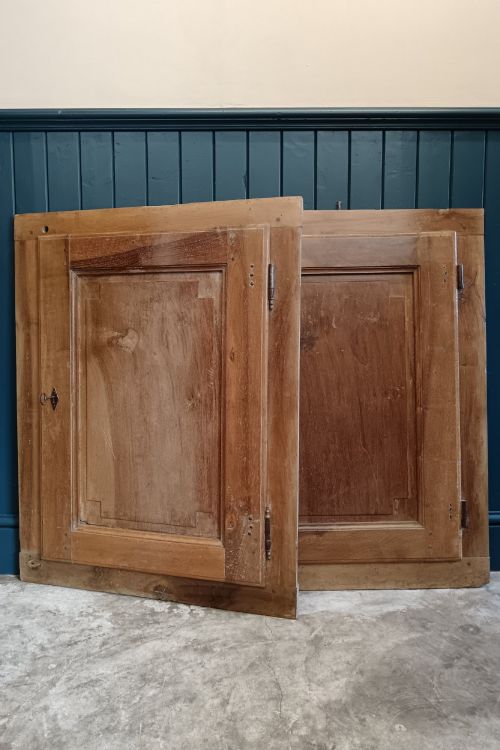


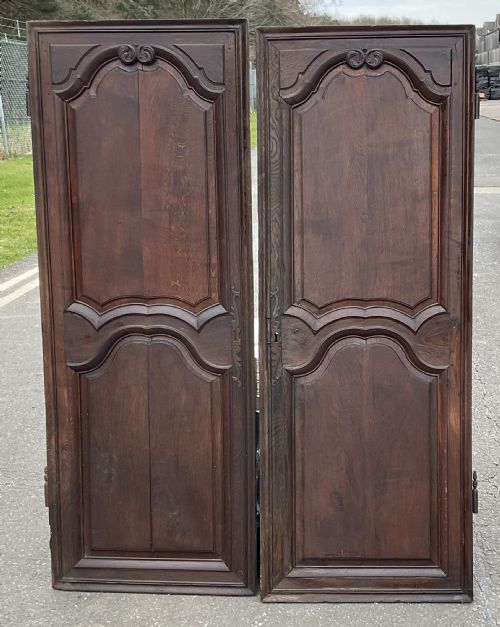

Reclaimed Architectural Timber Door
A reclaimed architectural timber door brings structural history and solid character into a room, offering genuine period patina built from enduring woods.
Reclaimed Architectural Timber Door
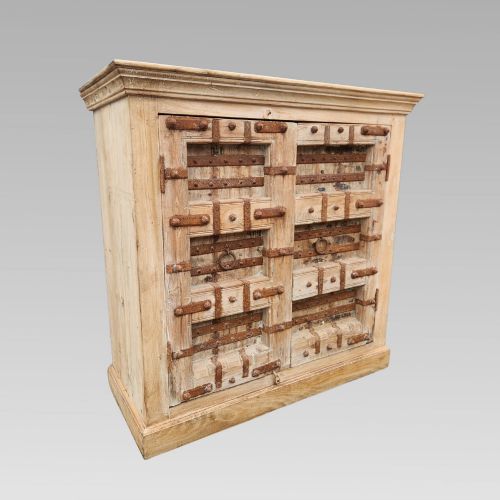
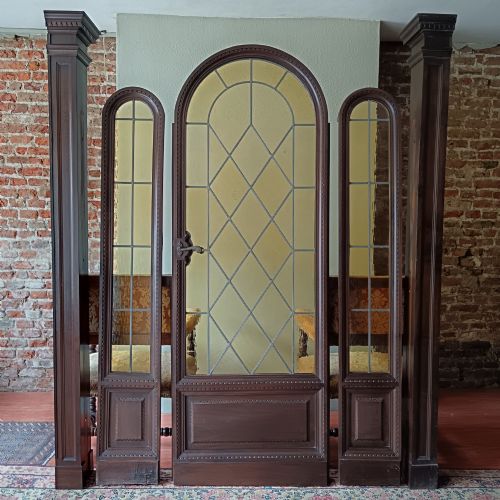
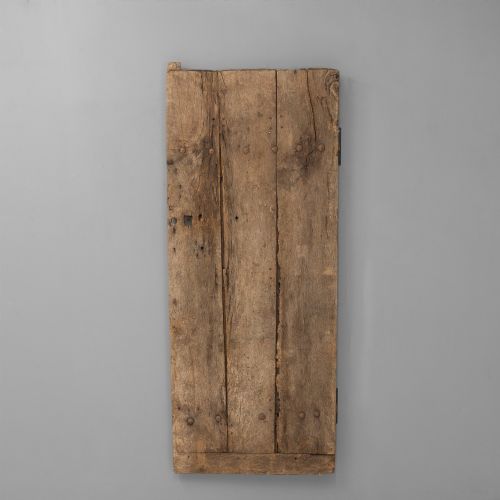
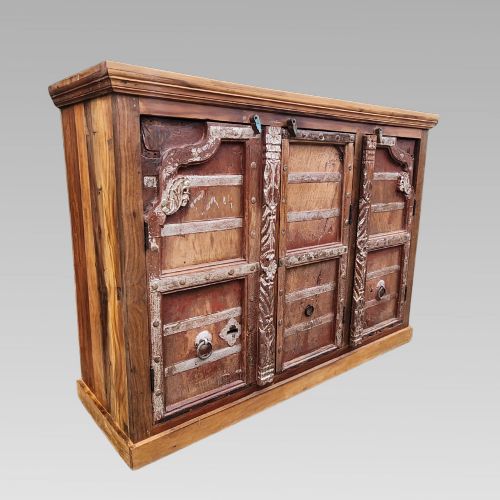
A reclaimed architectural timber door spans centuries of practical construction, appearing in forms ranging from full chapel entrances and vestibule screens to smaller cupboard doors and sideboards. These items originate from diverse domestic and institutional settings across European and Asian provinces.
Buyers encountering this selection will most frequently meet substantial timber doors paired with original iron hardware or glass elements. The examples range from rustic painted French panels to heavy Indian teak storage units and Italian walnut frames.
Dating across the eighteenth, nineteenth, and early twentieth centuries, these architectural elements adapt readily to contemporary interiors as functional partitions or statement furniture fronts. Each piece retains the distinct marks of its original provincial or gothic context.
How they were made
Carpenters constructed these pieces using dense hardwoods and softwoods such as oak, walnut, teak, and pine, often joined to heavy iron or wrought iron hinges and handles. Structural integrity relied on traditional framing techniques that allowed timber to weather decades of heavy use.
Glazing and lead work frequently complemented the timber frames in vestibules and screen doors, while specialised hardware provided functional security. Surface treatments ranged from natural waxed grains to layered provincial paint applications.
Reclaimed Architectural Timber Door Retail Price Guide 2026
Typical asking prices for reclaimed architectural timber door among the pieces listed under this phrase on Sellingantiques today, from the lower quarter to the upper quarter. They describe what is for sale here now, not the wider market.
Materials documented across these pieces include lead, glass, wrought iron, and heavy hardwoods like oak and teak.
What varies in quality
The distinction between standard examples and superior pieces rests upon the integrity of the original timber and the survival of authentic hardware. Items retaining untouched wrought ironwork or complete framing structures command greater architectural interest.
Execution of period joinery and the depth of provincial carving further separate ordinary utility doors from finer architectural salvage. Consistency in the timber grain and the preservation of authentic surface finishes dictate the overall stature of each piece.
The Reclaimed Architectural Timber Door Glossary
- Vestibule
- An inner lobby or entranceway separating the exterior from the interior of a building. These structures often incorporate screens and paired doors.
- Architectural salvage
- Building elements rescued from structures slated for demolition or renovation. This category preserves historical materials for reuse in new contexts.
- Wrought iron
- Iron beaten into shape by hammering rather than cast in a mould. It appears frequently in period hinges, grilles, and structural reinforcement.
- Provincial
- Design and construction characteristic of regions outside the capital city. These pieces reflect local traditions and available materials.
- Armoire
- A large wardrobe or cupboard with doors. Antique pairs of these doors are frequently repurposed for architectural integration.
Reclaimed Architectural Timber Door: Frequently Asked Questions
How are reclaimed doors installed?
These pieces require careful consideration of weight and structural support due to dense hardwoods and integrated ironwork. Professional joiners usually adapt the original frames to fit contemporary wall openings.
Securing heavy timber demands robust fixings and accurate alignment to ensure smooth operation of the panels.
Can exterior doors be used indoors?
Many historic entrance and vestibule doors transition successfully into interior spaces as room dividers or feature panels. Their substantial scale creates an immediate architectural focal point within a modern room.
Condition and timber treatment dictate whether an item withstands external weather or remains strictly sheltered inside.
How do I identify the wood type?
Grain pattern, weight, and natural colouration help distinguish between pine, oak, walnut, and teak. Close inspection of unpainted surfaces reveals the characteristic density and ring structure of each timber.
Provincial pieces often utilise the native hardwoods or softwoods available in the region of origin.
What maintenance do old timbers need?
Historic wood benefits from stable indoor humidity and occasional applications of neutral wax to preserve the surface. Avoiding direct heat sources prevents the timber from splitting or warping over time.
Original painted finishes require gentle cleaning without harsh solvents to protect the historic layers.