
Victorian Pine Door
A victorian pine door search brings up sturdy cupboards, wardrobes, and dressers built to last generations.
Victorian Pine Door
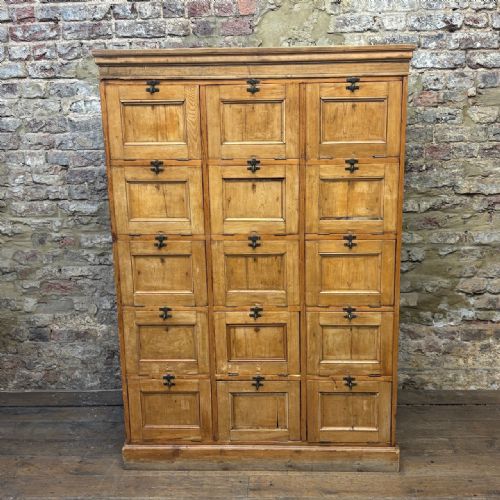
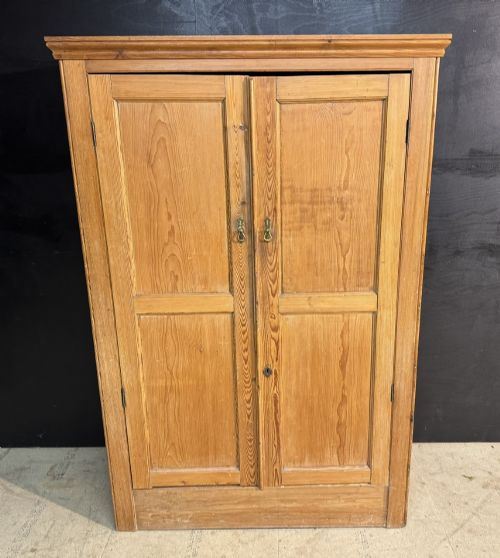
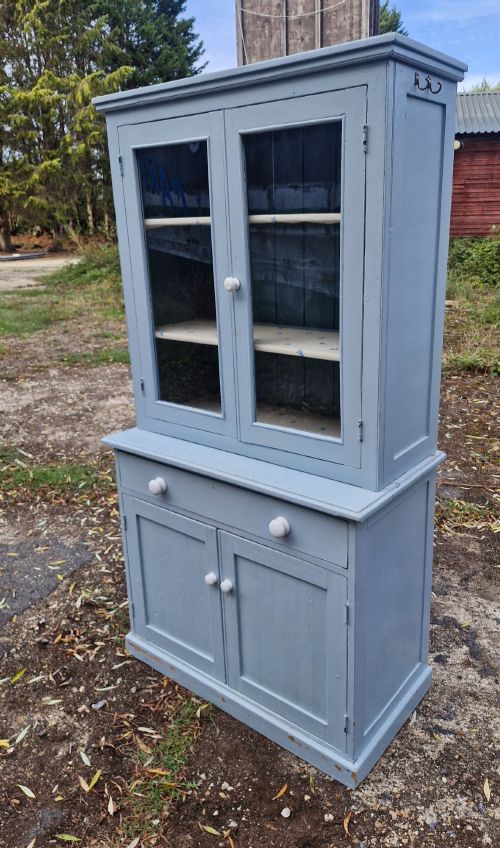
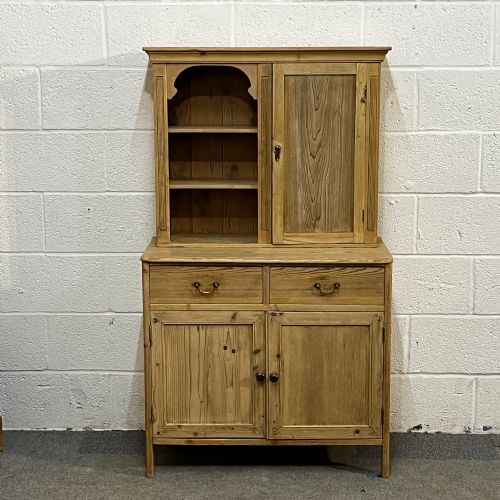
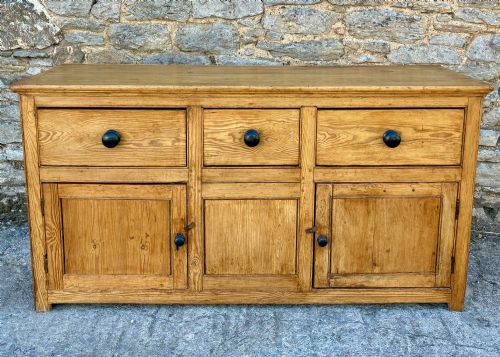
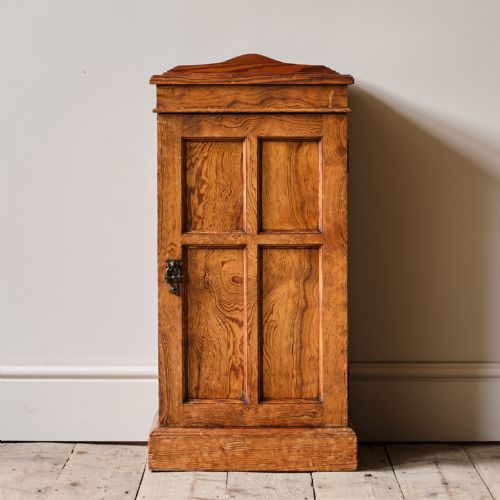
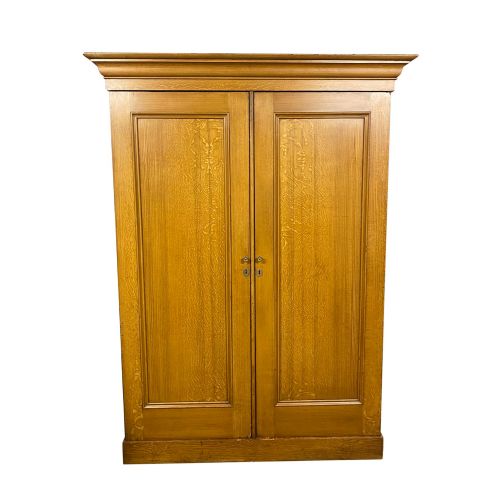
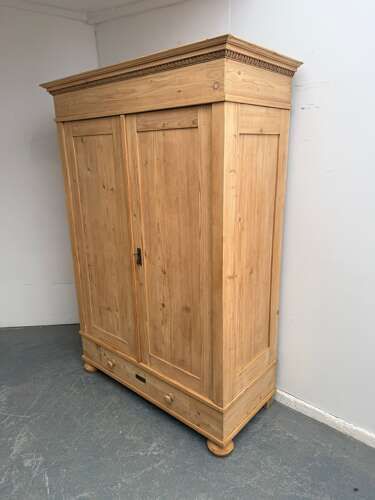
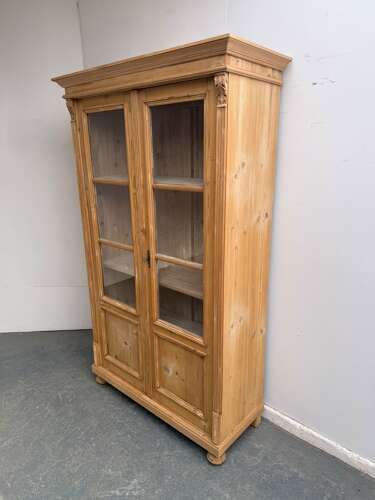
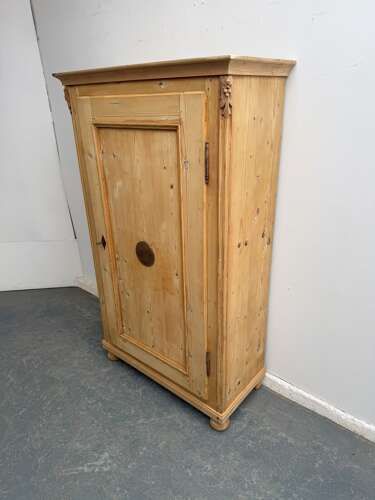
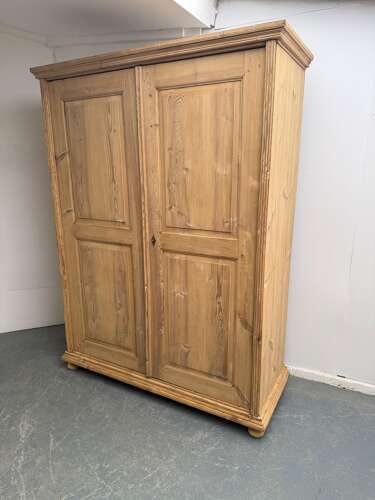
When you search for a victorian pine door piece, you enter a category defined largely by storage furniture originating from the nineteenth century. The listings on this page focus heavily on functional items such as wardrobes, kitchen dressers, linen presses, and storage cupboards.
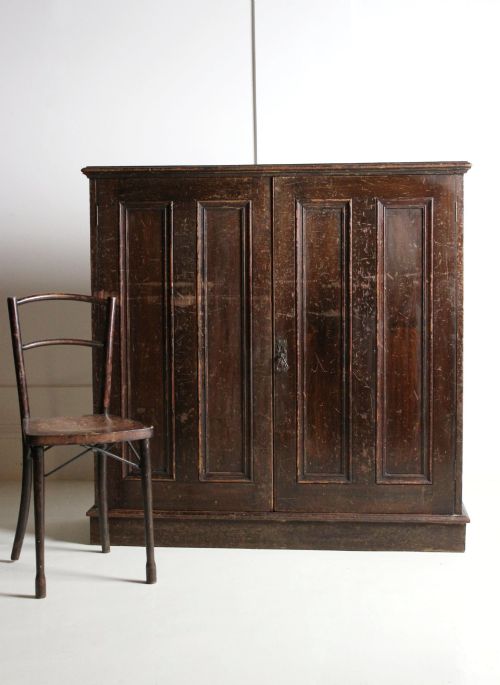
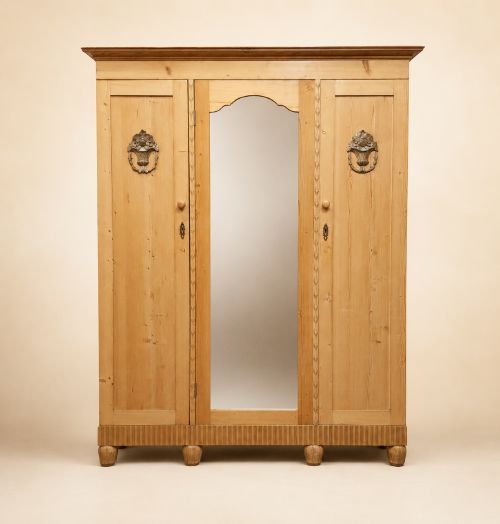
These items range from simple country house furniture to Gothic Revival designs and Arts and Crafts pieces. Buyers are most likely to encounter practical two-door storage cupboards and knockdown wardrobes intended either to be waxed or left in their painted finish.
How they were made
Construction relies primarily on pine and Oregon pine timbers, supplemented by iron hinges, brass handles, and glass panels for glazed display doors. Workshops utilised solid timber boards joined to create large panels for cupboard doors and dresser bases.
Surfaces often show historic paint layers, scumble faux oak paintwork, or plain waxed finishes. Many large wardrobes were engineered as knockdown units to allow easier transport through narrow nineteenth-century doorways.
Materials recorded across the archive include pine, Oregon pine, cedar, iron, brass, glass, and painted surfaces.
What varies in quality
Quality in these pieces rests on structural integrity, originality of hardware, and the survival of early finishes such as scumble paintwork. Pieces with intact panels, original glass, and functioning locks sit at the upper end of the range.
Simpler utility items intended strictly for domestic service contrast with more ambitious Gothic Revival or Arts and Crafts examples featuring carved details and moulded cornices.
The Victorian Pine Door Glossary
- Knockdown wardrobe
- A large wardrobe designed to be dismantled into sections using pegs or bolts rather than permanent glue. This ingenious modular construction helped nineteenth-century tradesmen deliver bulky furniture up narrow staircases.
- Scumble paintwork
- A decorative surface technique where a translucent glaze is manipulated over a lighter base coat to imitate more expensive hardwoods like oak. Authentic period examples retain their original textured brushwork.
- Linen press
- A tall storage piece traditionally combining upper sliding shelves for folded textiles with lower drawers for bulkier garments. These items served as the primary wardrobe space in Victorian bedrooms.
- Dresser base
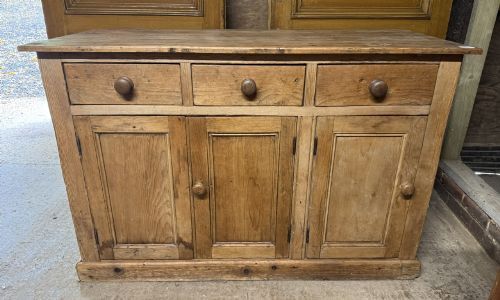
- The lower section of a kitchen dresser featuring a solid top above cupboard doors and drawers. These robust pieces frequently double as modern sideboards or television stands.
- Gothic Revival
- A nineteenth-century design movement drawing inspiration from medieval architecture. Pieces in this style incorporate pointed arches, heavy mouldings, and structural ironwork.
Victorian Pine Door: Frequently Asked Questions
Are knockdown wardrobes difficult to assemble?
Most period knockdown wardrobes utilise simple wooden pegs or internal bolts to secure the sides to the base and cornices. Two people can typically assemble them without specialised tools.
Taking time to align the panels correctly ensures the doors hang square and close properly against the frame.
Should I strip the paint off my pine cupboard?
Deciding whether to strip painted furniture depends entirely on whether the surface coating is original to the piece. Historic scumble glazes or early painted finishes hold historical value and should be preserved.
Plain modern household paint, however, is frequently stripped back to reveal the warm waxed pine beneath.
How do I care for waxed pine furniture?
Waxed pine requires occasional re-feeding with a quality beeswax to prevent the timber from drying out in centrally heated rooms. Buffing the surface regularly maintains a soft, protective sheen.
Avoid placing these items near direct heat sources or damp areas which can warp the timber doors.
What is the difference between a dresser base and a full dresser?
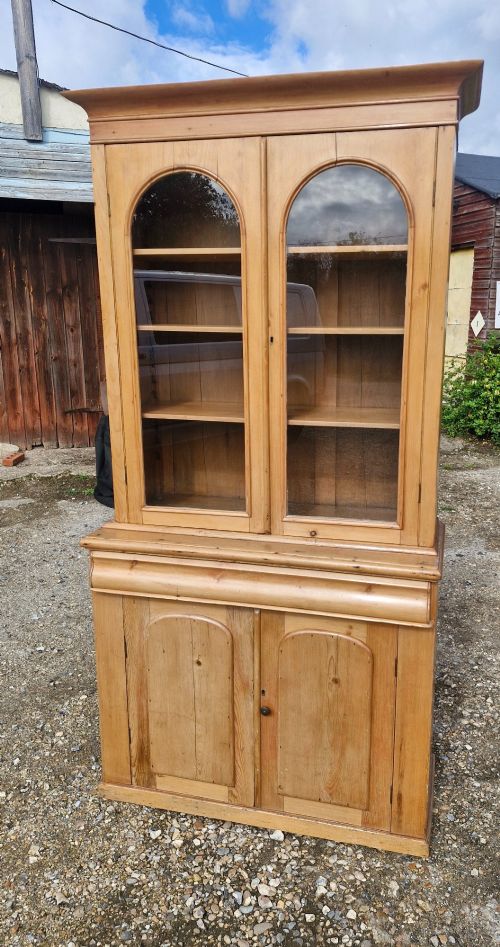
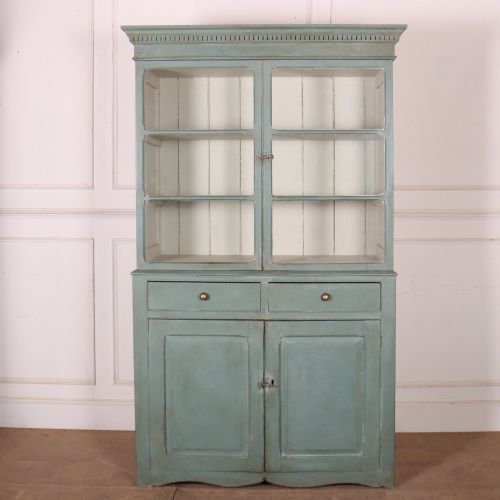
A full dresser combines a lower cupboard section with an upper plate rack or glazed cabinet for displaying crockery. A dresser base consists solely of the lower table-height storage unit with drawers and doors.
Dresser bases became particularly popular for modern adaptive reuse as sideboards.