
Antique Glass Door
An antique glass door opens the view into timber cabinets, bookcases and architectural cupboards designed to display and protect contents.
Antique Glass Door
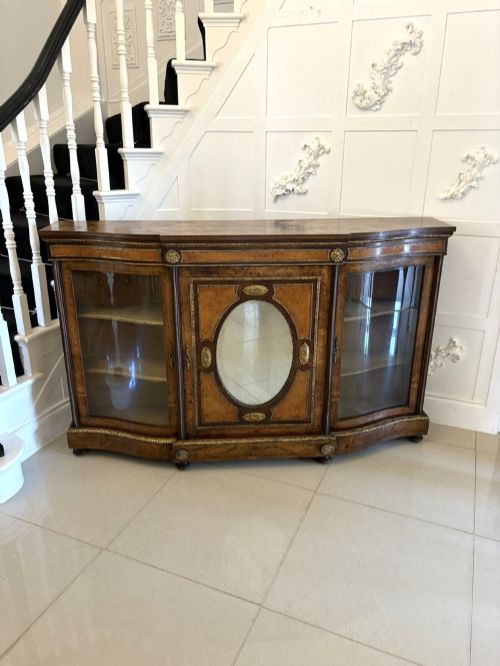
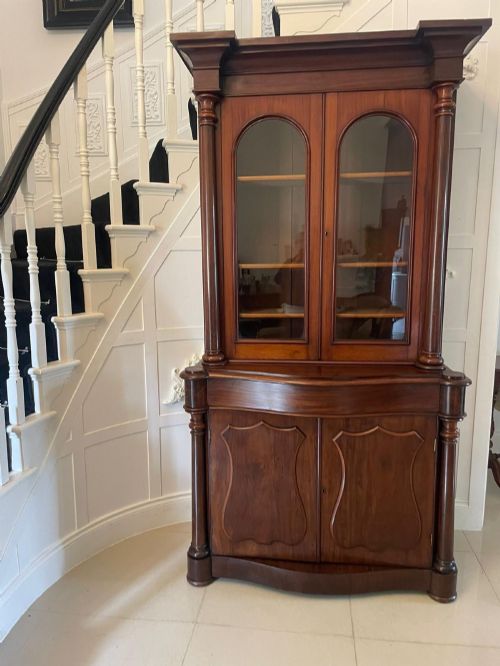
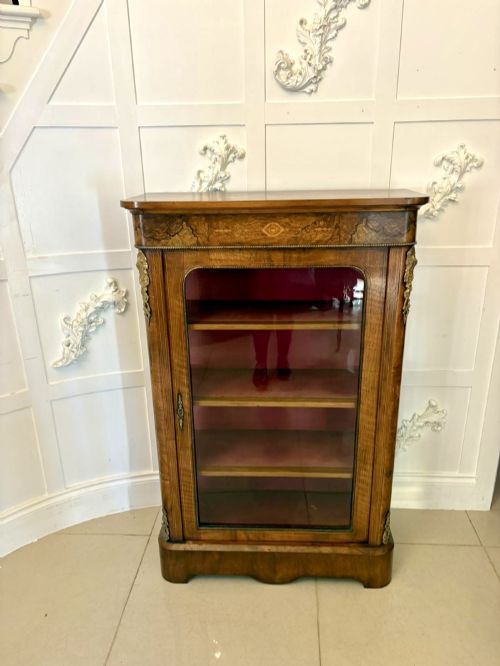
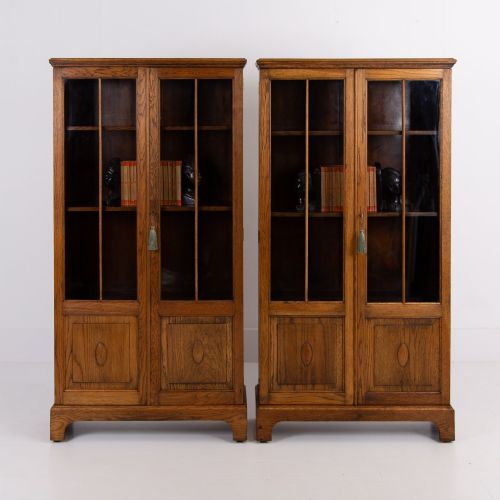
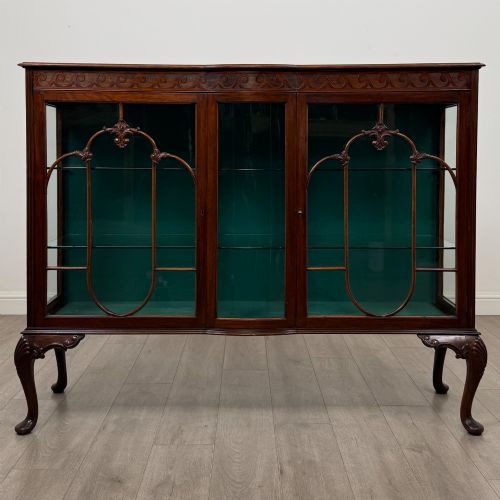
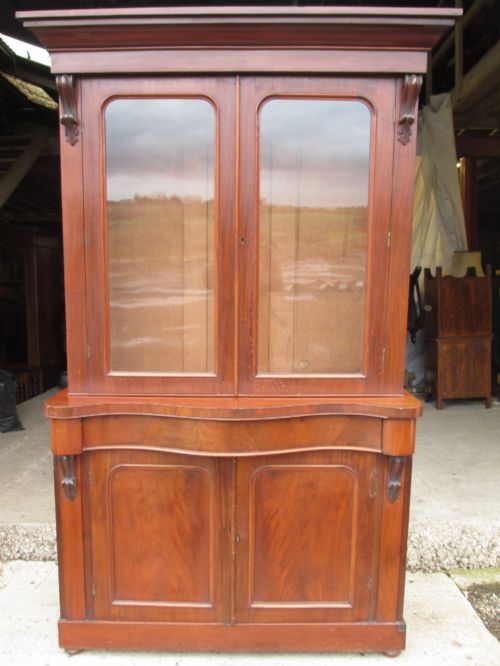
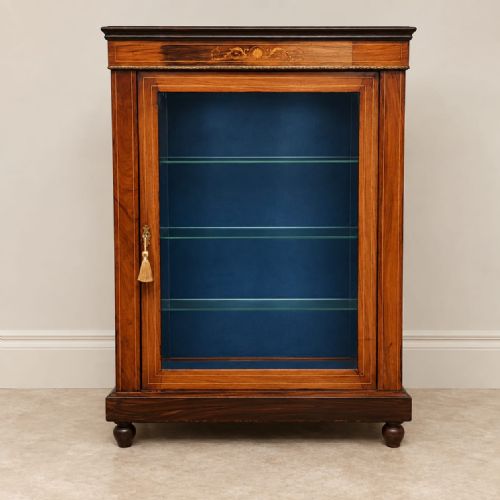
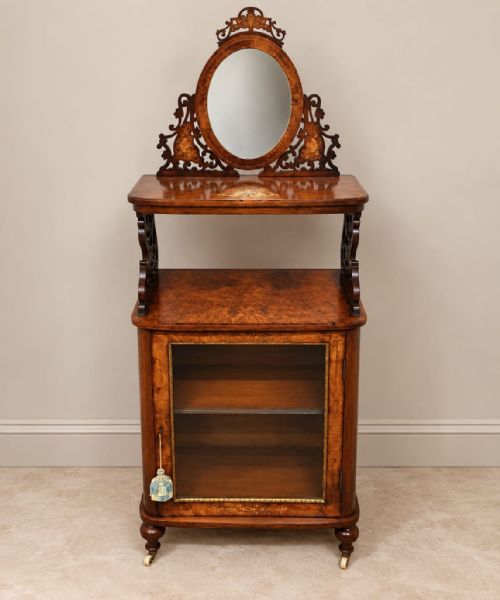
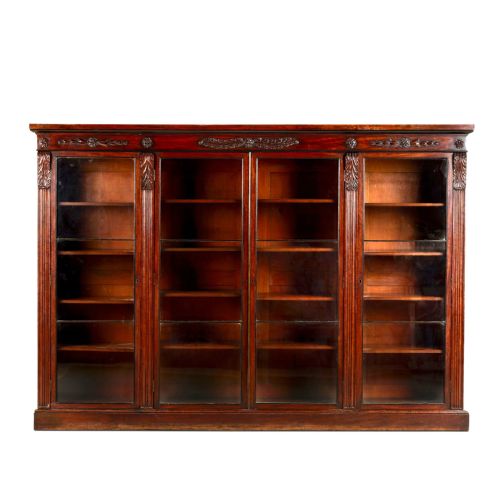
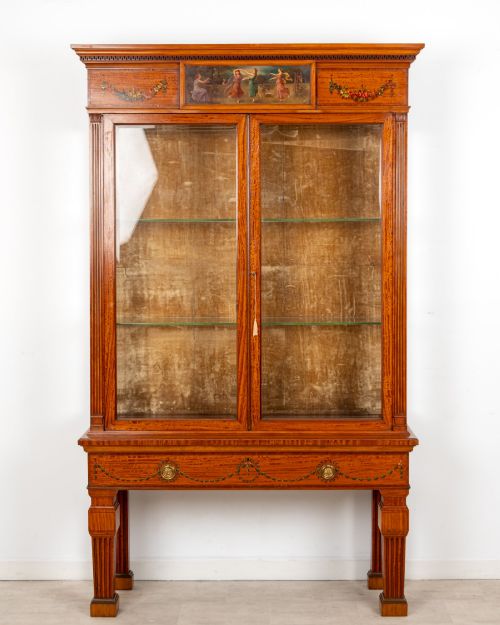
When you search for an antique glass door, you encounter glazed cabinetry spanning the 18th, 19th and early 20th centuries, including Victorian pier cabinets, Edwardian display cases and Regency bookcases. These items originate primarily as domestic furniture designed to house books, china and treasured collections behind transparent panels.
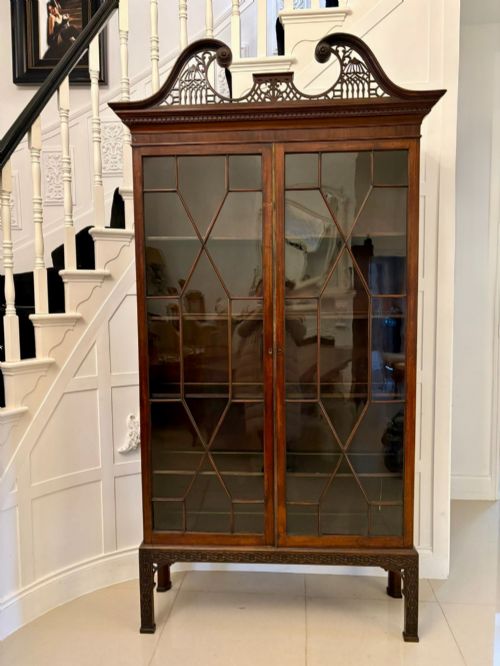
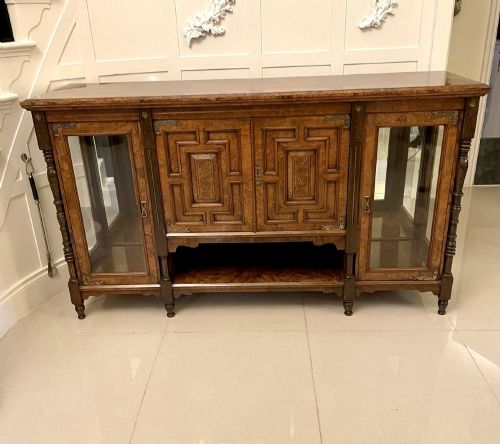
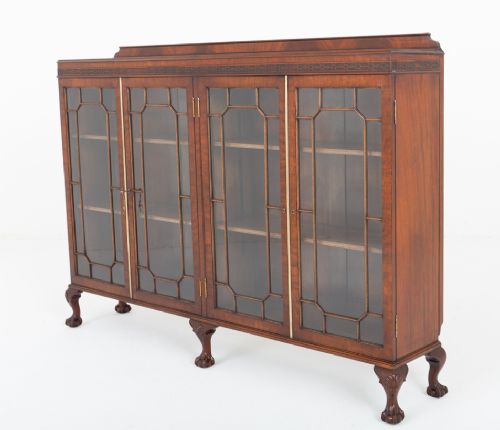
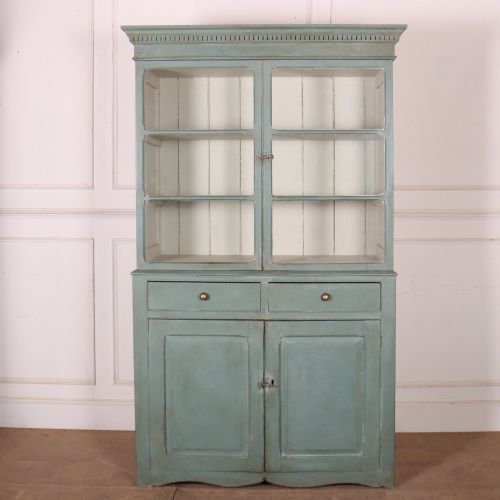
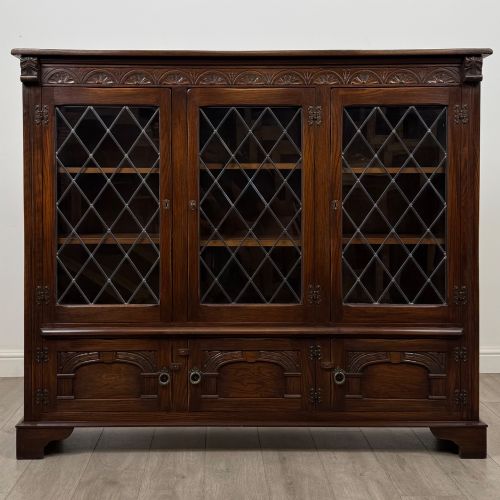
The most common formats on this page are mahogany and walnut bookcases, oak side cabinets, and stripped pine cupboards featuring single or double glazed doors. Architectural elements such as internal doors and wall-mounted display units also appear alongside specialised sectional barrister bookcases.
Materials and Construction
Cabinet makers utilised dense hardwoods such as mahogany, burr walnut, kingwood and oak for the primary carcases, often applying elaborate marquetry, satinwood inlay or ormolu mounts to the exterior surfaces. Pine and brass appear frequently in internal shelving, structural backing and decorative hardware.
Glazing techniques range from plain glass panes held in wooden glazing bars to bevelled glass and leaded panels set into hinged doors. Construction methods rely heavily on traditional joinery, dovetail drawers and secure brass locking mechanisms fitted to the door frames.
Several items double as jewellery boxes equipped with tiny bevelled glass doors.
Judging the Workmanship
The distinction between ordinary utility furniture and high-end pieces rests on the choice of timber figure, such as highly figured mahogany or burr walnut veneers, matched against refined brass mounts and intricate floral marquetry. Superior examples display precise joinery and balanced proportions rather than plain, unadorned carcases.
The integrity of the glass panels and the precision of the door fit also indicate grade, with original bevelled or leaded panes commanding greater respect than later replacements. Finer cabinets exhibit delicate glazing bars and careful attention to interior fittings like adjustable shelving.
Hampton & Sons·Edwards & Roberts·H. J. Hatfield & Sons
The Antique Glass Door Glossary
- Pier Cabinet
- A low cabinet designed to fit against the wall space between windows. These pieces often feature single glass doors and delicate marquetry.
- Vitrine
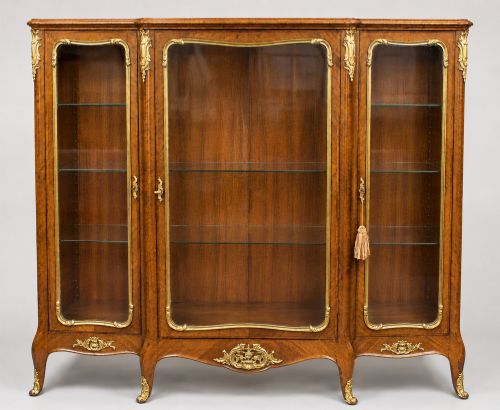
- A glass-fronted display cabinet used for showing porcelain and small curiosities. The term typically denotes finer French or English drawing-room pieces.
- Barrister Bookcase
- A stacking bookcase with glass doors that lift and slide upward into the recess above each shelf. This sectional design gained popularity in the early 20th century.
- Marquetry
- Decorative veneer patterns formed by fitting together small pieces of wood, ivory or metal. Cabinet makers applied these designs to door panels and friezes.
- Ormolu
- Gilded bronze mounts applied to furniture for decorative effect. Makers used these brass-alloy ornaments extensively on high-status 19th-century cabinets.
Antique Glass Door: Frequently Asked Questions
Are leaded glass doors original?
Many leaded glass doors on oak bookcases and pine cupboards date from the Edwardian period or late 19th century. Inspecting the lead cames and glass texture reveals whether the panels match the age of the frame.
Replacement glass often lacks the subtle imperfections and waviness found in period panes.
Where should I place a glass cabinet?
Glass cabinets require stable indoor environments away from direct sunlight and dampness to protect aged wood and delicate veneers. Placing them against interior walls prevents the timber from warping due to sudden temperature shifts.
Ensure the floor is level so the doors swing freely and latch correctly into the brass fittings.
How do I clean antique glass and wood?
Dust timber surfaces regularly with a soft, dry cloth and nourish the wood periodically with appropriate natural wax rather than modern silicone polishes. Avoid harsh chemical cleaners on finished mahogany and walnut.
Clean the glass panes carefully with a mild solution applied to a cloth first to prevent moisture from seeping into the wooden glazing bars.