

Antique Glazed Display Unit
An antique glazed display unit holds books and ceramics securely behind glass while bringing warmth to a room.

Antique Glazed Display Unit
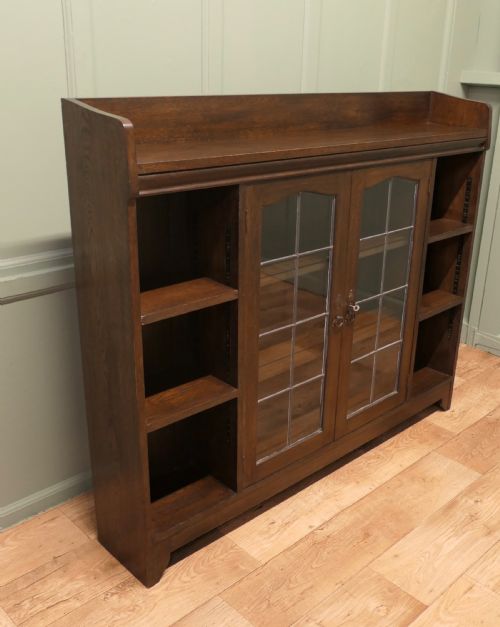
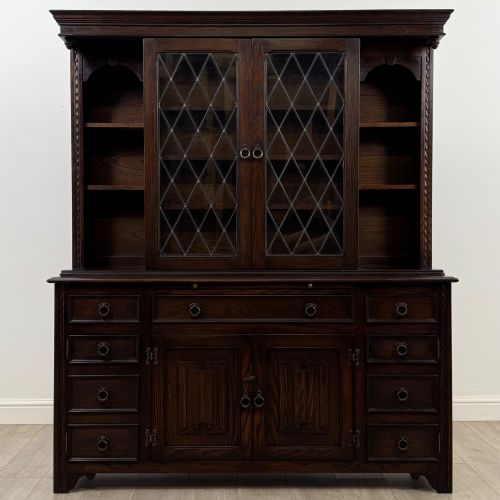
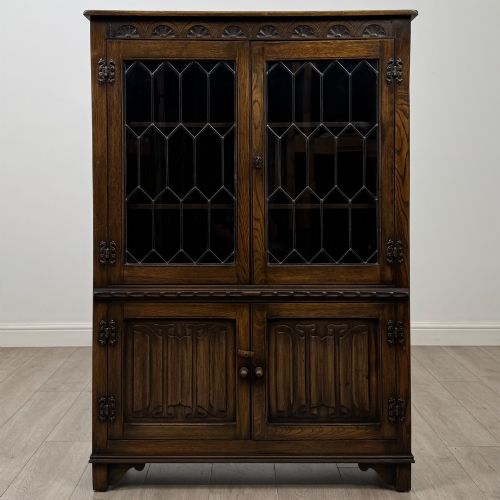
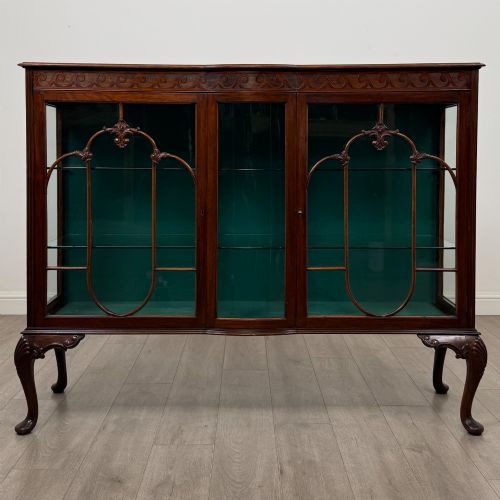
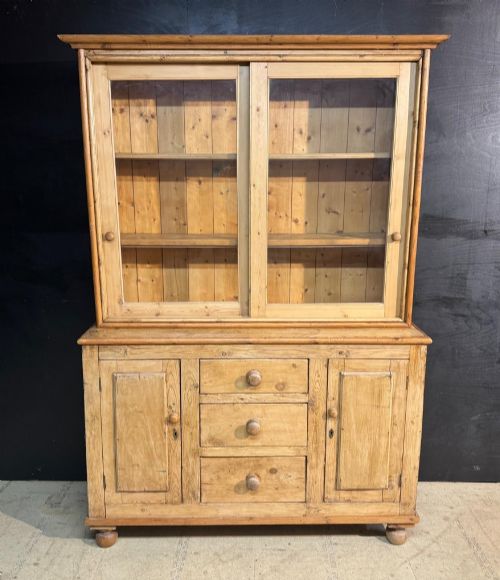
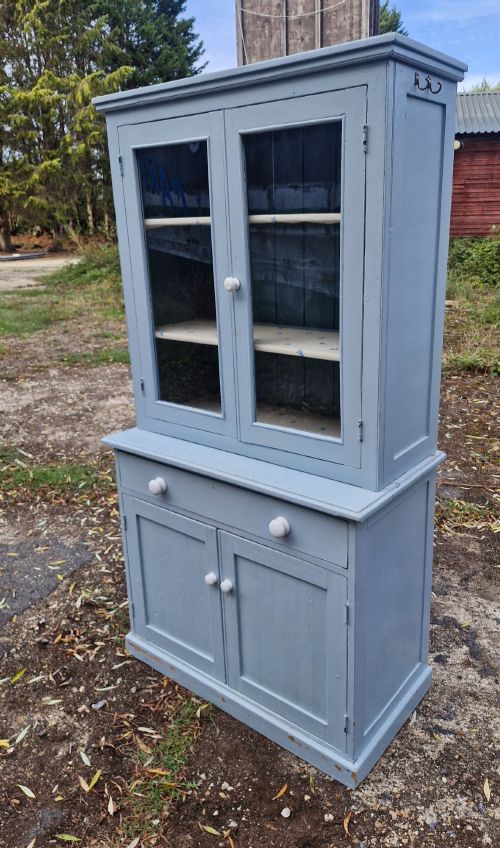
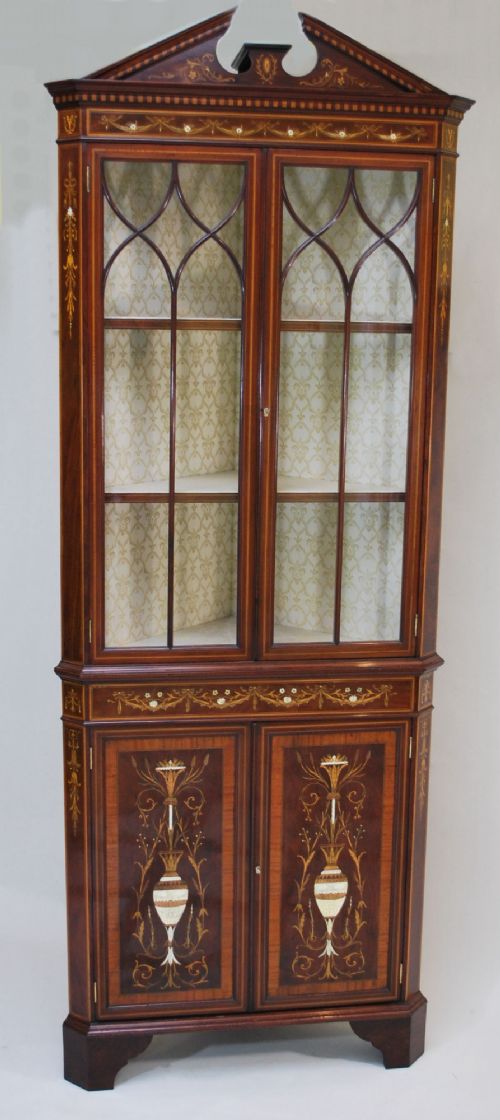
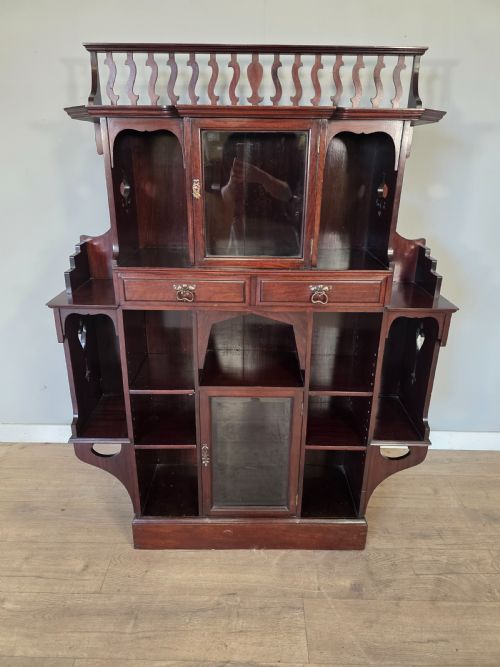
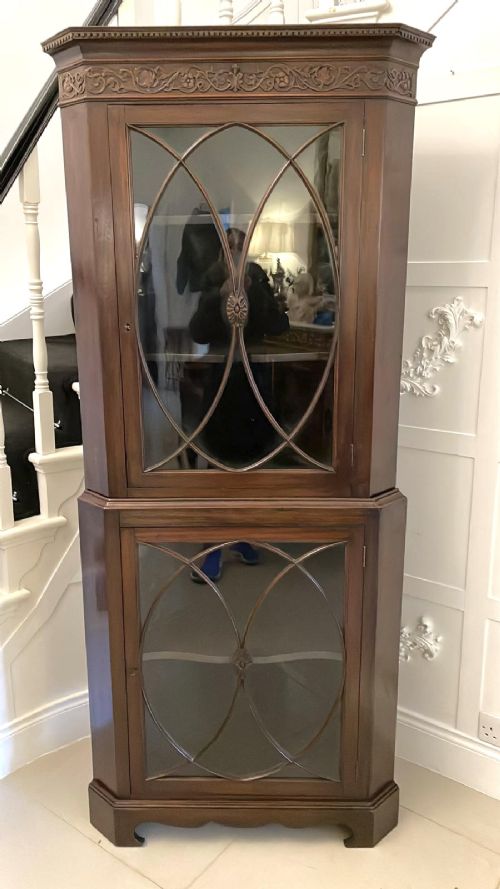
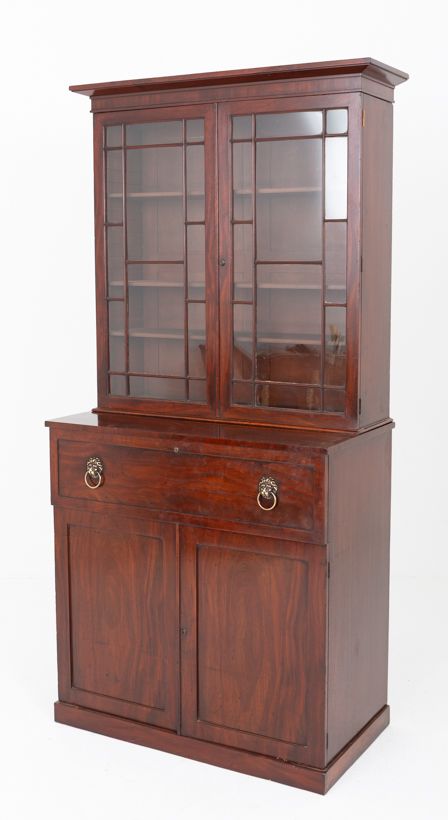
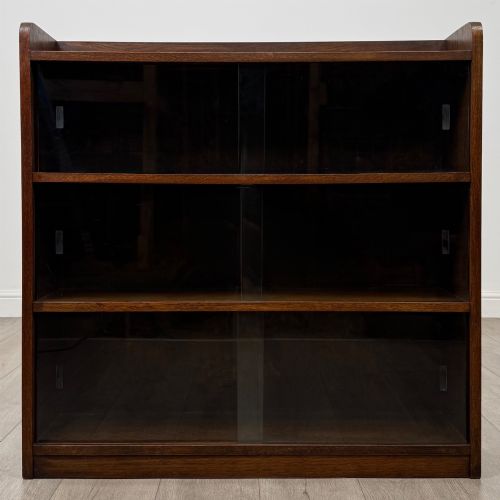
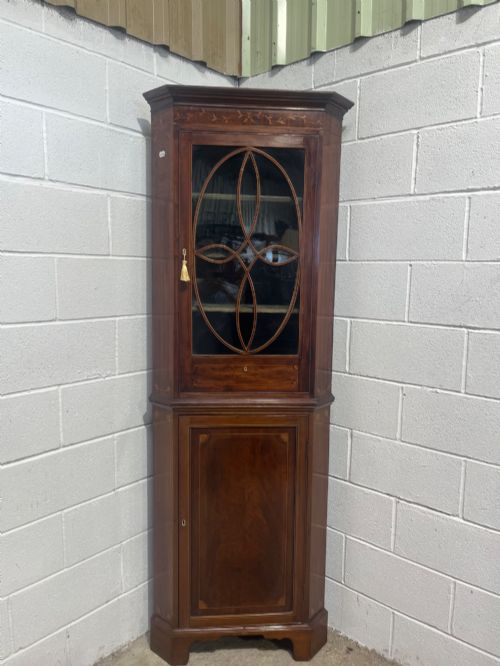
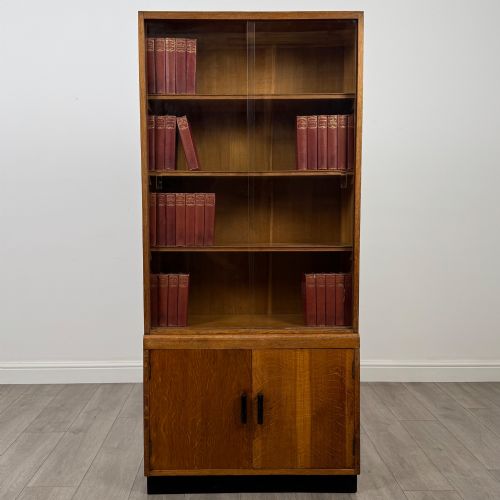
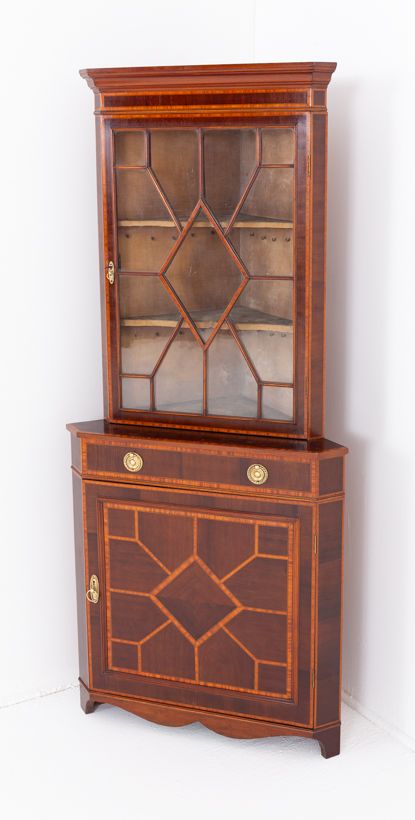
When you search for an antique glazed display unit, you encounter a selection spanning the eighteenth, nineteenth, and early twentieth centuries. These pieces take various forms, including corner cabinets, floor-standing display cabinets, bookcases, and haberdashery units designed to showcase contents through glass doors.
Edwardian mahogany pieces and earlier oak examples dominate the selection. Many feature glazed doors paired with wooden framing, while others utilise two-part forms or wall-hanging designs to suit different interior spaces.
Materials and construction methods
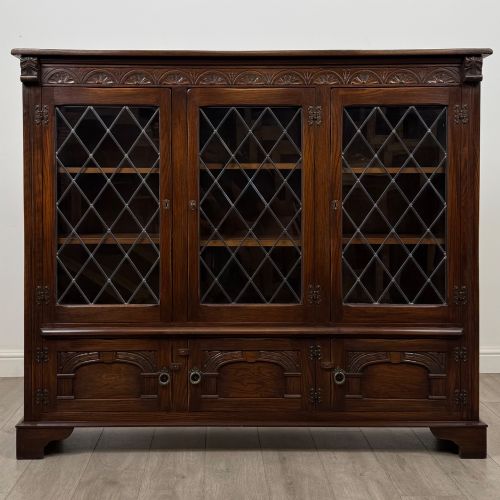
Cabinet makers relied primarily on timbers such as mahogany, oak, walnut, and pine, often incorporating satinwood inlay and brass hardware for decorative contrast. Glass panes were fitted into doors using astragal bars or lead cames to create stable viewing panels.
Construction techniques involved traditional joinery, with two-part forms allowing easier transport of large corner cupboards and bookcases. Surfaces were finished with wax or polish to protect the timber while highlighting natural grain patterns.
Listings feature pieces spanning the eighteenth to the twentieth centuries, utilising mahogany, oak, walnut, pine, and satinwood inlay.
Assessing construction and design standards
Quality shows in the precision of the timber joinery and the selection of figured veneers such as burr walnut. Finer pieces display careful attention to inlay work, balanced proportions, and original glass panes within the doors.
The sophistication of the carved detailing and the integrity of the structural frame distinguish standard production items from workshop pieces created during periods like the Edwardian revival or the Arts and Crafts movement.
Epstein·Goodhall, Lamb and Heighway of Manchester
The Antique Glazed Display Unit Glossary
- Astragal glazed
- Glass doors divided into smaller panes by thin wooden mouldings called glazing bars. This technique originated to support larger window and door openings before large sheet glass became common.
- Secretaire bookcase
- A tall storage unit incorporating a pull-down writing drawer with fitted small compartments above or below shelving. It combines a writing desk with enclosed bookcase storage.
- Jacobean Revival
- A nineteenth-century style imitating seventeenth-century furniture design through heavy proportions, geometric panel moulding, and carved oak. It reflects a Victorian taste for historical domestic aesthetics.
- Haberdashery cabinet
- A shop display unit with multiple glass-fronted or glazed drawers designed for organising small goods. Collectors prize them for practical storage in domestic settings.
- Marquetry
- Decorative woodwork where different coloured veneers are fitted into a background design to form pictorial or geometric patterns. It appears frequently on high-status Victorian cabinets.
Antique Glazed Display Unit: Frequently Asked Questions
What is an antique glazed display unit?
An antique glazed display unit is a piece of wooden furniture fitted with glass doors to show ceramics, books, or collections while protecting them from dust.
These cabinets range from compact wall-hanging corner cupboards to large floor-standing bookcases produced across the eighteenth, nineteenth, and early twentieth centuries.
How do I date an antique cabinet?
Dating relies on identifying the primary timber, construction methods, and stylistic revival influences such as Sheraton or Jacobean details.
Hardware types, glass manufacture irregularities, and overall joinery techniques also provide clear indicators of whether a piece dates to the Georgian, Victorian, or Edwardian eras.
Where should I place a corner cabinet?
Corner cabinets fit neatly into unused room angles, making them practical for smaller spaces where a standard rectangular bookcase would obstruct movement.
Floor-standing and wall-hanging variants allow you to utilise awkward corners while creating a focal point for displayed objects.
Can I paint an antique pine cabinet?
Some Victorian and Edwardian pine storage cabinets are specifically suited to being waxed or painted to match modern interior colour schemes.
Choosing whether to paint depends on the finish currently on the timber and whether the piece retains historic polish or decorative paintwork.