

Antique Glazed Dish
An antique glazed dish brings centuries of earthenware, porcelain and tin glaze to the table, offering tangible history for daily use.
Antique Glazed Dish
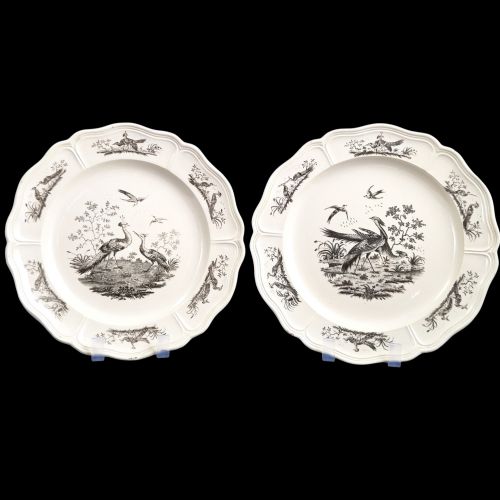
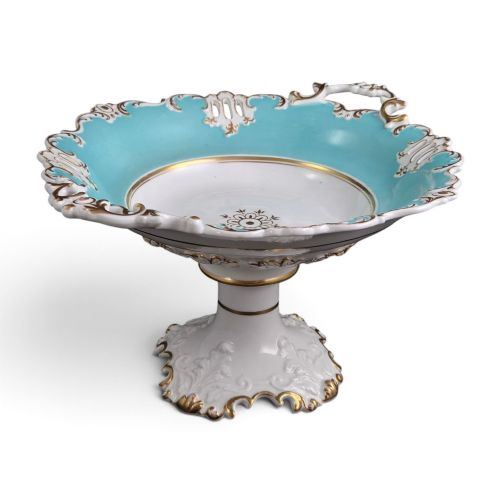
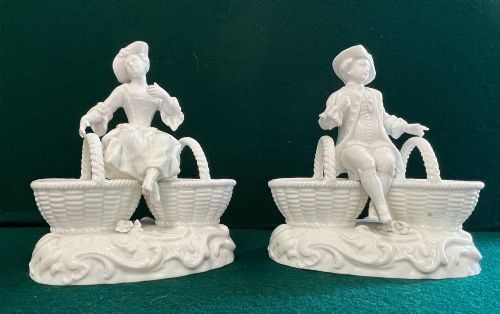
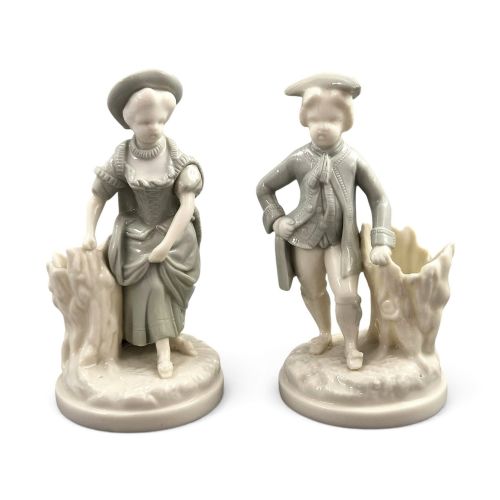
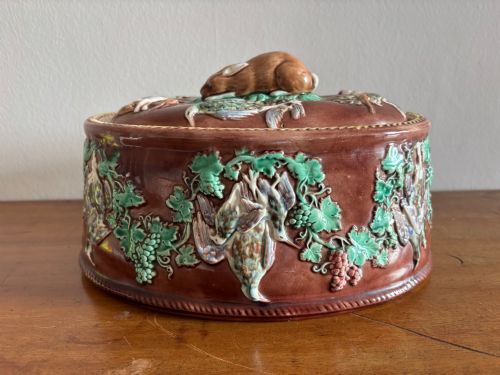
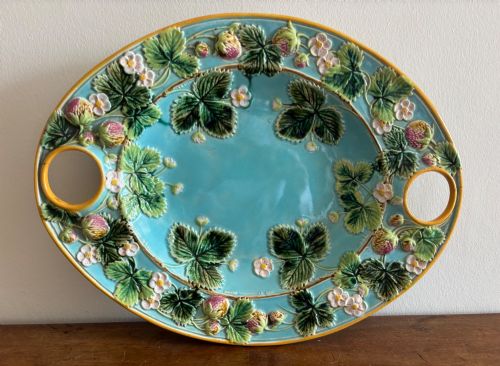
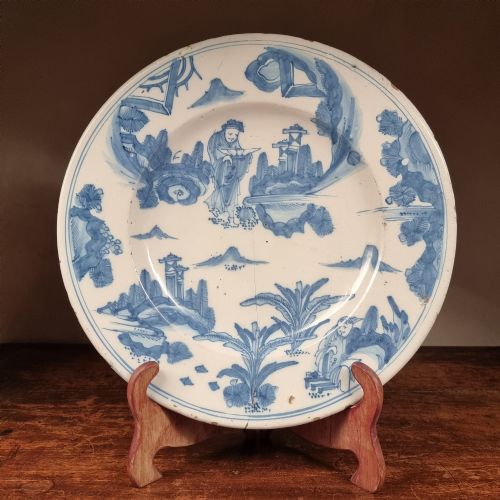
An antique glazed dish spans centuries of ceramic history, from seventeenth-century tin-glazed chargers to Victorian majolica serving vessels. Buyers meet earthenware plates, deep chargers, footed bowls and cheese dishes originating from English, French, Dutch and Chinese kilns.
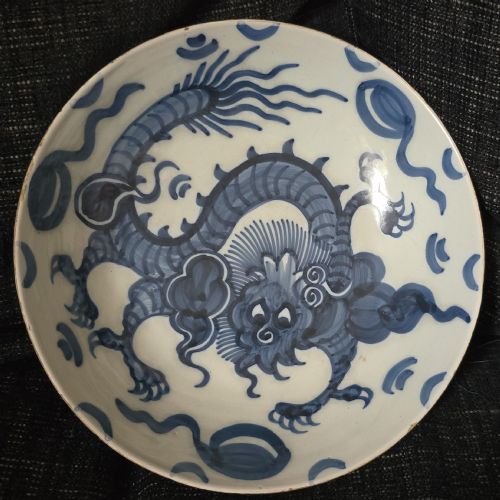
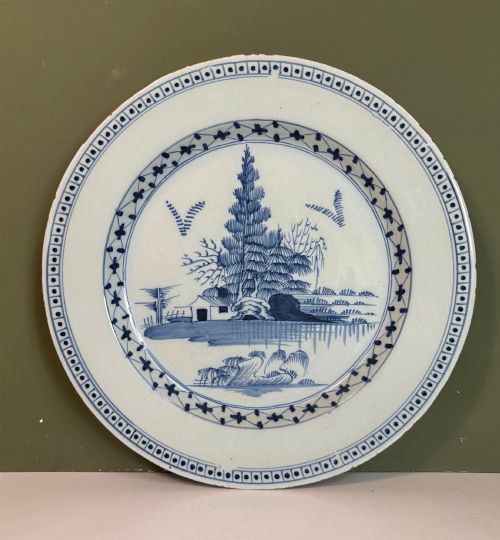
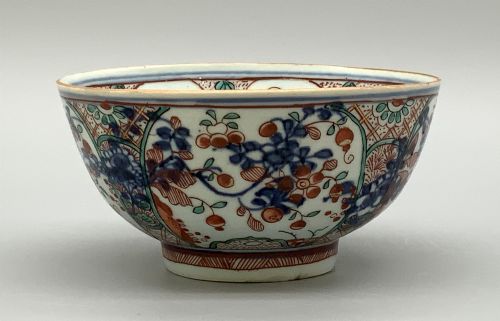
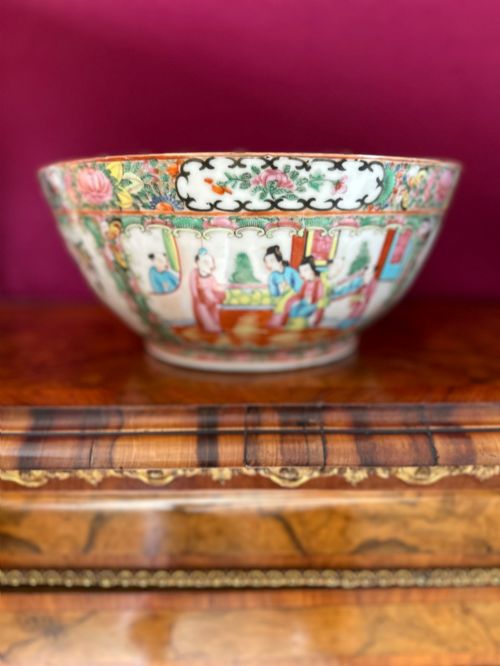
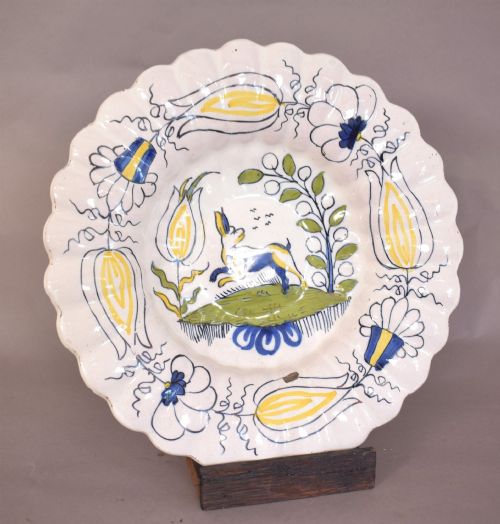
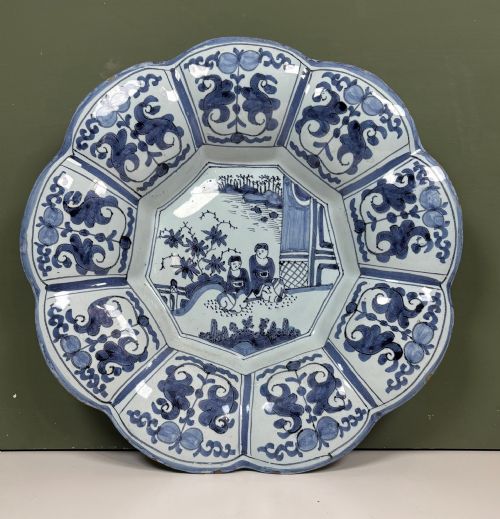
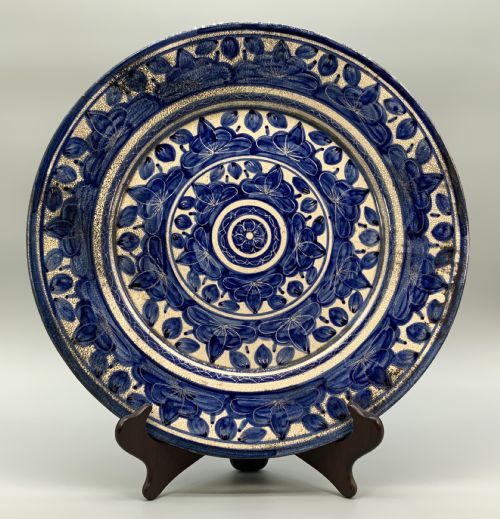
The selection ranges from large decorative Delftware chargers painted in blue and white to intricate porcelain bowls and polychrome earthenware platters. These pieces served practical dining roles or decorated grand interiors across the seventeenth, eighteenth and nineteenth centuries.
Materials and Technique
Potters shaped local clays, creamware or porcelain bodies on the wheel or pressed them into moulds before applying tin glaze, enamel or salt glaze. Cobalt pigment and polychrome paints provided hand-painted floral, Chinoiserie or figurative decoration directly onto the unfired surface.
High-temperature kiln firing fused the liquid glaze to the clay body, creating a glassy, impermeable coating. Tin-glazed earthenware and majolica required skilled brushwork to control flowing pigments before the final glaze vitrified.
Listings include tin-glazed earthenware, porcelain and creamware across the seventeenth, eighteenth and nineteenth centuries.
Assessing Quality
Quality rests upon the precision of the hand-painted brushwork and the clarity of the glaze. Master painters achieved sharp, confident lines in cobalt or polychrome enamels, while lesser examples show blurred pigments and pooled glaze.
The crispness of moulded relief work, such as Victorian majolica leaves or rococo scrolls, defines the upper tier of production. Finer bodies exhibit thinner walls, controlled kiln stilt marks and well-balanced forms without heavy warping from excessive heat.
George Jones·Royal Worcester·Coalport·Minton·Chamberlains Worcester
The Antique Glazed Dish Glossary
- Charger
- A large decorative plate or platter intended for display on a sideboard or table. These substantial dishes often feature pictorial tin-glazed or majolica scenes.
- Tin Glaze
- An opaque white ceramic glaze containing tin oxide, used as a smooth background for painted decoration. It defines traditional Delftware and faience.
- Majolica
- A type of colourful, lead-glazed earthenware popular during the Victorian era. It is known for naturalistic moulded forms and vibrant coloured enamels.
- Polychrome
- Decoration employing multiple distinct colours painted onto the ceramic surface. English and Dutch plates frequently combined blue, yellow, green and manganese pigments.
- Creamware
- A refined, light-coloured earthenware developed in eighteenth-century England. Its pale yellow-buff body receives a transparent lead glaze.
Antique Glazed Dish: Frequently Asked Questions
How were antique glazed dishes used?
These vessels served various dining and display functions in historic homes, ranging from communal dining platters to decorative wall chargers.
Deep dishes held cheese, game pies or fruit, while flat chargers adorned sideboards or tables during formal meals.
Can I use my dish for food?
Many sturdy earthenware and porcelain pieces remain physically suitable for serving dry foods or fruit.
Consider the porous nature of older exposed clays and historical lead or tin glazes before serving acidic items.
How can I tell the period?
Dating relies on examining the clay body, glaze characteristics, painting styles and any factory marks on the reverse.
Tin-glazed earthenwares often point to the seventeenth or eighteenth centuries, while brightly coloured relief-moulded pieces typically indicate the Victorian era.