




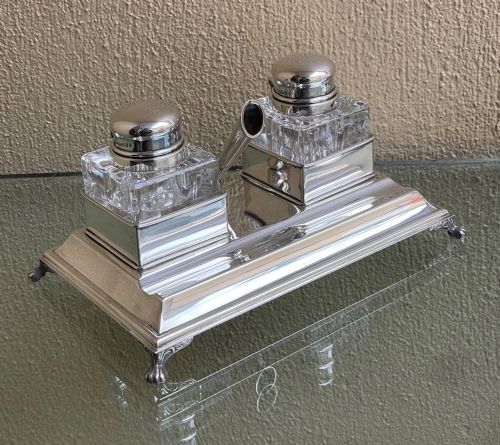
Antique Glasses Holder
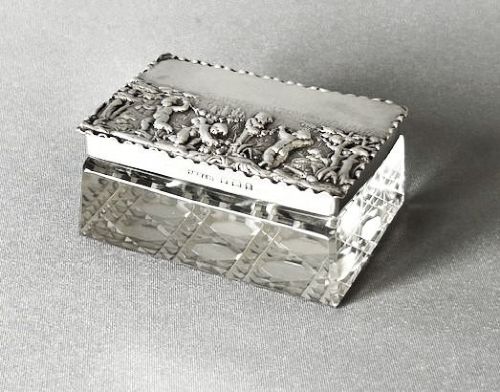
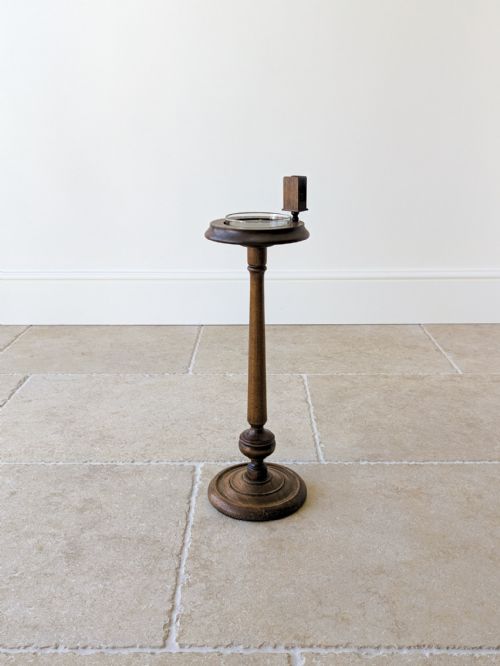
These antique glasses holder pieces range from scent bottles to match strikers, offering practical utility combined with period charm for the home.
Antique Glasses Holder
An antique glasses holder brings together domestic metalwork and glassware from eras spanning the eighteenth century through the twentieth century. These objects include chatelaine scent bottles, toothpick holders, and desktop receptacles designed to contain delicate items.
The versions most commonly met on this page originate in the Victorian and Edwardian periods, alongside pieces from the Art Deco and Art Nouveau movements. Makers utilised sterling silver, silver plate, and brass to frame glass liners, crystal, and opaline components.
Forms vary widely from utilitarian desk accessories to decorative table objects. Buyers encounter containers intended for specific personal items, reflecting the social habits and interior styles of nineteenth and early twentieth century households.
Materials and construction methods
Metalwork frames rely on techniques such as silver plating, casting in bronze or ormolu, and piercing sterling silver. Artisans shaped oak, satinwood, and mahogany for larger wooden frameworks, incorporating mounts to secure the glass elements.
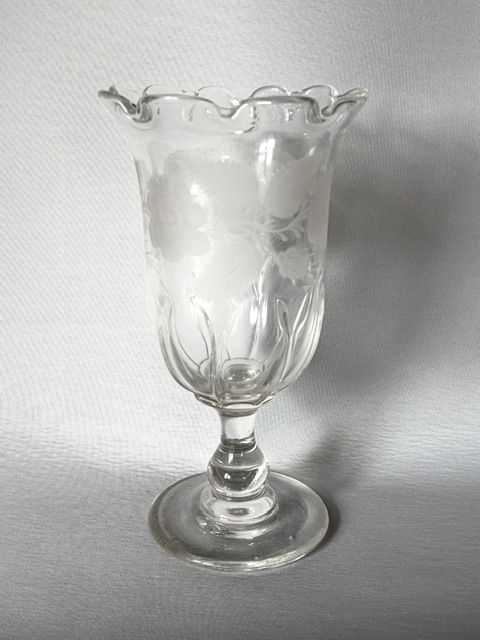
Glass components involve cut glass, crystal, opaline glass, and vaseline glass, often shaped through blowing, pressing, or hand-cutting. Molten or cooled glass was matched precisely to metal collars, holders, and bases created by period silversmiths and founders.
Antique Glasses Holder Retail Price Guide 2026
Typical asking prices for glasses holder among the pieces listed under this phrase on Sellingantiques today, from the lower quarter to the upper quarter. They describe what is for sale here now, not the wider market.
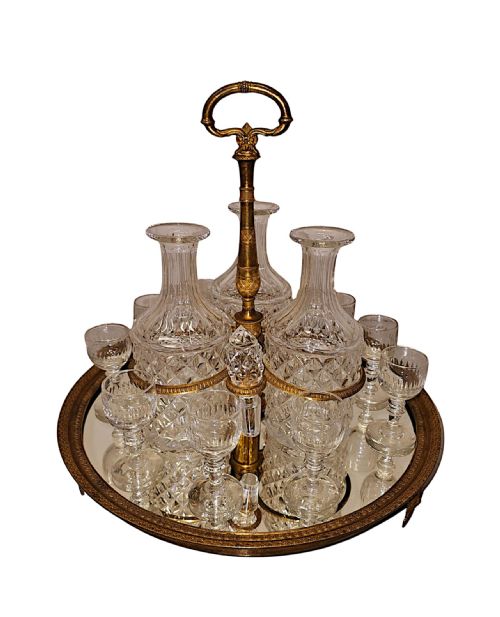
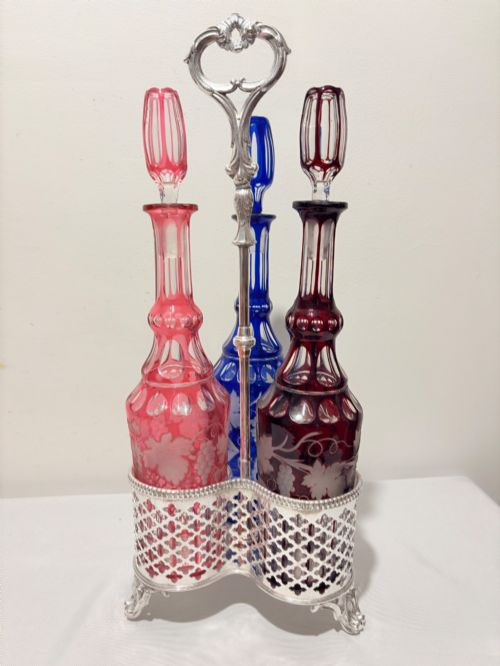
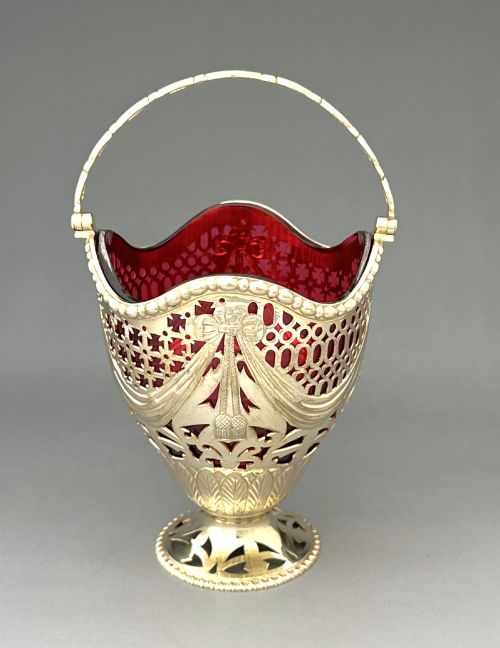
The inventory records diverse forms ranging from desktop match strikers and inkstands to chatelaine scent bottles and tabletop cruet sets.
Distinctions in quality
Quality rests upon the precision of the fit between the glass insert and the surrounding metal mount. Superior pieces show exact alignment where sterling silver or ormolu meets hand-cut crystal or coloured glass.
The crispness of cast ornamentation and the depth of hand-cut facets on the glass distinguish finer examples from standard production. Weight, balance, and the integrity of original silver plating or gilding indicate the level of craftsmanship invested in the object.
Moser·Walker & Hall·Rene Lalique·Crisford & Norris
The Antique Glasses Holder Glossary
- Opaline glass
- An opaque or translucent glass ranging in colour from white to pink, popular in nineteenth-century decorative objects. It provides a smooth surface that often accepts painted or gilded decoration.
- Ormolu
- Gilded bronze used extensively for decorative mounts on nineteenth-century French and English furnishings. The technique involves applying a mercury and gold amalgam to bronze before heating.
- Tantalus
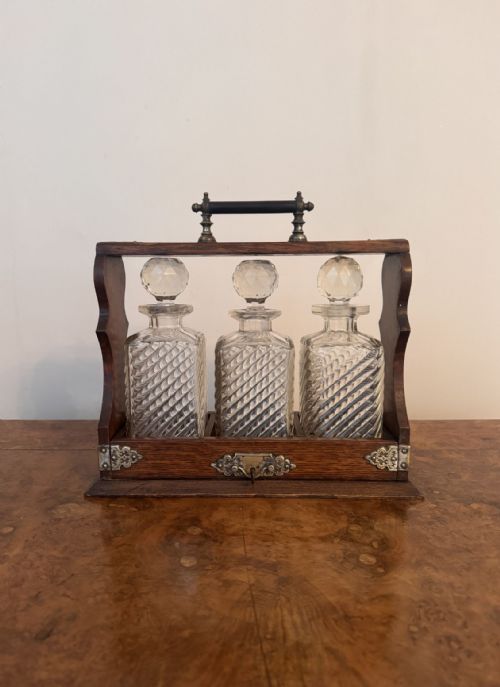
- A locking wooden or metal stand designed to hold decanters securely while displaying their contents. The frame prevents removal of the bottles without a key.
- Chatelaine
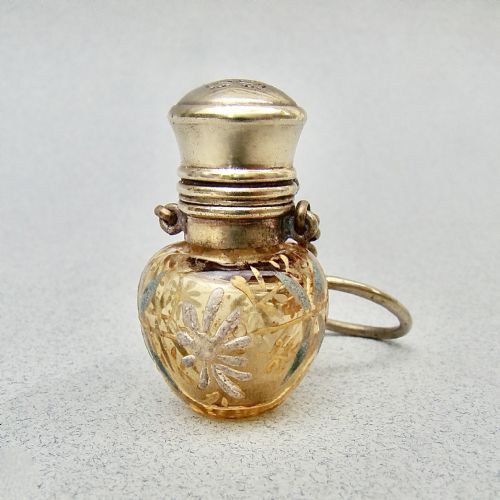
- A decorative belt hook worn with suspended utilitarian items such as scent bottles or keys. It served as a portable chatelaine accessory for daily household management.
- Vaseline glass
- A pale yellow or greenish-yellow glass containing uranium dioxide that glows under ultraviolet light. It appears frequently in Victorian decorative tablewares and novelty holders.
Antique Glasses Holder: Frequently Asked Questions
What periods do these holders date from?
The pieces span multiple eras, with strong representation from Victorian, Edwardian, and Art Deco periods. Individual items date from the eighteenth century up to the mid-twentieth century.
Craftsmanship shifted across these decades from Georgian tortoiseshell work to mass-produced silver plate and modernist geometric designs in the nineteen-thirties.
How were glass and metal combined?
Metal frames, collars, and stands were manufactured separately from the glass liners, bottles, or cups they encase. Silversmiths and bronze founders measured mounts to fit blown or cut glass components.
Many designs use hinged closures or locking mechanisms to secure fragile glass inserts firmly within silver-plated or wooden frameworks during use.
Are these items suitable for modern use?
Many objects remain functional for holding small desktop items, toothpicks, or matches in a contemporary interior. Their original domestic purpose translates well to modern display and organisation.
Care must be taken with delicate materials like opaline glass, cut crystal, and antique silver plating during cleaning to preserve their historic surfaces.
How do I identify Edwardian examples?
Edwardian pieces often feature lighter frames, elegant silver plate, and refined pierced work reflecting early twentieth-century interior tastes. Stylistic cues draw on Georgian revival motifs alongside cleaner Edwardian lines.
Maker marks and silver hallmarks stamped on the metal mounts provide definitive dates and workshop attributions for these items.