

Antique Glass Wine Rummers
These antique glass wine rummers are sturdy vessels for hearty toasts, spanning Georgian curves to Victorian cut crystal.
Antique Glass Wine Rummers
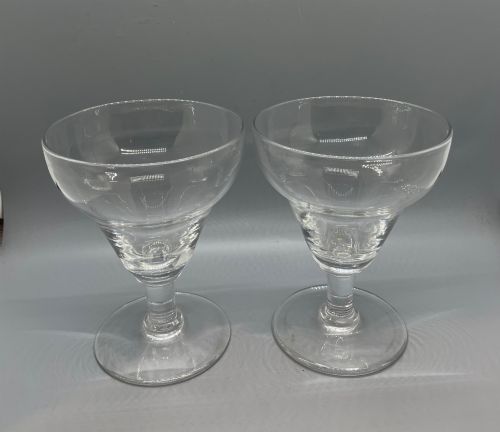
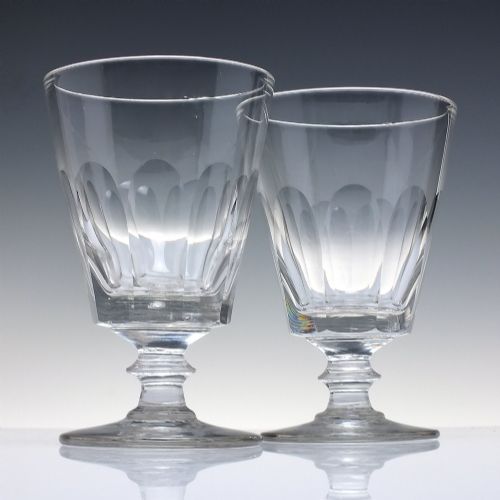
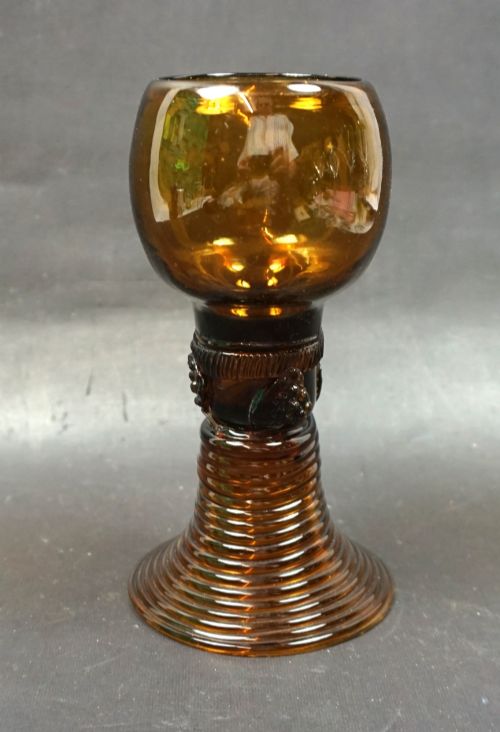
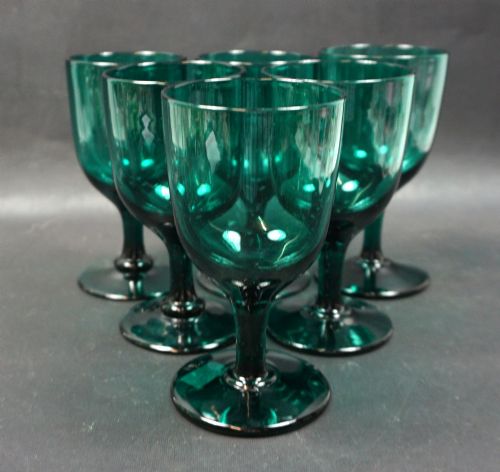
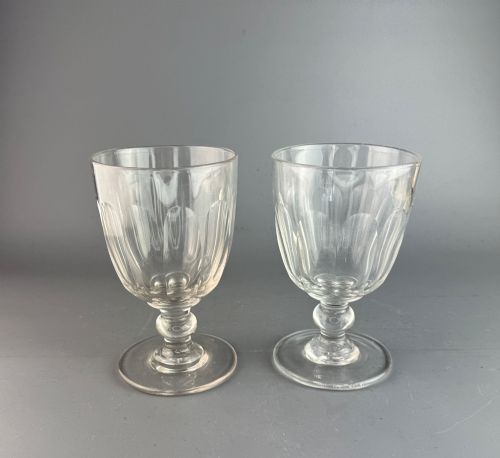
When searching for antique glass wine rummers, you are looking at substantial drinking vessels designed for heavy toast-drinking, ale, and wine during the eighteenth and nineteenth centuries. The pieces on this page lean heavily towards Georgian and Victorian periods, alongside continental roemers.
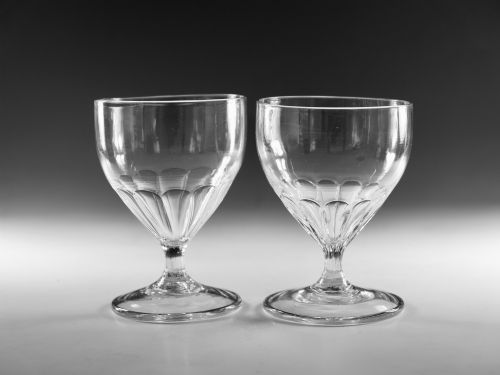
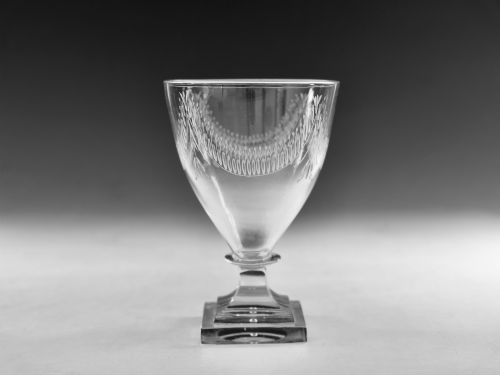
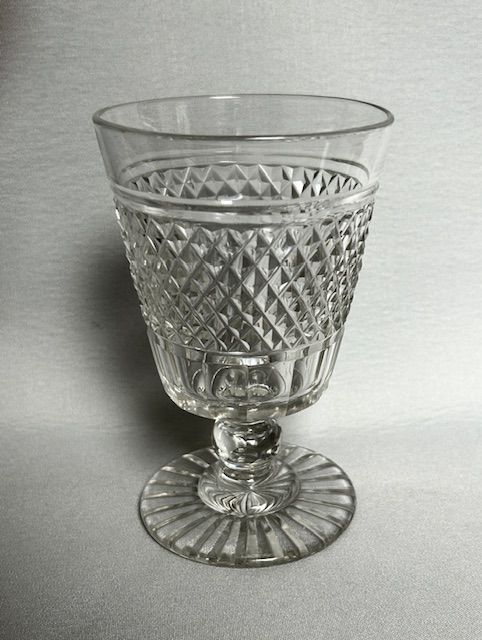
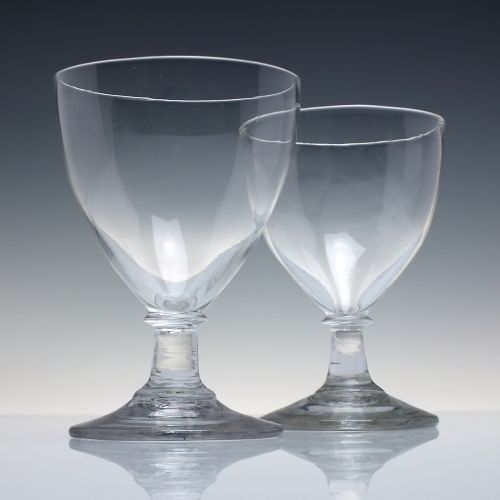
Forms vary from large ovoid bowls and pan tops to square lemon squeezer bases and heavy lead crystal goblets. You will frequently encounter English rummers alongside German, Bohemian, and French examples.
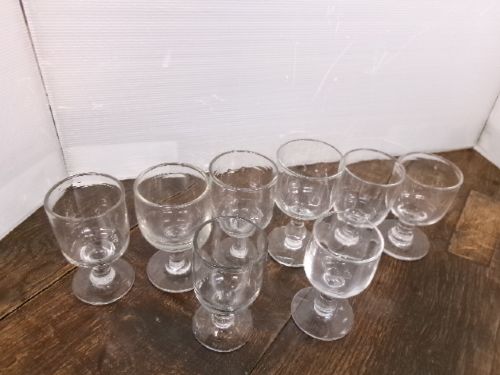
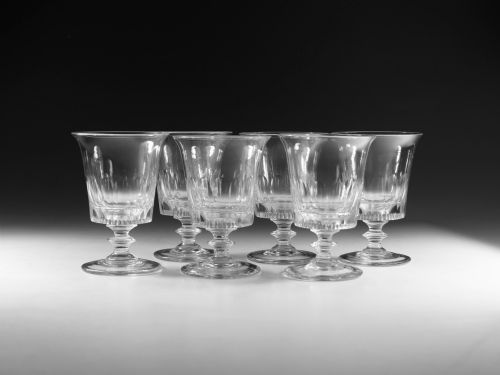
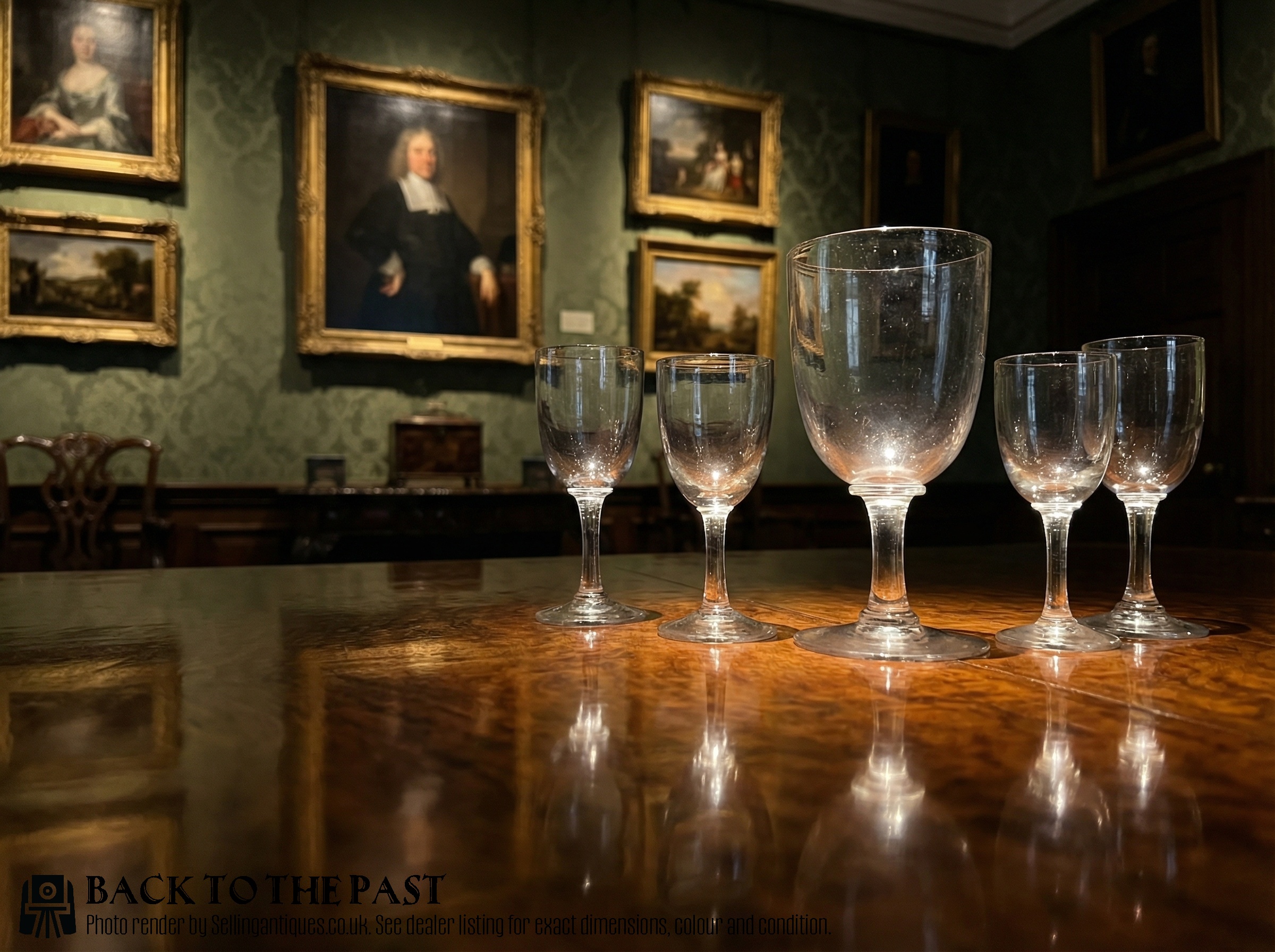
Pairs, sets of six, and single tavern glasses appear across the selection, reflecting domestic dining tables and social gatherings of the past. Their generous capacities set them apart from standard wine glasses of the era.
Materials and construction
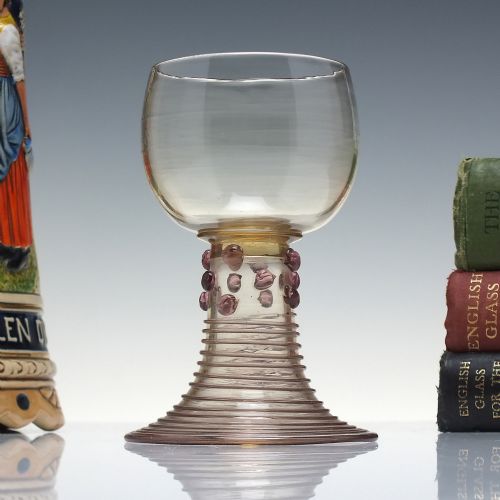
These vessels are fashioned from hand-blown glass, lead glass, and lead crystal, which give them weight and clarity. Coloured variations such as green, amber, turquoise, and amethyst appear through the addition of metallic oxides during melting.
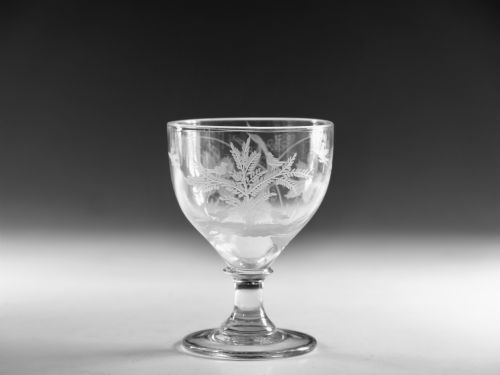
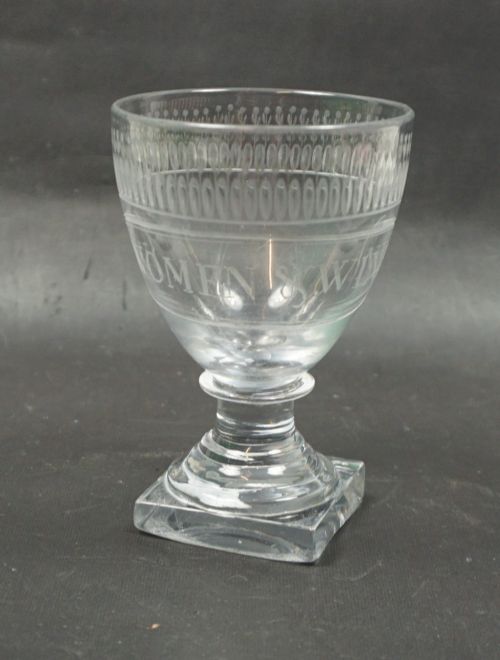
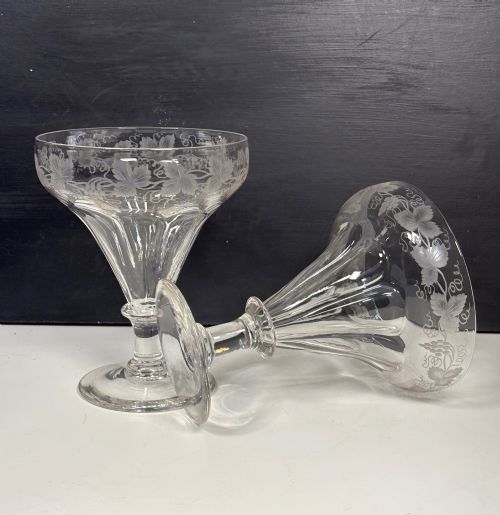
Techniques include hobnail cutting, wheel engraving, enamelling, and gilding to decorate the bowls and stems. Bases range from plain feet to square lemon squeezer profiles and coiled stems.
Keep an eye out for the small rummer engraved with the bold declaration 'Women & Wine' from around seventeen eighty.
Assessing quality in rummers
Quality rests upon the purity of the metal, the crispness of the cutting, and the depth of any wheel engraving. Heavy lead crystal examples with sharp, clean facets stand apart from simpler tavern glass.
Proportion and stability define the better pieces, where thick bases and balanced stems support substantial bowls without excessive distortion in the glass.
Frits Hechert
The Antique Glass Wine Rummers Glossary
- Rummer
- A large, heavy drinking glass used for wine and ale during the eighteenth and nineteenth centuries. They often feature bucket or ovoid bowls.
- Roemer
- A continental drinking vessel, usually of green or amber glass, featuring a hollow or studded stem. They trace their origins to German Baroque traditions.
- Lemon squeezer base
- A square, pressed glass foot shaped with steep facets resembling a kitchen juicer. Common on Georgian and Regency table glass.
- Hobnail cut
- A raised, faceted pattern cut into the surface of the glass resembling the head of a hobnail. It creates a tactile, light-catching texture.
- Ogee
- An 'S'-shaped profile curving concave at the top and convex at the base. This bowl form appears frequently on Georgian drinking vessels.
Antique Glass Wine Rummers: Frequently Asked Questions
What is a rummer used for?
These generous vessels served hearty pours of wine, punch, or ale at dinner tables and taverns. Their sturdy build suited robust toasts rather than delicate sipping.
Over time, their roles shifted from everyday tavern use to prized cabinet pieces on modern dining tables.
How do I date a glass rummer?
Dating relies on bowl shapes, foot styles, and manufacturing techniques recorded in the piece. Georgian examples often feature thick lead glass and simple ogee or pan top bowls.
Later Victorian items introduce heavier machine-pressed elements, deeper facet cutting, and broader stylistic influences from continental workshops.
Are these glasses safe to use?
Many collectors use eighteenth and nineteenth-century glassware for occasional dining, provided they receive careful hand washing. Sudden temperature changes can crack old hand-blown material.
Examining the rim and base for structural flaws ensures the vessel remains stable for holding liquids.
Why are some roemers coloured?
Colours like Bristol green, amber, and turquoise originated from historic glasshouse practices in England and continental Europe. Iron impurities in local sand or deliberate oxide additions created these rich hues.
Export glasshouses utilised these tones to mimic natural minerals and satisfy fashionable interior tastes.