
Antique Glass Wine Glasses
These antique glass wine glasses span the Georgian, Victorian and Edwardian eras, offering tactile weight, hand-blown character and period elegance to the table.
Antique Glass Wine Glasses
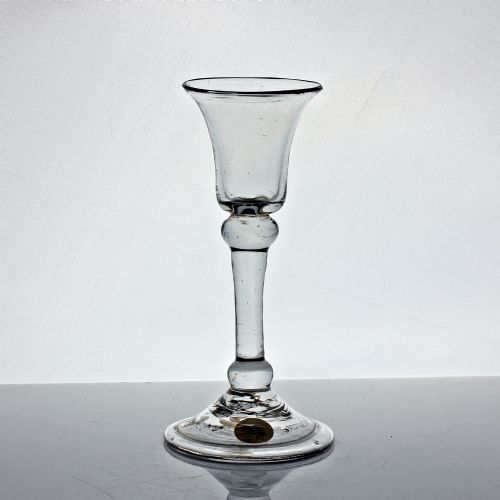
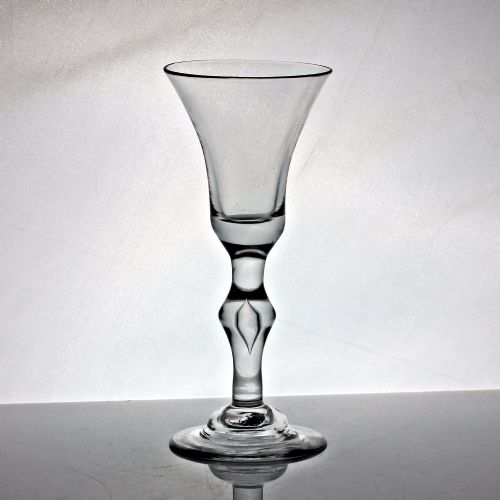
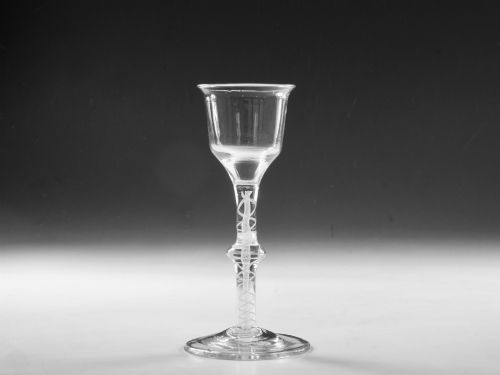
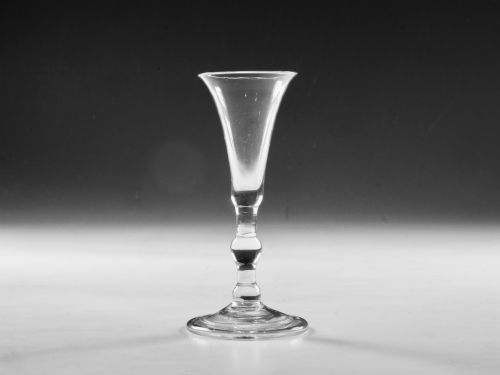
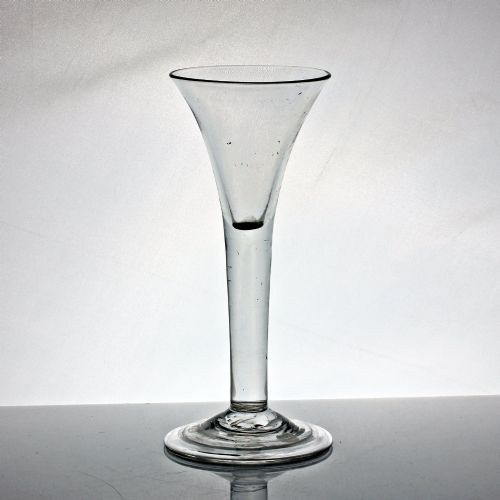
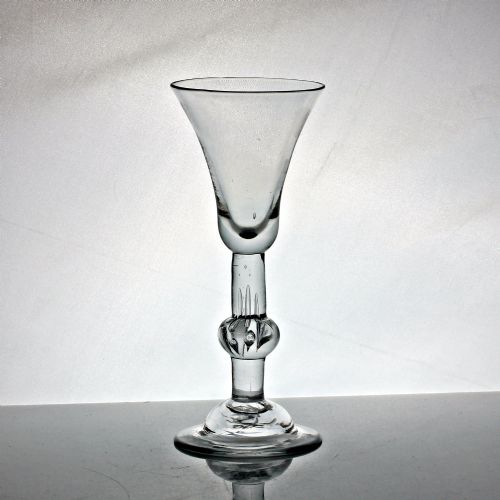
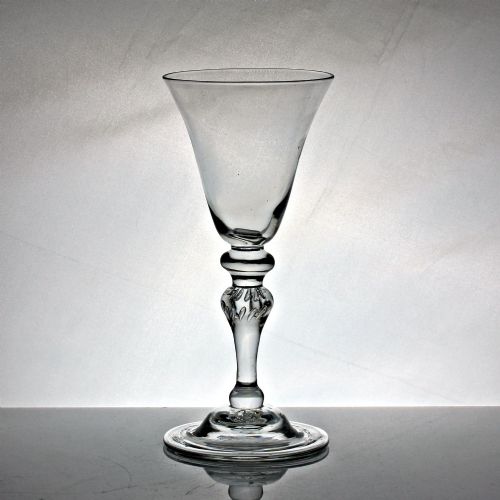
Antique glass wine glasses encompass drinking vessels from the eighteenth century onwards, including balustroid stems, faceted rummers and coloured hock glasses. Buyers exploring this category encounter tall eighteenth-century forms alongside nineteenth-century matched sets and heavy Victorian cut crystal.
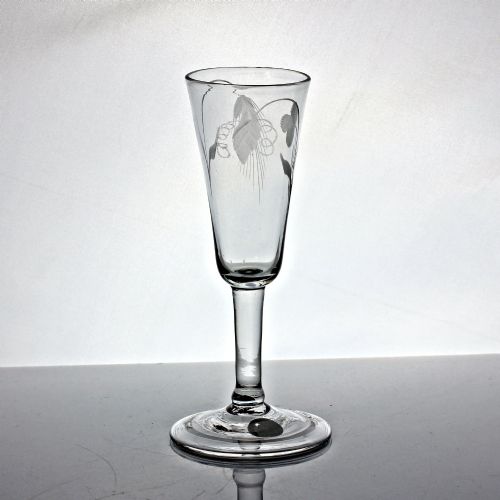
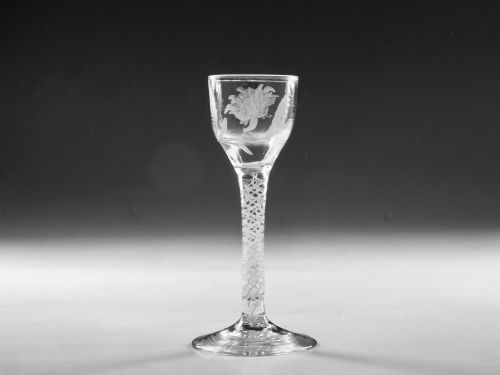
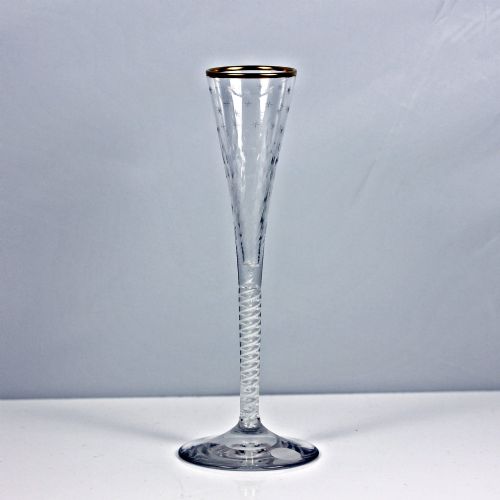
Vessels span trumpet bowls, engraved pan tops and hollow stems, reflecting changing tastes in social drinking across the Georgian, Victorian and Edwardian periods.
How They Were Made
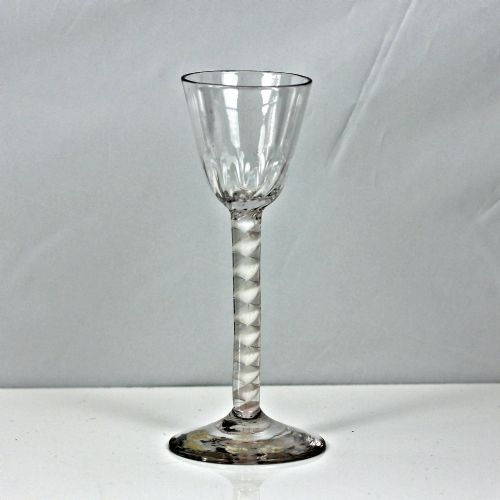
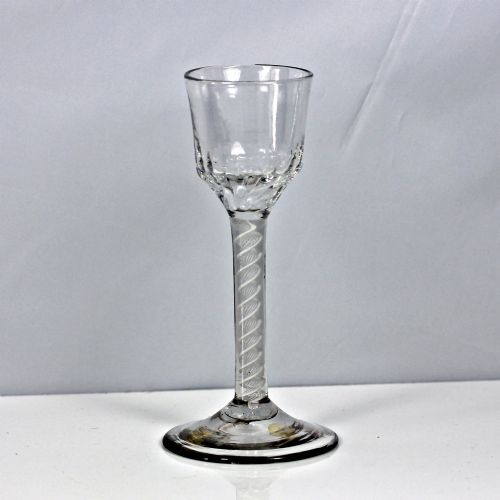
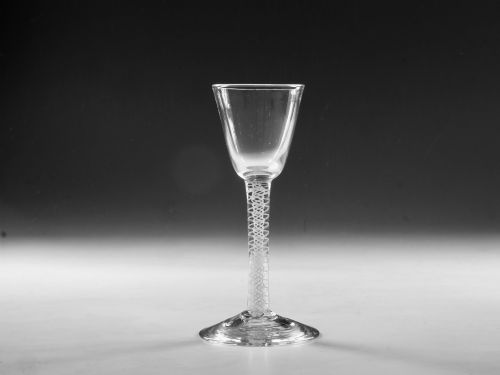
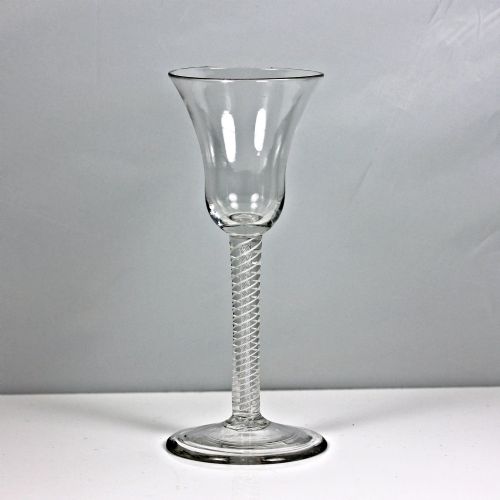
Craftsmen shaped these antique glass wine glasses through free-blowing or mould-blowing lead crystal and clear glass, frequently incorporating air bubbles, twists or folded feet into the stems. Molten metal received surface decoration via wheel-engraving, star-etching, gilding and enamelling.
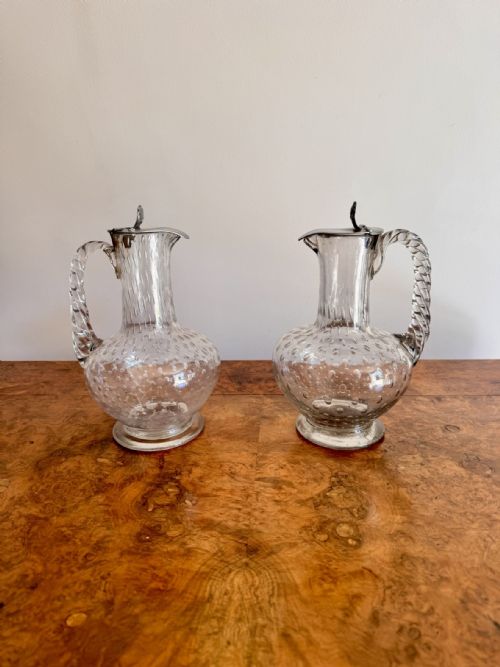
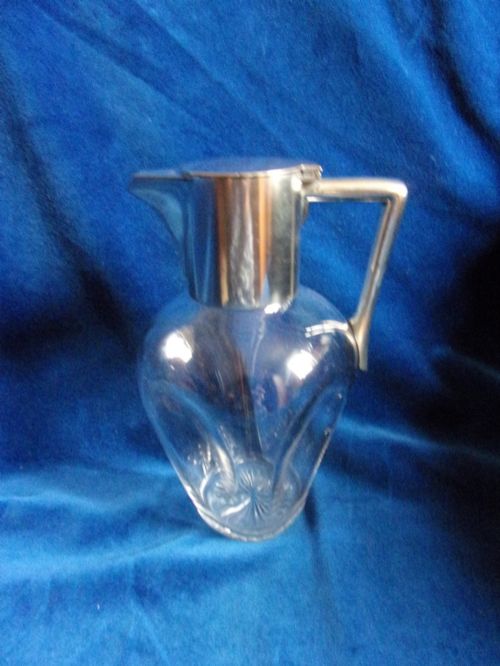
Nineteenth-century production often utilised layered coloured glass over crystal blanks, allowing makers to cut back the outer layer to reveal contrasting depths. Sterling silver and silver-plate mounts were frequently added to ewers and claret jugs by silversmiths.
The inventory records hollow stem champagne flutes, rummers and coloured roemer goblets.
What Varies in Quality
Excellence in these drinking vessels rests upon the clarity and weight of the metal, the precision of the facet cutting and the crispness of any wheel-engraving. Master work displays balanced proportions between bowl, stem and foot, with hand-polished surfaces free from distraction.
The distinction between standard utility items and high-end atelier production lies in the depth of wheel work, the purity of coloured overlays, and the integration of precious metal mounts by documented workshops.
Asprey and Co. Ltd·Moser·Tiffany and Co·Henry Matthews·Josephinenhutte
The Antique Glass Wine Glasses Glossary
- Rummer
- A capacious drinking glass popular during the Georgian and Victorian eras. These robust pieces frequently sat on square or circular feet for stability.
- Hock glass
- A tall vessel designed for German white wine, typically featuring a coloured bowl and a coiled or wound foot. They are frequently found in shades of green or amber.
- Pontil mark
- The rough scar left on the base of a hand-blown vessel where the iron rod was snapped off. Skilled makers ground and polished this area smooth.
- Overlaid glass
- A technique where a layer of coloured glass is fused over a clear crystal core. Subsequent wheel-cutting through the outer layer creates contrasting patterns.
Antique Glass Wine Glasses: Frequently Asked Questions
How do I date an antique wine glass?
Dating relies on observing the manufacturing traits, stem construction and bowl shape relative to period styles. Eighteenth-century examples frequently exhibit pontil marks, thick lead metal and air twists, whereas Victorian pieces often show star-etching or pressed detail.
Changes in taxation laws and glass-formula improvements across the Georgian and Victorian eras also help narrow the decade of production.
Can I use antique wine glasses for dining?
Many collectors enjoy using their antique stemware for special occasions, provided they handle the vessels with care. Hand-washing in tepid water without soaking protects the fragile glass and any historical gilding.
Avoid thermal shock by keeping hot water away from these thin-walled historical items.
Why are some antique wine glasses coloured?
Coloured glass gained popularity in the nineteenth century for specific table services, particularly hock and dessert wines. Makers added metallic oxides to the molten batch to achieve emerald green, cranberry, amber and turquoise tones.
Overlaid and flashed techniques further expanded the palette available to Victorian diners.