
Antique Glass Vanity Box
An antique glass vanity box brings dressing room organisation together with cut crystal, silver lids, and fitted travel cases from past centuries.
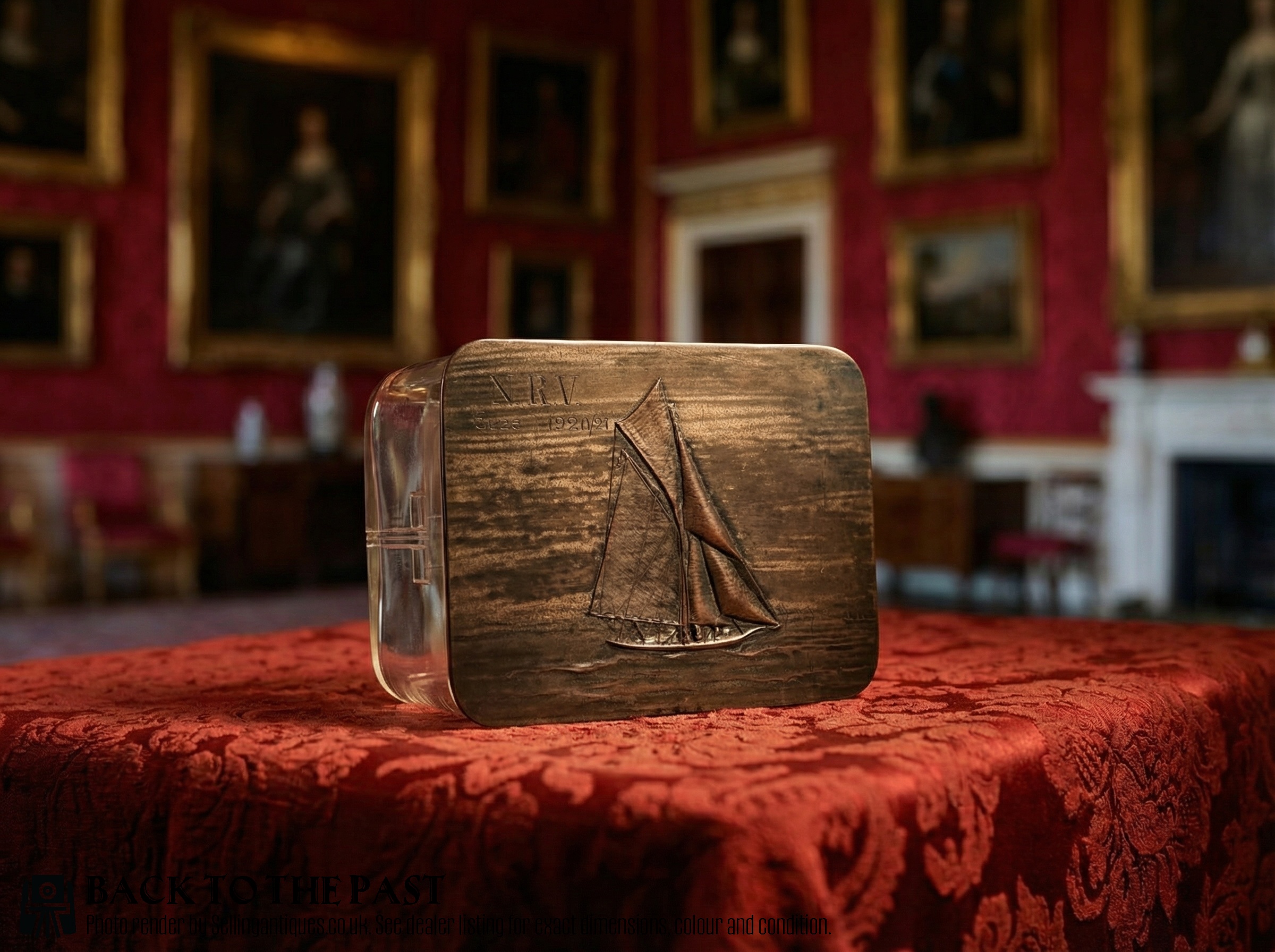
Antique Glass Vanity Box
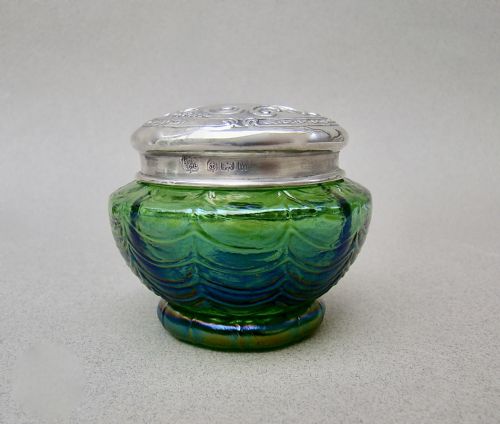
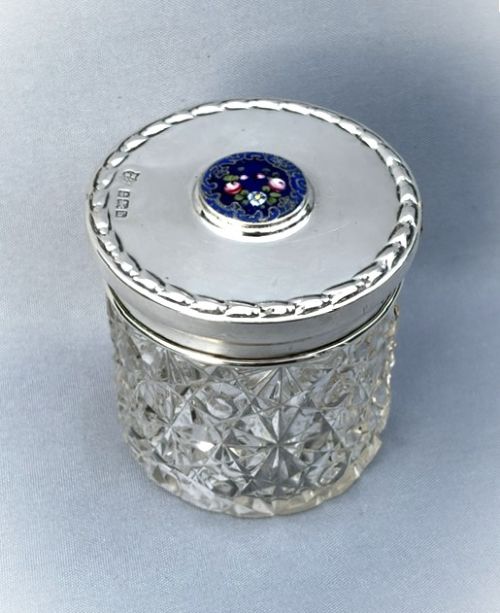
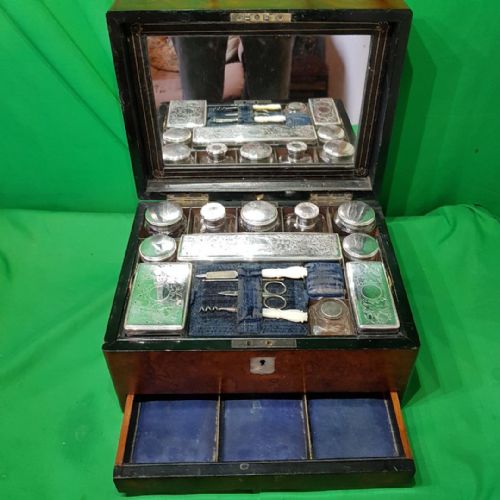
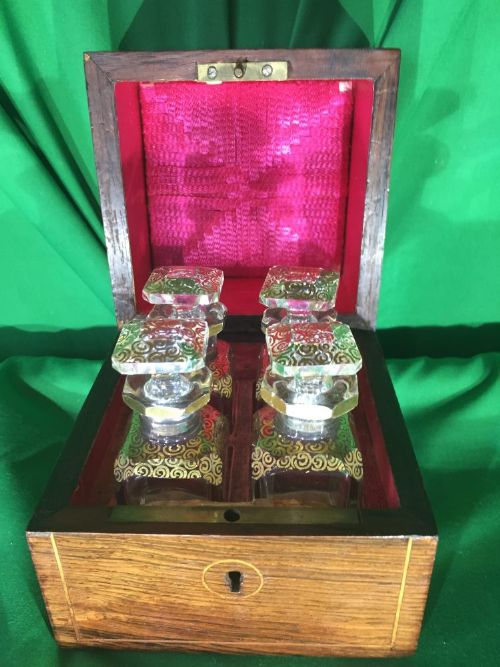
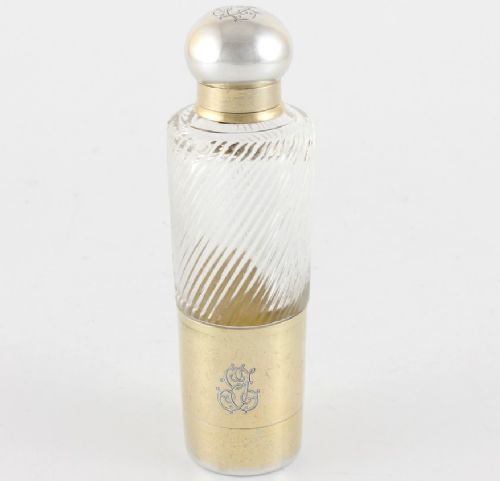
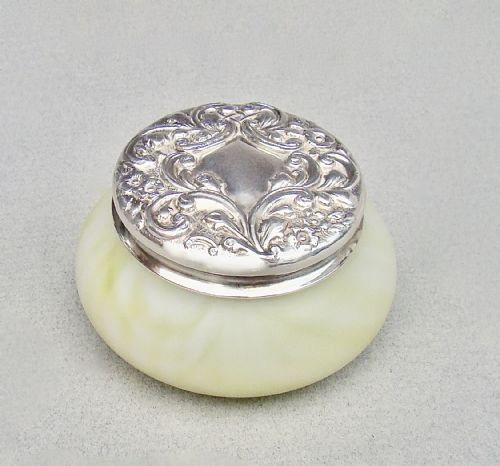
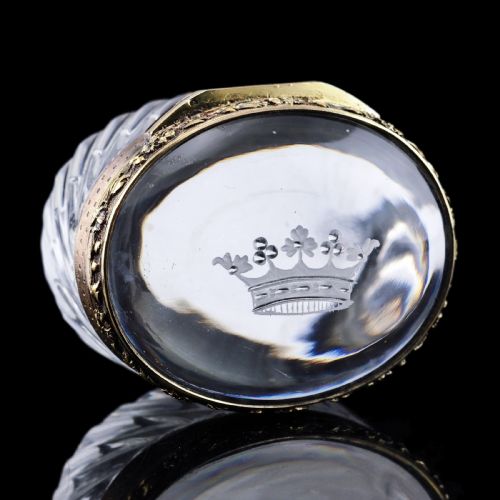
An antique glass vanity box unites small storage vessels with dressing table accessories designed for personal grooming and jewellery. Pieces range from lidded trinket pots and scent bottle caskets to dressing table jars finished with sterling silver or enamel mounts.
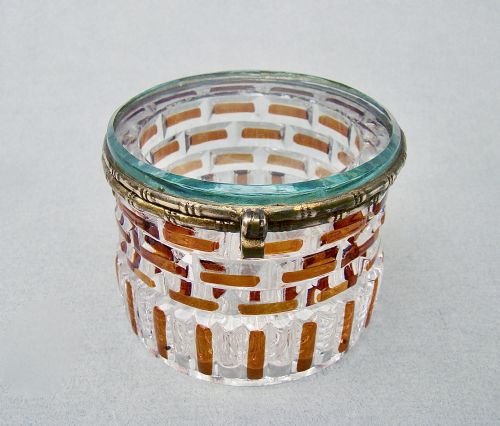
The selections span the Georgian, Victorian, and Edwardian periods alongside Art Deco and Art Nouveau designs. Mahogany and rosewood frequently house glass containers, while standalone jars rely on cut crystal, satin glass, or coloured vessels.
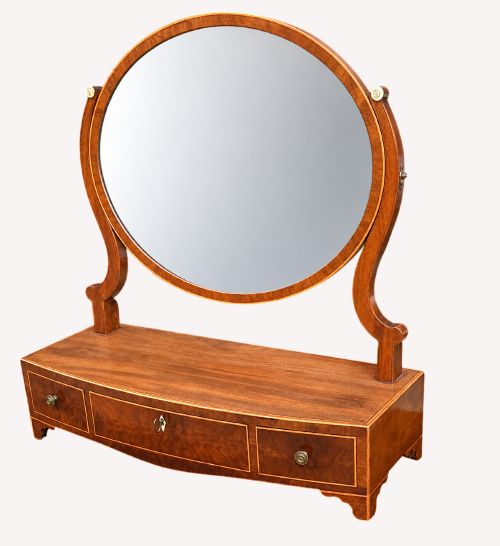
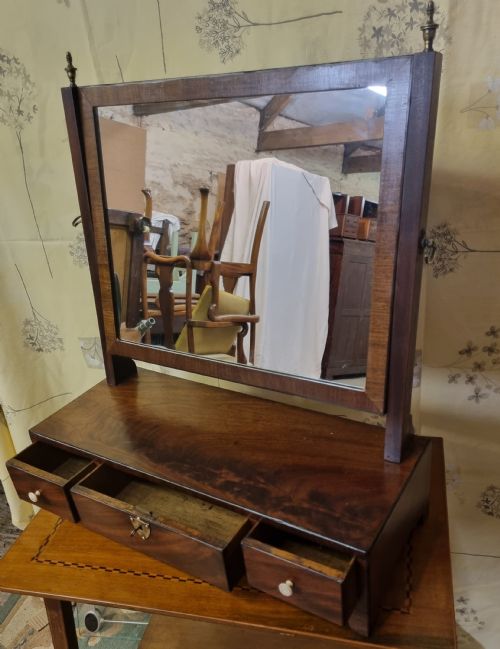
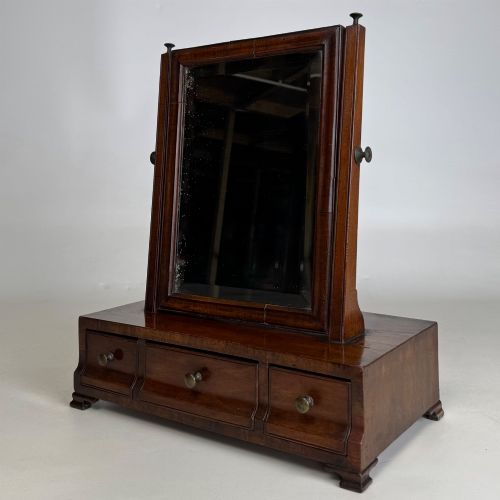
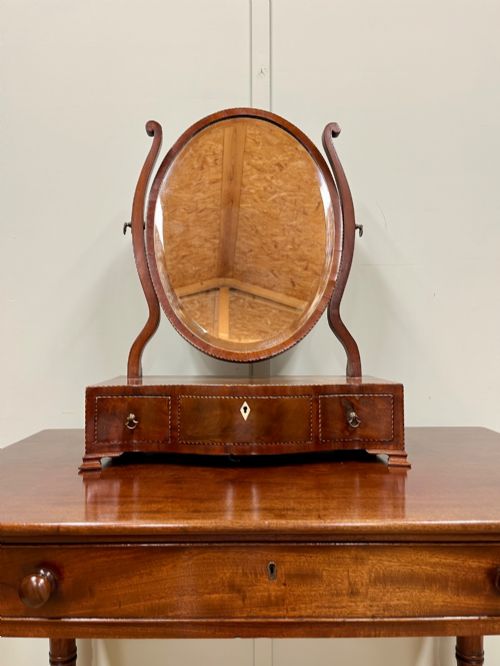
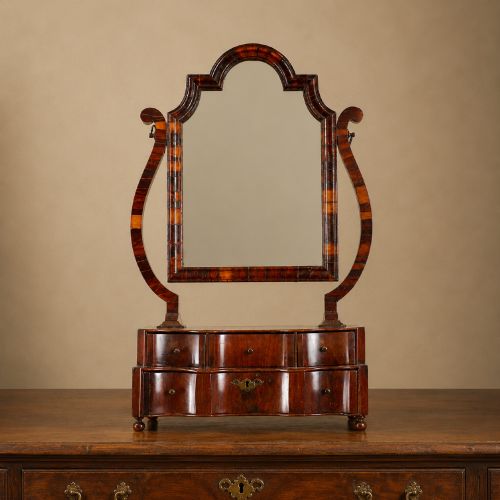
Buyers frequently encounter smaller dressing mirrors alongside these boxes, reflecting the domestic spaces where toiletry items were kept. Travelling sets and scent bottle holders also appear, representing portable versions of the dressing table arrangement.
How They Were Made
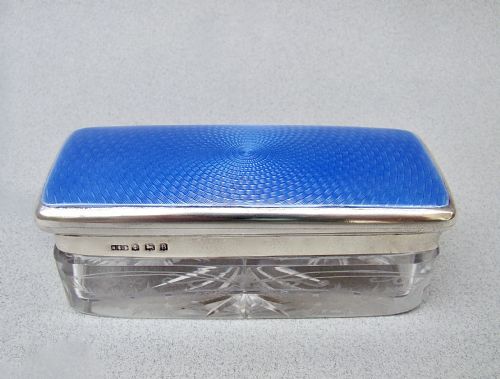
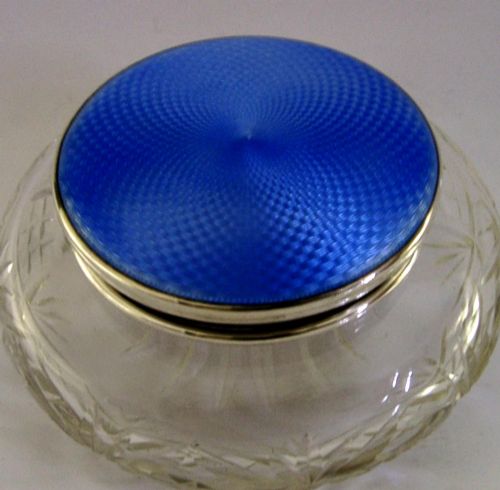
Glass containers were formed through cutting, moulding, or blowing, yielding heavy lead crystal, frosted finishes, and vibrant coloured glass in shades of blue, green, and cranberry. Enamel work, particularly guilloché patterns, was applied to metal lids alongside sterling silver mounts.
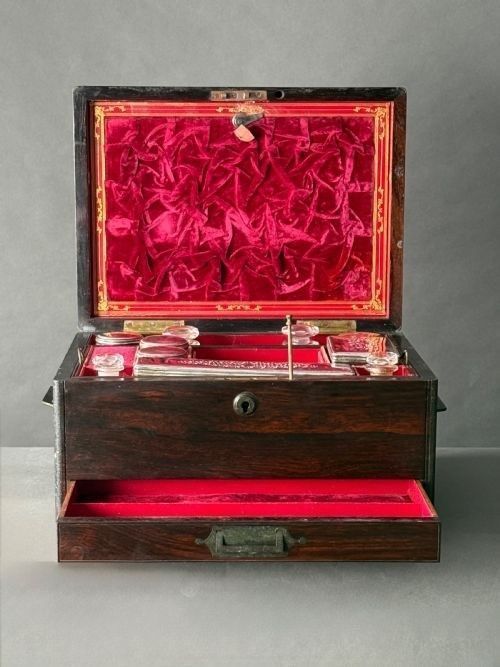
Wooden chassis relied on mahogany, walnut, and rosewood timbers, often crossbanded or fitted with brass hardware and velvet linings. Ormolu mountings and gilt bronze frames secured glass bodies within French and English caskets.
Listings feature glass combined with sterling silver, brass, mahogany, and enamel across Georgian, Victorian, Edwardian, and Art Deco periods.
What Varies in Quality
The clarity and depth of the glass cutting dictate much of the visual weight, alongside the crispness of hallmarks stamped upon silver lids and mounts. Heavier crystal bodies and undamaged enamel work indicate superior manufacturing standards.
Cabinetwork quality appears in the timber selection, such as burr walnut or figured mahogany, and the precision of fitted compartments designed to hold delicate glass bottles securely.
A. J. Pepper & Co·Henry Clifford Davis·A. Bromet & Co·Rene Lalique
The Antique Glass Vanity Box Glossary
- Guilloché enamel
- Enamel decorated with intricate mechanical engine-turned patterns beneath a translucent coloured layer. This technique frequently appears on twentieth-century jar lids.
- Satin glass
- Glass treated to produce a velvety, frosted surface texture. It is often seen on Edwardian trinket boxes.
- Ormolu
- Gilt bronze ornamentation applied to furniture and decorative boxes. It provides metallic contrast to wood and glass bodies.
- Crossbanding
- A decorative border of veneer laid with the grain running perpendicular to the surrounding wood. It frames mahogany and walnut dressing mirror surfaces.
- Casket
- A decorative box designed for holding valuables or small personal items. These pieces often feature secured locking mechanisms and fitted interior compartments.
Antique Glass Vanity Box: Frequently Asked Questions
What is an antique glass vanity box used for?
These vessels held cosmetics, trinkets, pins, and small pieces of jewellery on dressing tables or inside travel cases. Their fitted interiors kept delicate items organised during daily routines.
Many examples include compartments specifically sized for scent bottles or powder jars, reflecting nineteenth and early twentieth-century grooming habits.
How do I date an antique glass vanity box?
Dating relies on hallmarks stamped on silver mounts, the style of the glass cutting, and the underlying woodwork. Birmingham and Chester assay marks often provide exact years for twentieth-century pieces.
Earlier examples from the Georgian period feature simpler joinery and hand-blown glass characteristics that distinguish them from later Victorian and Art Deco productions.
How should I clean a glass vanity box?
Gentle dusting with a soft cloth preserves delicate enamel work and silver surfaces without causing abrasion. Moisture should be kept away from lined interiors and glued fittings.
Glass components can be washed cautiously with mild soapy water if removed from wooden or metallic frames, ensuring no water seeps into hinges or fabric.
Are travel vanity boxes different from stationary ones?
Travelling sets include secure exterior cases made from mahogany or burr walnut designed to protect glass bottles during transit. Stationary boxes lack heavy exterior housing and sit permanently on furniture.
Fitted travelling boxes often contain multiple scent flasks arranged securely within custom compartments rather than standing as a single trinket pot.