



Antique Glass Saucer
An antique glass saucer serves drinks and sweets with weight and clarity.
Antique Glass Saucer
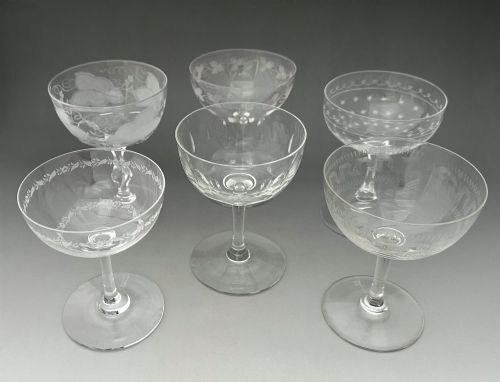
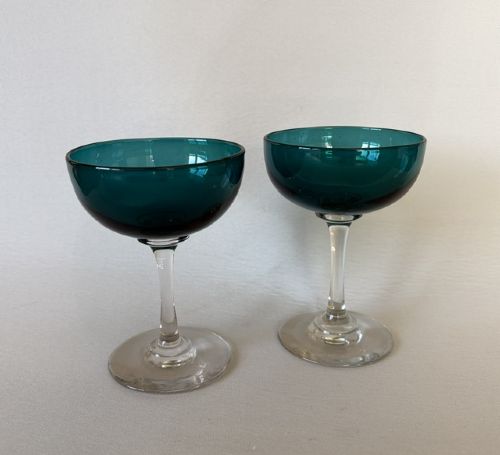
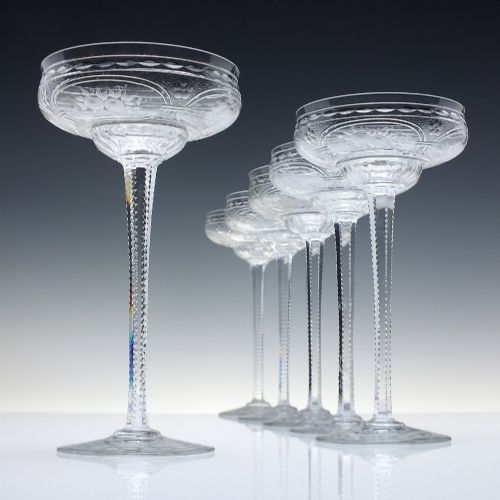
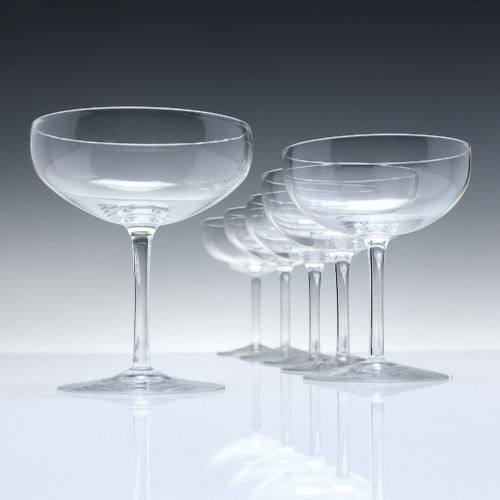
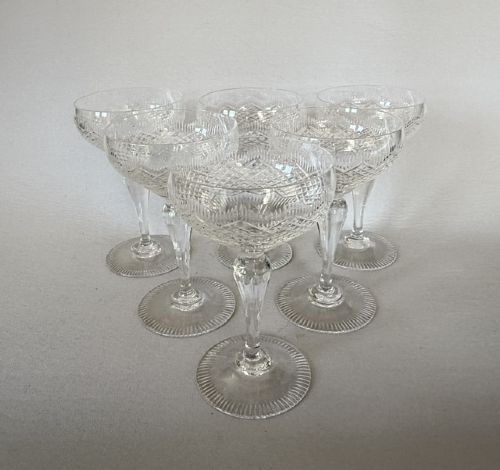
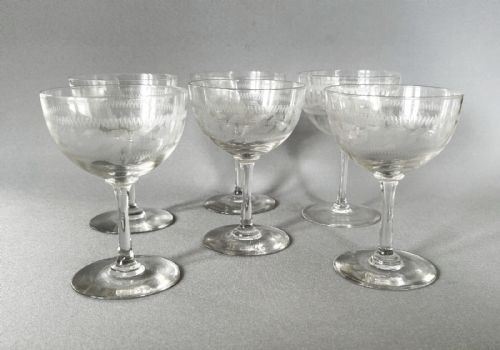
An antique glass saucer encompasses shallow vessels, champagne coupes, and fitted salt cellars originating from the Georgian, Victorian, and Edwardian periods. Buyers searching for an antique glass saucer frequently encounter champagne coupes, small bowls, and decorative plates designed for dining and entertaining.
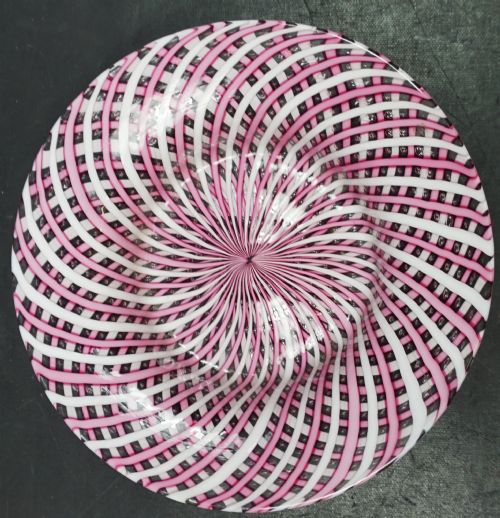
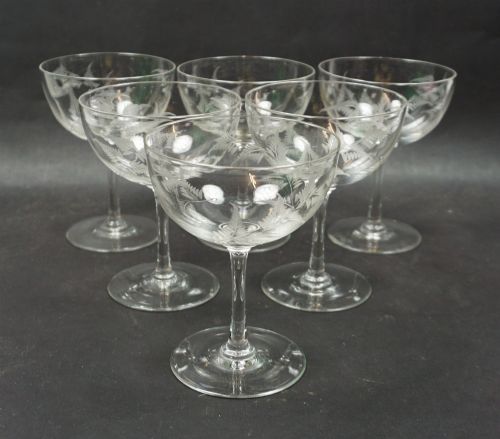
The material forms range from pressed and cut crystal to coloured overlay glass and delicate latticinio work. Pieces often arrive in matched sets of six or as individual display items intended for a cabinet.
Origins stretch across English, Irish, Bohemian, and Scottish workshops, spanning styles from historicism and Art Nouveau to Art Deco. Each piece reflects the domestic habits of its decade, from nineteenth-century dinner tables to early twentieth-century gatherings.
Factors determining quality
The clarity and weight of the crystal establish the base standard of a piece, distinguishing heavy lead-rich compositions from lighter soda-lime glass. Crispness in wheel-engraving and depth in overlay cutting separate standard production from master craftsmanship.
Condition and completeness define value, particularly for sets of champagne coupes or matched table services. Intricacy in hand-gilded enamel work and the precision of optic-blown forms indicate the skill of the original workshop.
Antique Glass Saucer Retail Price Guide 2026
Typical asking prices for glass saucer among the pieces listed under this phrase on Sellingantiques today, from the lower quarter to the upper quarter. They describe what is for sale here now, not the wider market.
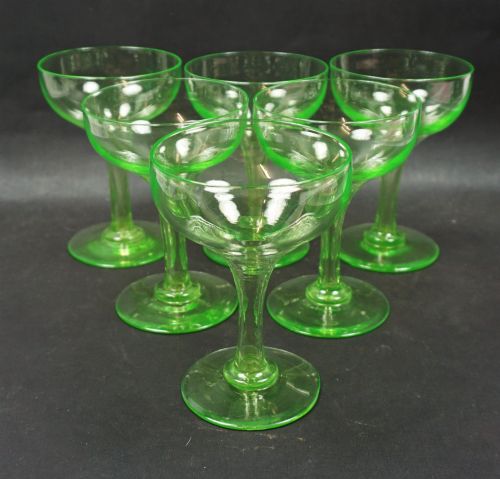
Listings feature lead crystal, cranberry glass, and uranium green glass across Georgian, Victorian, and Edwardian periods.
Baccarat Vallee·Fritz Heckert·Moser·Elkington·Emmy Seyfried
The Antique Glass Saucer Glossary
- Champagne coupe
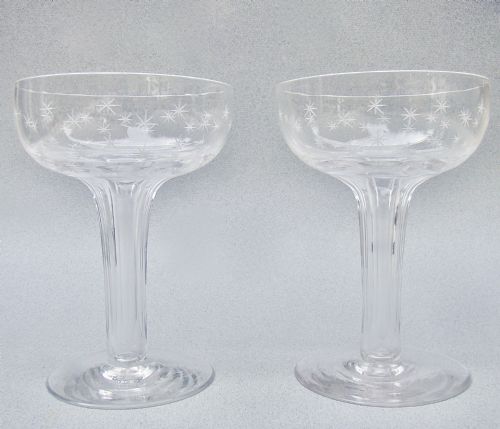
- A shallow, broad-bowled glass designed for sparkling wine, frequently seen in Victorian and Edwardian table settings. These vessels often feature hollow stems or engraved botanical motifs.
- Latticinio
- A decorative glass technique incorporating opaque white or coloured glass threads twisted within a clear matrix. This method appears in nineteenth-century plates and tableware.
- Overlay glass
- A vessel formed of two or more distinct layers of glass, typically coloured glass cased over clear crystal. The outer layer is partially cut away to reveal the contrasting colour beneath.
- Uranium glass
- Glass containing small quantities of uranium oxide to produce a distinct green colour that fluoresces under ultraviolet light. It appears in twentieth-century production.
- Sweetmeat plate
- A small decorative dish or saucer intended for serving confections, nuts, or small preserved fruits during formal meals. Georgian and Victorian examples often feature heavy cut glass designs.
Antique Glass Saucer: Frequently Asked Questions
Were champagne coupes used only for wine?
Nineteenth and early twentieth-century households used these shallow bowls for sparkling wines, desserts, and iced beverages. Their broad shape suited the dining styles of the period.
They also functioned as serving vessels for small portions of sweets or fruit at formal dinners.
How do I date a cut glass saucer?
Examine the weight, rim finish, and depth of the cutting to understand the period of manufacture. Georgian and early Victorian pieces often display hand-polished facets and heavier lead content.
Edwardian and later items show lighter press-moulded forms or machine-assisted etching. Comparing the decorative motifs with known period styles clarifies the timeline.
Can I use antique glass for daily dining?
Most sturdy Victorian and Edwardian tablewares handle careful daily use without difficulty. Assess the thickness of the glass and the presence of hand-applied enamel before serving food.
Fine crystal or pieces with gold leaf decoration require gentler handling and suit special occasions rather than everyday meals.