

Antique Glass Pedestal
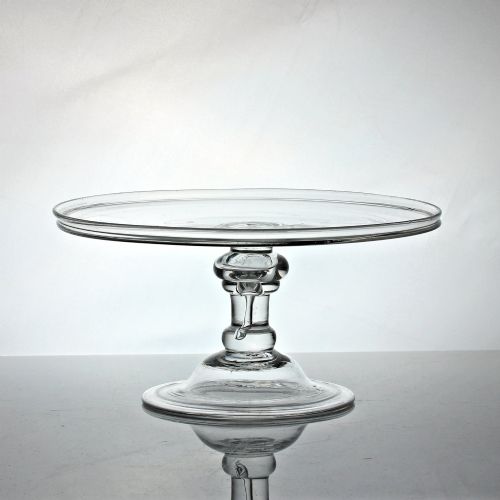
An antique glass pedestal elevates fruit, wine or sweetmeats on a sturdy foot, bringing a brilliant centrepiece to the table.
Antique Glass Pedestal
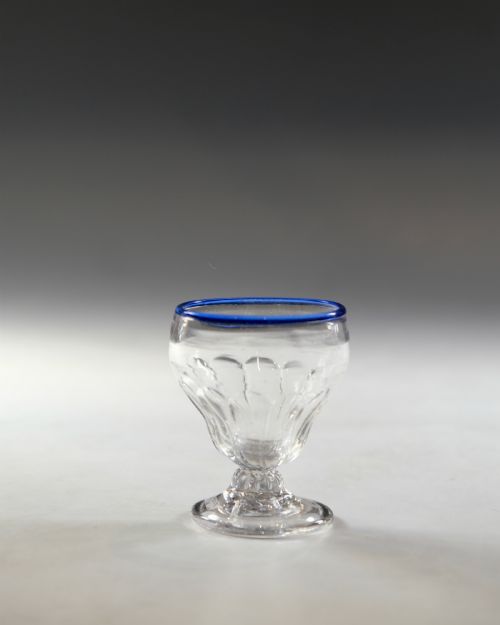
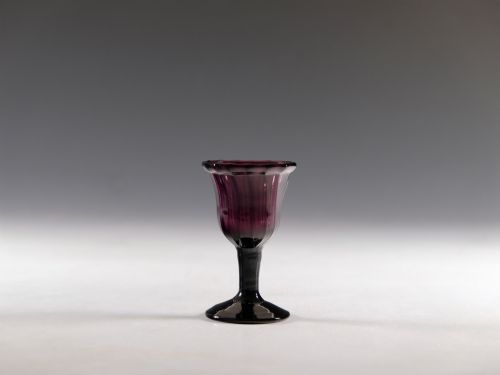
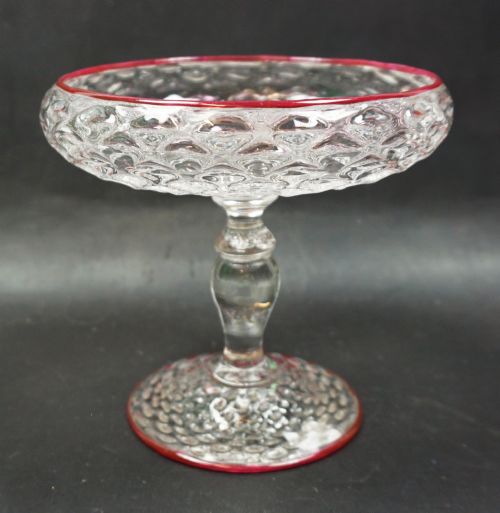
When you search for an antique glass pedestal, you encounter elevated vessels designed to display sweetmeats, fruit or wine. These pieces span from the eighteenth century into the twentieth century, encompassing Georgian tazzas, Victorian bowls and decorative glass stemware.
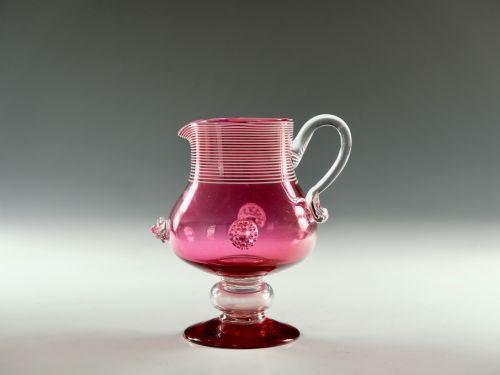
The most common forms on this page include Georgian and Victorian tazzas, standing bowls and pedestal stem glasses. Makers utilised lead glass, clear glass and coloured varieties such as ruby or cobalt to catch the light.
Origins range across English, Irish and continental workshops, reflecting shifts from early lead crystal manufacturing to later nineteenth-century press moulding and twentieth-century studio designs.
Materials and construction
Makers fashioned these pieces primarily from lead glass, clear glass and heavy cut crystal, employing techniques such as blowing, moulding and hand-cutting. Early items often feature thick lead glass with distinct baluster stems, whilst later examples utilise honeycomb moulding or hobnail cutting.
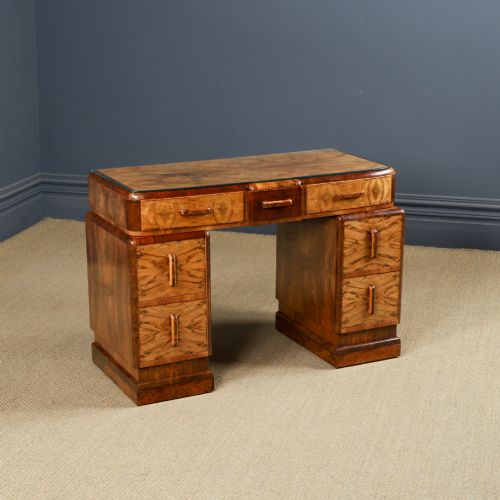
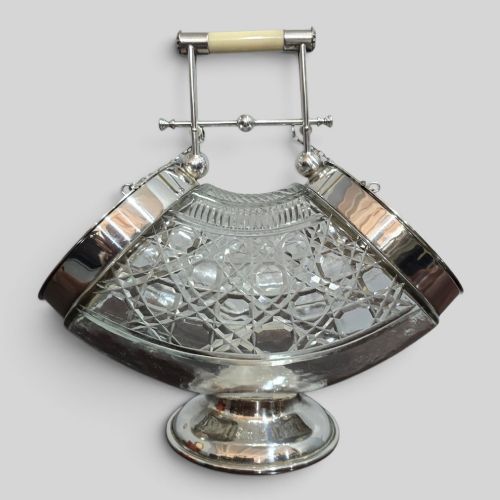
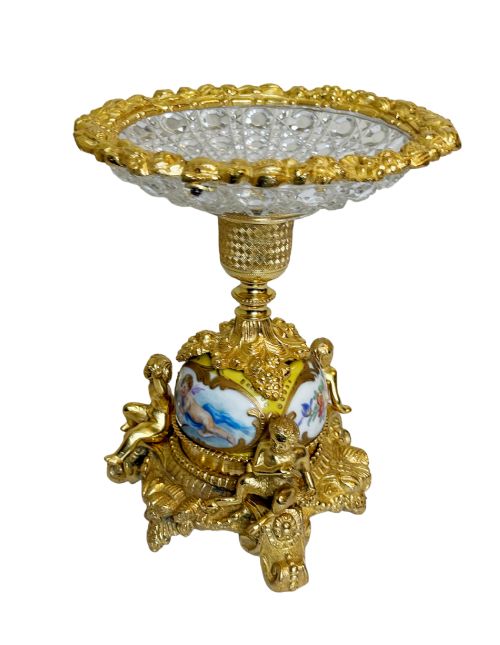
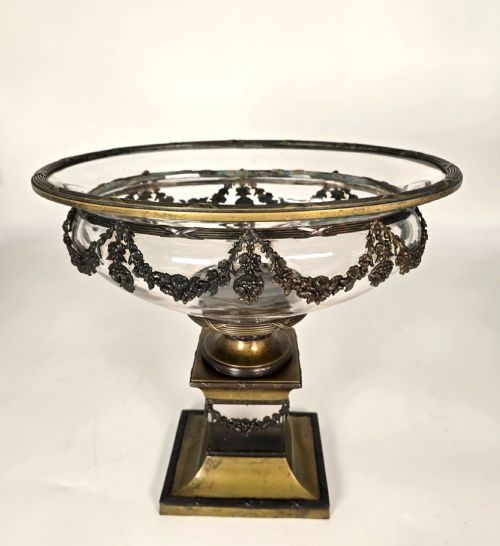
Secondary materials like brass, bronze and occasionally walnut support heavier bowls and centrepieces. Artisans integrated these metal mounts to stabilise large glass vessels or to add decorative handles and rims.
Materials recorded across the stock include clear glass, heavy lead crystal, ruby glass, cobalt glass, brass and walnut.
Judging quality
The distinction between standard examples and exceptional pieces lies in the clarity of the metal and the crispness of the cutting. Fine cut glass exhibits sharp, well-defined facets that refract light cleanly, whereas lower-quality pieces show softer, rounded edges from worn moulds.
Proportion and weight also dictate worth, as a well-balanced pedestal stem or a heavy standing bowl demonstrates superior craftsmanship from the period. The integration of metal mounts, such as bronze or brass, must feel secure and balanced against the weight of the glass.
Graystan
The Antique Glass Pedestal Glossary
- Tazza
- A shallow bowl or plate mounted on a pedestal foot, used traditionally for serving fruit or sweetmeats. These elevated dishes form a significant portion of early glassware.
- Lead Crystal
- Glass containing lead oxide, which increases brilliance, weight and workability for deep cutting. This material defines many heavier Georgian and Victorian pieces.
- Patch Stand
- A tiny pedestal dish used in the eighteenth century to hold cosmetic beauty patches. These miniature vessels represent some of the earliest specialised stemware.
- Hobnail Cut
- A raised, faceted decorative pattern resembling the hobnails on sturdy boots. This intense cutting style creates a highly textured surface on Victorian bowls.
- Baluster Stem
- A thick, swelling stem shape reminiscent of an architectural baluster. It provides sturdy support for eighteenth-century wine glasses and tazzas.
Antique Glass Pedestal: Frequently Asked Questions
What were antique glass pedestals used for?
These vessels served various dining and decorative purposes, primarily holding fruit, sweetmeats, biscuits or wine glasses on the dining table. Tazzas and standing bowls elevated food to create dramatic centrepieces during formal meals.
Smaller pedestal items, such as patch stands, served personal functions on dressing tables. Over time, their utility shifted from active dining service to purely decorative display.
How do I date an antique glass pedestal?
Dating relies on examining the weight, tint, pontil mark and cutting style of the glass. Eighteenth-century pieces often feature heavy lead glass with a rough snapped pontil underneath the foot, whilst Victorian items display more uniform press moulding or sharper geometric cutting.
Form also provides strong clues, as Georgian tazzas and baluster stems differ noticeably in proportion from Edwardian centrepieces or Art Deco designs.
Are these glass pedestals safe to use for food?
Most antique glass pedestals remain structurally sound for serving dry foods or fruit, provided they are handled with care. Hand washing in lukewarm water protects the fragile historic glass from thermal shock and preserves any surface polish.
Avoid exposing old glass to sudden temperature changes or modern dishwashers, which can cloud the historic metal or weaken delicate stems.
How do I style a pedestal bowl at home?
A pedestal bowl or tazza makes a striking centrepiece on a dining table, sideboard or mantelpiece when left empty to catch the light. You can also fill them seasonally with fruit, glass baubles or dried botanicals.
Pairing a tall glass pedestal with contrasting wooden or metallic surfaces highlights the clarity and colour of the antique material.