


Antique Glass Lamp
When you search for an antique glass lamp, you enter a diverse world of Victorian oil reservoirs, Art Deco pendants, and cut crystal table lighting.
Antique Glass Lamp
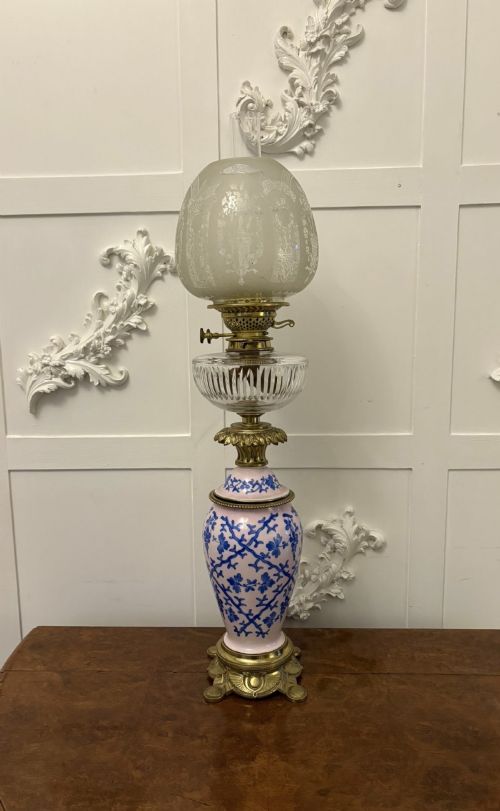
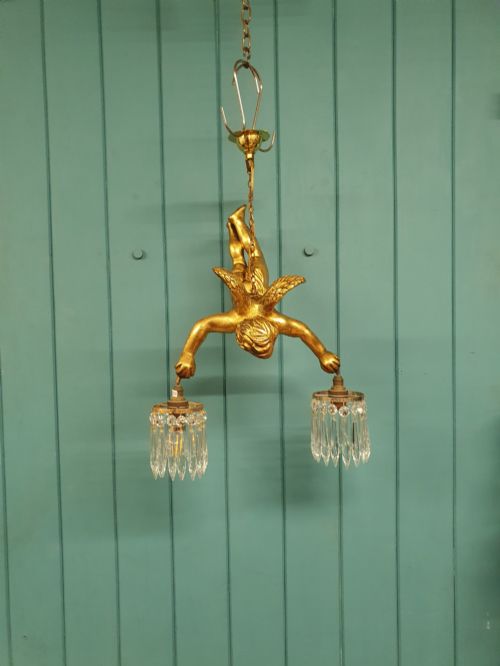
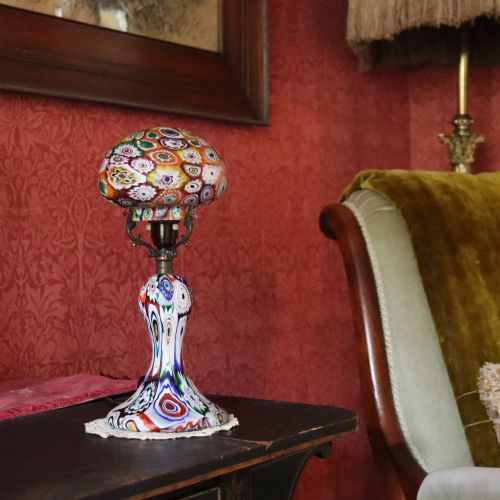
An antique glass lamp encompasses a wide variety of domestic illumination forms, ranging from towering column oil lamps to delicate hanging pendants and heavy crystal table pieces. These objects bridge the gap between functional utility and decorative arts, appearing frequently in Victorian, Edwardian, and Art Deco configurations.
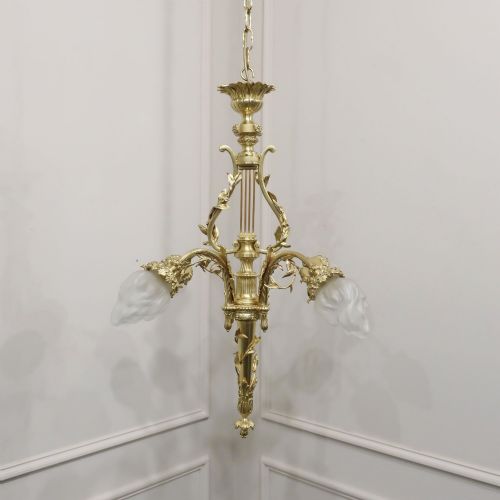
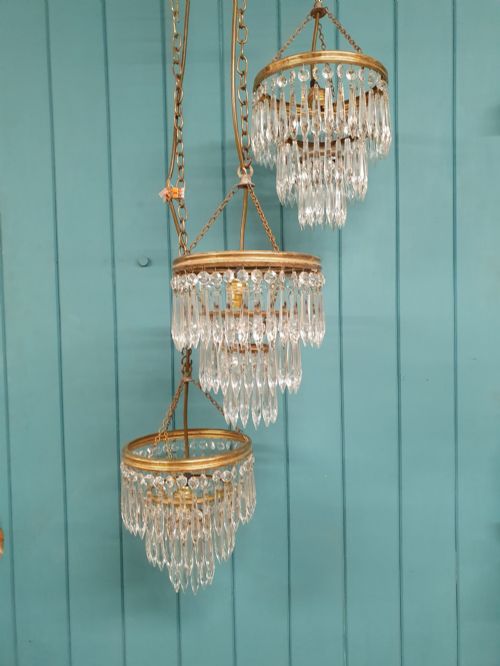
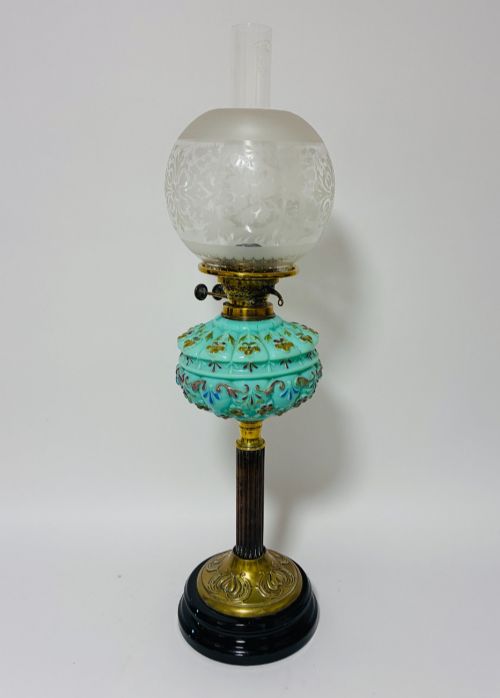
The versions most commonly met on this page combine glass bodies or shades with metal mountings, particularly brass columns, gilt bronze frames, or copper lanterns. Table-standing oil lamps and ceiling-hung chandeliers dominate the historical record here, reflecting how interior lighting evolved from liquid fuels to electricity across the nineteenth and twentieth centuries.
Materials and Construction
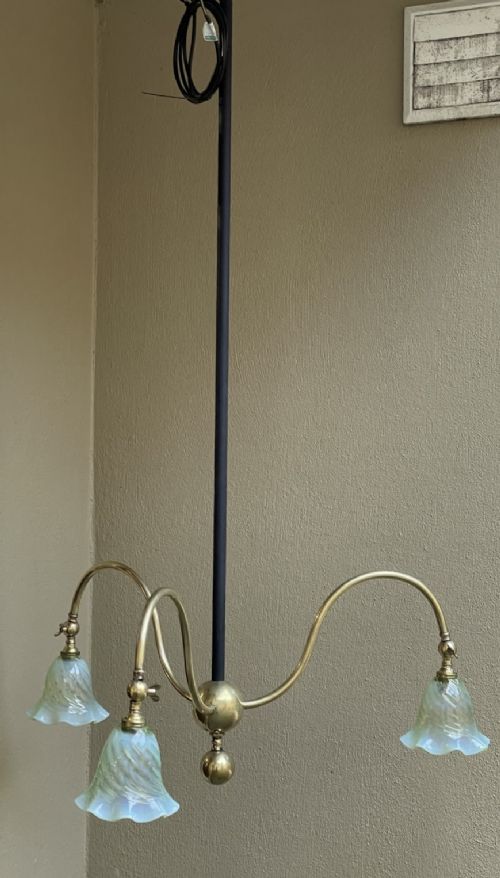
Makers utilised heavy lead crystal, moulded opaline, and vibrant cranberry or vaseline glass to form the glowing reservoirs, shades, and drops that define these pieces. This glass is frequently faceted by hand, blown into moulds, or layered as casing glass before receiving decorative etching or enamel painting.
The glass components are structurally united with metalwork such as cast brass, gilt bronze, copper, and chrome. Architectural details like Corinthian columns and delicate prongs secure the delicate glass reservoirs to sturdy metallic bases, ensuring stability for heavy table lamps and hanging ceiling fixtures.
Listings feature items spanning the Victorian era through the 1950s, utilising brass, cut crystal, opaline glass, and gilt bronze.
Assessing Craftsmanship
Quality rests upon the purity and depth of the glass medium, visible in the sharpness of hand-cut facets and the richness of coloured glass such as cranberry and vaseline tones. Superior examples display crisp moulding seams, substantial weight, and harmonious integration between the glass shade and its metal mount.
The distinction between standard production and exceptional manufacture also lies in the execution of the metal mounts, where finely chased gilt bronze or substantial cast brass elevates the overall composition. Finer pieces retain matching original components, from burner mechanisms to graduated crystal prisms, without later replacements.
Fratelli Toso·Émile-Jacques Ruhlmann·PH Vogel·Osler
The Antique Glass Lamp Glossary
- Cranberry glass
- A rich red-pink transparent glass coloured with gold chloride during the manufacturing process. It was extremely popular for Victorian oil lamp shades and font reservoirs.
- Vaseline glass
- A yellowish-green glass containing uranium dioxide that glows bright green under ultraviolet light. It frequently appears in Edwardian and Art Nouveau lamp shades.
- Opaline glass
- An opaque or translucent pale glass that can be white, blue, or pink, often used to diffuse light softly in Victorian and Edwardian shade production.
- Duplex burner
- A heavy twin-wick mechanism used on nineteenth-century oil lamps to produce a brighter flame. It requires matching wide flat wicks to operate correctly.
- Cut crystal
- High-lead glass shaped by grinding and polishing geometric patterns into the surface. This technique maximises light refraction in chandeliers and formal table lamps.
Antique Glass Lamp: Frequently Asked Questions
How do I date an antique glass lamp?
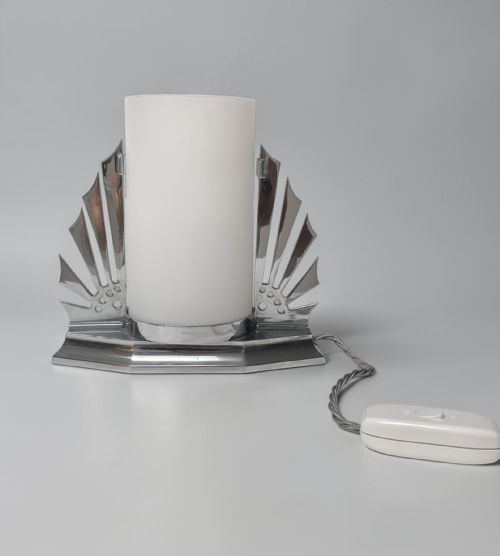
Dating relies heavily on stylistic markers, manufacturing techniques, and the transition from oil-burning mechanisms to early electrical fittings. Victorian examples often feature heavy brass columns and coloured font reservoirs, while Art Deco pieces lean towards geometric chrome and slip shades.
Hardware details also provide clues, as threaded collars, burner types, and wiring channels evolved significantly between the nineteenth and mid-twentieth centuries. Comparing the shade style and mounting brackets to documented periods helps narrow down the decade of manufacture.
Can these oil lamps be converted to electricity?
Many period oil lamps have been adapted for modern domestic use by running electrical wiring through the central burner collar without damaging the original brass or glass structure. This allows collectors to enjoy antique aesthetics safely with standard modern bulbs.
When evaluating a converted piece, look for reversible adaptations that preserve the structural integrity of the font and burner. Professional rewiring ensures that older metal and glass assemblies meet contemporary safety standards while maintaining their historic character.
What is the difference between table and ceiling types?
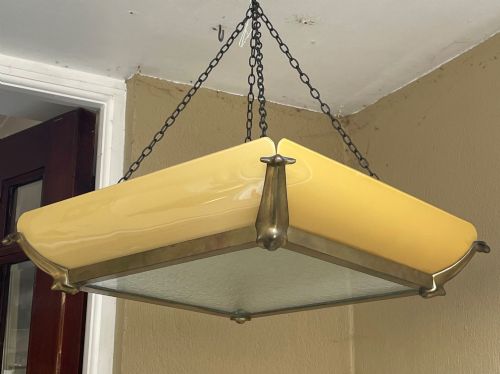
Table types were designed for close-range illumination on desks, side tables, or occasional furniture, featuring sturdy weighted bases and decorative glass fonts or shades. Ceiling types, including chandeliers, lanterns, and pendants, are engineered to hang securely from architectural hooks.
Ceiling fixtures often incorporate suspension chains, gilt bronze frames, or cut crystal drops intended to distribute ambient light across a room. Table lamps focus light downwards or outwards through local glass shades suited for reading or task work.
How should I clean antique glass shades?
Cleaning requires warm water and mild soap applied gently with a soft cloth to avoid scratching delicate enamel decoration or etched surfaces. Harsh chemical cleaners must be avoided, particularly near gilt bronze or plated metal mounts where tarnish protection might be stripped.
Detachable shades and prisms should be washed individually and dried thoroughly before being reaffixed to their metal galleries. Care must be taken with antique glass, as thermal shock from water that is too hot can cause historical material to crack.