

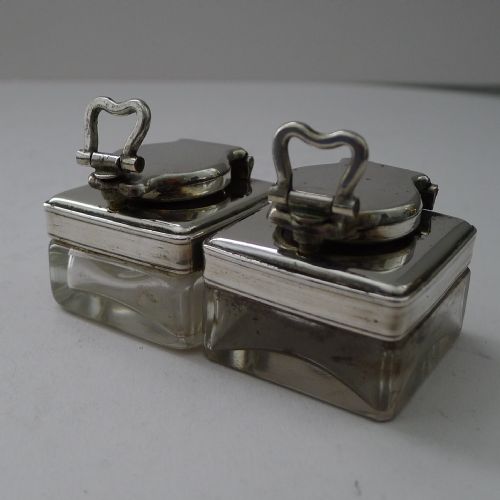


Antique Glass Inkwells
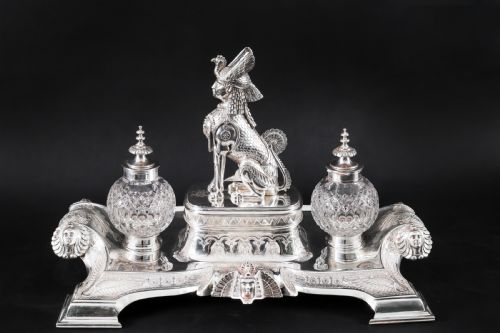
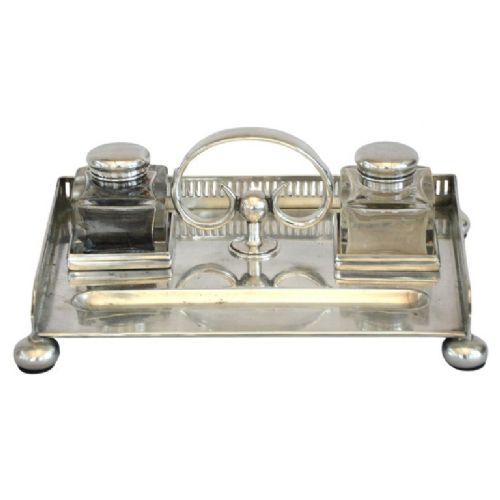
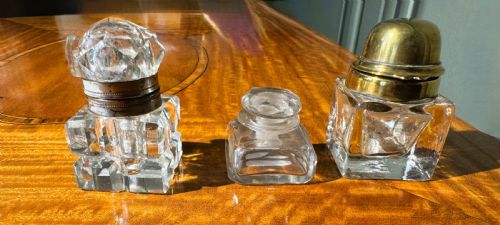
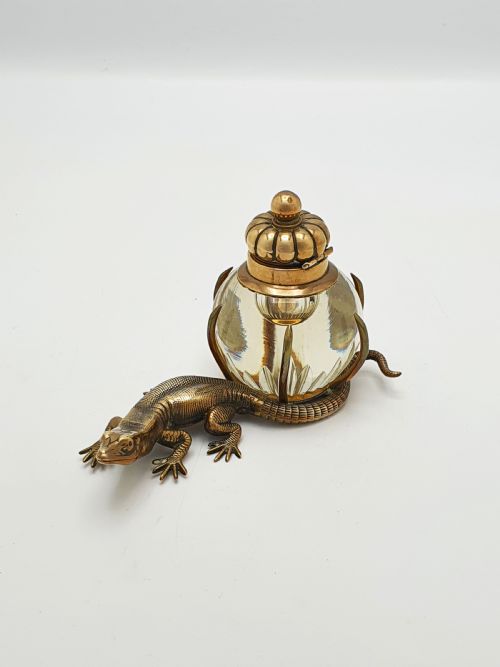
Looking for antique glass inkwells means hunting for desk accessories that pair heavy glass reservoirs with brass, rosewood, oak, and mother-of-pearl mounts.
What the pieces are
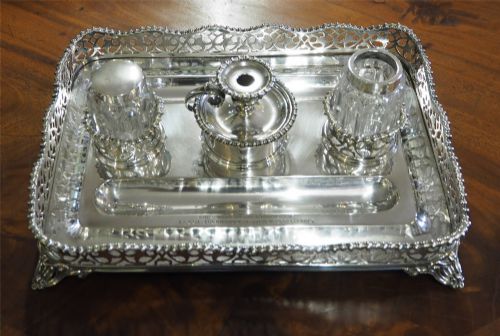
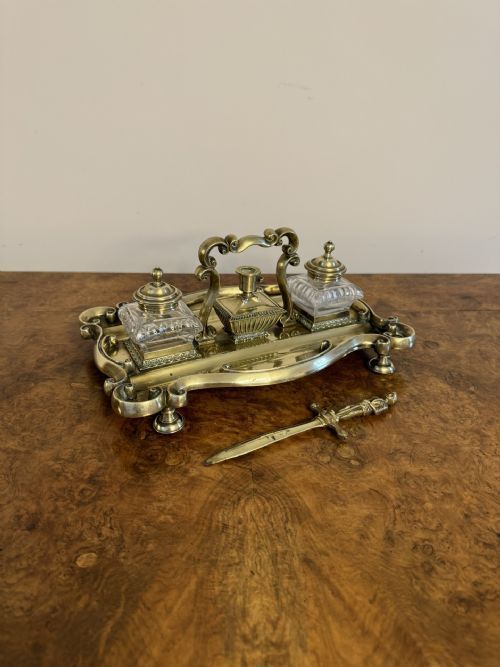
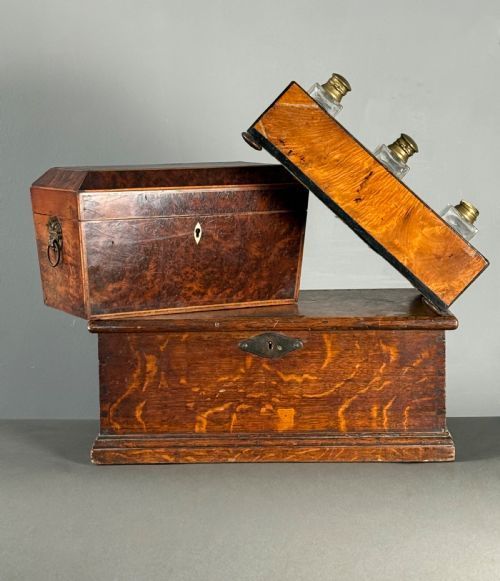
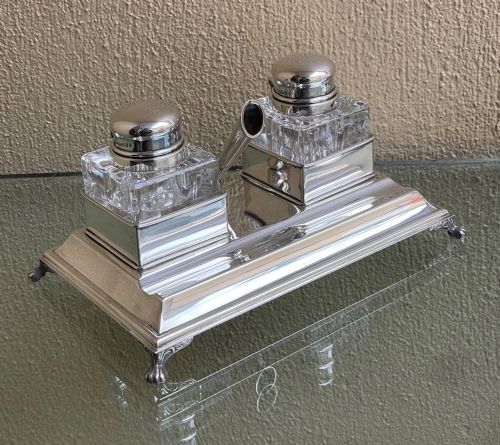
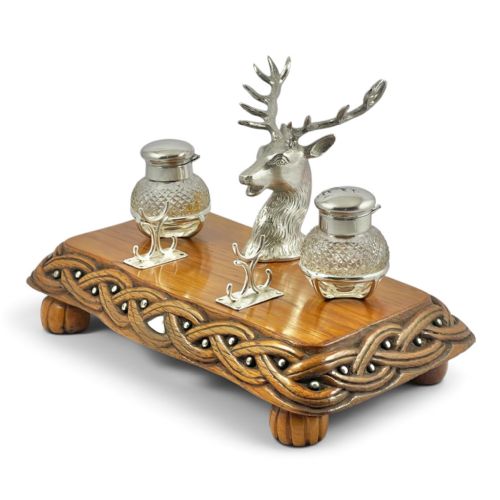
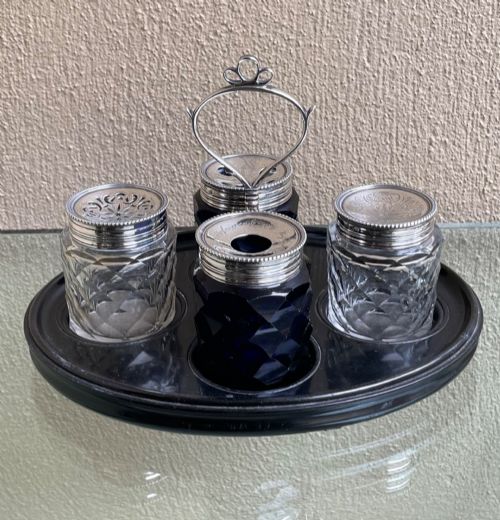
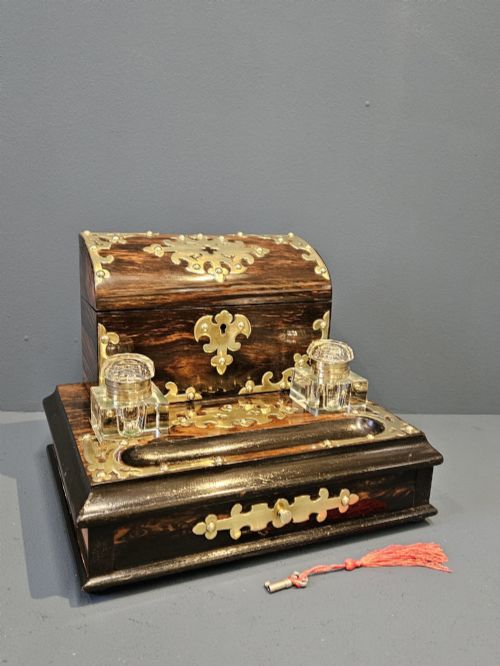
Antique glass inkwells bring together functional desk accessories and fitted stands made from rosewood, oak, ebonised wood, and brass. Buyers searching for antique glass inkwells usually encounter pieces mounted in larger desk sets, inkstands, and stationary boxes.
The items span several distinct periods including the Regency era, the Victorian period, and later 1930 designs. Common configurations include freestanding desk sets, carved ebony bodies, and fitted book box stands.

How they were made
Carving and marquetry decorate the wooden housings, while metalwork provides structural collars and hinged lids for the glass ink inserts.
Retail Price Guide 2026
Typical UK retail prices for glass inkwells, calculated from the Sellingantiques database of over a million retail prices indexed since 2003. This retail price guide relies exclusively on Sellingantiques data; no external sources or auction records are used, so the figures do not describe the wider market.
Current selections include pieces from the Regency period, Victorian era, and 1930s, utilising glass, brass, rosewood, and oak.
What varies in quality
Quality separates simple glass inserts from elaborately mounted desk sets featuring brass inlay, intricate wood carving, and exotic materials like mother-of-pearl and ebonised wood. The presence of matched stands, stationery boxes, and Boulle work elevates certain desk accessories above standard utilitarian pieces.
The Antique Glass Inkwells Glossary
- Inkstand
- A fitted tray or stand holding one or more inkwells and often space for pens. These items served as the centrepiece of a nineteenth-century writing desk.
- Boulle
- An elaborate form of marquetry using brass and tortoiseshell inlaid into wood. This technique appears on French nineteenth-century desk furniture.
- Regency
- An English design period spanning the early nineteenth century. Pieces from this era often feature rosewood and precise brass inlay.
- Stationery box
- A desk accessory designed to hold writing paper and envelopes. They frequently incorporate glass inkwells within the same wooden housing.
Frequently Asked Questions
What materials make up these inkwells?
The primary component is heavy glass, paired with brass fittings and wooden bases. Rosewood, oak, ebony, and ebonised wood provide structural support for the glass reservoirs.
Additional decorative elements include mother-of-pearl inlays and intricate wood carvings that date the pieces to specific nineteenth and twentieth-century periods.
How do I identify a Regency inkstand?
Regency pieces often utilise dark timbers like rosewood combined with precise brass stringing or inlay. The overall form reflects classical proportions popular during the early nineteenth century.
Desk stands from this period frequently integrate glass ink inserts directly into heavy wooden trays with pen recesses.
What is a Boulle desk set?
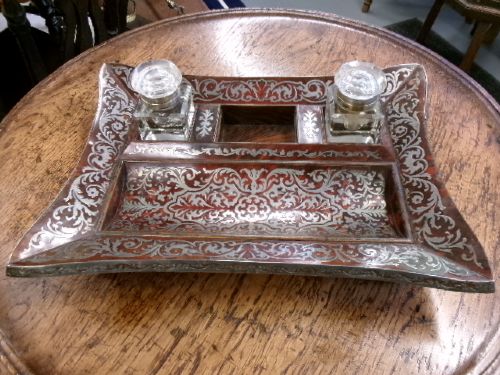
Boulle work involves intricate brass and tortoiseshell marquetry applied to furniture and desk accessories. This French decorative technique creates a striking contrast against dark wooden surfaces.
Items featuring this style display high craftsmanship and date predominantly to the mid-nineteenth century, such as pieces from the 1850 period.