




Antique Glass Globe Shade
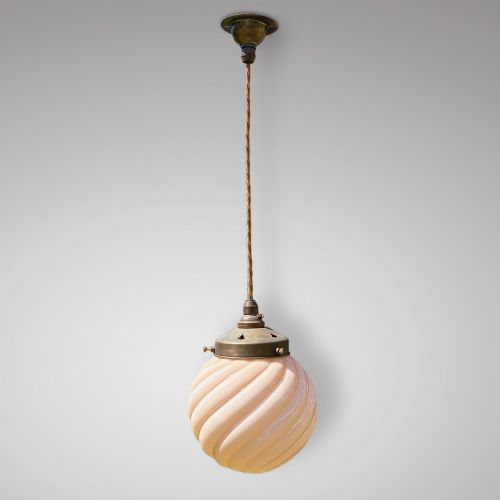
An antique glass globe shade diffuses soft, practical light while anchoring a room in Victorian or Art Deco character.
Antique Glass Globe Shade
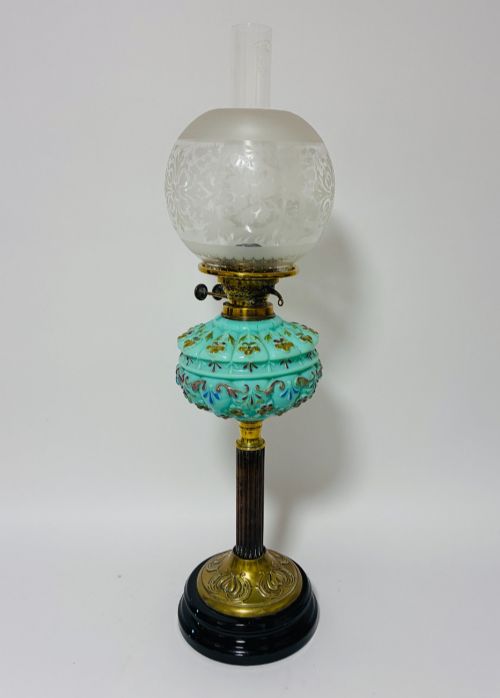
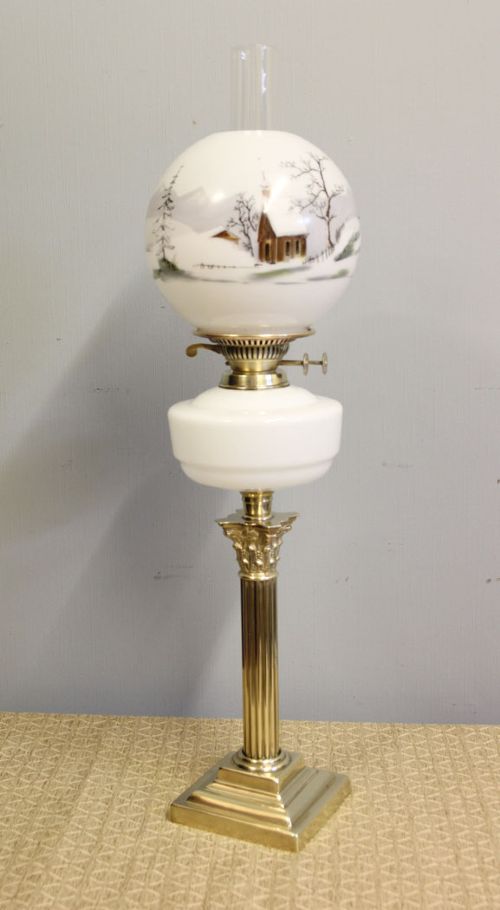
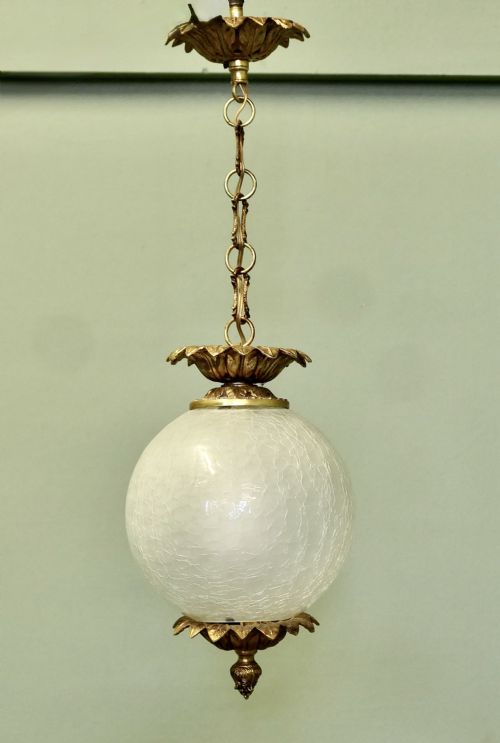
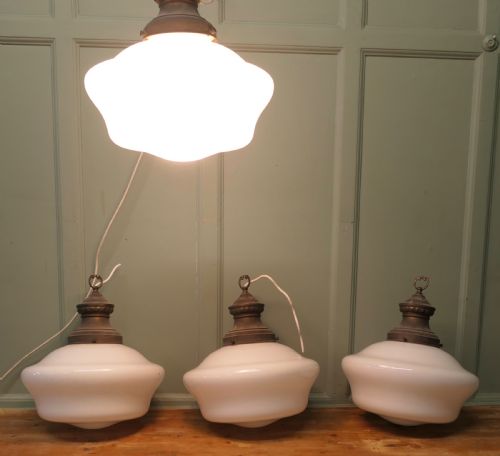
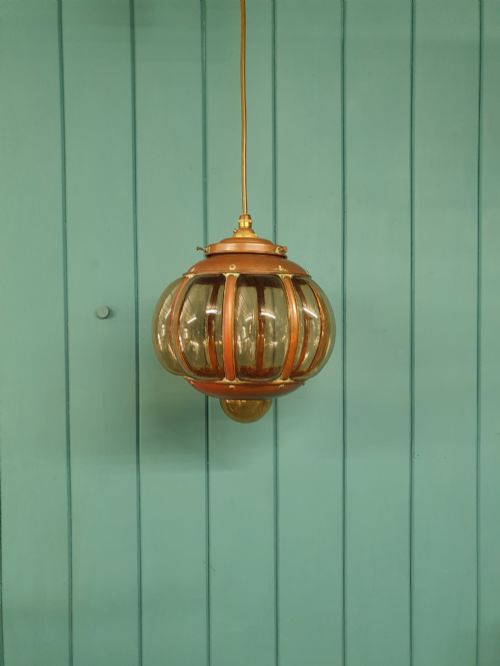
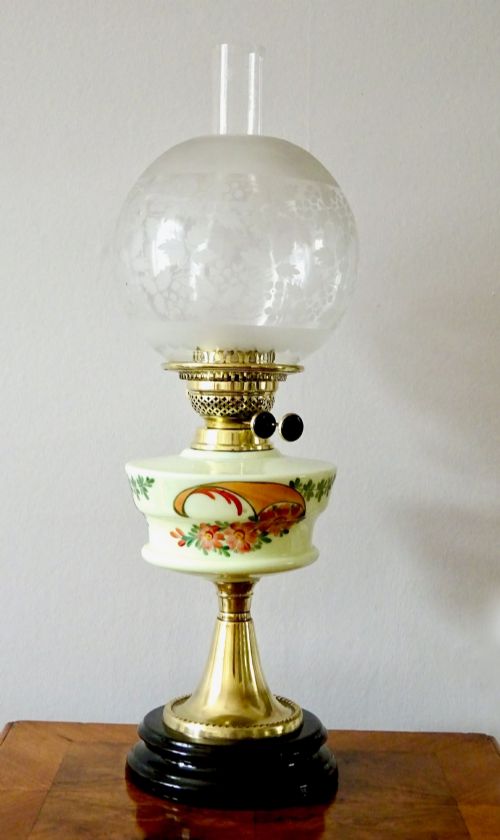
An antique glass globe shade serves primarily as the spherical or rounded diffuser for period lighting fixtures, most commonly found topping Victorian oil lamps or suspended on early twentieth-century pendant lights. When you search for an antique glass globe shade, you encounter blown and moulded glass components designed to soften and spread illumination evenly across a space.
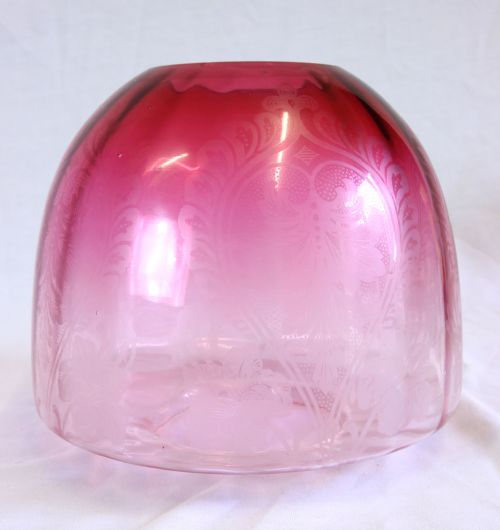
The selections available range from plain opaline and frosted glass globes to more decorative variants featuring etched patterns, cranberry tints, or vibrant green hues. Many pieces arrive paired with their original brass or copper mounts, whilst others present as standalone globes intended for specific historic lamp fitters.
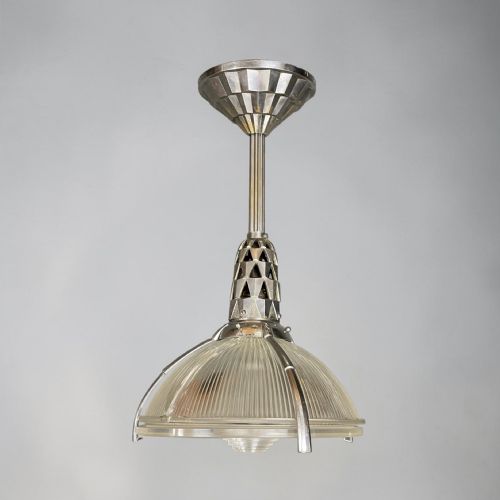
Dating ranges from the late nineteenth century through the Edwardian era and into the Art Deco period of the nineteen-twenties and nineteen-thirties. You will frequently find them categorised under oil lamps, ceiling pendants, and table lamps spanning Victorian, industrial, and nautical styles.
Materials and construction methods
Makers produced these shades using specialised glassblowing and moulding techniques, working molten material into spherical or terrestrial forms. Opaline glass, frosted glass, and translucent coloured variants like cranberry and vaseline glass dominate the evidence, each chosen for specific diffusing properties.
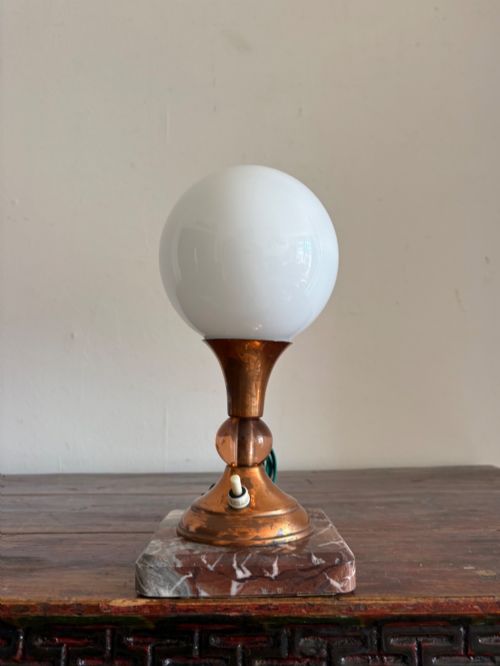
Metal components accompanying the glass typically involve cast brass, copper, and bronze, often combined with marble bases or ceramic fonts in complete lamp assemblies. Etched glass pieces required skilled hand-carving to cut decorative motifs into the surface before assembly.
Materials recorded include opaline glass, frosted glass, brass, copper, marble, and ceramic components.
Assessing quality in period shades
Quality reveals itself in the weight, consistency, and colour depth of the glass rather than surface decoration alone. Superior opaline and coloured glass globes display an even density and smooth diffusion without unsightly pooling or thin spots.
The precision of any hand-etched detailing and the robustness of integrated brass rings or fitter rims further separate standard utility pieces from finer decorative examples. Complete assemblies show superior quality where the patination of the brass and the clarity of the glass balance harmoniously.
Hinks of Birmingham·Perry and Co·Messengers·Harrods·Émile-Jacques Ruhlmann
The Antique Glass Globe Shade Glossary
- Opaline Glass
- A translucent milky-white glass developed to soften light glare. It appears frequently in Victorian and Art Deco pendant lights and lamp globes.
- Cranberry Glass
- A rich red glass created by adding gold chloride to the molten batch. It is commonly seen in nineteenth-century oil lamp shades.
- Vaseline Glass
- A yellowish-green glass containing uranium dioxide that glows under ultraviolet light. Collectors prize these pieces for their distinct luminescent colour.
- Prismatic Shade
- A specialised glass shade featuring moulded internal prisms designed to maximise and direct light output. Holophane produced notable examples of this technique.
- Font
- The oil reservoir section of a lamp, often made of coloured glass or ceramic, positioned directly beneath the shade.
Antique Glass Globe Shade: Frequently Asked Questions
How do I clean an antique glass globe shade safely?
Wash the glass gently in lukewarm water using a mild, non-abrasive soap and a soft cloth. Avoid submerging metal collars or mounting rings to prevent corrosion of the historic brass.
Dry the piece thoroughly with a lint-free towel before refitting it to your lamp or pendant light.
Will these shades fit modern light fixtures?
Historic fitters often differ from modern standard sizes, relying instead on specific fitter rim diameters or brass ring attachments. Measure the gallery opening of your existing fixture carefully against the shade dimensions before purchasing.
Some globes require dedicated antique oil lamp collars or specific pendant galleries to sit securely.
How can I tell Victorian shades from Art Deco ones?
Victorian examples tend to feature floral etching, ruffled rims, or rich colours like cranberry and pale green on oil lamps. Art Deco pieces favour clean geometric forms, opaline finishes, and streamlined pendant ceiling lights.
Examining the supporting hardware, such as heavy brass oil lamp bases versus minimalist metal suspension rods, helps confirm the period.
What is vaseline glass and is it safe?
Vaseline glass is a distinct translucent yellow-green glass produced by adding trace amounts of uranium to the batch during manufacturing. It emits a bright green glow under a blacklight.
The radiation levels are extremely low and generally considered safe for decorative display purposes in a domestic setting.