


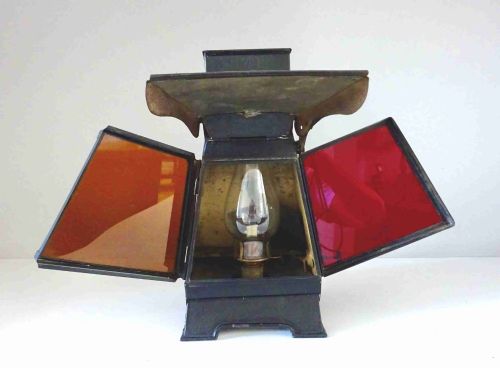

Vintage Brass Oil Lantern
A vintage brass oil lantern brings warm, functional history into a room, combining tactile metalwork with practical domestic or transport illumination.
Vintage Brass Oil Lantern
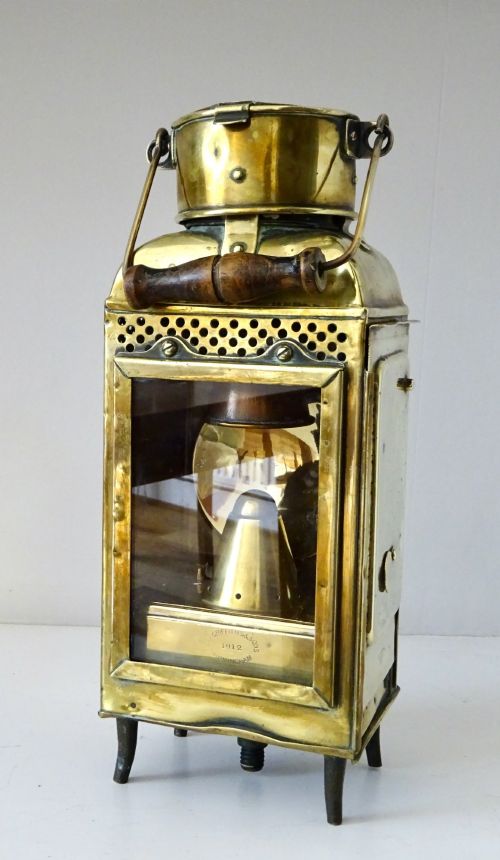
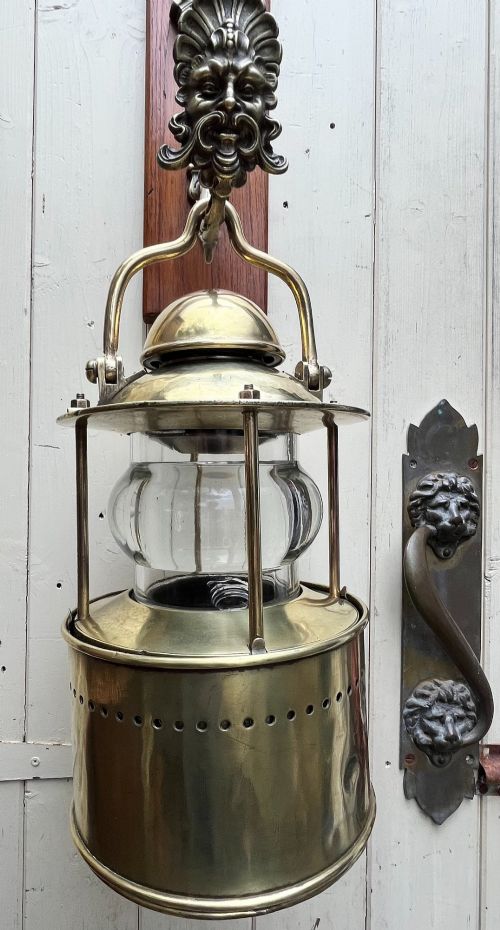
A vintage brass oil lantern is primarily a lighting device fashioned from brass, often appearing in domestic table versions, wall-mounted configurations, and specialised railway or maritime formats. These objects span from the Victorian and Edwardian eras into the early twentieth century, reflecting both household utility and industrial transport requirements.
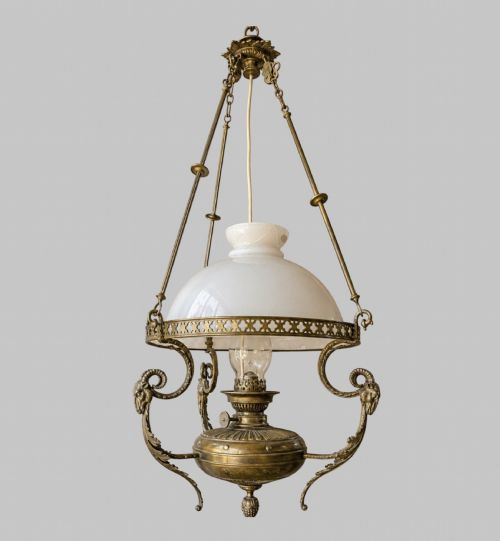
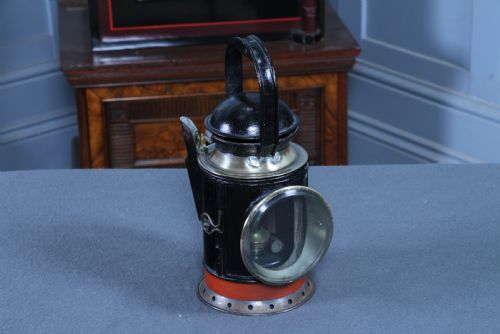
The version most likely to be met on this page is the Victorian or Edwardian domestic oil lamp featuring a brass font, frequently paired with glass elements such as chimneys or coloured shades. Alongside these home pieces, railway-related hand and signal lanterns from companies like GWR and LNER surface regularly in brass and copper.
Forms range from simple brass lamps and hanging paraffin designs to heavy inspector's lanterns, carriage lights, and specialised darkroom equipment like photographer's lamps. Each type tells a distinct story of how light was generated and directed before the widespread adoption of electricity.
Materials and Technique
Construction relies heavily on sheet and cast brass, frequently combined with glass chimneys, milk glass components, and occasionally copper, iron, or ceramic elements. Metal parts are shaped through spinning, stamping, or casting, then joined by soldering and mechanical fastening to create robust fuel reservoirs and protective frames.
Burner mechanisms, such as those produced by Hinks, represent specialised engineering designed to manage airflow and wick combustion efficiently for paraffin and oil. Lenses and shades incorporate blown or moulded glass, sometimes featuring multi-coloured inserts for railway signaling or photographic use.
Vintage Brass Oil Lantern Retail Price Guide 2026
Typical asking prices for vintage brass oil lantern among the pieces listed under this phrase on Sellingantiques today, from the lower quarter to the upper quarter. They describe what is for sale here now, not the wider market.
An inspector on the GWR railway once relied on a tri-colour lens lantern to signal safety, long before pocket torches existed.
Distinctions in Quality
Quality in a vintage brass oil lantern is dictated by the weight of the metal and the integrity of the maker's burner mechanism. Heavier gauge brass and signed components indicate superior manufacturing standard, whereas lighter, unbranded items prioritize economy over durability.
The presence of original matching glass components, such as tinted fonts, intact chimneys, and functional brackets, elevates an example significantly. Pieces with documented railway or maker provenance retain greater historical interest than generic utility models.
Eli Griffiths And Sons·Hinks
The Vintage Brass Oil Lantern Glossary
- Font
- The reservoir that holds the oil or paraffin beneath the burner. It is frequently made of brass or coloured glass.
- Burner
- The mechanical assembly at the top of the font that controls the wick and flame. Makers like Hinks produced notable examples.
- Chimney
- The tall, slender glass tube placed over the flame to stabilise it and ensure proper ventilation. These are often replaceable components.
- Paraffin
- The refined petroleum oil used as fuel in many Victorian and Edwardian lamps. It superseded older whale oil and camphene mixtures.
- Signal Lamp
- A transport lantern equipped with coloured lenses used by railway companies for communication. They were built to withstand harsh weather conditions.
Vintage Brass Oil Lantern: Frequently Asked Questions
Can I still burn oil in these lanterns?
Many of these lamps retain their original burners and mechanisms, making functional use possible with appropriate fuel and wicks. However, safety checks for leaks and hairline cracks in glass or metal are essential before lighting.
Most modern buyers choose to display them as decorative objects rather than active light sources. If you do intend to burn oil, ensure the wick is trimmed correctly and the environment is well ventilated.
How do I date a brass oil lantern?
Dating relies on stylistic clues, burner patents, and occasionally manufacturer stamps or railway company initials stamped into the metal. Victorian and Edwardian examples often display ornate casting or specific maker marks on the turning knobs.
Simpler utilitarian railway and industrial models from the early twentieth century prioritize function over ornamentation, often showing clear corporate stamps. Comparing the form against dated catalogue records helps narrow the production window.
What is the difference between a railway lantern and a domestic lamp?
Railway and industrial lanterns are built for rugged portability, featuring heavy iron, copper, or brass frames, protective guards, and coloured lenses for signaling. They were engineered to endure wind, rain, and constant movement.
Domestic table and hanging lamps focus on interior aesthetics, utilising decorative brass fonts, ceramic bases, and delicate glass shades. Their primary purpose was ambient room illumination rather than outdoor transport signalling.