



Brass Railway Lamp
A brass railway lamp brings heavy-duty utility and warm metal tones straight from the carriage into your home.
Brass Railway Lamp
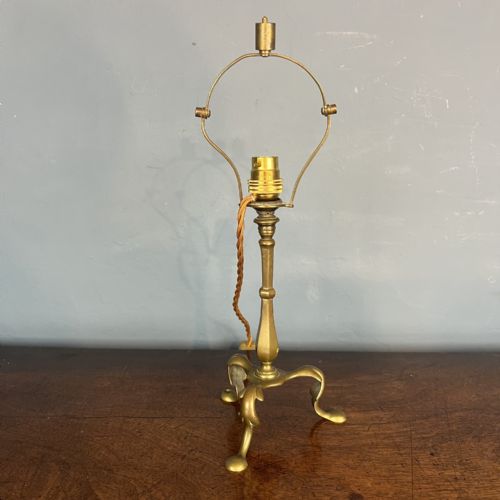
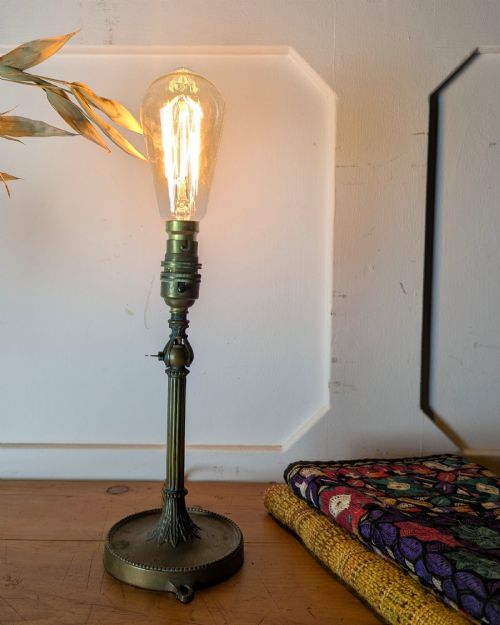
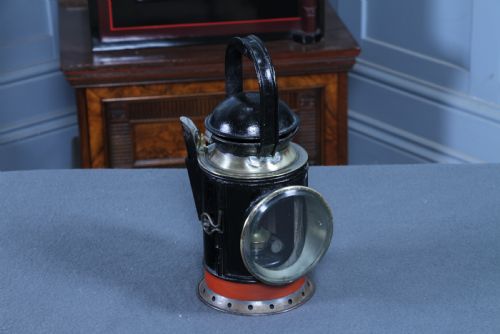
A brass railway lamp encompasses sturdy lighting items built for transit use, including Pullman table lamps, carriage lights, hand lanterns, and signal oil lamps. When you search for a brass railway lamp, you encounter pieces designed to withstand vibration and movement on Victorian, Edwardian, and mid-century lines.
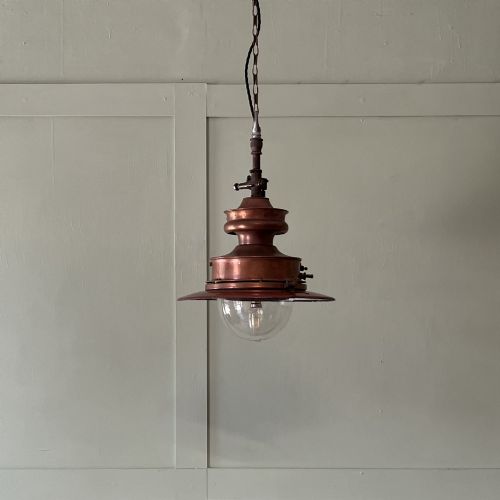
The most common versions on this page are Pullman lamps made for passenger carriage tables and walls, often pairing polished metal with opaline glass shades. You also find specialised items like GWR and LNER oil lamps, alongside hanging copper lanterns and gimbal lamps suited for both trains and ships.
These items originate across several decades, spanning late nineteenth-century examples up to nineteen-forty signal lights. Each piece reflects the functional requirements of British railway companies, built to endure daily transit service before finding a second life in domestic interiors.
Materials and construction methods
Makers built these pieces primarily from solid brass, copper, and painted steel, combining heavy metal sheets and cast components for durability. Iron and wood also appear in structural mounts or handles, ensuring the lanterns survived rough handling by inspectors and guards.
Glass forms a critical element of the construction, utilising clear, coloured, or opaline shades designed to diffuse light or signal clearly along the tracks. Lenses often feature multi-colour configurations to serve operational signaling needs on nineteenth and twentieth-century networks.
Brass Railway Lamp Retail Price Guide 2026
Typical asking prices for brass railway lamp among the pieces listed under this phrase on Sellingantiques today, from the lower quarter to the upper quarter. They describe what is for sale here now, not the wider market.
Listings feature items spanning the Victorian era through the nineteen-forties, utilising brass, copper, painted steel, and opaline glass.
Assessing quality and finish
The distinction between standard utility items and finer examples lies in the heft of the metalwork and the presence of maker markings. Heavier solid brass castings and intact manufacturer stamps elevate a piece above standard mass-produced variants.
Integration of original components such as specialised tri-colour lenses, gimbal mounts, and intact opaline shades determines the completeness of a lamp. Pieces retaining their original railway company stampings or maker badges carry stronger historical character.
Eli Griffiths and Sons Birmingham
The Brass Railway Lamp Glossary
- Pullman lamp
- A specialised light fixture designed for use inside passenger railway carriages, typically featuring secure wall or table mounts. These lamps often combine brass frames with shades to diffuse light during overnight journeys.
- Gimbal lamp
- A pivoting lighting fixture suspended on a set of concentric rings that keeps the burner level despite motion. This mechanism prevented fuel spills on rolling trains and rolling stock.
- Opaline glass
- A milky, translucent white glass used extensively for shades to soften harsh illumination. It provides an even, glare-free spread of light suited for confined carriage spaces.
- Signal oil lamp
- A functional lantern equipped with coloured lenses used by railway staff for communication and signaling. These robust units burned oil to project clear warnings or directions along the tracks.
Brass Railway Lamp: Frequently Asked Questions
What is a brass railway lamp?
A brass railway lamp is a robust lighting fixture originally manufactured for use on trains, stations, or railway carriages during the nineteenth and twentieth centuries.
These pieces range from dining table lamps used in Pullman cars to heavy-duty hand lanterns carried by inspectors along the tracks.
How were these lamps used?
Railway staff and passengers relied on these lamps for illumination, navigation, and signaling across the British transport network.
Table and wall versions lit passenger compartments, while signal and hand lanterns directed train movements and inspected carriages.
How do I style a railway lamp at home?
You can place table lamps on sideboards or desks, and mount wall versions in hallways or studies to add industrial character.
Their polished metal surfaces and aged patinas complement both traditional interiors and modern loft spaces.
How can I tell the period of a lamp?
Dating relies on materials, company stamps, and design styles ranging from Victorian copper lanterns to Edwardian Pullman fixtures.
Makers' marks, patent dates, and company initials like GWR or LNER help narrow down the specific decade of manufacture.