




Antique Railway Lamps
Antique railway lamps are functional survivors of a steam-powered age, combining rugged engineering with distinctive brass and copper forms that bring genuine industrial character to a room.
Antique Railway Lamps
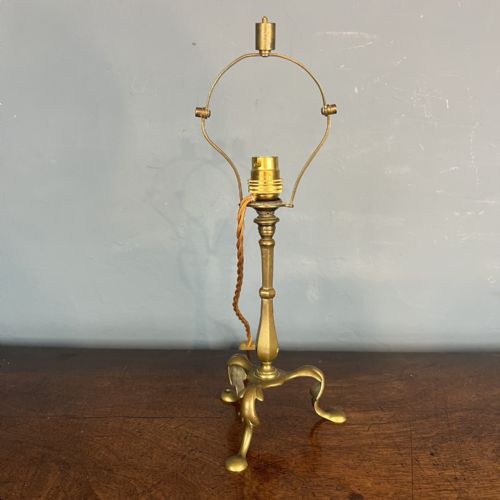
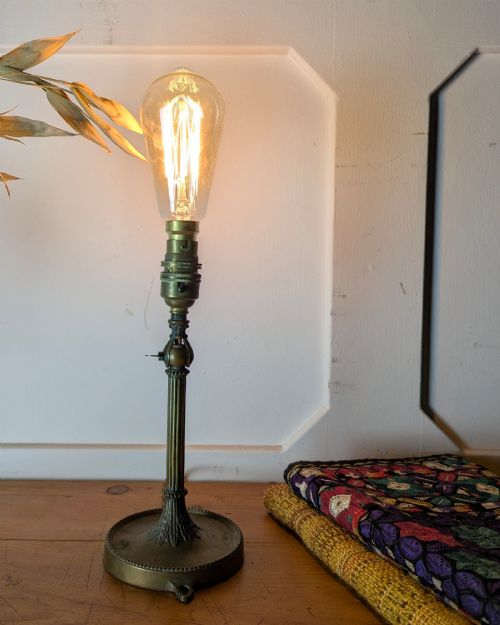
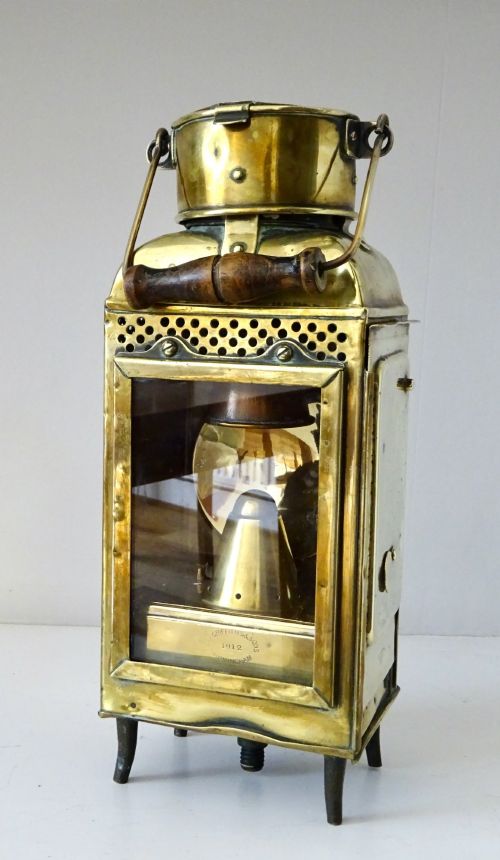
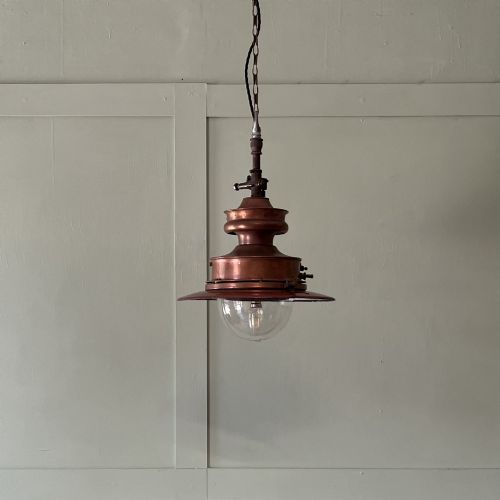
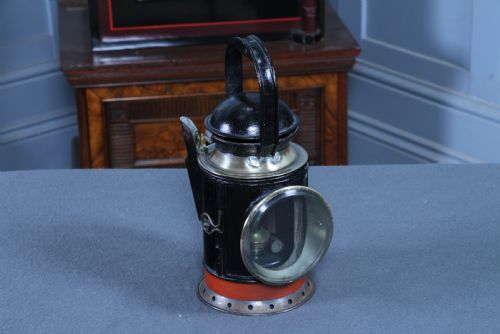
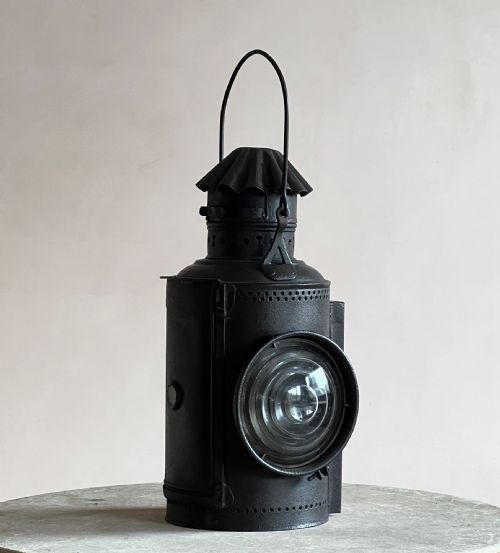
When you search for antique railway lamps, you enter a domain of utilitarian metalwork designed to withstand the rigorous conditions of nineteenth and twentieth-century transport networks. These items range from heavy signal oil lamps and inspector hand lanterns to sophisticated brass Pullman table lamps used in first-class carriages.
The pieces on this page span the Victorian, Edwardian, and later twentieth-century eras, reflecting the expansion of railways through diverse materials like copper, brass, iron, and painted steel. Forms vary from simple wall-mounted fixtures to complex gimbal lamps and hanging lanterns, each bearing the practical marks of heavy daily use on the tracks.
How they were made
The construction of these items relies heavily on durable metals, with brass and copper forming the basis of finer carriage fittings, while iron and painted steel dominate the heavy-duty outdoor signal lanterns. Makers shaped these materials to resist vibration and weather, soldering and riveting components for maximum structural strength.
Optics played a vital role in their manufacture, incorporating thick moulded glass, coloured lenses, and opaline shades to direct and colour light effectively. Metal components were often finished with polished surfaces for interior Pullman cars or left with robust protective coats for utilitarian outdoor railway use.
Listings feature materials spanning brass, copper, iron, silver, wood, and glass across Victorian and Edwardian railway eras.
What varies in quality
Quality in these items is largely defined by the original context of use, distinguishing luxurious first-class carriage fittings from standard utilitarian line equipment. Pullman lamps display refined brass casting and delicate opaline glass, whereas signal lamps prioritise functional thickness and robust iron construction over decorative flourishes.
The presence of clear railway company stampings, such as GWR or LNER, along with intact mechanical mechanisms like gimbals and tri-colour lens assemblies, elevates a piece. Superior examples retain their original surface patination and unpolished mounts, showing the authentic wear of the railway lines rather than modern intervention.
Eli Griffiths & Sons·Dressel
The Antique Railway Lamps Glossary
- Pullman lamp
- A decorative and functional lighting fixture designed specifically for high-end railway carriages. These pieces often feature polished brass work and opal glass shades.
- Gimbal lamp
- A lighting fixture mounted in a pivoting ring system that keeps the lamp level despite movement. This mechanism was essential for steady illumination aboard swaying trains and ships.
- Signal oil lamp
- A heavy-duty utilitarian lantern used for railway signalling and track inspection. They generally utilise durable painted steel or iron with coloured glass lenses.
- Opaline glass
- A milky, translucent white glass frequently used for lamp shades to diffuse light evenly. It was a popular choice in Edwardian carriage interiors.
- Railwayana
- The broad category of artefacts and memorabilia collected from the history of rail transport. It encompasses everything from hand lanterns and station clocks to carriage lamps.
Antique Railway Lamps: Frequently Asked Questions
How do I date a railway lamp?
Dating relies on identifying company stampings, manufacturing styles, and materials used across the Victorian and Edwardian periods. Documentation or stamped station markings often provide a precise timeframe.
Simpler utilitarian signal lamps changed very little over decades, meaning construction methods and fastener types offer the most reliable clues to their exact age.
Were these lamps used inside trains?
Many fine brass and copper examples originated inside passenger carriages, particularly dining and first-class Pullman cars where lighting needed to be both secure and elegant.
Other heavier iron and steel variants were strictly for outdoor use by inspectors, station masters, and signalmen along the track networks.
Can I convert these lamps for modern electric use?
While many collectors prefer to leave them in their original oil-burning or unlit state, some choose to adapt them with discreet modern wiring.
Careful conversion allows these industrial forms to serve as functional desk or table lamps in contemporary homes without damaging the historic metalwork.
What do company stampings mean?
Stampings such as GWR or LNER indicate the specific railway network that once owned and operated the item. These marks add historical context and help verify authenticity.
Inspectors and station numbers stamped into the metal also point to the specific department or station where the lamp was deployed.