



Antique Glass Drinkware
Antique glass drinkware brings centuries of refined toast-raising to the table, spanning robust Georgian drams and delicate Victorian crimsons.
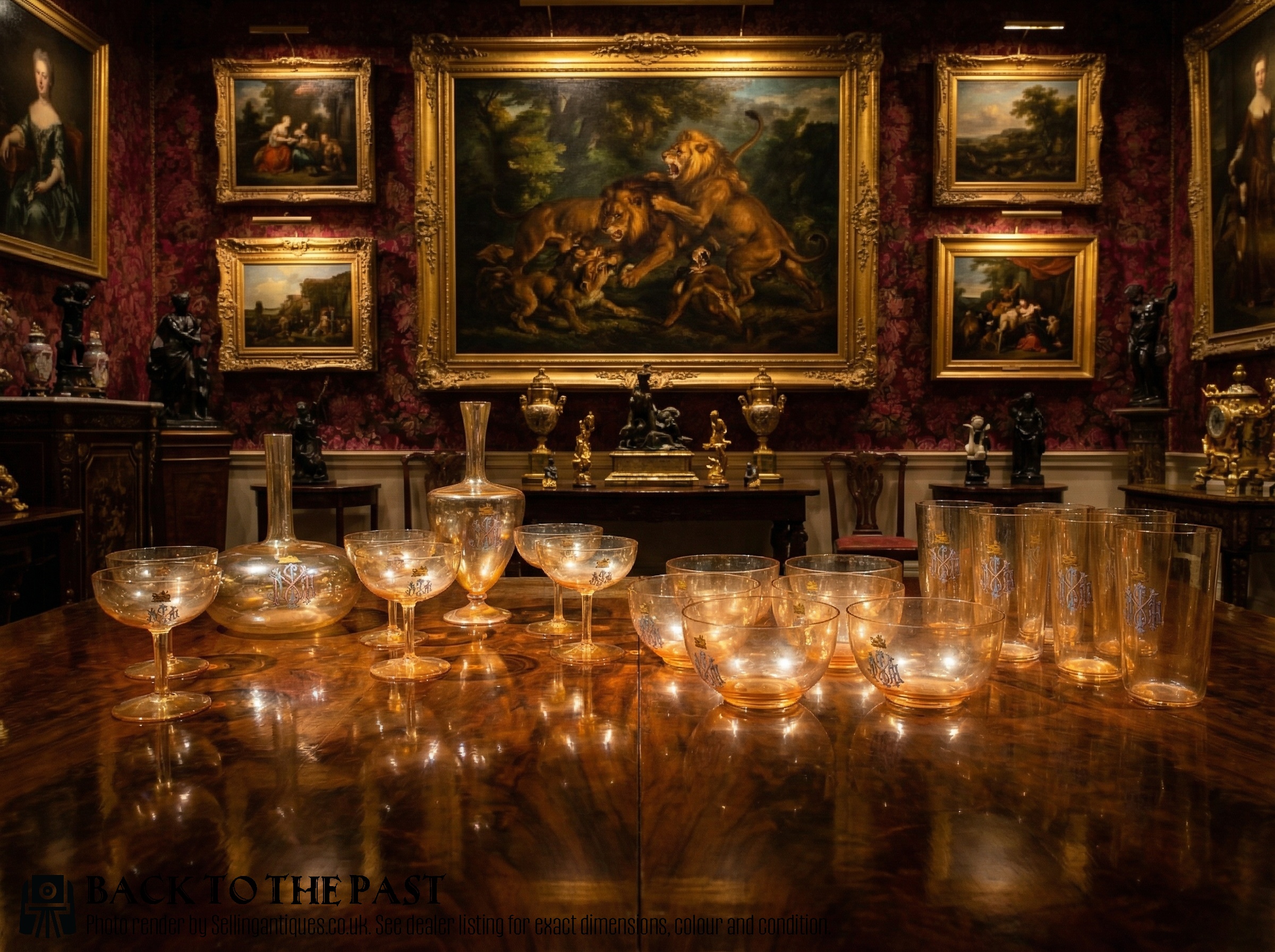
Antique Glass Drinkware
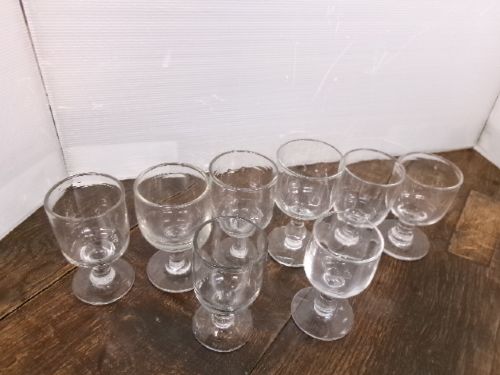
When you search for antique glass drinkware, you encounter a diverse collection spanning vessels designed for wine, spirits, and formal service across multiple centuries. These pieces encompass everything from single dram glasses and port vessels to extensive suites for punch and dining.
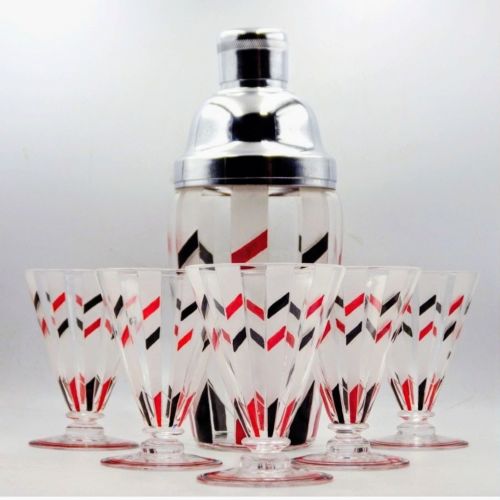
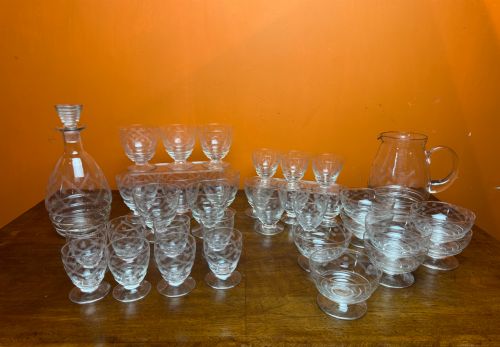
The most common examples on this page hail from the Georgian, Victorian, and Edwardian eras, alongside early twentieth-century Art Deco suites. You will frequently find sets of wine glasses, tumblers, and decanters shaped by British, Bohemian, and French makers.
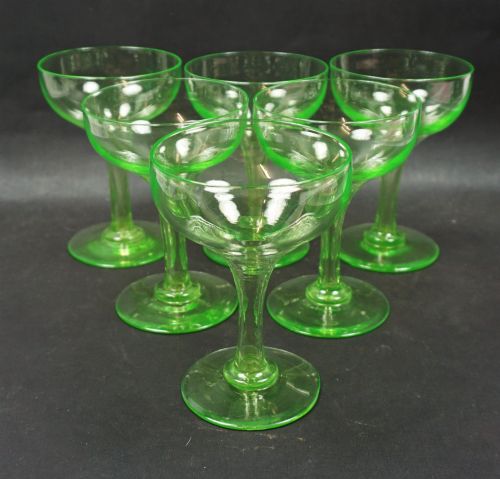
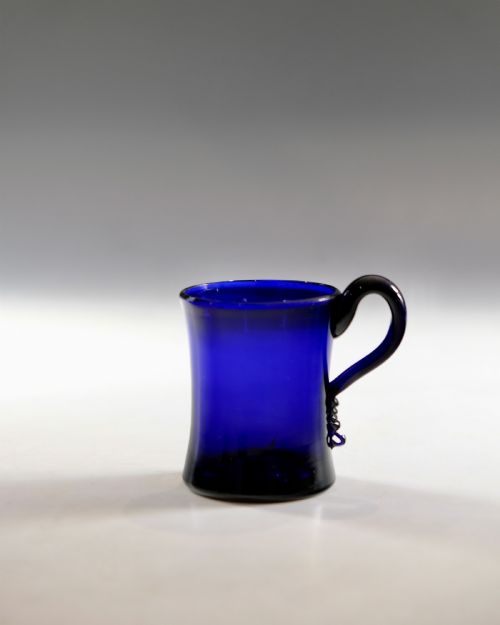
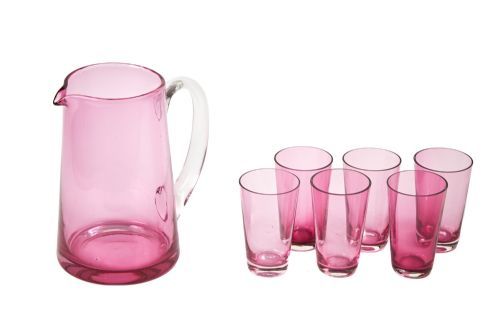
Forms range from small cordials and sherry glasses to large tankards and punch bowls, reflecting the shifting social habits of dining and entertaining. Each period brings distinct silhouettes, from heavy cut lead crystal to vibrant cranberry and Bristol green tones.
How they were made
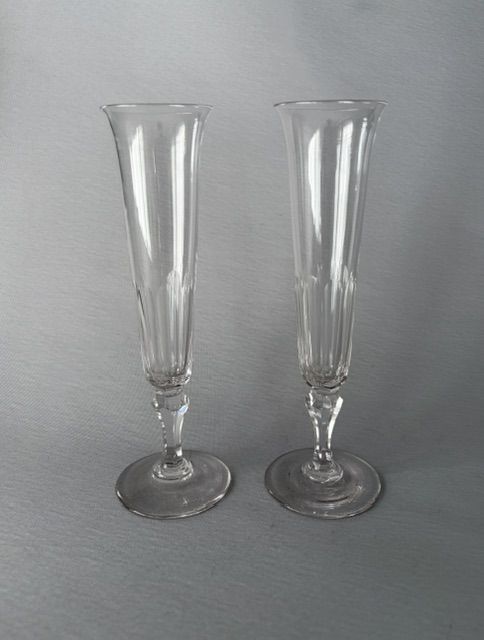
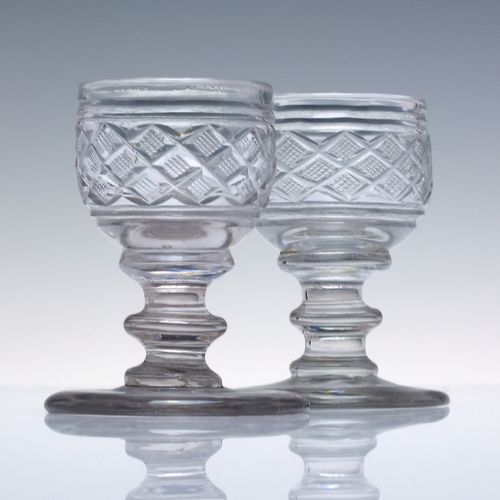
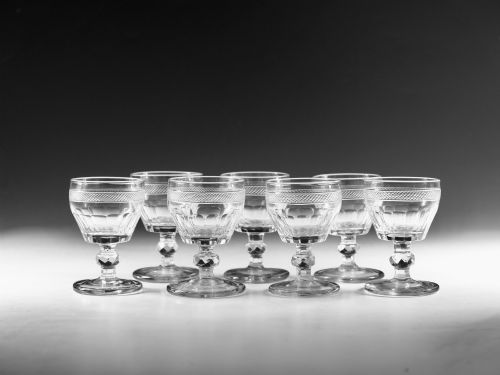
Makers utilised lead crystal, clear glass, and coloured variations such as cranberry and cobalt, shaping them through blowing, moulding, and wheel-cutting. Heavy cutting created deep facets that catch the light, while acid etching provided intricate surface patterns.
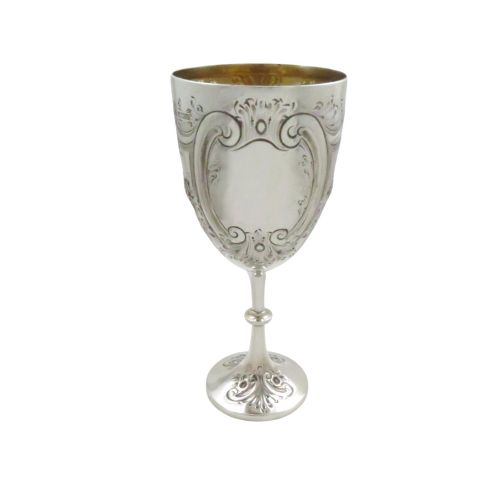
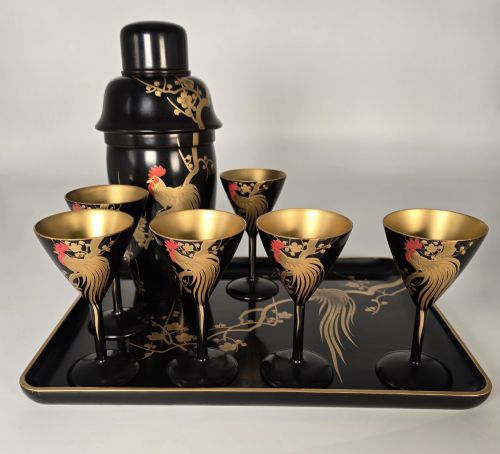
Silver mounts and accents appear alongside glass bodies, incorporating techniques like hammering and engraving to finish items such as cocktail shakers and spirit beakers. Artisans also applied hand-painted lacquer and enamel decoration to achieve specific stylistic effects.
Antique Glass Drinkware Retail Price Guide 2026
Typical asking prices for glass drinkware among the pieces listed under this phrase on Sellingantiques today, from the lower quarter to the upper quarter. They describe what is for sale here now, not the wider market.
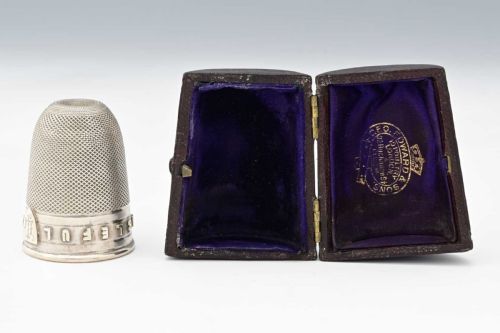
A Victorian silver tumbler takes the shape of a giant thimble, complete with the motto just a thimbleful.
What varies in quality
Quality rests on the depth and crispness of the wheel-cutting, the clarity of the metal, and the harmony of proportion within a matched suite. Superior pieces exhibit precise facet junctions and uniform wall thickness across every glass in a set.
The sophistication of the decorative scheme, whether through delicate acid etching or master engraving, separates standard utilitarian vessels from exceptional salon displays. Weight, resonance, and the absence of optical distortion in the glass further define the upper tier.
Otto Prutscher·Aleksandr Timofeyevich Shevyakov·Moser
The Antique Glass Drinkware Glossary
- Lead glass
- Glass containing lead oxide, which increases brilliance, weight, and the time available for working the hot metal. This material forms the basis of many fine drinking vessels.
- Cut glass
- Glass decorated by holding it against rotating wheels to grind deep geometric patterns into the surface. The resulting facets scatter light sharply.
- Cranberry glass
- Transparent red glass coloured with gold chloride during production, popular during the Victorian era for tableware and jugs. It ranges from a pale pink to a deep crimson.
- Acid etching
- A technique where acid bites into unprotected areas of the glass surface to create frosted designs or patterns. It allows for intricate floral and geometric decoration.
- Dram glass
- A small historical drinking vessel intended for a single measure of spirits such as whisky or dram. These pieces often feature sturdy feet and thick bowls.
- Rummer
- A large, capacious drinking glass popular in the eighteenth and nineteenth centuries for wine, ale, or punch. They typically stand on a short stem with a substantial foot.
Antique Glass Drinkware: Frequently Asked Questions
Can I use these glasses daily?
Many sturdy Victorian and Edwardian glasses remain entirely functional for occasional toasts and dinner parties. Handle heavier lead crystal with care to avoid chipping rims against other surfaces.
Reserve fragile eighteenth-century or highly decorated sets for display or very gentle use to preserve their historical surfaces.
What is the difference between lead glass and crystal?
Lead glass contains a significant percentage of lead oxide, which softens the material for easier cutting and increases its refractive index. Crystal is simply a high-clarity subset of lead glass.
Pieces made from this material tend to feel heavier and produce a distinct ringing sound when gently tapped.
How do I date a cut glass piece?
Examine the weight, the style of the cutting, and the contour of the bowl to find clues about the period of manufacture. Georgian pieces often show hand-polished facets and heavier pontil marks on the base.
Later Victorian and Edwardian examples feature more mechanised precision and standardised suite sizing across larger sets of glasses.