
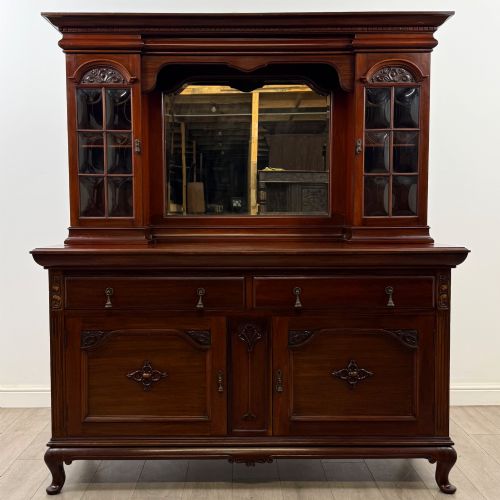
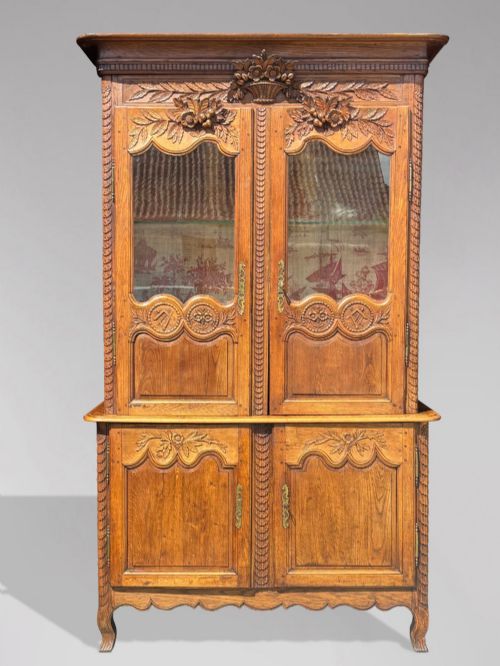
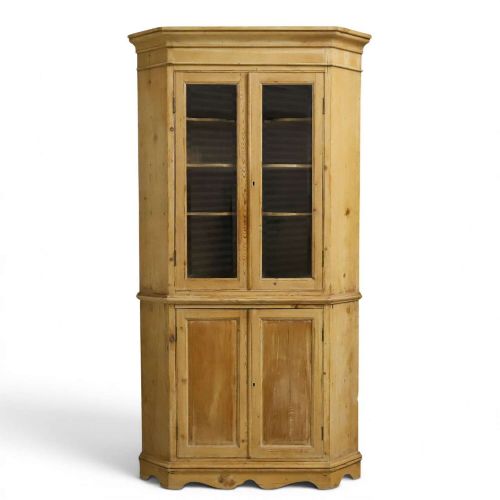
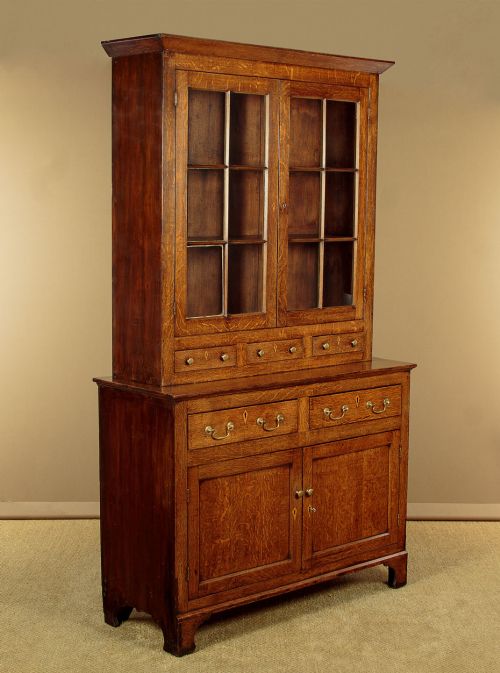
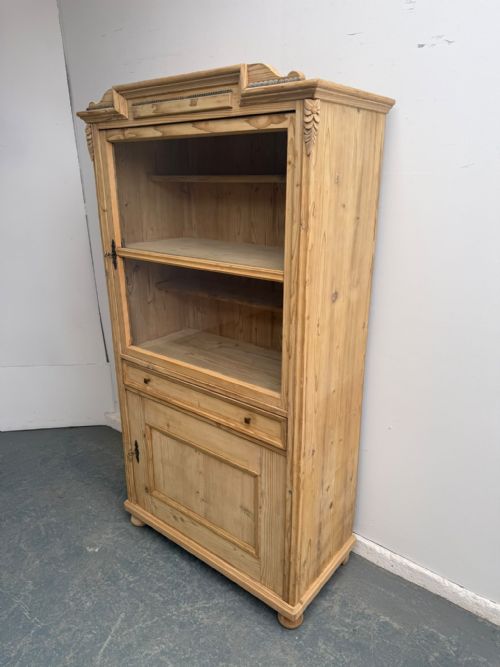
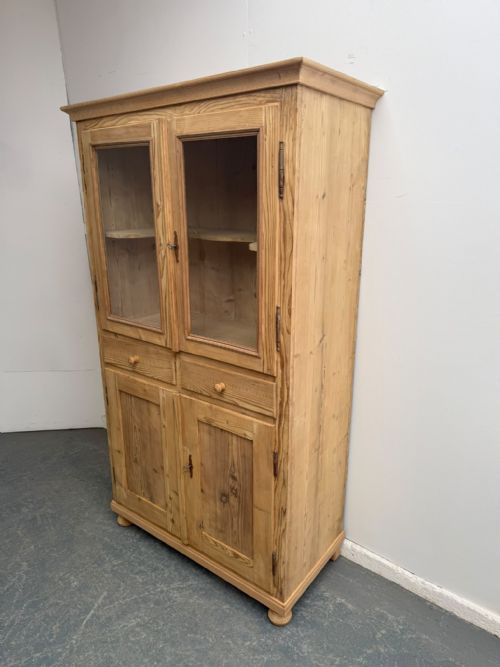
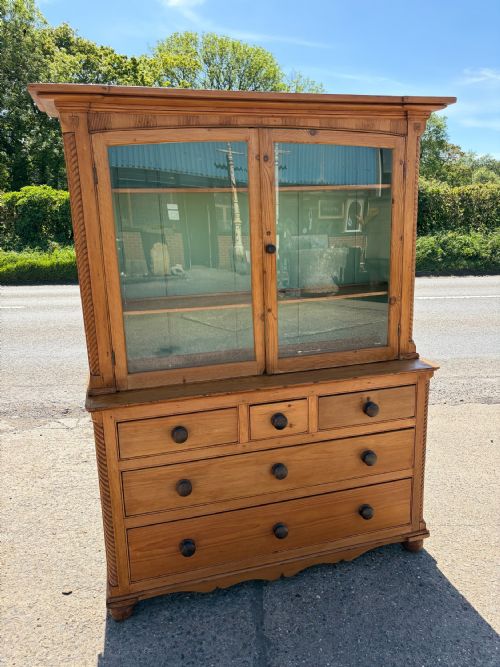
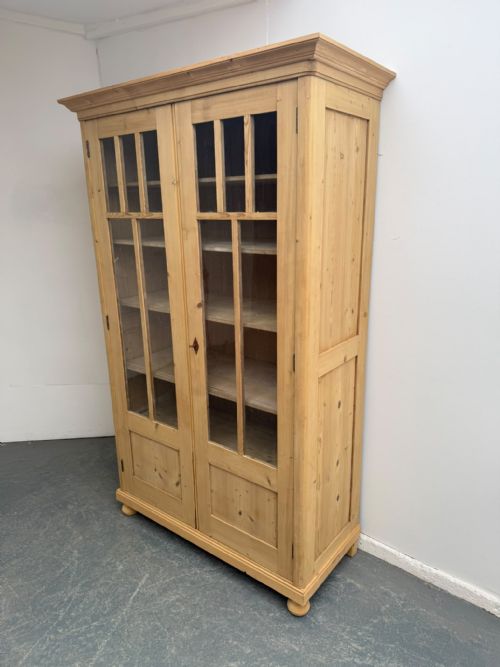
Antique Glass Display Dresser
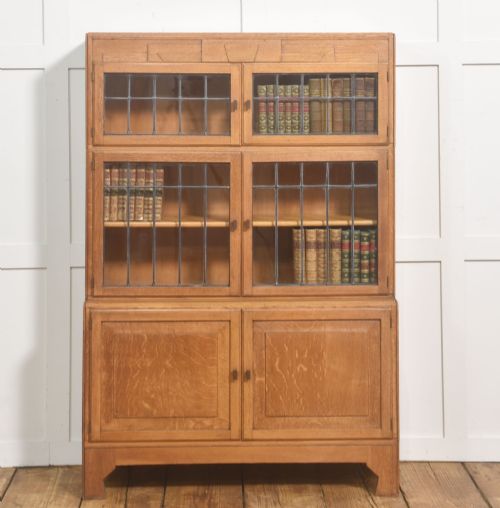
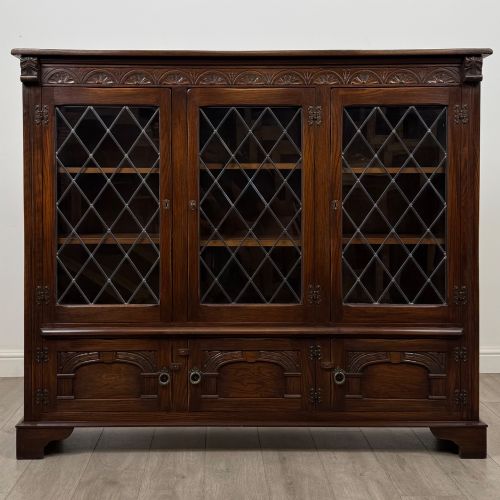
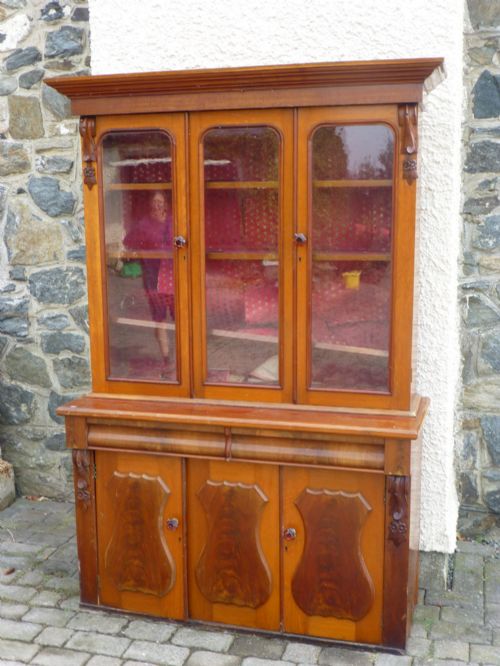
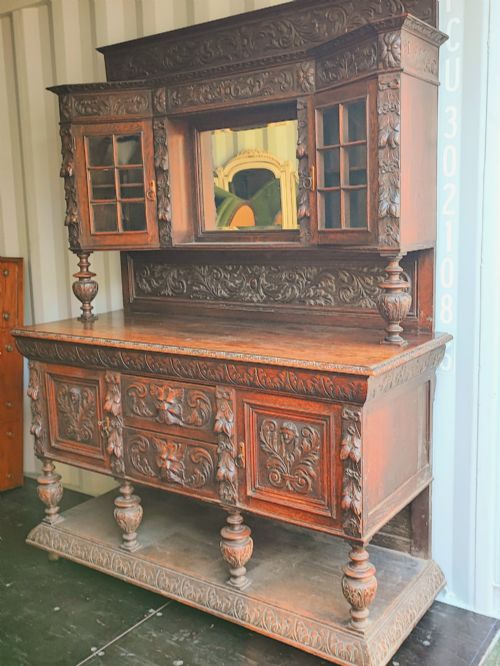
An antique glass display dresser offers a practical stage for silver and china, combining visible shelving with enclosed storage.
Antique Glass Display Dresser
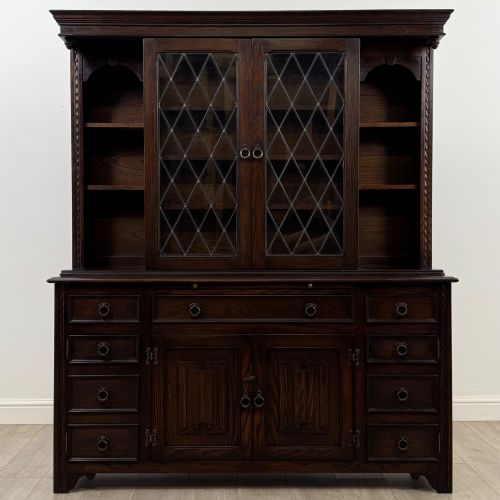
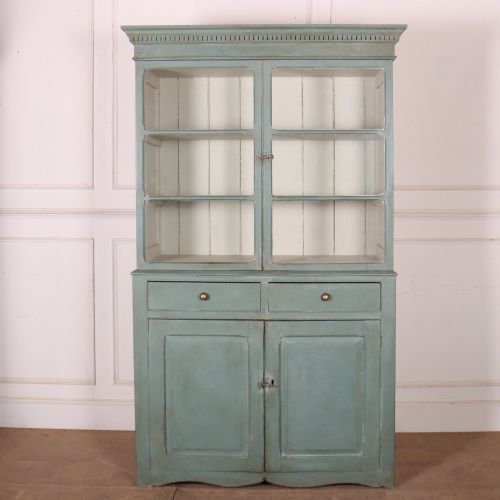
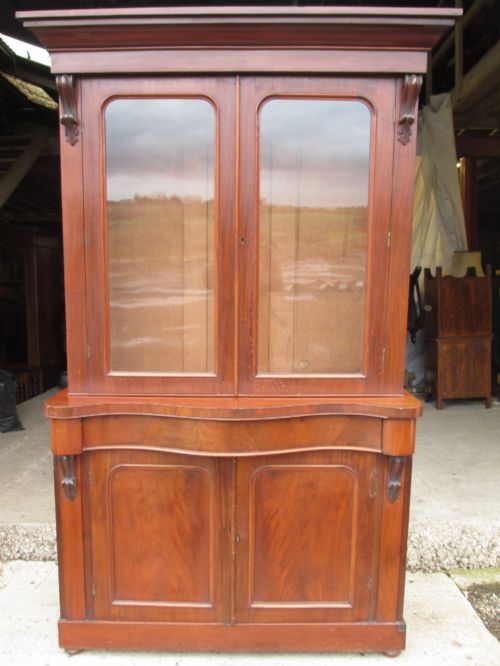
An antique glass display dresser bridges the gap between utilitarian storage and formal presentation. Buyers searching for an antique glass display dresser encounter a variety of regional forms, including Welsh and Cornish kitchen dressers, two-part pine cupboards, and tall mahogany library bookcases.
The pieces on this page span the eighteenth, nineteenth, and early twentieth centuries. Originating from English country houses, Welsh farmhouses, and continental workshops, these items use glass panels to show off contents while keeping dust at bay.
Materials and Construction
Carpenters relied heavily on timber such as oak, mahogany, pine, and walnut to build the foundational carcasses and shelving. Lead and brass secure individual glass panes within doors, while iron hardware reinforces heavy doors and drawers.
Carving, marquetry, and painted finishes define the exterior surfaces of these cabinets. Joinery methods reflect regional traditions, from the two-part form of corner cupboards to the grand scale of glazed bookcases.
The listings here feature oak, mahogany, pine, and walnut timbers across Victorian, Edwardian, and eighteenth-century periods.
Judging Quality
Quality rests in the harmony of timber selection and the integrity of the original glazing. Pieces showcasing well-figured oak or rich mahogany with intact leaded glass demonstrate superior workshop standards.
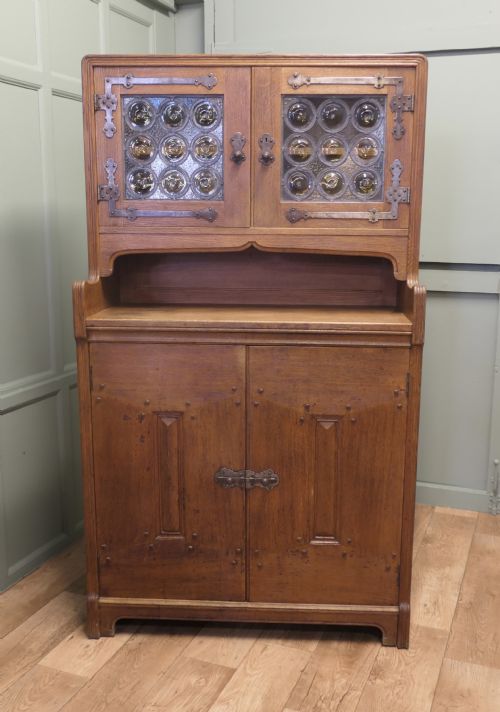
The finesse of hand-carved details and the retention of original paint or wax finishes separate standard utility furniture from pieces commissioned from notable makers or distinctive design movements.
Liberty & Co.
The Antique Glass Display Dresser Glossary
- Buffet deux corps
- A two-body cabinet consisting of an upper glazed section set upon a lower sideboard base. This French form provides ample storage for both display and utility.
- Credenza
- A low cabinet, often featuring burr walnut and marquetry decoration. These pieces originated for the display of items rather than heavy kitchen storage.
- Leaded glass
- Glass panes held together by strips of lead. This technique creates geometric or decorative patterns across cabinet doors.
- Scrumbled
- A decorative paint technique simulating wood grain. It appears on pine kitchen dressers to give cheaper timber a richer appearance.
- Cwpwrdd Gwydr
- A traditional Welsh glazed cupboard. These regional pieces combine open or enclosed shelving with glass display doors.
Antique Glass Display Dresser: Frequently Asked Questions
What is an antique glass display dresser?
An antique glass display dresser is a multi-tiered storage unit featuring transparent glass doors or upper sections designed to exhibit tableware, books, or collections.
These pieces combine the utility of a cupboard or sideboard with the decorative appeal of a display cabinet.
How were these dressers used historically?
Historically, these items served in kitchens, dining rooms, and libraries to store and showcase household possessions. The upper glass sections protected prized ceramics and books from dust while keeping them visible.
Lower cupboards and drawers accommodated heavier tableware, linens, and provisions out of sight.
How do I live with an antique dresser?
Living with these pieces involves balancing weight distribution on sturdy shelves and positioning them away from direct sunlight to protect antique timber and glass.
Regular waxing maintains wooden surfaces, while interior lighting can be added discreetly to highlight displayed collections.
How do I tell different periods apart?
Eighteenth-century examples often display formal architectural proportions and rich walnut or oak timbers. Victorian and Edwardian pieces frequently introduce revival styles, heavier carvings, and diverse pine or mahogany finishes.
Twentieth-century items embrace Arts and Crafts simplicity or early modern clean lines.