


Antique Glass Cloche Cover
These antique glass cloche covers offer a protective and clear housing for prized ornaments, clocks, and botanical specimens.
Antique Glass Cloche Cover
An antique glass cloche cover serves primarily to protect delicate objects such as taxidermy, clocks, and botanical specimens from dust and handling. When you search for an antique glass cloche cover, you encounter variations designed for specific display purposes, ranging from tall specimen cases to wide clock domes.
The pieces on this page span the Victorian and Edwardian periods, alongside examples from around 1900 and Georgian times. The selection includes garden cloches framed in copper alongside domestic display domes meant for the table or mantelpiece.
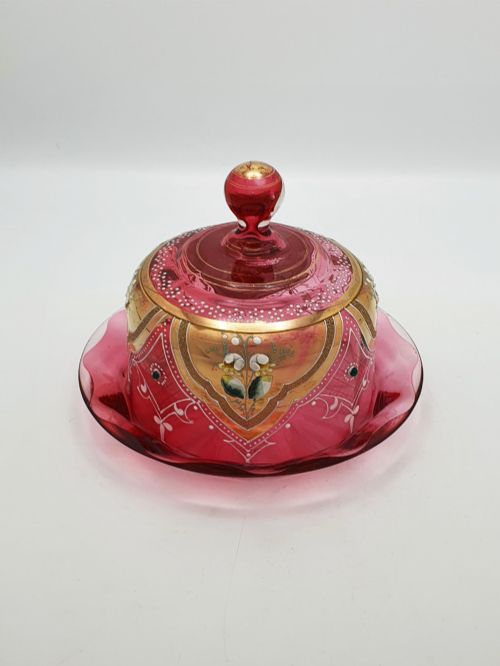
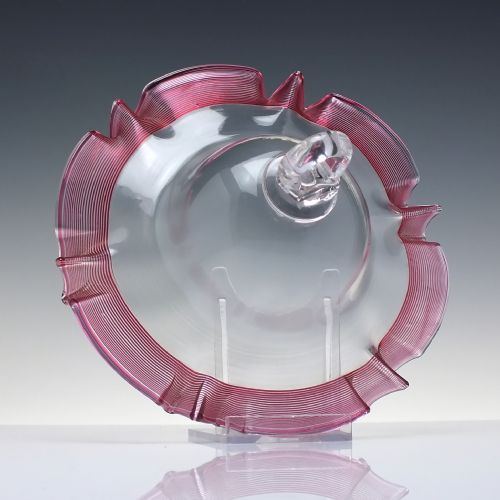
Most domestic examples sit upon a wooden base made from oak, beech, pine, or ebonised wood, sometimes lined with baize, felt, fabric, or velvet. Alongside standard circular forms, you find oval shapes and ovoid clock domes, as well as specialised items like cranberry glass cheese dishes.
Materials and construction
The blown or moulded glass forms the central protective element, paired with timber bases fashioned from oak, beech, pine, or ebonised wood. In some instances, such as the garden cloche covers, copper frames secure the quarter-inch glass panes.
Bases frequently incorporate textile linings such as velvet, baize, felt, or general fabric to cushion the objects displayed within. The timber components show standard period joinery appropriate for domestic display furniture and showcase fittings.
Materials recorded across the inventory include clear glass, cranberry glass, oak, beech, pine, copper, and velvet.
Factors that define quality
The clarity and thickness of the glass distinguish finer domes, particularly where hand-blown production leaves subtle optical ripples without heavy distortion. Uniformity in the glass wall thickness points to superior manufacturing standards during the Victorian and Edwardian eras.
The finish and material of the base also separate standard pieces from more substantial examples. Solid hardwood bases in oak or beech, complete with intact original fabric or velvet linings, elevate the overall integrity of the display case.
The Antique Glass Cloche Cover Glossary
- Cloche cover
- A bell-shaped or domed glass cover used originally in gardens for plant protection or indoors for displaying ornaments. The term applies equally to garden frames and table protectors.
- Taxidermy dome
- A tall glass cover specifically proportioned to house preserved birds, animals, or insects upon a fitted wooden base. These protect fragile specimens from dust and moisture.
- Clock dome
- A tall, clear glass cover designed to fit over a mantel, carriage, or bracket clock to keep the mechanism clean. They often feature ovoid or circular profiles matching the clock base.
- Ebonised wood
- Timber treated with a dark stain or chemical process to imitate ebony. It appears frequently on the display bases of late Victorian and Edwardian domes.
- Baize
- A coarse woolen material resembling felt used historically to line the recessed grooves of display dome bases. It provides a soft surface for resting glass covers and delicate objects.
Antique Glass Cloche Cover: Frequently Asked Questions
What were glass cloche covers used for?
These glass covers served both domestic and horticultural purposes, protecting delicate items indoors and forcing growth outside.
Indoors, they shielded clocks, taxidermy, and ornaments from dust in period homes.
How do I clean an antique glass dome?
Use a soft cloth and mild glass cleaner, taking care around fragile edges and older wooden bases.
Remove the dome from its base before cleaning to avoid accidental impacts against the timber.
Can I use these domes for modern displays?
They function effectively for highlighting contemporary sculptures, dried botanicals, and cherished collectibles.
The clear glass preserves the items while maintaining a traditional aesthetic.
How do I tell Victorian domes from Edwardian ones?
Victorian examples often display heavier glass and deep ebonised or walnut bases for formal taxidermy.
Edwardian pieces tend toward lighter woods like beech and simpler proportions suited for domestic mantelpieces.