


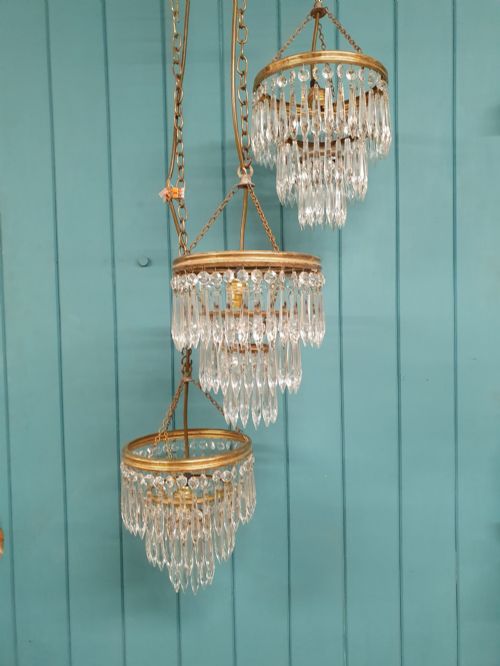
Antique Glass Ceiling Pendant
An antique glass ceiling pendant brings focused illumination and period character to a room, ranging from simple globes to elaborate multi-light chandeliers.
Antique Glass Ceiling Pendant
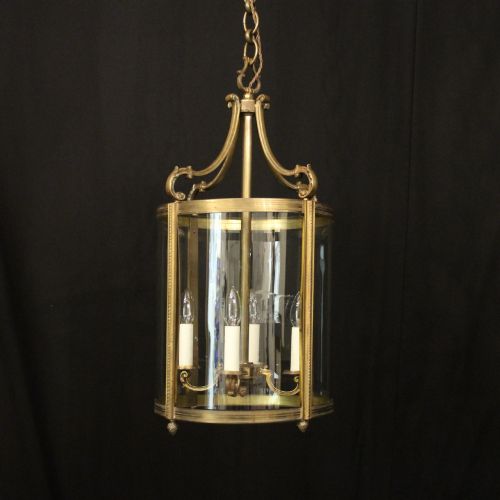
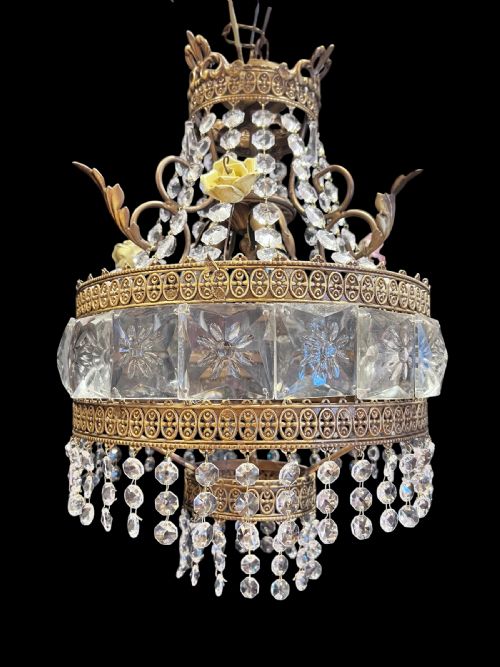
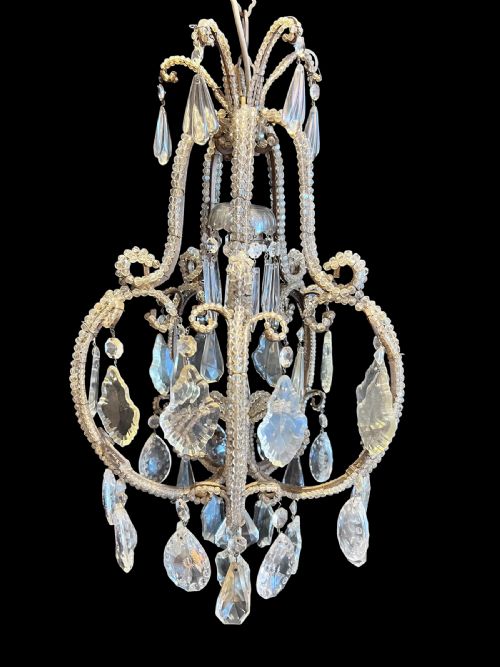
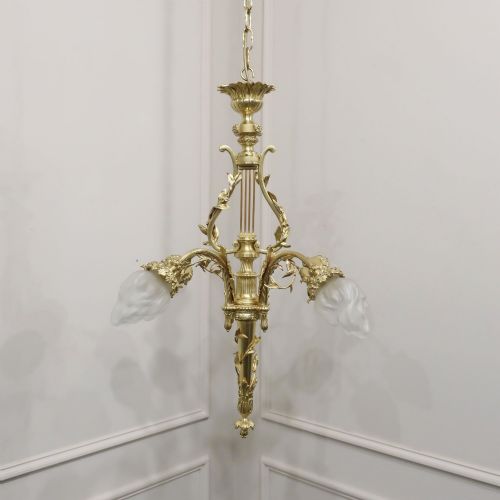
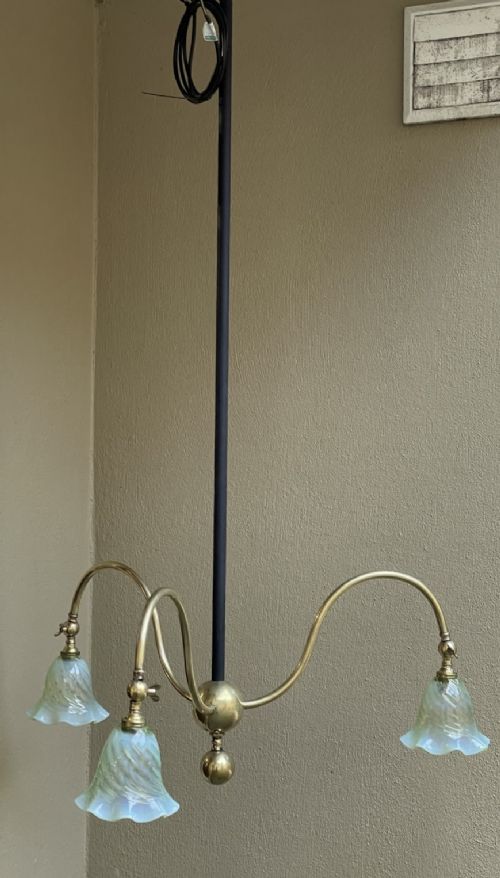
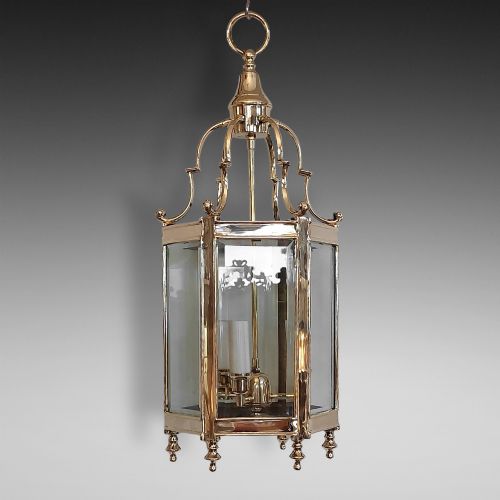
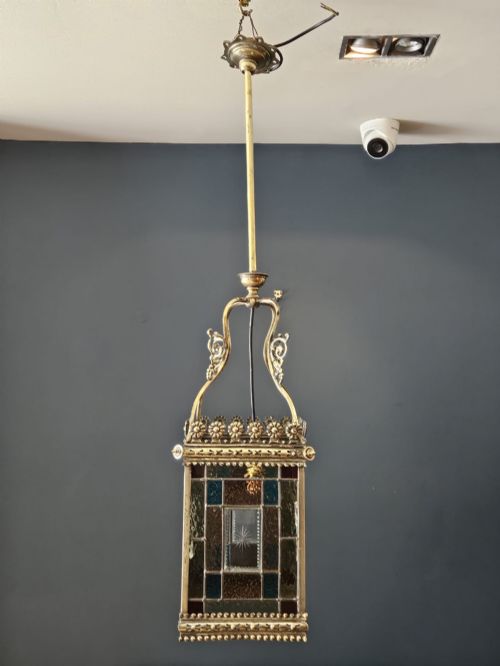
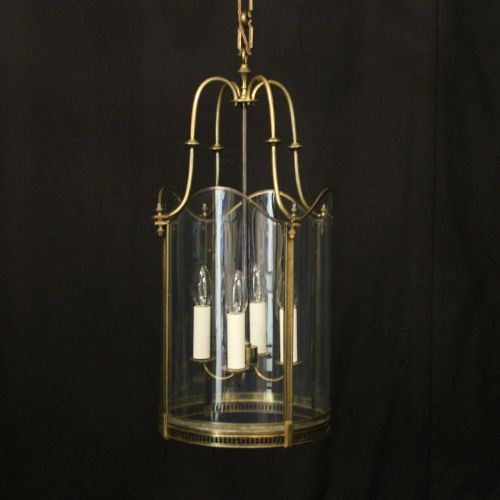
An antique glass ceiling pendant encompasses a broad spectrum of hanging light fixtures designed to illuminate interiors from above. When you explore this selection, you encounter forms ranging from single globe pendants and hall lanterns to grand multi-branch chandeliers.
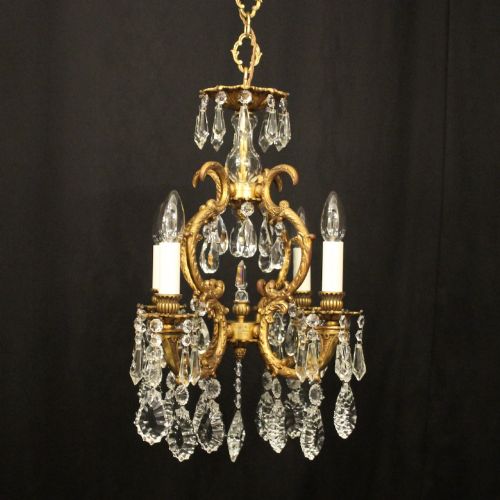
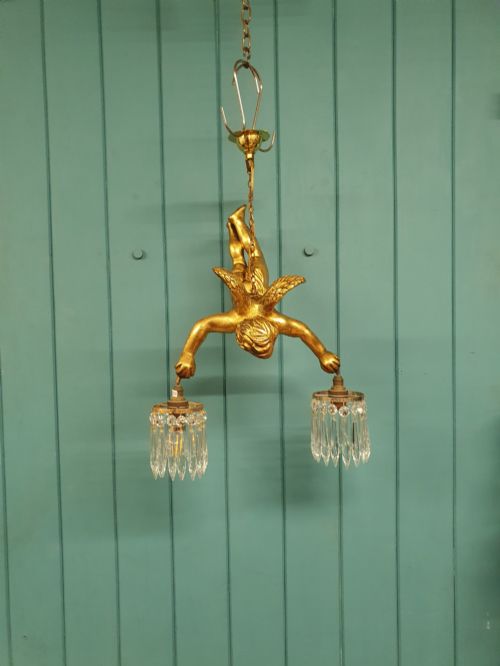
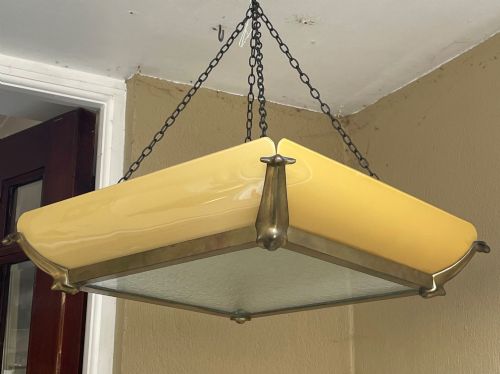
The pieces span various eras, drawing heavily from Victorian, Edwardian, and Art Deco periods, alongside distinct regional aesthetics like French chateau and Arts and Crafts styles. Common materials include brass, crystal, cut glass, and gilt bronze, often paired with opalescent or coloured glass components.
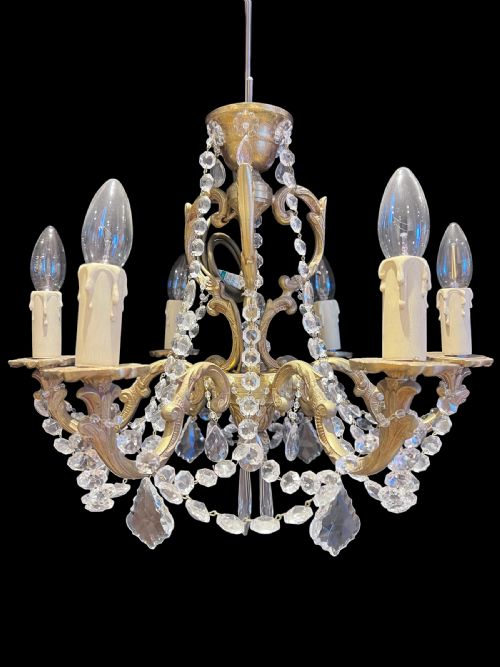
You are likely to meet French gilded lanterns and crystal-hung fixtures alongside British brass and copper designs. Each type serves a specific architectural role, whether casting a welcoming glow in a hallway or anchoring a principal room.
Materials and construction methods
Frames and mounts typically utilise cast or spun brass, copper, and gilt bronze to provide structural support for the glass elements. These metal components are often shaped into intricate geometric or floral patterns characteristic of Edwardian and Arts and Crafts design.
Glass portions are formed through various techniques, yielding cut glass, lead glass, bevelled panes, and moulded opaline or slip shades. Crystal lustres and drops are hand-cut and suspended from the main body using wire or pins to enhance light refraction.
Assembly methods rely on mechanical joints, screws, and soldered metal framing to secure delicate glass panels and heavy crystal clusters safely.
Several lanterns sport stellar shapes, including a dramatic twelve-point Moravian star pendant that practically demands its own constellation.
Factors that distinguish quality
The refinement of the metalwork and the clarity of the glass set the standard for each piece. Heavy cast bronze or brass frames with crisp chasing demonstrate superior craftsmanship compared to thin, pressed metal alternatives.
In crystal and cut glass components, depth of faceting and purity of the material determine how brilliantly the pendant refracts light. Hand-cut crystals and bevelled glass panels secured within robust lead or brass cames indicate higher workshop standards.
Coherence of style and integrity of the original components also dictate the standing of a fixture. Pieces that retain their matched glass shades, original hanging chains, and unified patination command greater appreciation among collectors.
Émile-Jacques Ruhlmann
The Antique Glass Ceiling Pendant Glossary
- Hall lantern
- A hanging light fixture enclosed in glass panes, traditionally used in entrance halls and corridors. These often feature brass or copper frames with hinged access doors.
- Tent and waterfall chandelier
- A lighting form featuring strings of crystal beads draped in a triangular tent shape above a circular tier of cascading drops. This style gained particular popularity in grand French interiors.
- Slip shade
- A moulded piece of art glass that slides into a metal frame or gallery to form the bowl of a light fixture. They are frequently found on Art Deco pendant lights.
- Lustre
- A cut glass or crystal pendant suspended from a chandelier to catch and reflect light. Lustres vary in shape from simple drops to spear points and graduated beads.
- Plafonier
- A ceiling-mounted light fixture where a glass bowl sits flush or close to the ceiling against a metal mount. They provide diffused ambient illumination.
Antique Glass Ceiling Pendant: Frequently Asked Questions
How do I choose the right size pendant for my ceiling?
Consider the proportions of the room and the height of the ceiling. Large multi-light fixtures require adequate clearance and floor space to balance their visual weight properly.
Smaller single-globe pendants or hall lanterns suit compact spaces, stairwells, or lower ceilings without dominating the room.
Were these pendants originally wired for electricity?
Many surviving pieces from the nineteenth and early twentieth centuries originally operated on gas or oil before being converted to electricity. Some very early examples incorporated gasolier burners with glass shades.
Modern buyers should have antique wiring inspected and updated by a qualified professional to ensure safety and compliance with current electrical standards.
How do I clean and maintain antique glass and crystal?
Regular dusting with a soft cloth helps prevent grime accumulation on metal frames and glass surfaces. For deeper cleaning, remove detachable crystal lustres and wash them gently in lukewarm soapy water.
Avoid harsh chemical cleaners on gilt bronze, lacquered brass, or antique glass coatings to preserve the original surface finish.
Can I hang an antique pendant outdoors?
Most antique glass ceiling pendants were designed exclusively for interior domestic or civic use. Their frames, joints, and electrical components lack weatherproofing against moisture and frost.
Indoor placement protects delicate glass shades, paper or fabric elements, and historic metal patinas from degradation.