

Antique Glass Carafe Stopper
These antique glass carafe stopper pieces are functional vessels and closures from earlier eras that collectors prize for their craftsmanship.
Antique Glass Carafe Stopper
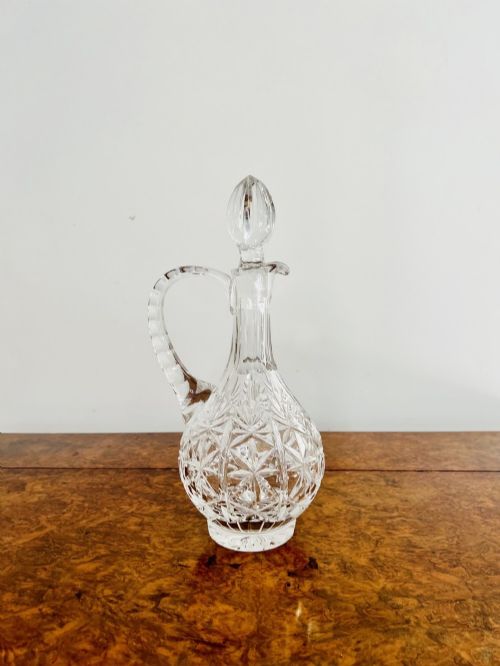
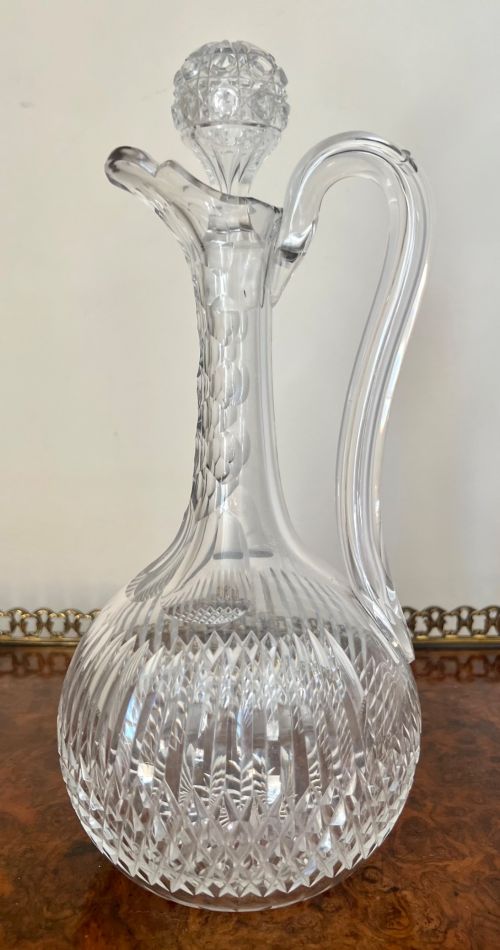
An antique glass carafe stopper represents the crowning closure for vessels designed to hold wine, spirits, and cordials. These items appear across periods such as the Georgian, Victorian, and Edwardian eras, often accompanying decanters, ewers, and carafes.
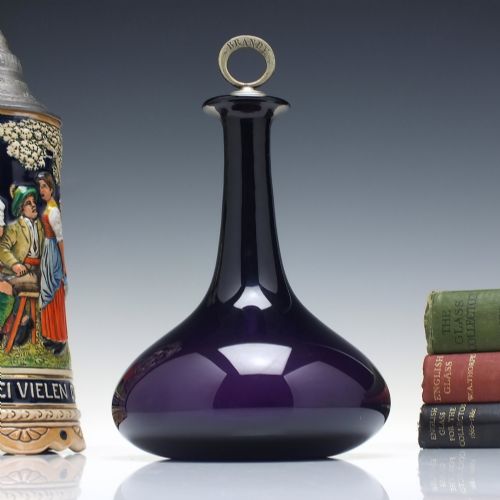
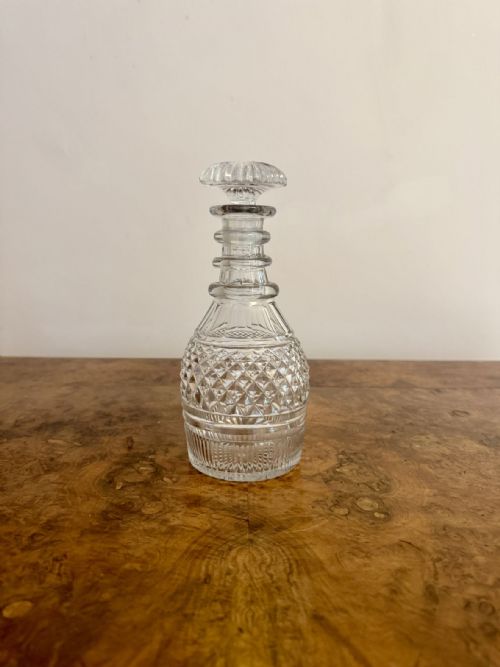
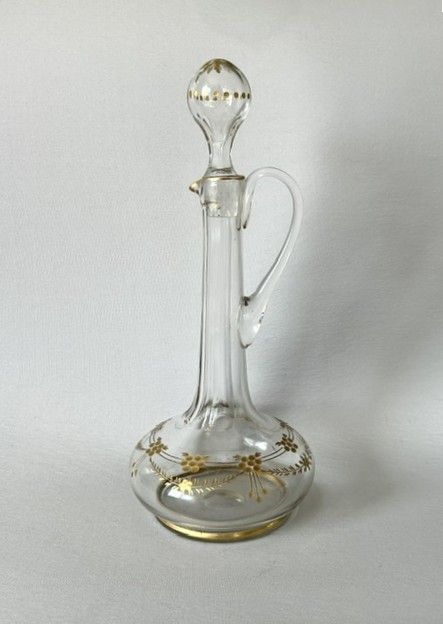
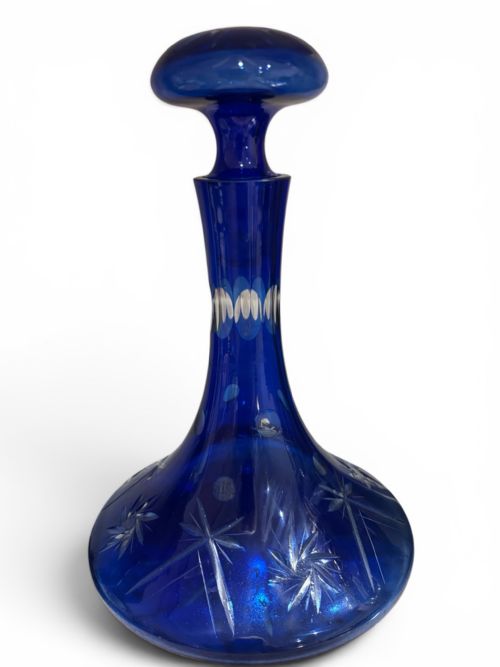
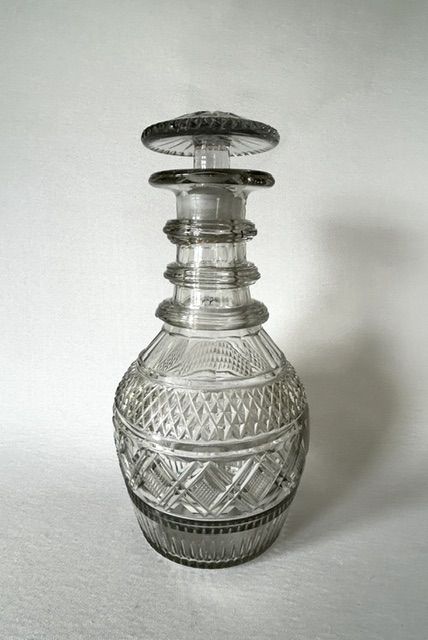
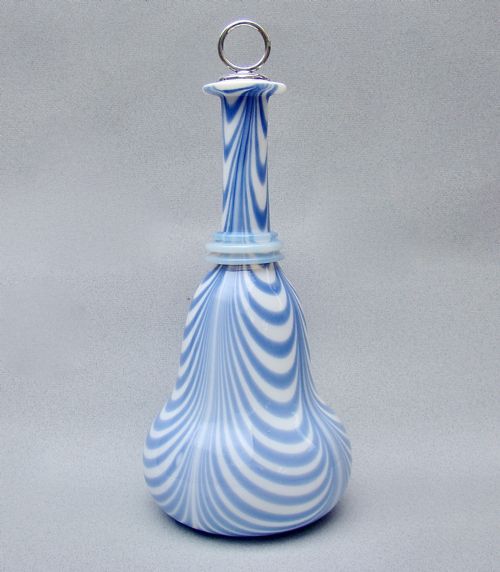
Makers shaped these glass items in varied forms including bell shapes, shoulder profiles, and sugarloaf decanter designs. Buyers frequently encounter pieces fashioned from clear glass, lead crystal, and coloured variants like amethyst, cranberry, and Bristol blue.
Historical examples range from simple utility items to heavily decorated vessels featuring enamel paint and etched patterns. The overarching category encompasses English, Irish, Scottish, Bohemian, and Venetian origins spanning multiple centuries.
Materials and technique
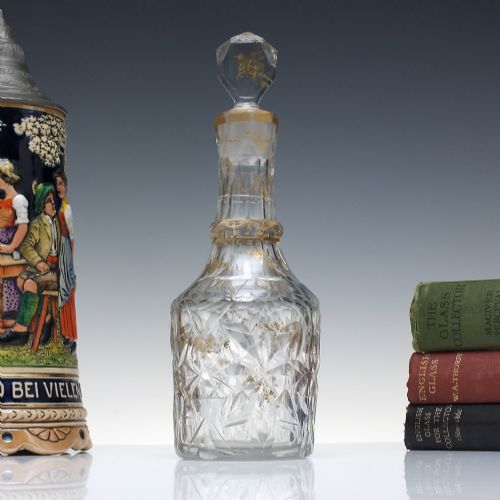
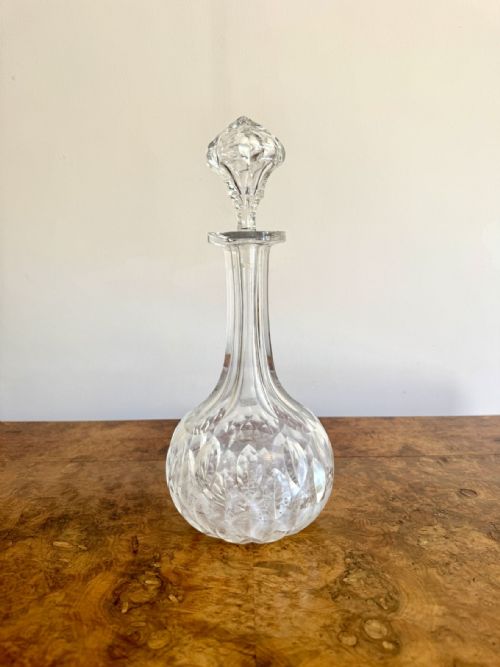
Artisans produced these objects using clear glass, lead crystal, and lead glass, often shaping them through blowing and moulding techniques. Workshops then applied deep wheel-cutting to create geometric facets that catch the light.
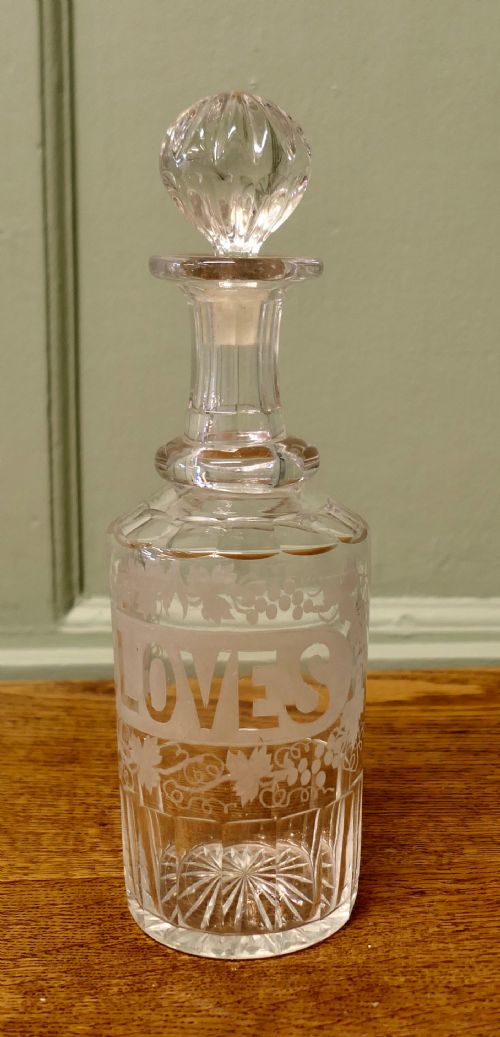
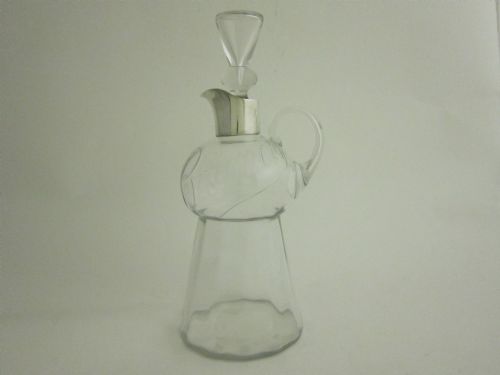
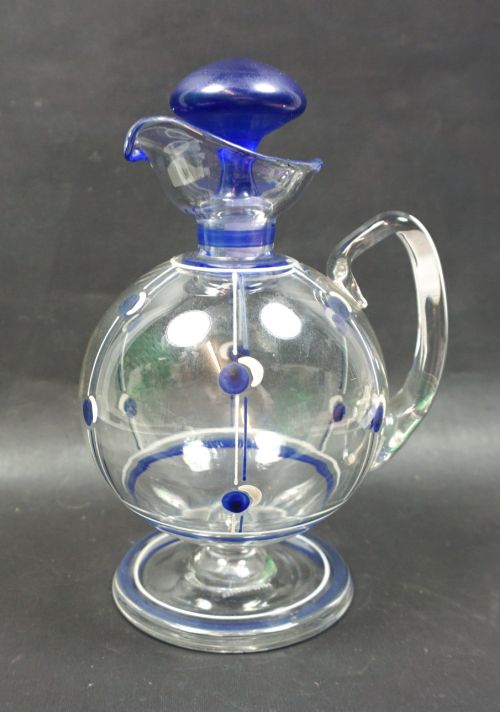
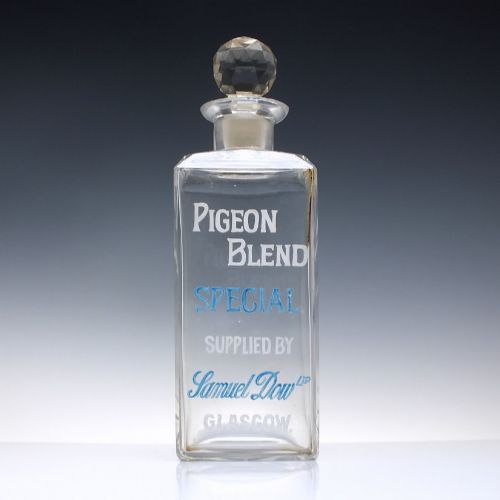
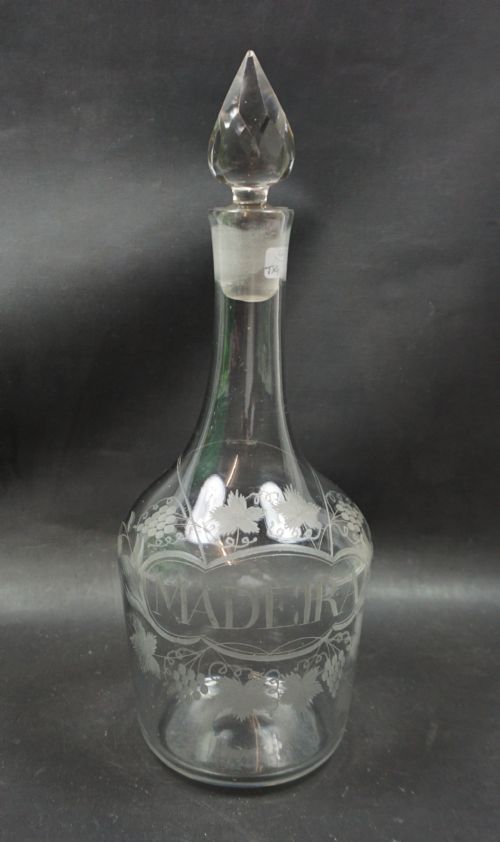
Surface decoration frequently involved intricate etching, gilding, and enamel painting to display labels and floral motifs. Some specimens incorporate mounts and collars fashioned from silver plate and sterling silver.
Listings feature periods spanning from the eighteenth century through Georgian, Victorian, Edwardian, and Art Deco eras.
Distinctions in standard
Quality rests upon the crispness of the wheel-cut facets and the weight of the crystal. Superior examples display heavy lead content that produces clear resonance and brilliant light refraction.
The refinement of hand-applied enamel decoration and the precision of engraved labels dictate the upper tiers of the range. Better specimens maintain a harmonious balance between the vessel body and its corresponding closure.
Atelier of James Giles·Stevens and Williams·Pauly and Co.
The Antique Glass Carafe Stopper Glossary
- Lead Crystal
- A heavy glass variety containing lead oxide, which increases brilliance and workability for cutting. This material yields a distinctive ring when struck.
- Cut Glass
- Glassware shaped and patterned by holding the surface against rotating abrasive wheels. Deep incisions create sharp prismatic edges.
- Enamel
- Opaque vitreous composition fused to the glass surface through heat. It provides colourful painted ornamentation.
- Latticinio
- Venetian glass technique embedding opaque white or coloured glass threads within clear glass. It produces delicate internal webbed patterns.
- Silver Plate
- A thin layer of silver bonded to a base metal foundation. It frequently forms mounts, collars, and pouring lips on liquid containers.
Antique Glass Carafe Stopper: Frequently Asked Questions
What periods do these pieces span?
The selection spans from the eighteenth century through the Georgian, Victorian, and Edwardian eras into the early twentieth century. Art Deco and Art Nouveau styles also appear among the later items.
Manufacturing origins stretch across England, Ireland, Scotland, Bohemia, Venice, and Czechoslovakia, reflecting diverse regional glassmaking traditions.
How do I identify a Georgian decanter?
Georgian examples often feature deep hand-cut facets, heavier lead glass construction, and specific historical shapes like the sugarloaf or mallet form. Engraved spirit labels and gilded accents frequently accompany these pieces.
Earlier iterations typically display pontil marks on the base where the glassblower's rod was detached, pointing to manual production methods.
How were these vessels used?
These carafes and decanters served to store, decant, and pour wine, whisky, brandy, sherry, and port at the dining table. Stoppers sealed the contents to prevent oxidation and evaporation.
Many functioned as part of matched decanter sets housed within fitted wooden boxes or displayed on sideboards.
What coloured glass is common?
Coloured glass variations include deep amethyst, Bristol blue, cranberry, and amber hues. Makers often contrasted these tones with clear glass or added opaque latticinio bands.
Enamel painting in white and polychrome shades frequently decorates the coloured glass bodies to enhance their visual appeal.
How should I clean antique glass?
Clean antique glass gently using warm water and mild detergent, avoiding harsh abrasives that could damage delicate enamel or gilding. Wooden or metal mounts require separate care to prevent moisture damage.
Store vessels away from direct sunlight and extreme temperature fluctuations to preserve the integrity of the material.