
Antique Gilt Wood Chair
When choosing an antique gilt wood chair, one invests in centuries of continental seating tradition dressed in shimmering gold leaf.
Antique Gilt Wood Chair
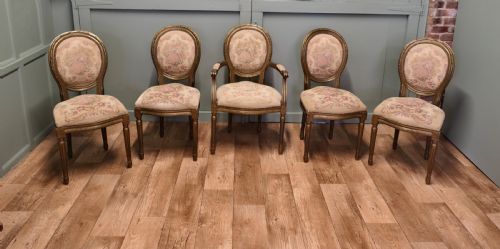
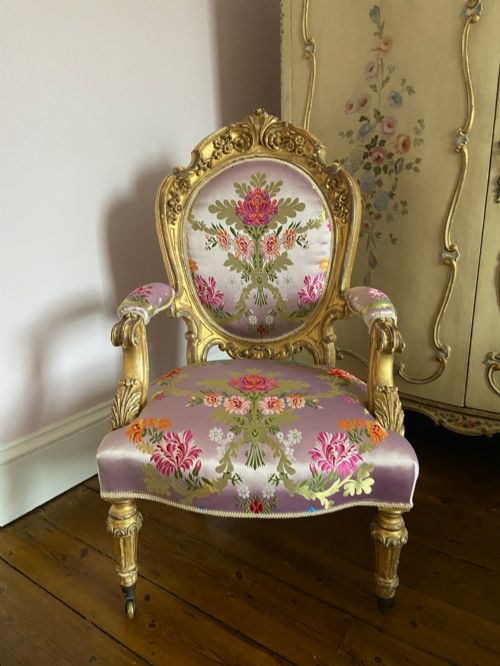
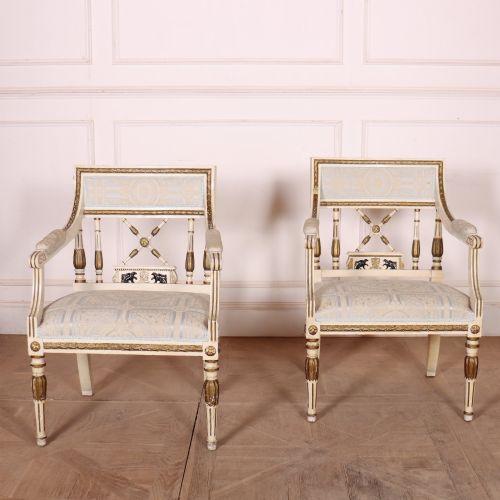
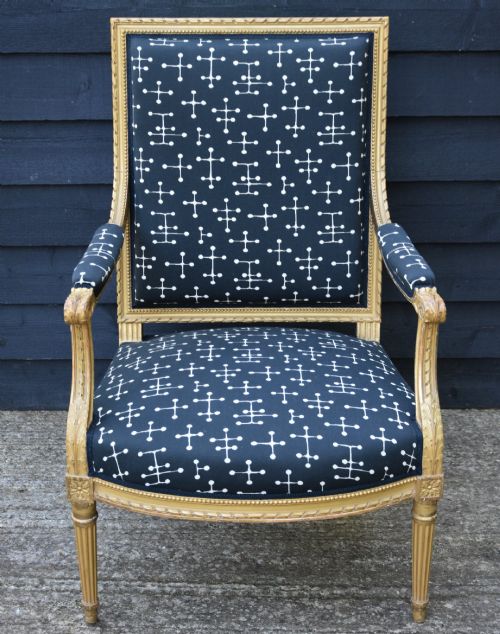
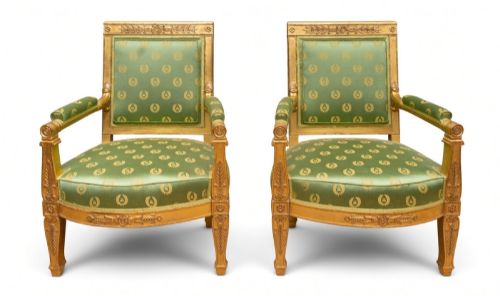
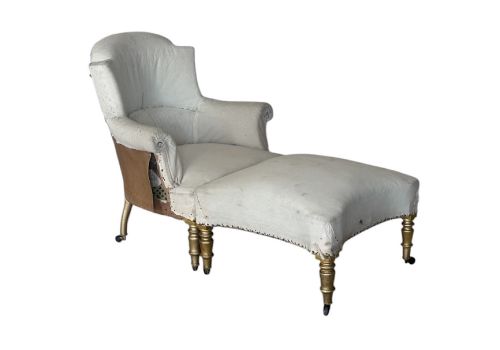
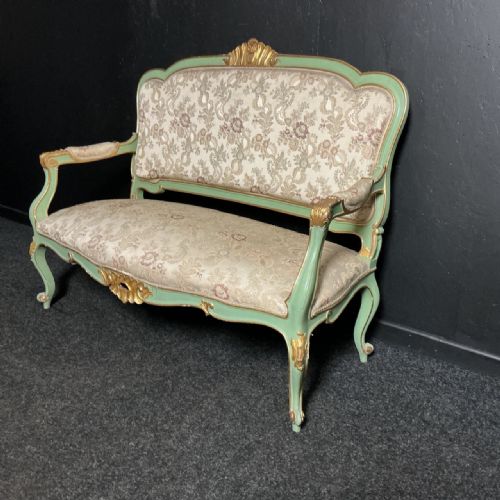
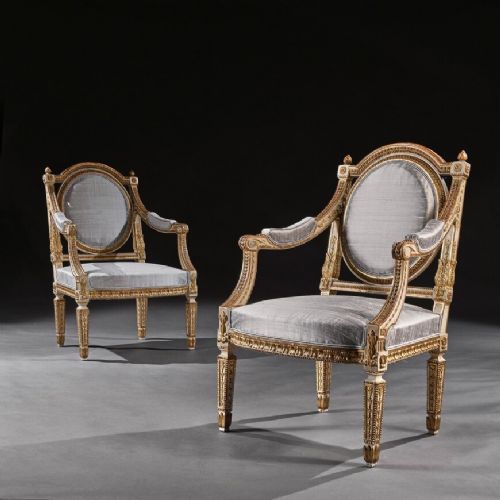
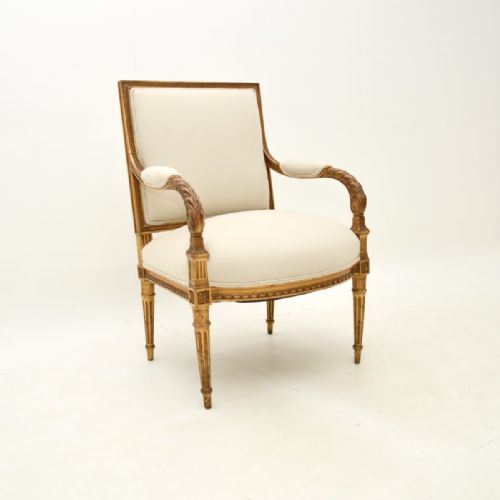
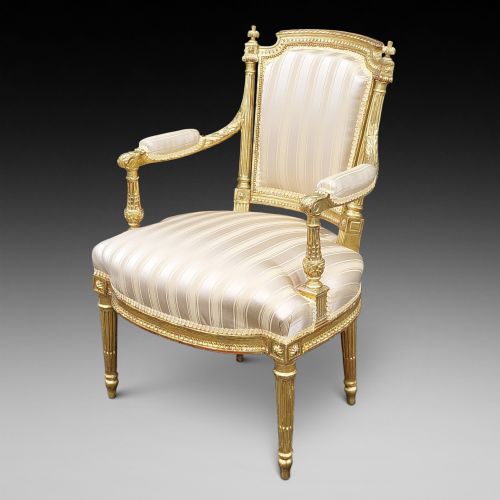
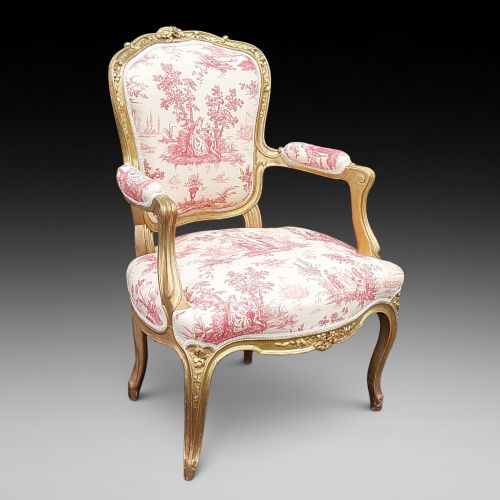
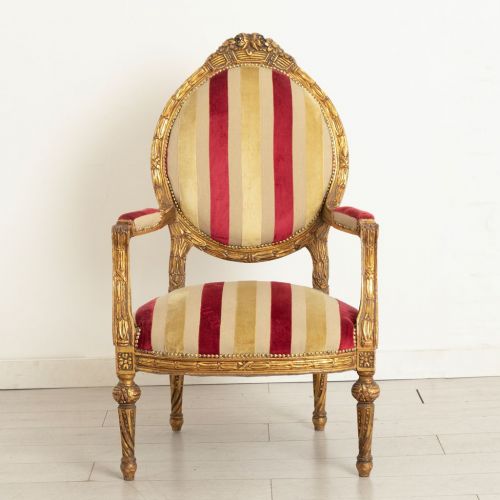
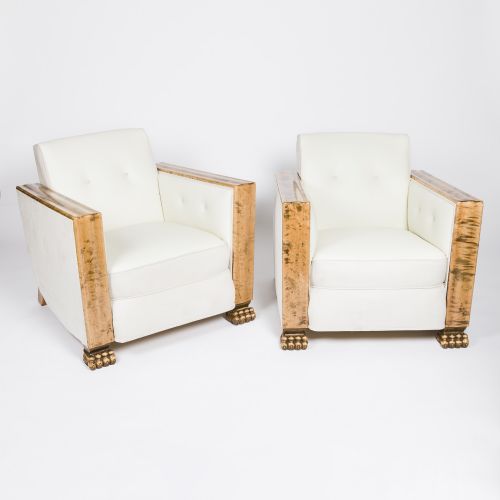
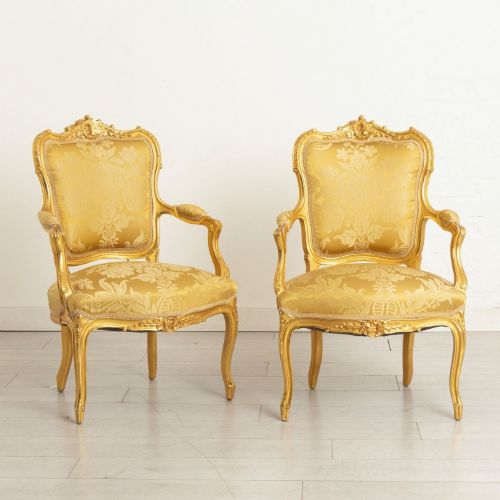
An antique gilt wood chair spans forms from formal open armchairs and side chairs to intimate boudoir seats and salon suites. The inventory draws heavily on French stylistic revivals, particularly Louis XVI and Rococo designs alongside Victorian and Regency interpretations. Buyers encounter everything from single occasional seats to matched pairs and larger dining sets.
The core function of these pieces involves decorative display combined with functional seating in reception rooms and drawing rooms. Regional variations include English walnut frames, Swedish neoclassical pieces, and Italian carved works alongside the predominant French output. These chairs bring a layer of historical ornamentation to domestic interiors.
Materials and Construction
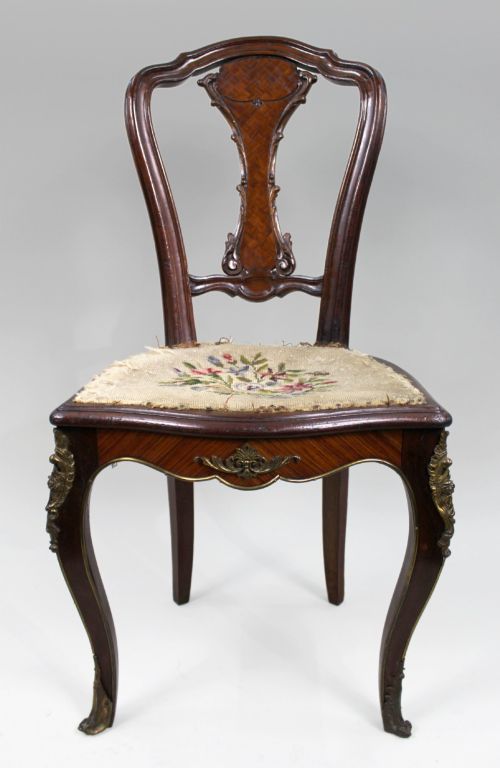
Makers shaped structural elements from timber substrates such as beech, walnut, and mahogany, applying thin layers of gold leaf over preparation layers like gesso. Carved wooden frames often integrate ormolu mounts, brass details, and painted surfaces to enhance the visual depth of the gilding.
Upholstery techniques utilise traditional stuff-over methods with silk fabric, velvet, damask, or brocade secured to the frames. Joinery methods rely on pegged mortise and tenon joints designed to support carved decorative elements without compromising structural integrity.
Listings feature eighteenth, nineteenth, and twentieth-century examples, with French Louis XVI and Rococo revival styles appearing frequently alongside Victorian and Regency pieces.
Measures of Quality
The refinement of the hand-carved wooden ornament distinguishes superior examples from simpler production, where crisp acanthus leaves and fluted legs demonstrate superior craftsmanship. The preservation of the original gold leaf and the depth of the underlying gesso layers dictate the textural richness of the surface.
Structural robustness and the retention of period-correct upholstery materials or historically sympathetic re-texturing anchor the integrity of the piece. Matching sets and documented workshops elevate historical interest far beyond standard single salon chairs.
Jacob Desmalter
The Antique Gilt Wood Chair Glossary
- Giltwood
- Timber coated with gold leaf applied over a prepared gesso ground. This technique creates the luminous metallic finish characteristic of formal European seating.
- Fauteuil
- An open-framed upholstered armchair with exposed wooden arms originating in France. These seats typically feature padded armrests and low profiles suited to formal conversation.
- Bergère
- An enclosed upholstered armchair featuring solid upholstered sides and a loose seat cushion. The design offers greater enclosure and comfort than standard open-arm chairs.
- Ormolu
- Gilded bronze ornamentation mounted onto furniture frames. Makers cast and chased these metallic accents to enrich key focal points on the wood.
- Gesso
- A plaster-like mixture applied to wooden frames as a smooth base for gold leaf. Skilled artisans carved intricate details directly into this dried foundation.
Antique Gilt Wood Chair: Frequently Asked Questions
How do I identify a true antique giltwood chair?
Examine the wooden frame for hand-carved detailing and layers of gesso beneath the gold leaf, which differ significantly from modern synthetic finishes. Look for signs of age in the timber joinery and the wear patterns on the exposed gilded surfaces.
Check the upholstery webbing and interior construction methods where accessible. Period pieces generally exhibit traditional hand-stitched foundations rather than modern staples.
Were these chairs used for daily sitting?
Most formal gilt chairs were intended for drawing rooms, salons, and reception spaces rather than heavy daily use. Their delicate carved frames and costly silk or velvet coverings suited polite society and entertaining guests.
Smaller side chairs and bedroom pieces served specific dressing or occasional seating functions. Owners typically placed them around the perimeter of a room to be brought into conversation circles as needed.
How do I care for antique gilt wood?
Protect the fragile gold leaf by keeping the chairs away from direct sunlight and fluctuating humidity levels. Dust the carved surfaces gently with a soft, dry brush without applying liquid polishes.
Avoid placing heavy loads on delicate occasional chairs or salon seats. Professional conservators should handle any repairs to flaking gesso or damaged gilding.