



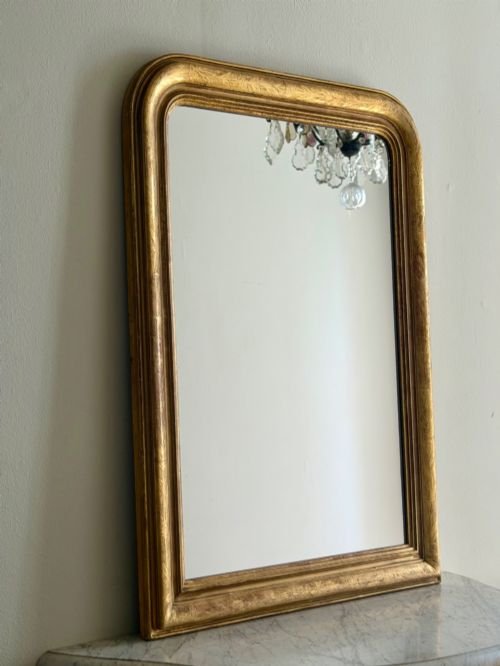
Antique Gilt Wall Frame
An antique gilt wall frame brings luminous warmth and architectural presence to an interior, enclosing mirrors and oil paintings with historic craftsmanship.
Antique Gilt Wall Frame
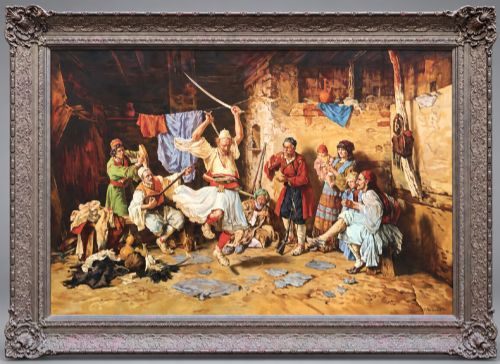
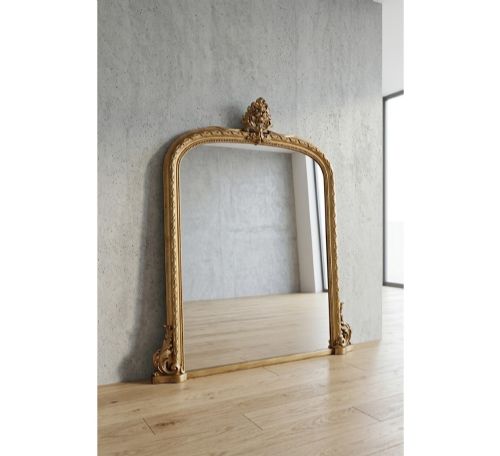
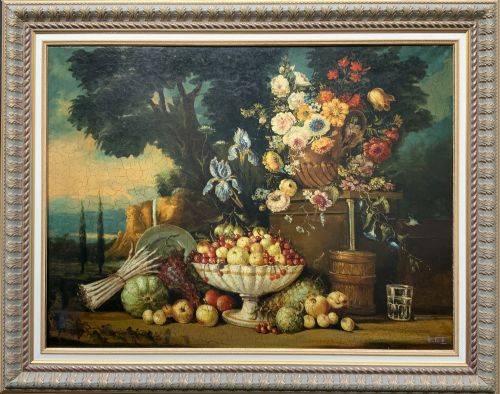
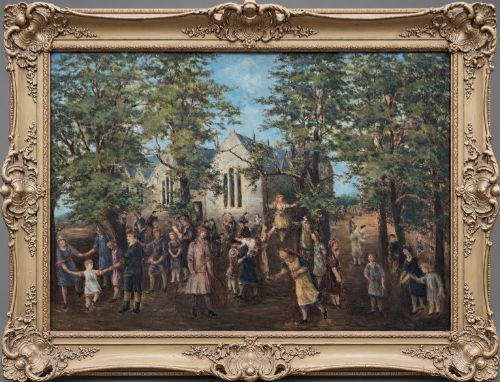
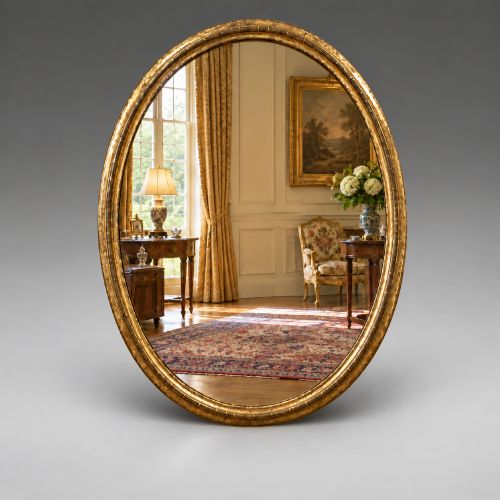
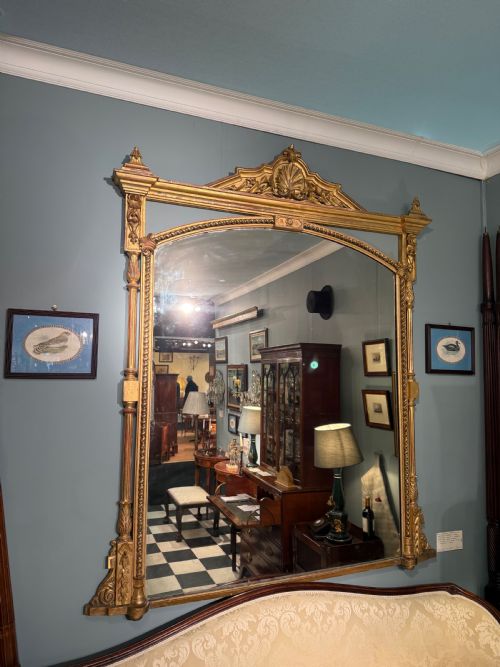
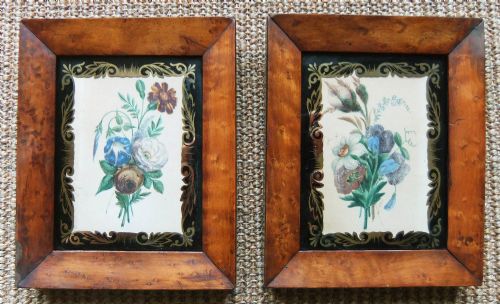
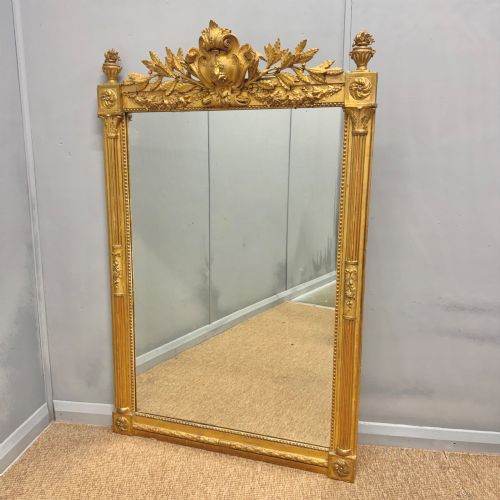
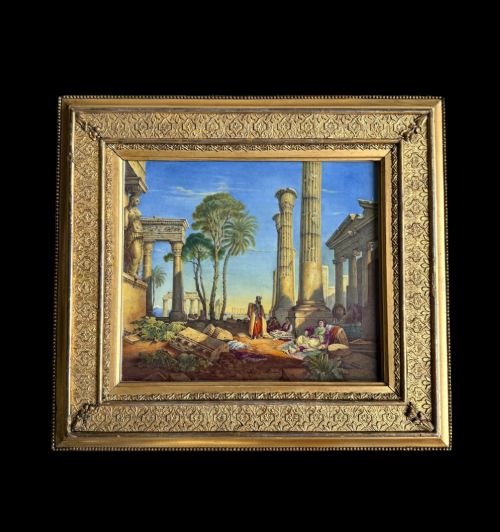
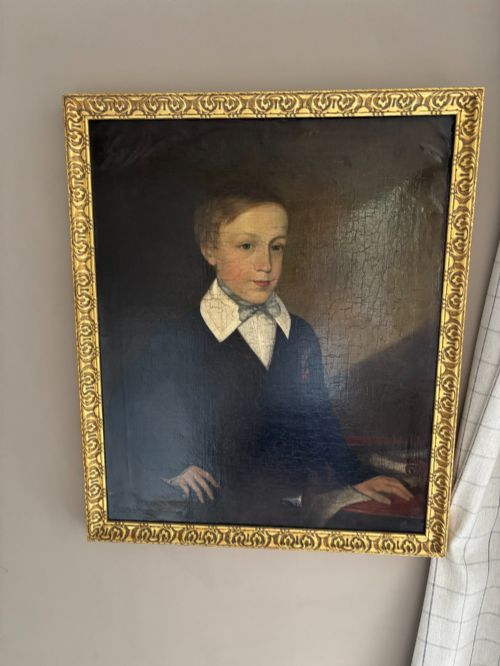
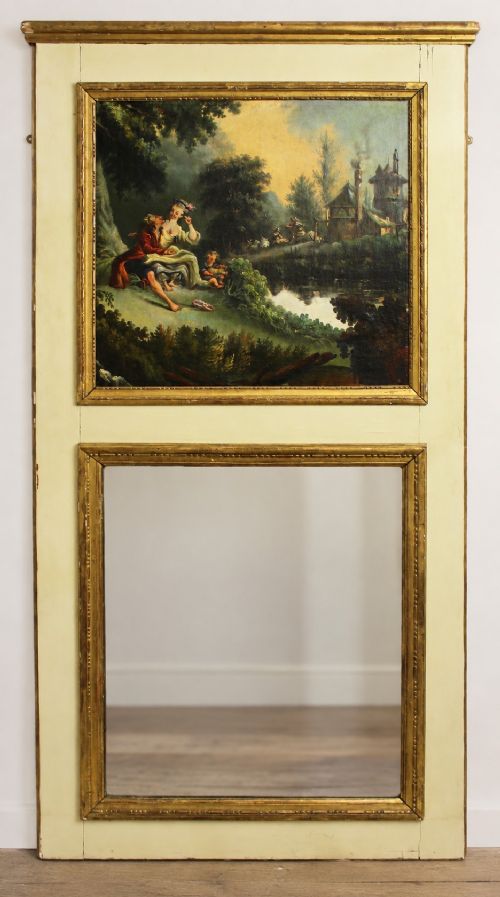
An antique gilt wall frame most frequently encounters the observer as a grand overmantel mirror, a pier glass, or a housing for 18th and 19th-century oil paintings and watercolours.
These pieces encompass Georgian, Regency, and Victorian aesthetics, often displaying ornate French Rococo or Florentine carved details designed to command a room.
Surviving examples range from compact 19th-century oval glass surrounds to monumental overmantel mirrors intended to sit above a domestic fireplace.
Materials and construction
Makers built the foundational structures from carved wood such as pine or walnut, applying layers of gesso to build up intricate surface ornamentation before guilding.
Gold leaf or metallic powder was carefully laid over the prepared gesso ground, sometimes paired with ebonised sections to create sharp tonal contrast.
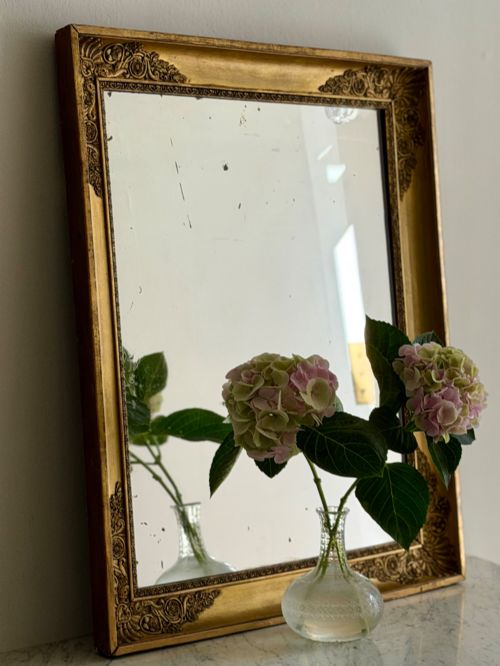
Mirrors incorporated original glass plates, occasionally showing the characteristic distortion and foxing associated with age.
Several historical portraits peer out from their gold frames accompanied by faithful horses, prized spaniels, and the occasional bemused gentleman.
Assessing craftsmanship
The distinction between ordinary and exceptional works lies in the depth and clarity of the hand-carved wood and gesso ornamentation.
Superior pieces retain their original gilding and mirror plates without extensive restoration, whereas lesser examples show heavy rebuilding or modern replacement glass.
Sir Joshua Reynolds·Henry Barraud·Charles Antoine Coypel·Sir Godfrey Kneller
The Antique Gilt Wall Frame Glossary
- Gesso
- A plaster-like mixture applied to wood frames to create a smooth surface for carving and gilding. It allows for intricate relief decoration.
- Giltwood
- Timber that has been coated with gold leaf or gold paint. This material defines the bright, reflective surfaces of these frames.
- Overmantel mirror
- A large wall mirror specifically scaled to hang above a fireplace mantelpiece. These often anchor the decorative scheme of a period room.
- Pier glass
- A tall, narrow mirror designed to hang on the wall space between windows. They frequently date from the Regency and Victorian eras.
Antique Gilt Wall Frame: Frequently Asked Questions
How do I hang a heavy gilt mirror safely?
Large overmantel and wall mirrors carry substantial weight from their wooden frames and glass plates. They require professional wall anchors fixed directly into structural studs.
Distributing the load across dual hanging points prevents strain on the original antique frame joints.
Are the mirror plates original?
Many surviving pieces retain their original glass, which often displays minor foxing, dark spots, and slight surface waviness. These optical irregularities confirm the age of the glass.
Later replacement plates appear unusually clear and flat by comparison.
How should I clean the gilded surface?
Giltwood and gesso surfaces require gentle dusting with a soft, dry brush rather than liquid cleaners. Moisture can lift the delicate gold leaf and historical gesso layers.
Professional conservators should handle any structural repairs or major cleaning tasks.
What distinguishes Regency frames from Victorian ones?
Regency examples often draw on classical restraint, featuring cleaner architectural lines and convex or bullseye glass formats. Victorian pieces tend toward heavier, more elaborate gesso ornamentation and deep cavetto mouldings.
Examining the underlying wood and joining techniques helps clarify the period of manufacture.