
Antique Gilt Wall Brackets
Antique gilt wall brackets bring sculptural warmth and reflective presence to a room, carrying intricate carving and luminous metallic surfaces from past centuries.
Antique Gilt Wall Brackets
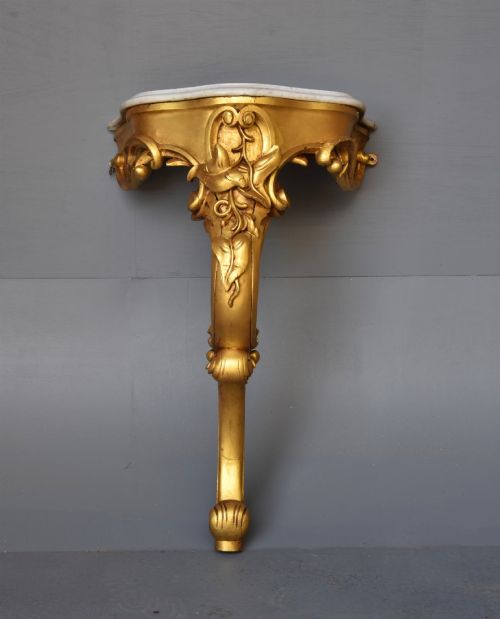
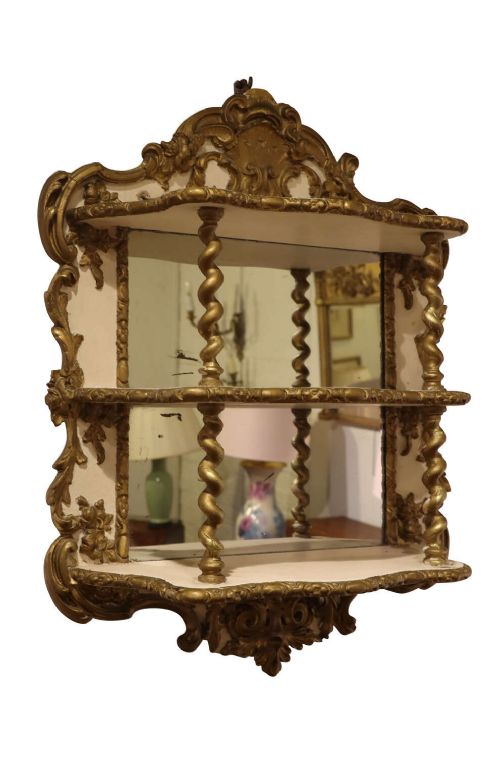
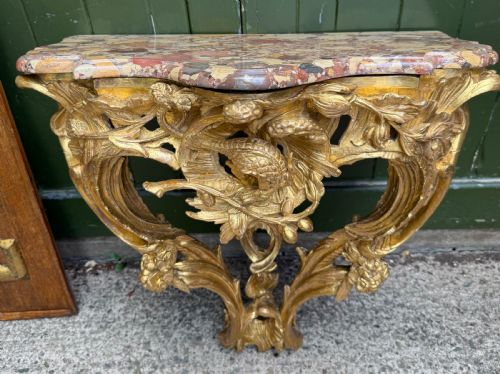
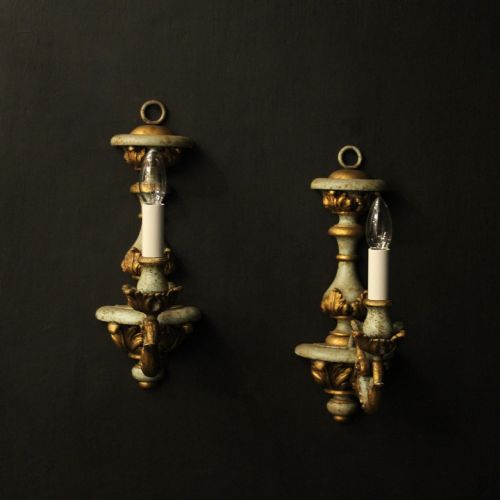
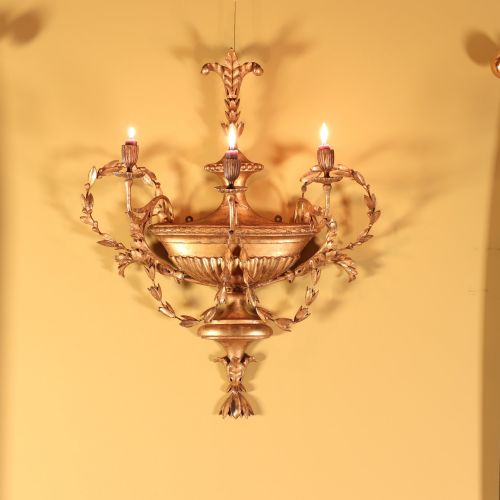
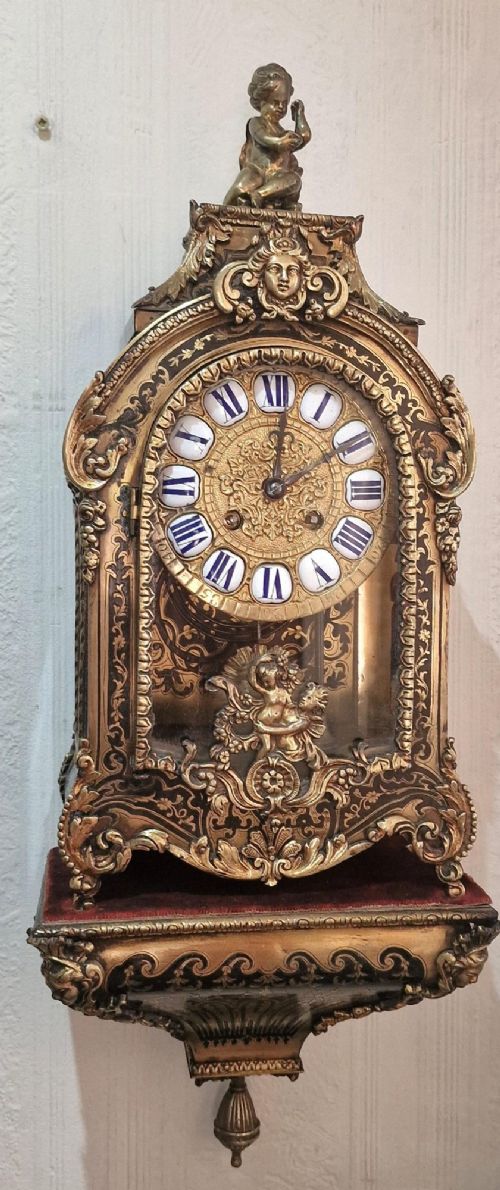
Antique gilt wall brackets encompass ornamental ledges, sconces, and shelving designed to project from vertical surfaces while displaying objects or casting light. These pieces emerge across the eighteenth, nineteenth, and early twentieth centuries in forms ranging from carved wooden ledges to mirrored sconces and console structures.
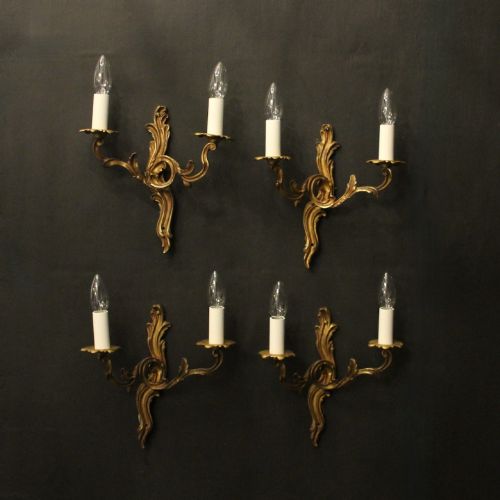
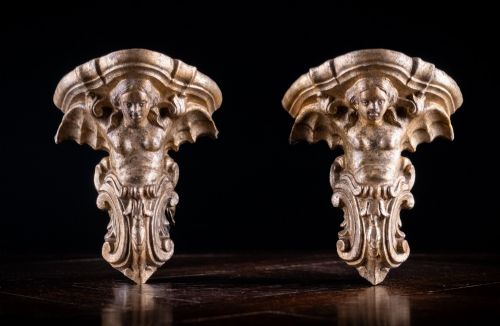
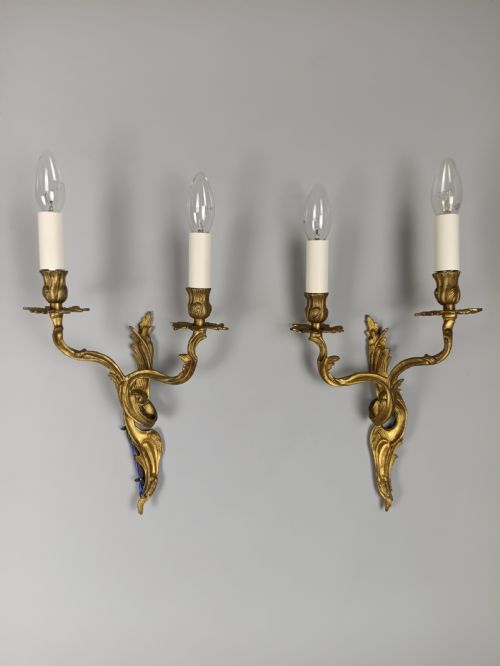
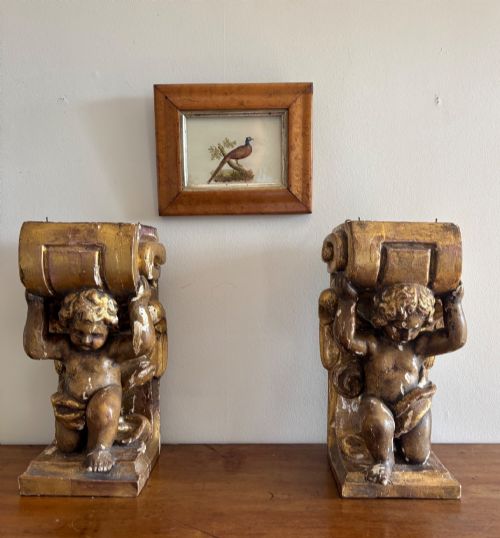
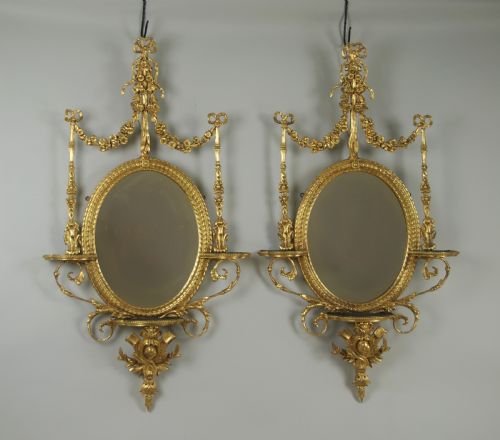
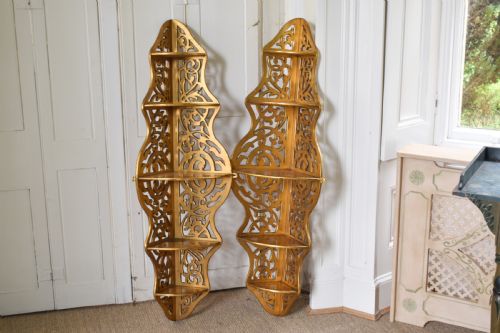
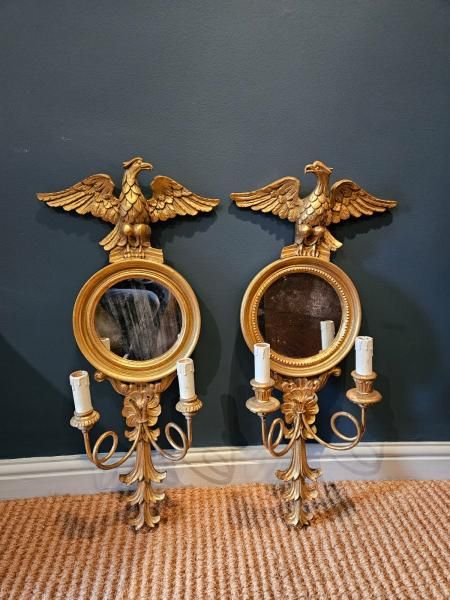
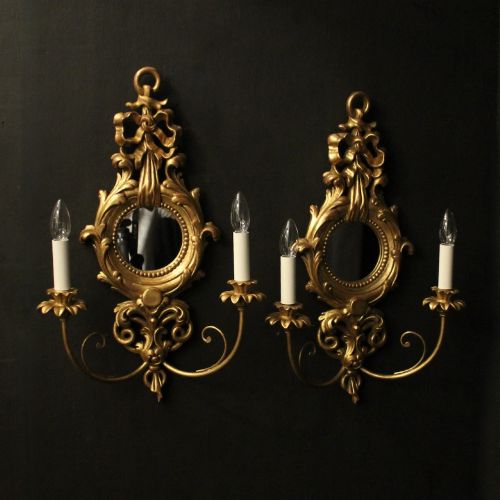
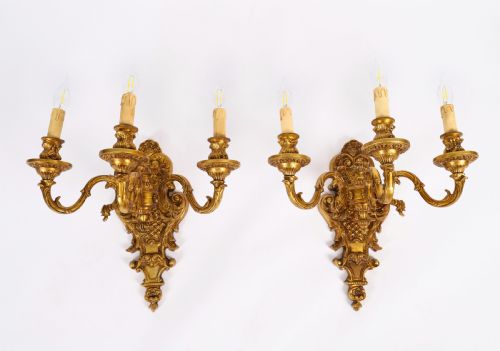
The versions most commonly met on this page span nineteenth-century carved wood examples and twentieth-century French and Italian adaptations of earlier classical styles. Many take the form of paired fittings, incorporating arms for illumination or flat surfaces intended to support small decorative items.
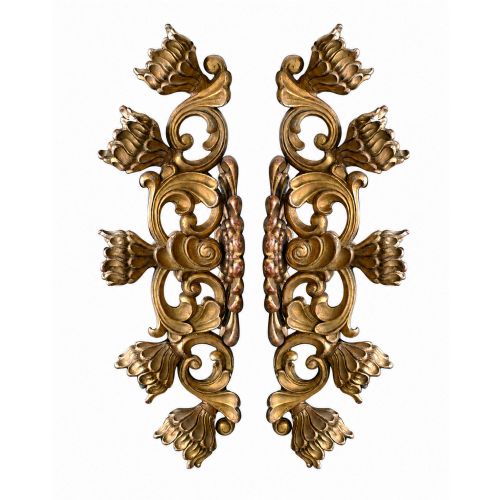
Makers and craftsmen applied gilding techniques to diverse substrates including gesso, terracotta, brass, and bronze. The visual language relies heavily on French Rococo, Neoclassical, and Victorian aesthetic traditions, often integrating scrolled foliage, cherubs, and architectural motifs.
How they were made
The construction of wooden wall brackets involves hand-carving timber substrates, which receive layers of gesso to create a smooth base for gold leaf or liquid gilding application. Artisans frequently built up intricate relief decoration using moulds pressed onto the gesso ground before applying the final metallic finish.
Metal versions utilise cast brass, bronze, or ormolu, often produced in sections and assembled with mechanical fixings. These metal fittings combine chased surface detailing with applied gold finishes, creating durable structures capable of supporting branch lights or heavy sconces.
The selection includes regional styles such as French Rococo, Italian Florentine work, and Chinese Chippendale designs alongside standard English and Victorian domestic pieces.
What varies in quality
Depth and crispness of hand-carving distinguish finer wooden brackets from simpler moulded production pieces, as skilled carvers achieve sharper undercut foliage and more naturalistic animal or human forms. The quality of the underlying gesso layer dictates how cleanly the gold leaf catches ambient light.
In metalwork, the precision of the casting and the crispness of the chased surface details separate superior ormolu and bronze pieces from heavier, softer castings. The retention of original gilding without excessive overpainting indicates careful preservation over centuries.
Strahan of Dublin·Henri Marc of Paris
The Antique Gilt Wall Brackets Glossary
- Giltwood
- Timber that has been coated with gold leaf or metallic powder. This material forms the primary structural and decorative base for many classical wall brackets.
- Ormolu
- Finely chased and gilt bronze used widely in decorative hardware and lighting mounts. The technique creates a rich golden tone that resists tarnishing over long periods.
- Gesso
- A plaster mixture applied to wood surfaces to prepare them for gilding or painting. It provides the smooth ground necessary for detailed carving and relief work.
- Girandole
- An ornamental bracket supporting multiple candle branches with a reflective mirror backplate. These pieces maximise candlelight distribution within period interiors.
- Rococo
- An ornate decorative style characterised by asymmetrical scrolls, shell motifs, and curving plant forms. It dominates many eighteenth-century and revival wall bracket designs.
Antique Gilt Wall Brackets: Frequently Asked Questions
What were antique gilt wall brackets used for?
These pieces served practical functions as well as aesthetic roles in historic interiors. They provided secure ledges for displaying porcelain, clocks, and small sculptures while holding candles or oil lamps to illuminate dark rooms.
Over time, many surviving wall brackets were adapted to accommodate electrical wiring, transforming historic candle sconces into functional wall lights without losing their decorative impact.
How do I hang heavy wall brackets safely?
Mounting heavy wooden or bronze brackets requires locating structural wall studs or using appropriate heavy-duty cavity fixings suited to the wall construction. The considerable weight of carved giltwood or cast ormolu demands secure anchoring to prevent displacement.
Professional installation is recommended for wired sconces and large mirrored brackets to ensure both electrical safety and structural stability against the wall.
How do I tell nineteenth-century pieces apart from later revivals?
Nineteenth-century pieces often display hand-tooled tool marks, denser timber substrates, and signs of age such as micro-cracking in the gesso ground. Revival pieces made in the twentieth century may utilise different casting methods or standardised fixings that reveal a more uniform manufacturing process.
Examining the backboards, screw types, and the wear patterns on the gilding helps clarify whether an item originates from the period it imitates or a later revival phase.
How do I clean and care for antique gilding?
Gilded surfaces require gentle dusting with a soft, dry brush to prevent the accumulation of abrasive particles. Moisture and chemical cleaning agents can strip historic gold leaf or damage fragile gesso layers beneath.
Keeping gilt brackets away from direct heat sources and strong sunlight preserves the stability of the wood and prevents the gesso from drying out and flaking.