


Classical Carved Wall Sconces
Classical carved wall sconces bring structural elegance to interiors, offering sculptural form and layered illumination from diverse European traditions.
Classical Carved Wall Sconces
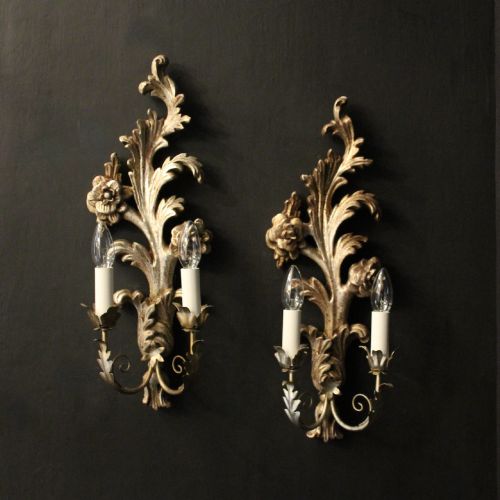
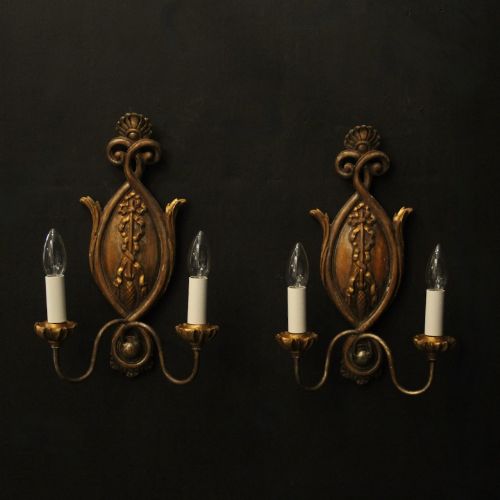
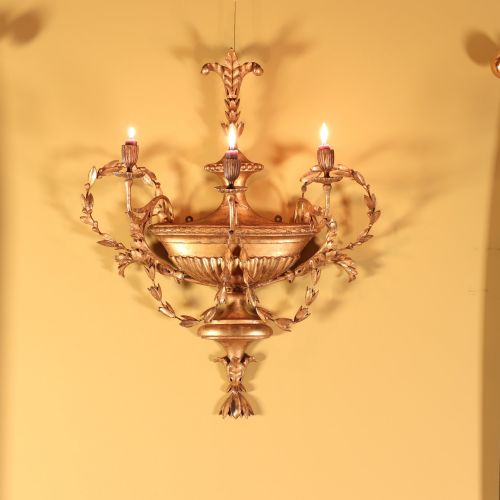
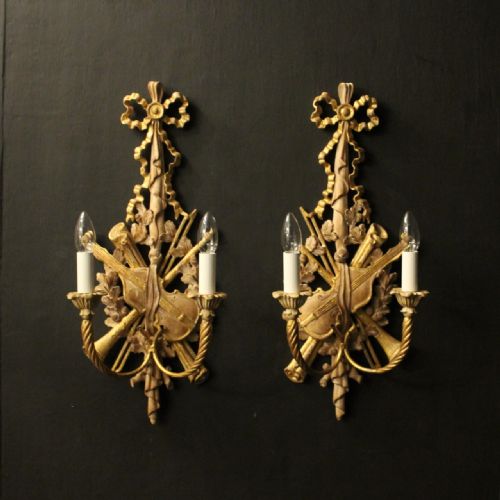
Classical carved wall sconces encompass wall lights, architectural elements, and brackets originating across multiple centuries, primarily featuring European styling such as Florentine, Neoclassical, and Baroque Revival. Pieces span from eighteenth-century examples to twentieth-century interpretations, utilising diverse decorative forms including twin arm wall lights and single arm configurations.
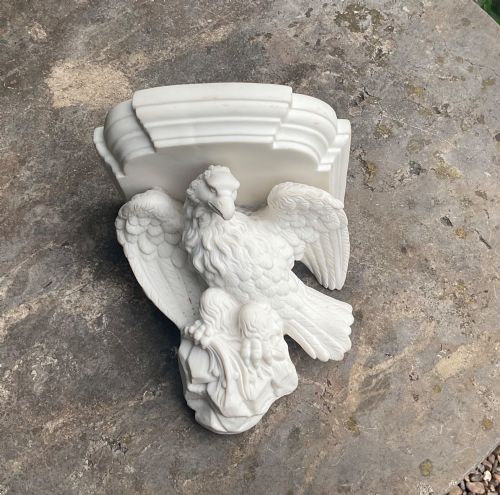
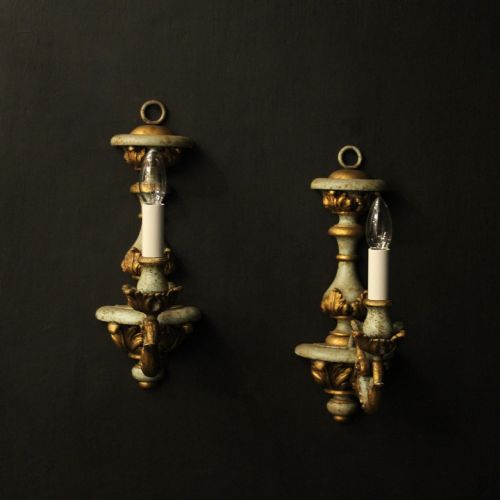
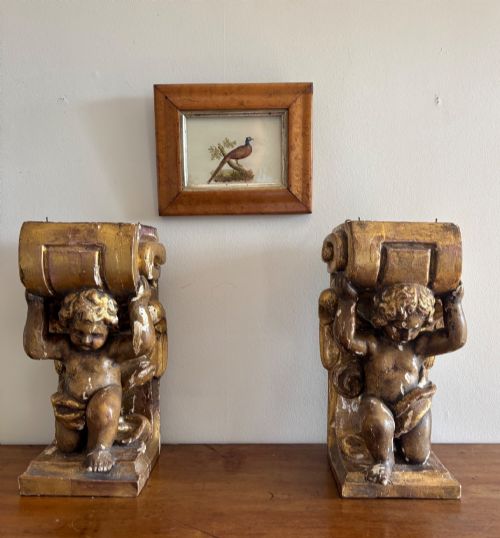
Buyers frequently encounter twentieth-century Italian Florentine pieces finished in silver giltwood or polychrome paint, alongside nineteenth-century carved wood brackets and earlier examples. Architectural salvage such as plaster corbels and carved wood capitals in the Corinthian style also appear under this designation, broadening the scope beyond traditional lighting fixtures.
Materials and construction methods
Construction relies heavily on carved wood, gesso, and metallic leaf finishes such as gold leaf and silver leaf applied to create reflective surfaces. Craftsmen shaped timber and applied plaster layers to build intricate relief ornament before gilding or painting the structure.
Alternative materials include cast bronze and plaster, particularly in French and Italian workshops producing architectural brackets and corbels. Polychrome painted surfaces provide colour and depth, contrasting with the metallic brilliance of giltwood elements.
Current listings feature pieces spanning from the eighteenth century through the 1930s, utilising materials including giltwood, gesso, bronze, and carved wood.
Judging quality in design and finish
Quality rests in the crispness of the carving and the depth of the applied gesso and leaf work, where finer examples display sharp definition in acanthus leaves or classical motifs. Lesser pieces show softer contours and heavier, less articulate handling of the surface medium.
The sophistication of the palette and the integration of the arms or brackets into the primary structure distinguish superior decorative execution. Harmonious proportions between the backplate and the lighting arms indicate higher workshop standards.
The Classical Carved Wall Sconces Glossary
- Giltwood
- Timber that has been coated with gold leaf or silver leaf over a prepared gesso ground. This technique creates a luminous surface that reflects candlelight or electric illumination.
- Gesso
- A plaster mixture applied to wood surfaces to create a smooth base for carving details or applying leaf. It allows for sharp relief work before gilding.
- Corbel
- A structural bracket projecting from a wall to support a weight, often carved in stone, plaster, or wood with classical detailing. Plaster examples serve architectural functions similar to wall brackets.
- Polychrome
- Painted in several colours, frequently utilised on Italian wooden wall lights to add vibrancy and decorative contrast. This surface treatment enhances figural or floral motifs.
- Neoclassical
- A style inspired by classical Greece and Rome emphasising symmetry, proportion, and classical ornamentation such as columns and acanthus foliage. It dominates many eighteenth and nineteenth-century lighting designs.
Classical Carved Wall Sconces: Frequently Asked Questions
How do I mount classical carved wall sconces safely?
Wall fixtures require secure anchorage into masonry or properly located timber studs due to the weight of carved wood, gesso, and metal arms. Professional installation ensures the bracket bears the load without straining the plaster.
Wiring considerations depend on whether the sconces are adapted for modern electricity or retained for decorative display. Consult a qualified electrician to integrate older fixtures safely into contemporary domestic circuits.
How do I clean giltwood and painted wall lights?
Dusting requires a very soft, dry brush or feather duster to avoid disturbing delicate leaf or polychrome paint layers. Moisture and chemical cleaners damage historic gilding and should be avoided entirely.
Professional conservation is recommended for fragile surfaces showing flaking or structural instability. Regular gentle maintenance preserves the integrity of the finish.
What distinguishes Florentine sconces from other styles?
Florentine pieces frequently incorporate ornate carved wood structures finished in silver giltwood or vibrant polychrome paint, reflecting regional Italian aesthetics. They often feature multiple candle arms designed for decorative opulence.
By contrast, George III or Neoclassical examples emphasise strict symmetry and restrained classical motifs like gesso swags. Understanding these stylistic origins helps identify the period and workshop traditions.