
Antique Gilt Ornaments
These antique gilt ornaments bring sculptural presence and golden surface warmth to a room through centuries of European and Asian decorative craft.
Antique Gilt Ornaments
When you search for antique gilt ornaments, you encounter a diverse group of objects designed primarily for decorative display rather than utility. These pieces encompass freestanding figures, furniture mounts, vases, and desk accessories created across the eighteenth, nineteenth, and early twentieth centuries.
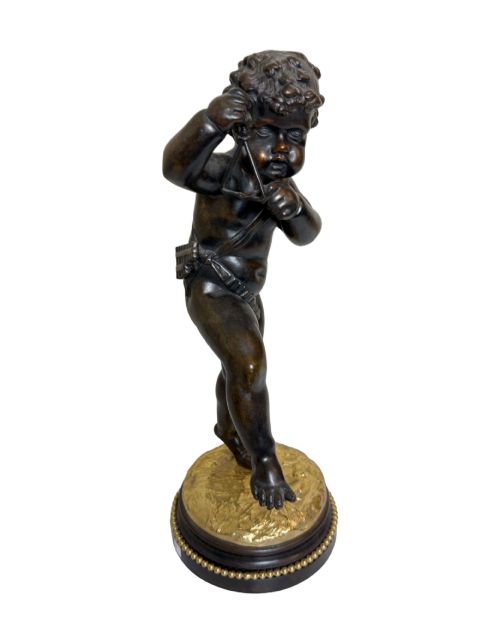
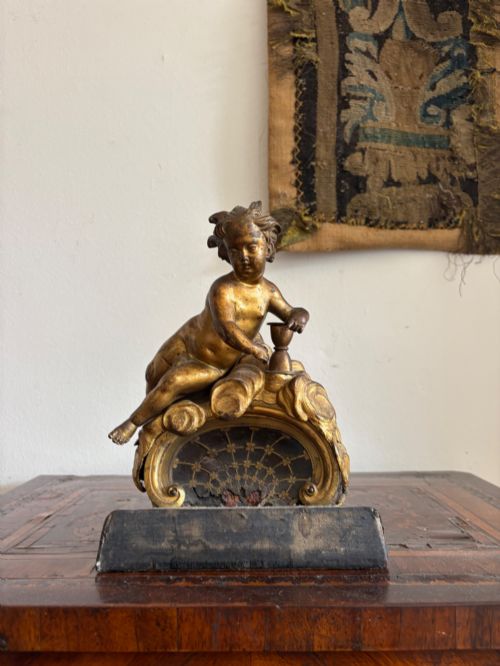
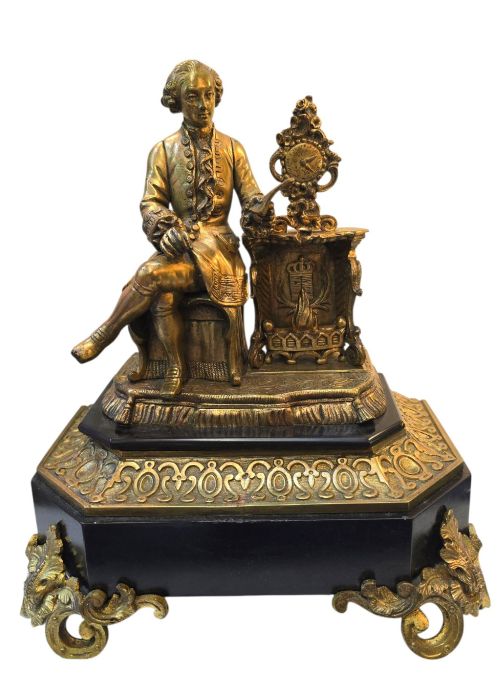
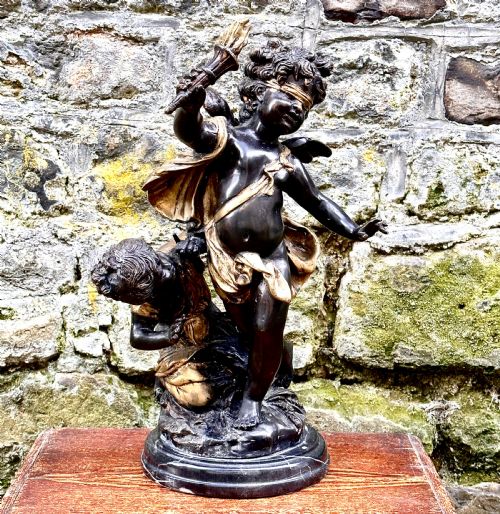
The most frequent examples on this page are nineteenth-century French and English works in bronze, porcelain, and earthenware. Makers utilise classical, rococo, and revival motifs to shape figures, animals, and architectural ornaments finished with varying applications of gold leaf and ormolu.
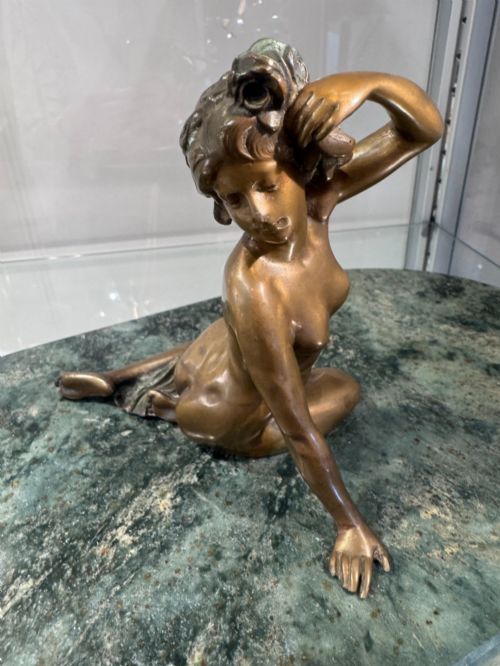
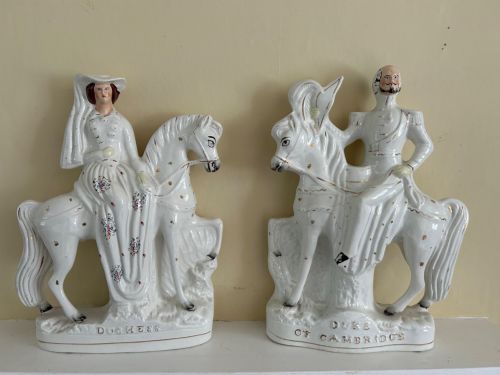
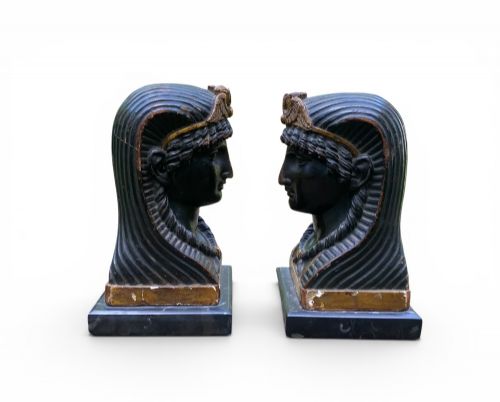
Objects range from modest Staffordshire pottery figures and Staffordshire dogs to grand tour busts, heavy bronze appliques, and Meissen porcelain groups. Each piece reflects the aesthetic priorities of its period, whether the refined symmetry of neoclassical design or the naturalistic curves of the art nouveau movement.
Materials and Construction Methods
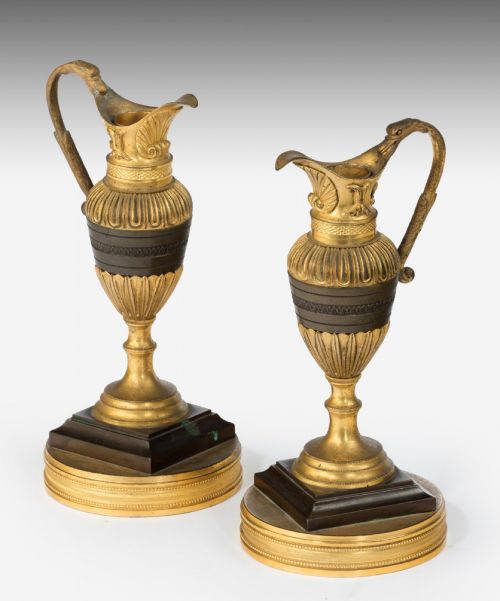
Makers of antique gilt ornaments relied heavily on bronze and ormolu, employing solid-cast and fire-gilding techniques to achieve a durable metallic lustre. Ormolu involves applying a finely ground mercury and gold amalgam to bronze before heating, which burns off the mercury and leaves a rich, permanent gold layer.
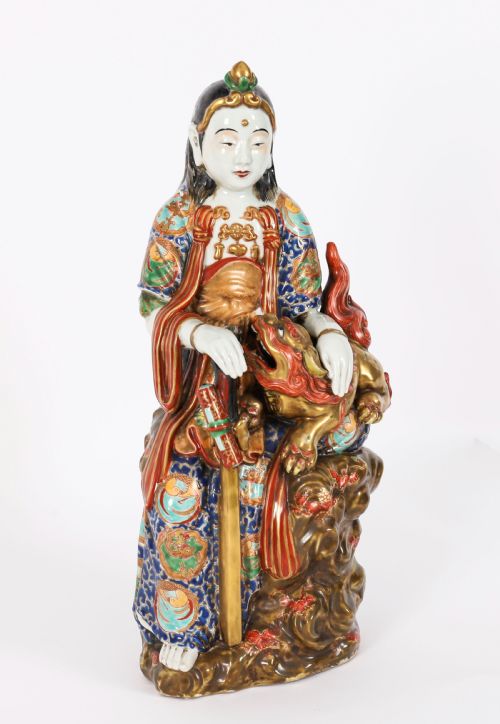
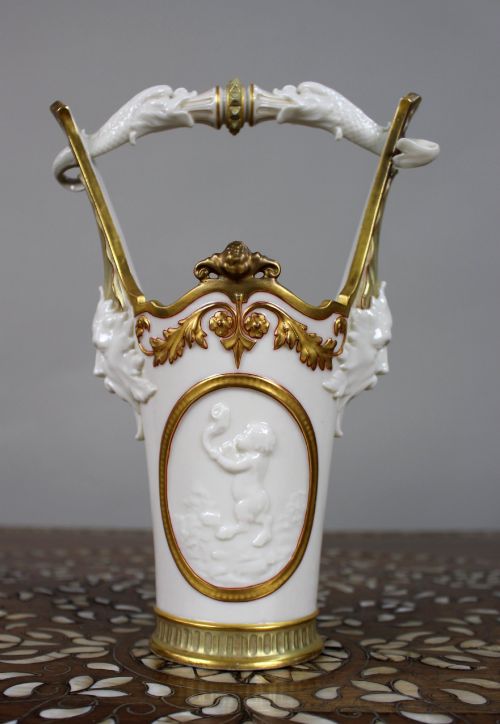
Ceramic and porcelain pieces, including works from Royal Worcester, Meissen, and various Staffordshire potteries, combine hand-modelled or moulded earthenware with painted enamel details and applied gold leaf accents. Glass items incorporate delicate enamel and gilt bands fired onto the surface.
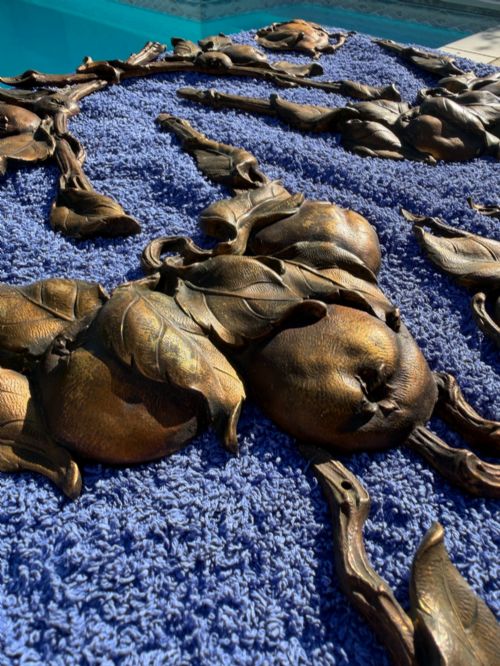
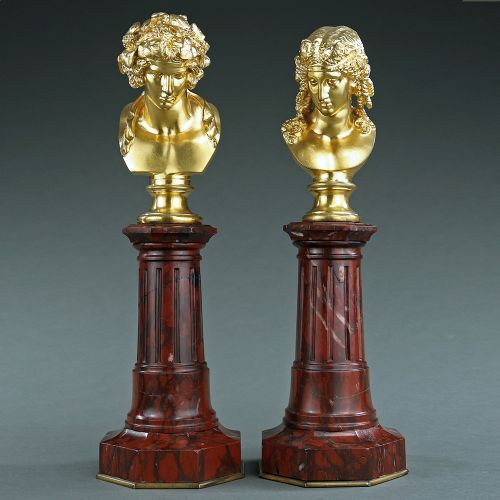
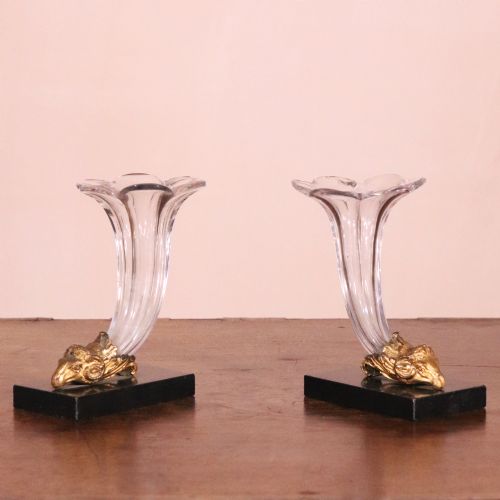
Mounts and appliques frequently feature combination constructions where cast bronze elements attach to marble bases, wood components, or glass bodies. Artisans finished these surfaces by hand-chasing the metal to sharpen details in hair, drapery, and ornamentation after casting.
Listings feature works spanning the eighteenth to the twentieth centuries, utilising bronze, porcelain, earthenware, and marble.
Determinants of Quality
Quality in antique gilt ornaments rests primarily on the crispness of the casting and the depth of the hand-chasing work. Superior bronze and ormolu figures retain sharp facial expressions, distinct hair strands, and well-defined drapery folds, whereas inferior pieces display soft, blurred contours resulting from worn or secondary moulds.
The integrity and application of the gilding itself mark a clear division in value. Deep, fire-gilded surfaces wear differently and retain a warmer, more complex golden hue than simple modern paint or thin electroplated finishes that flake or rub away easily.
The reputation of the workshop or modeller also dictates standing, with documented pieces from established factories like Meissen, Royal Worcester, or named artists commanding greater attention. The precision of secondary materials, such as finely polished marble bases or heavy bevel-cut mirror glass, supports the overall calibre of the object.
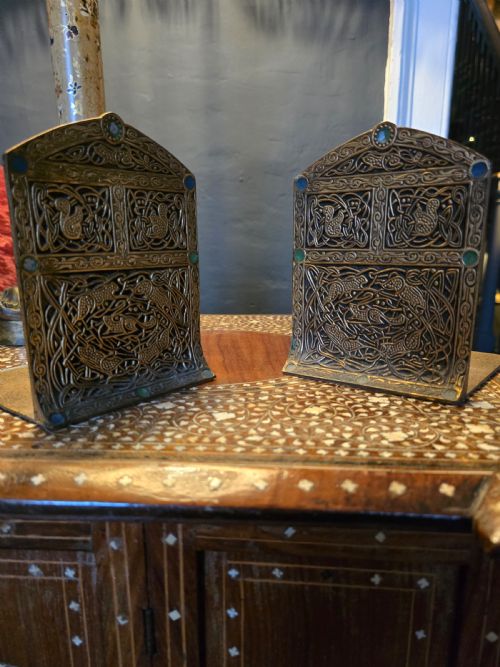
Poix Blin·Tiffany Studios New York·Thomas Hope·James Hadley·Makuzu Kozan II·Richard Eckert·Antoine Louis Barye
The Antique Gilt Ornaments Glossary
- Ormolu
- A gold-coloured alloy of copper, zinc, and sometimes nickel, or the technique of applying finely ground gold to bronze objects. This process was widely used by French makers to create decorative furniture mounts and freestanding statuettes.
- Applique
- An ornamental bracket, mount, or plaque designed to be fixed to a wall, mirror frame, or piece of furniture. These metal elements often take the form of scrolling foliage, putti, or classical trophies.
- Cassolette
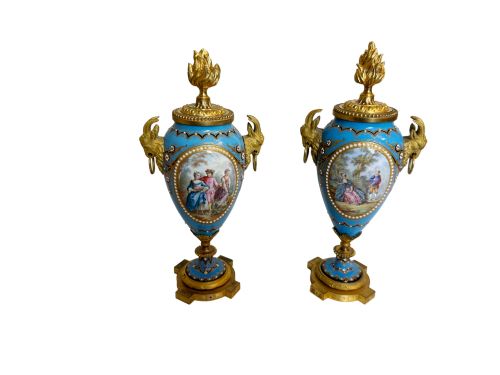
- A decorative vessel that functions as both a vase and an incense burner, often featuring a reversible lid. They appear frequently in pairs among nineteenth-century continental decorative objects.
- Okimono
- A Japanese carved figurine intended for display in a household tokonoma or on a shelf. These pieces are typically carved from ivory, wood, or modelled in ceramic and porcelain.
- Andiron
- A horizontal metal support used in pairs inside an open fireplace to hold logs. Antique examples often incorporate elaborate cast bronze or brass figural statuettes at the front.
- Flatback
- A style of pottery figure, particularly associated with nineteenth-century Staffordshire works, moulded with a flat, unpainted rear side designed to stand against a wall.
Antique Gilt Ornaments: Frequently Asked Questions
How were gilt bronze ornaments cleaned originally?
Historic maintenance involved very gentle dusting with soft brushes and occasionally washing with mild soap and water to preserve the delicate gold layer beneath. Harsh abrasives were strictly avoided to prevent wearing away the thin application of gold leaf or ormolu.
Modern care requires the exact same caution, keeping chemical polishes away from antique metal surfaces to maintain their original patination.
What is the difference between ormolu and gilt bronze?
Ormolu specifically refers to gilt bronze created using a mercury amalgamation technique common in eighteenth and nineteenth-century French manufacturing. The term gilt bronze is broader and encompasses any bronze object coated in gold by any method.
Both finishes yield a durable golden surface, but mercury-gilded ormolu tends to exhibit a distinct, deep lustre that resists standard ageing.
How can I tell a nineteenth-century copy from an eighteenth-century original?
Examinations of casting seams, tool marks, and the composition of the underlying metal often reveal the manufacturing period. Earlier pieces show hand-chased details finished by skilled artisans, whereas later reproductions frequently display more uniform machine finishing.
The wear patterns on the base and the method of assembly also provide clear indicators of chronological age.
Where were decorative gilt figures placed in a historic interior?
Owners positioned these ornaments on mantelpieces, central console tables, and dedicated bracket shelves around principal reception rooms. Pairs of figures or vases often flanked mirrors or clocks to create symmetrical decorative arrangements.
Smaller desk ornaments and paperweights remained in studies and libraries for daily use.