
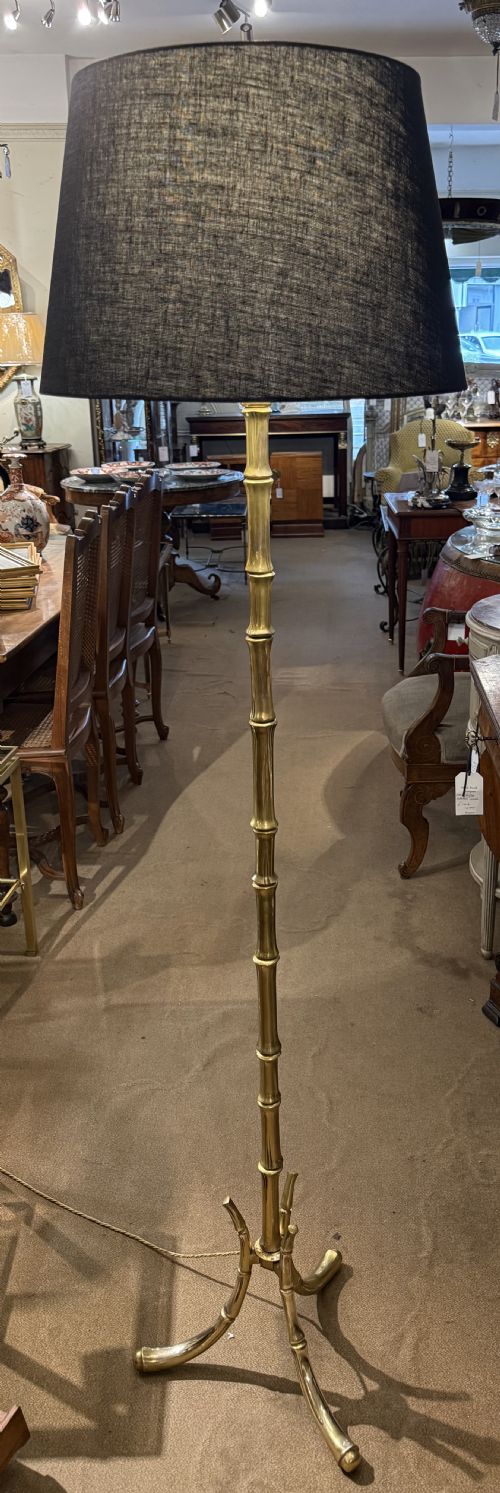


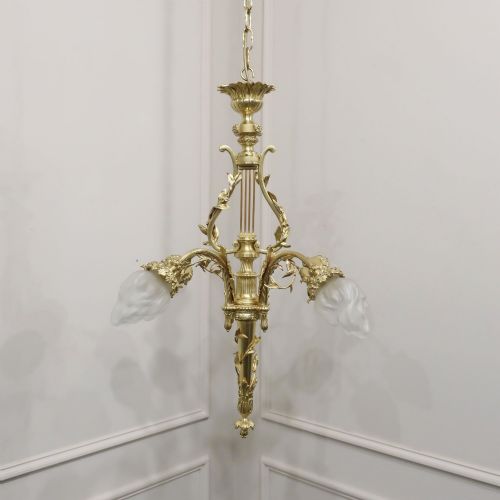
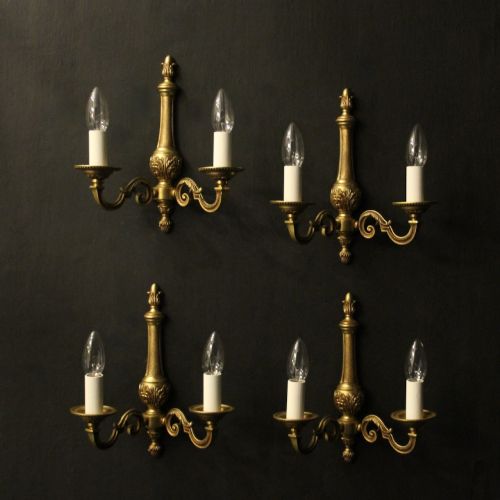
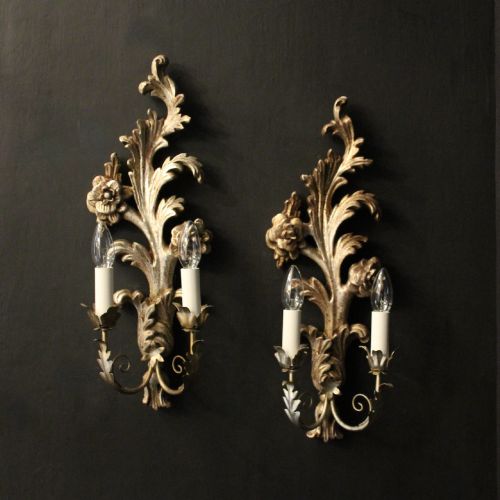
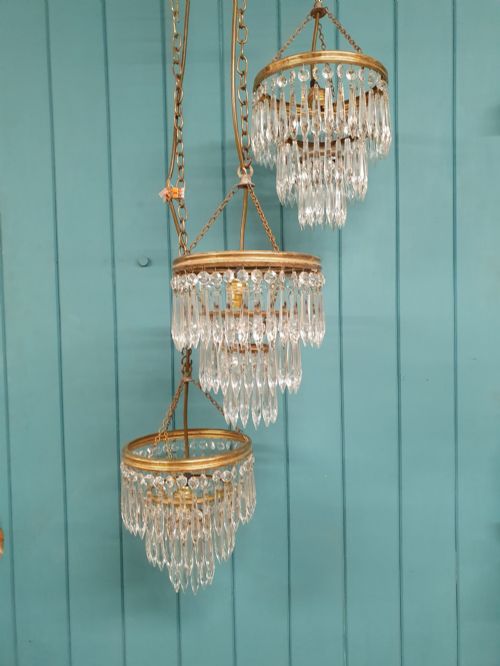
Antique Gilt Lamps
Antique gilt lamps bring a warm metallic radiance to interiors, spanning French chateau styles to English neoclassical designs.
Antique Gilt Lamps
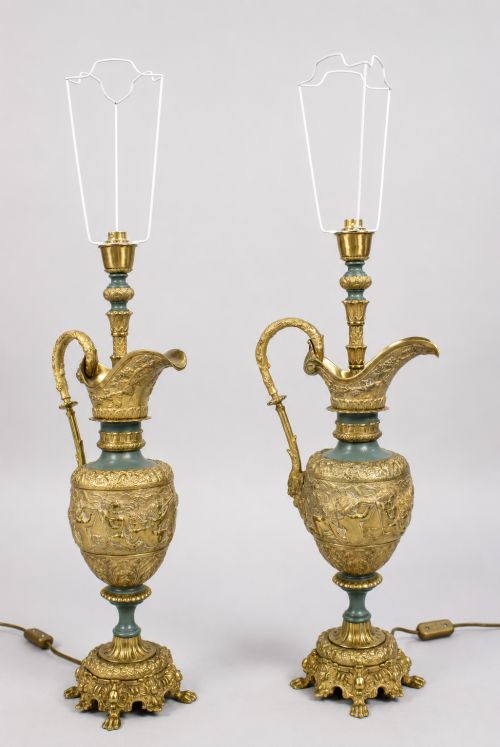
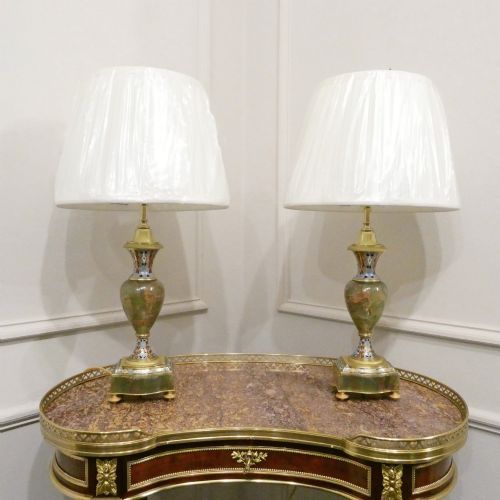
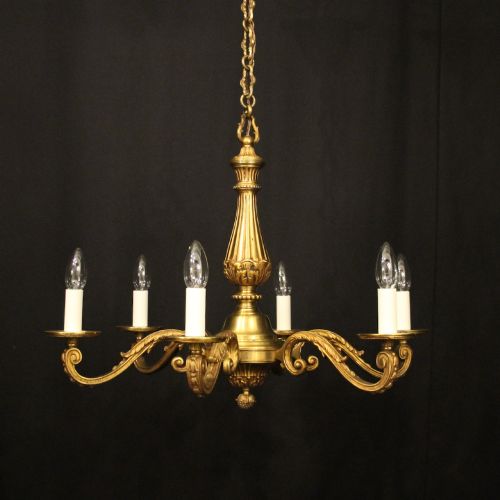
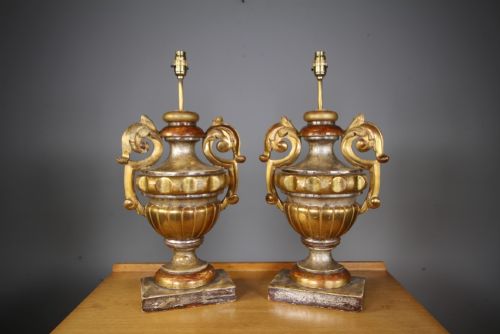
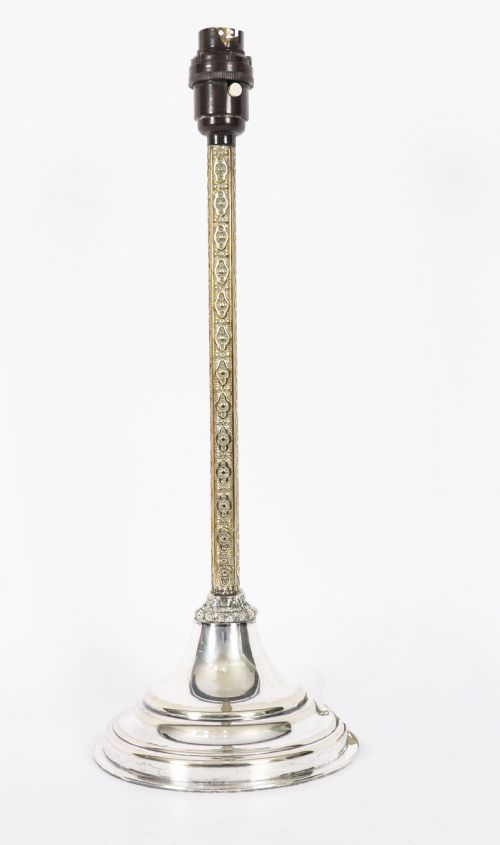
When you search for antique gilt lamps, you encounter a diverse array of lighting forms originating from the nineteenth and early twentieth centuries, including table lamps, floor standards, and monumental urn conversions.
The selections on this page lean heavily towards French aesthetic movements, with French Rococo, Neoclassical, and Empire styles appearing frequently alongside Victorian and Edwardian English pieces.
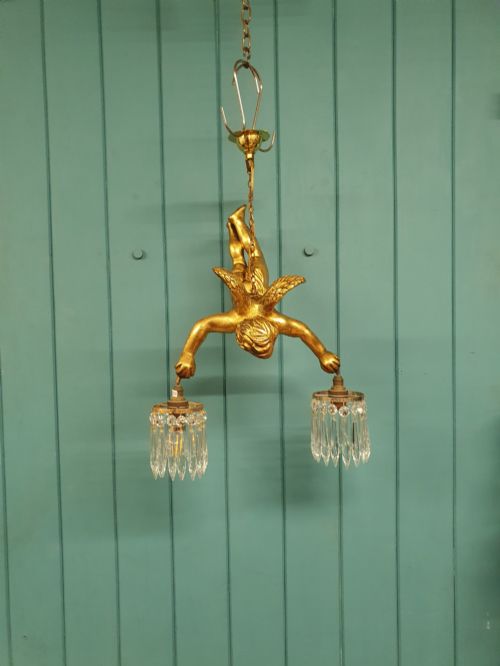
Table lamps dominate the listings, often paired as matching sets featuring figurative elements like cherubs or architectural bases constructed from marble and onyx.
Materials and construction methods
The foundational structures rely on cast bronze, brass, or carved timber such as pine and giltwood, upon which layers of gold leaf or gilt finishes are applied to create a luminous surface.
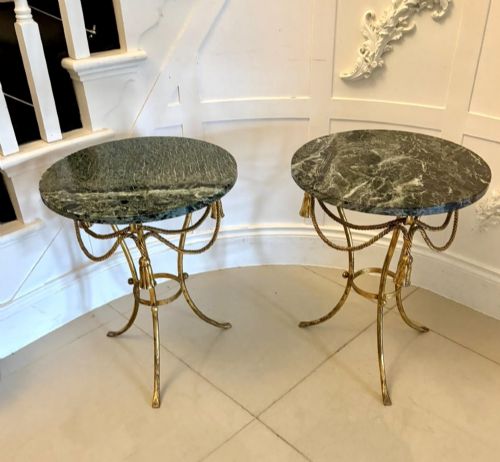
Many items integrate contrasting natural media, pairing gilt metal mounts with white, rouge royal, or rouge marble bases, alongside cut glass crystal drops and porcelain bodies.
Ornate details are achieved through techniques like ormolu casting, champleve enamelling, and hand-carved wood relief work characteristic of nineteenth-century workshops.
Listings feature French chateau styles alongside Victorian and Edwardian items, incorporating materials from rock crystal and marble to carved pine and gilt bronze.
Distinctions in craftsmanship
The integrity of the gilding itself dictates the visual success of the piece, with genuine fire-gilt ormolu and thick gold leaf retaining a deep, buttery tone compared to flat, modern chemical treatments.
Weight and material selection also define grade, as top-tier pieces utilise solid bronze, heavy natural marble, and genuine crystal rather than lighter spelter or composite substitutes.
Mappin And Webb·Maison Bagues·E Rousseau·Gillows
The Antique Gilt Lamps Glossary
- Ormolu
- Gilded bronze, typically produced by applying a mercury and gold amalgam to a bronze casting and firing it to drive off the mercury. This technique creates a durable, warm metallic finish seen on high-end French lighting.
- Spelter
- A zinc alloy commonly utilised as a less expensive alternative to bronze for sculptural lamp bodies during the nineteenth and twentieth centuries. It is softer and lighter than bronze.
- Champleve
- An enamelling technique where troughs or cells are hollowed out in a metal surface and filled with vitreous enamel powder before firing. It frequently decorates the bases of nineteenth-century French table lamps.
- Giltwood
- Timber, often pine or oak, that has been coated with a thin layer of gold leaf over a prepared gesso ground. It provides the luxurious appearance of solid gold while maintaining structural lightness.
- Cassolette
- A decorative vase or urn fitted with a removable or reversible lid, frequently converted into a lamp base during the nineteenth century. These items often combine rouge marble with gilt bronze mounts.
Antique Gilt Lamps: Frequently Asked Questions
How do I wire an antique lamp safely?
Rewiring requires taking the fixture to a qualified professional who can thread modern heat-resistant flex through the original central channels without altering or damaging the historic metalwork or wooden structure.
Earth connections must be established where required by current regulations, ensuring the vintage body remains safe for daily domestic use.
Were these always electric lamps?
Most pieces originating from the nineteenth century began life as oil lamps, argand burners, or even cassolettes and vases before undergoing later conversion to electricity during the twentieth century.
Standard lamps and table models often retain remnants of their original font fittings or burner assemblies beneath modern shade carriers.
How do I clean gilt surfaces?
Maintenance requires only a very gentle dusting with a soft, dry ostrich feather brush or a clean microfibre cloth to prevent the accumulation of grit within intricate carved or cast recesses.
Water, chemical polishes, and abrasive cloths must be avoided entirely, as they strip away delicate gold leaf and historical ormolu finishes.
How do I date a gilt lamp?
Dating relies on examining the cast construction methods, switch mechanisms, wiring channels, and stylistic cues such as neoclassical urn shapes or art deco geometric silhouettes.
Comparing the patination of the gilt layer and the wear on the underside of marble or wood bases also helps determine the exact period of manufacture.