




Gold Candelabra Lamps
Gold candelabra lamps combine gilded metalwork and lighting utility, originating in periods from Regency to the twentieth century.
Gold Candelabra Lamps
When searching for gold candelabra lamps, buyers encounter varied forms including table lamps, standard lamps, and converted antique pieces. These items serve both functional lighting roles and decorative display functions within interior spaces.
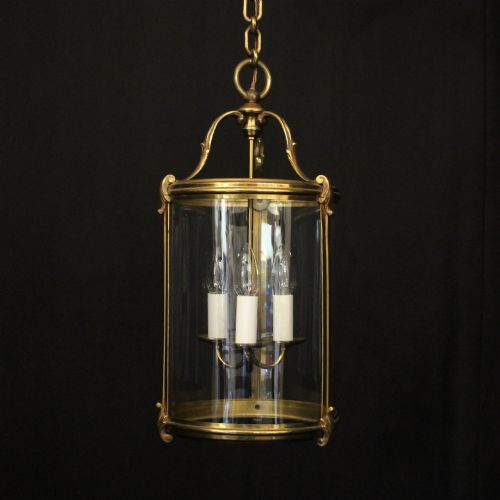
The selections span the nineteenth century through the 1930s, encompassing French Chateau, Neoclassical, and Victorian stylistic influences. Many pieces originate from French workshops, utilising gilt bronze, ormolu, and brass construction.
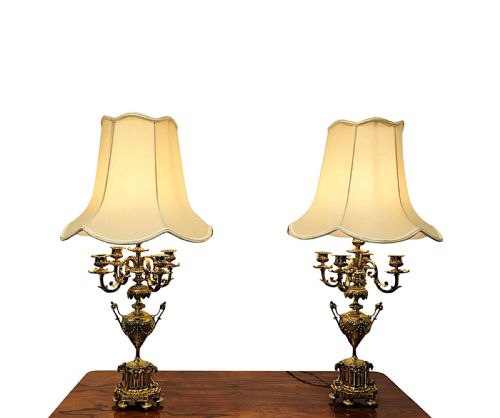
Conversions form a significant portion of the available items, where earlier lighting fixtures or candelabra are adapted for electrical use. Pairs frequently appear, retaining branch configurations designed originally for multiple candles.
How they were made
Maker construction relies heavily upon cast metals such as bronze, brass, and ormolu, often finished with fire-gilding or applied gold colouration. Metal components are combined with crystal drops, glass elements, and occasionally marble bases.
Wiring and electrical adaptations are integrated into historical frames, preserving original multi-branch arms and socket holders. Surface patination on patinated bronze details contrasts against bright gilt finishes.
Gold Candelabra Lamps Retail Price Guide 2026
Typical asking prices for gold candelabra lamps among the pieces listed under this phrase on Sellingantiques today, from the lower quarter to the upper quarter. They describe what is for sale here now, not the wider market.
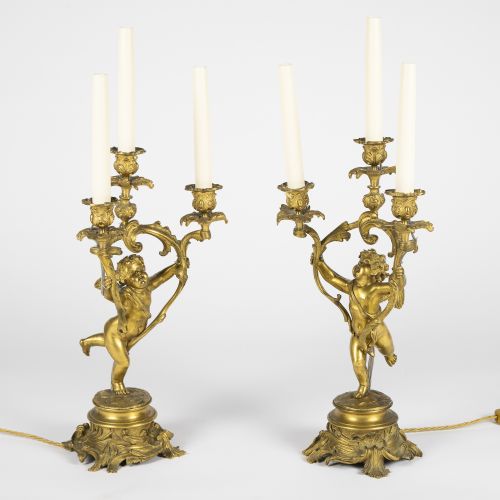
Several heavy bronze cherubs and putti patiently hold up modern electric lights without complaint.
What varies in quality
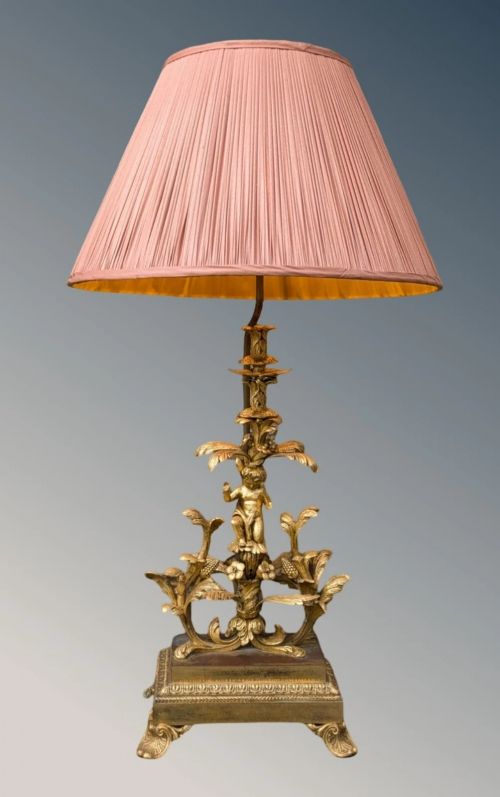
Quality differentiates through the crispness of metal chasing on ormolu and gilt bronze figures, such as putti and cherubs. Finer examples display deeper hand-finishing and heavier metal casting across the branches and stems.
The integration of electrical conversion work within antique frames affects structural integrity and aesthetic continuity. Complete matching pairs command greater architectural presence compared to individual lamps.
The Gold Candelabra Lamps Glossary
- Ormolu
- Finely chased gilt bronze used in decorative mounts and lighting fixtures. This technique involves applying a mercury-gilding mixture to bronze before firing.
- Gilt Bronze
- Bronze metal coated with a layer of gold. It provides a durable, lustrous surface finish seen across nineteenth-century furnishings.
- Candelabra
- A branched candlestick holder designed to support multiple candles. Many examples in these listings are later converted to electric lamps.
- Regency
- An English design period spanning the early nineteenth century. Pieces from this era often incorporate classical motifs and patinated bronze finishes.
- Neoclassical
- A style drawing inspiration from classical antiquity. It frequently appears in lighting designs featuring symmetrical forms and formal ornamentation.
Gold Candelabra Lamps: Frequently Asked Questions
Are these lamps converted from old candelabra?
Many items in this category started as nineteenth-century candleholders before receiving electrical wiring. This conversion process allows historical metalwork to function as modern table lighting.
Makers adapted the original branches and sockets to hold electrical components while keeping the decorative gilt bronze structure intact.
What periods do these gold lamps represent?
The inventory spans the Regency era, the nineteenth century, and early twentieth-century decades up to 1930. French Chateau and Victorian styles dominate the aesthetic range.
Dates are assigned based on stylistic evidence from the cast metalwork and decorative motifs used during manufacture.
How do I identify French ormolu lighting?
French ormolu pieces display detailed hand-chased surface work on cast bronze, often featuring figures like putti or neoclassical ornamentation. The gilt finish has a distinct golden tone.
Workshop production from France during the nineteenth century prioritised heavy metal casting and elaborate multi-branch configurations.
Can I use standard lampshades with these?
Most of these fixtures are designed to display exposed bulbs along their branches rather than support large fabric shades. The primary visual focus remains the gilded metalwork.
Some configurations include glass or crystal elements that diffuse the light emitted from the multi-branch arms.