
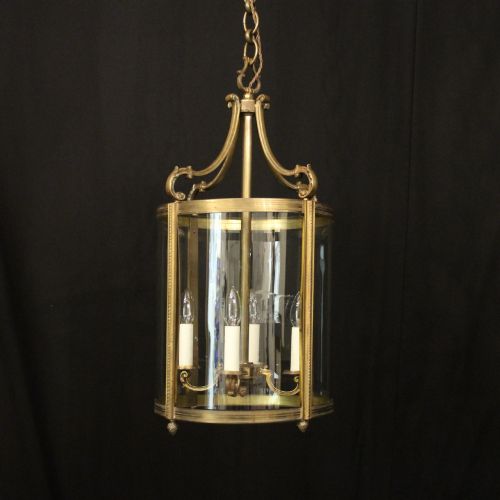
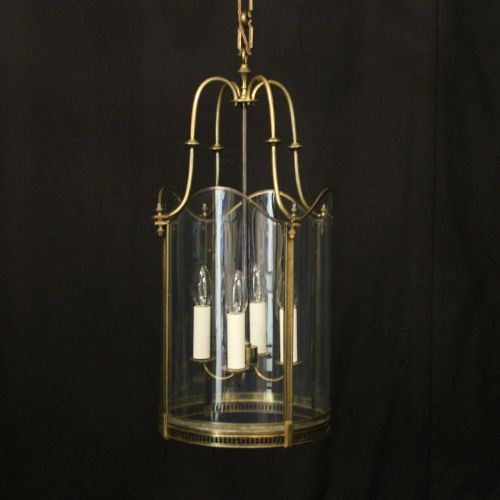
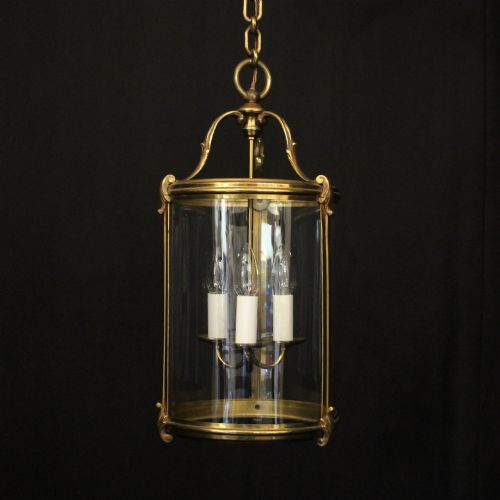
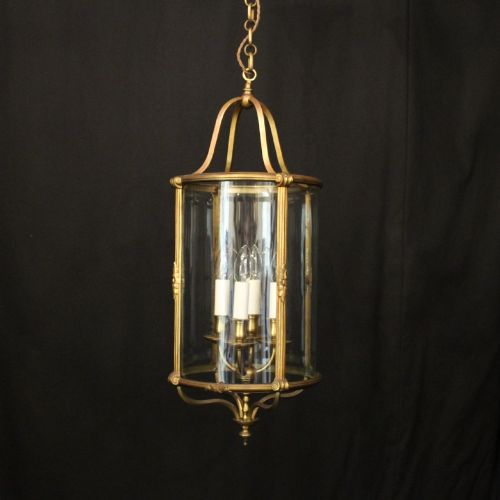


Antique Gilt Hall Pendant
An antique gilt hall pendant brings warm metallic reflection and clear glass to an entranceway, hanging overhead to catch the eye.
Antique Gilt Hall Pendant
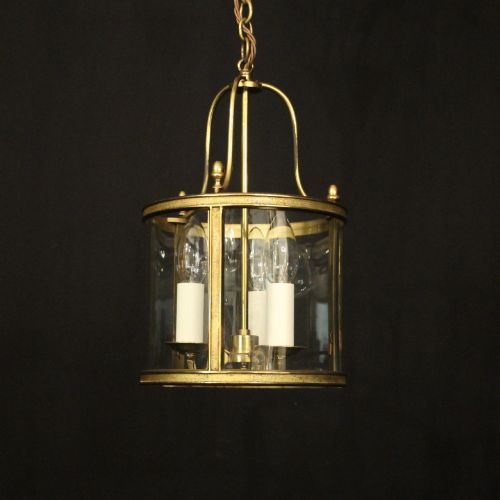
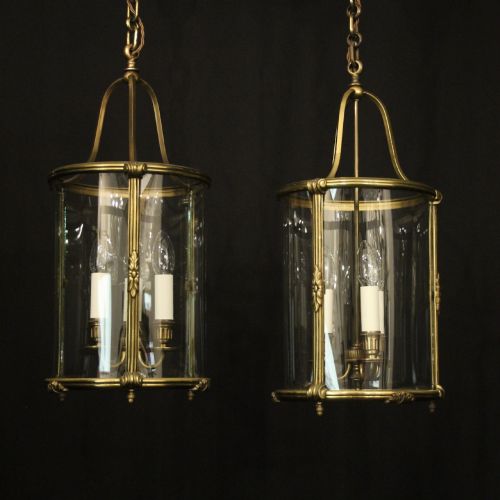
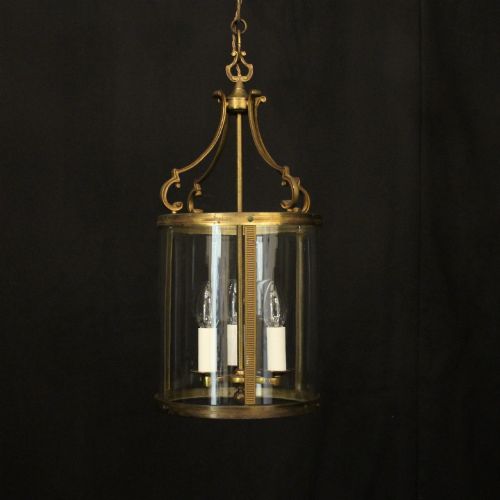
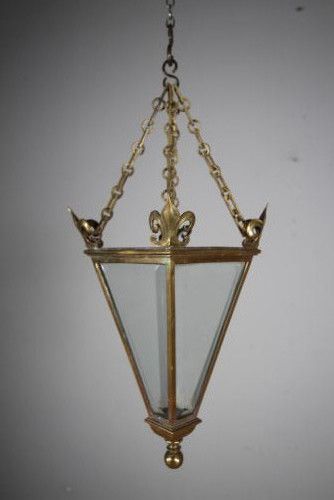
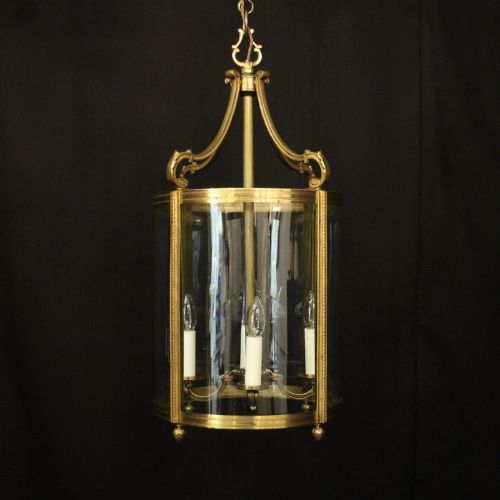
When you search for an antique gilt hall pendant, you encounter hanging lanterns, ceiling lights, and pendant lanterns designed specifically for entranceways and corridors. The pieces on this page span from the nineteenth century into the early twentieth century, showing a strong French influence in their forms.
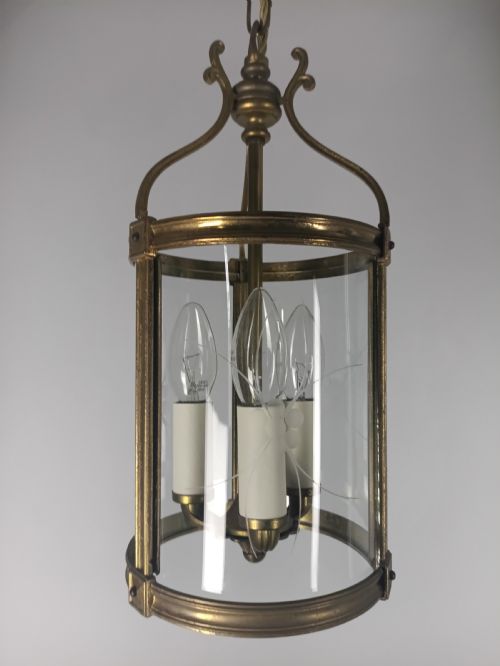
You will most commonly meet French lanterns shaped with convex glass panels and mounted in gilded bronze or brass. These fixtures often house multiple internal lights, suspended securely from ceilings to illuminate narrow spaces with period character.
Materials and Construction Methods
Metalworkers utilised bronze and brass as foundations, applying a gilt or silver gilt finish to create a lustrous surface. These metallic frames were cast or forged into structural shapes designed to support glass panels securely.
Glassmakers produced transparent, etched, bevelled, or opaline panes fitted precisely into the metal framework. Craftsmen combined these elements to protect internal candle or electric light fittings while diffusing illumination outwards.
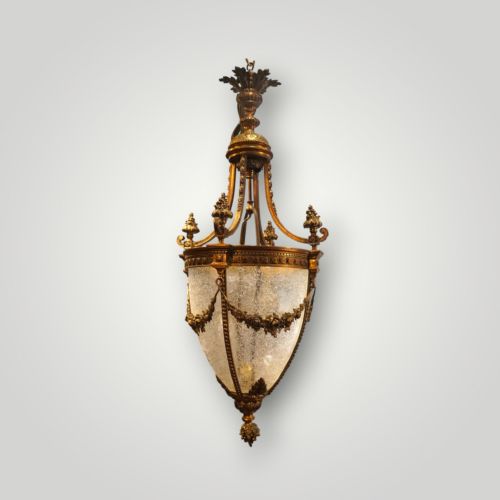
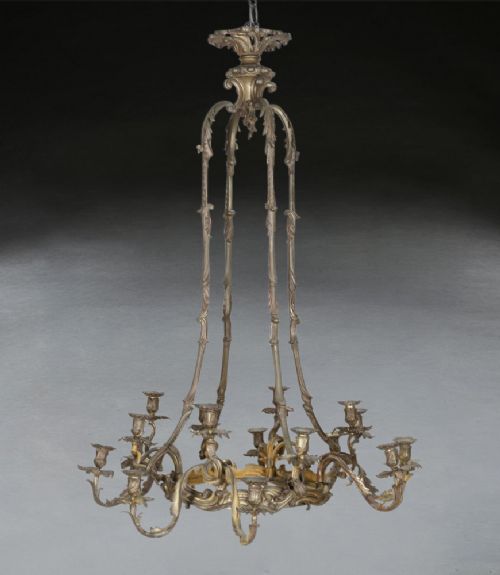
One extravagant Venetian lantern mimics the grandeur of Versailles, proving that even a hallway can harbour royal ambitions.
Distinctions in Quality and Execution
The sophistication of the casting and the depth of the gilding separate standard examples from finer works. Superior lanterns display crisp surface ornamentation and substantial metal gauge rather than thin, pressed sheet construction.
The quality of the glazing matters greatly, with bevelled or etched glass panes indicating higher craftsmanship than plain flat glass. Attention to proportion and the integrity of the original hanging mechanisms also define the better pieces.
Perry And Co
The Antique Gilt Hall Pendant Glossary
- Gilt bronze
- Bronze that has been coated with a layer of gold. This technique provides a durable, metallic finish that resists tarnishing over decades of use.
- Convex glass
- Curved glass panes used within lantern frames. This shape diffuses light more broadly across a hallway than flat glass.
- Ormolu
- Finely ground high-carat gold applied to a bronze object. It gives decorative metalwork a warm, rich yellow lustre.
- Opaline glass
- A pale, milk-like translucent glass. It softens interior bulb glare to produce an even, gentle glow.
- Bevelled glass
- Glass with edges cut at an angled slope. This treatment catches and refracts light passing through the panels.
Antique Gilt Hall Pendant: Frequently Asked Questions
Where should an antique gilt hall pendant be hung?
These lanterns suit entrance halls, vestibules, and stairwells where overhead clearance allows safe passage underneath. Their primary purpose is to provide welcoming illumination upon entering a property.
Ensure the hanging height clears tall visitors while remaining low enough to anchor the vertical space of a high ceiling. Positioning them centrally creates a balanced focal point.
How do I date an antique gilt hall pendant?
Dating relies on examining the metal casting style, the type of glass used, and the assembly methods of the frame. Victorian and nineteenth-century pieces often feature heavier bronze work, while later 1920s and 1930s examples introduce simpler brass structures.
Wiring components, if original, also offer clues, though most hanging lanterns have been re-wired for modern electrical safety. Comparing the decorative motifs to known period styles like Louis XVI or Arts and Crafts narrows down the era.
Can these pendants be wired for modern electricity?
Most antique hall pendants are adapted to accept modern electrical fittings safely. Qualified electricians can thread modern wiring through the existing internal channels without altering the visible exterior structure.
Using low-wattage LED bulbs that mimic traditional candle glow preserves the atmospheric light quality of the period. This modification allows historic fixtures to function reliably in contemporary homes.
How do I clean a gilded bronze lantern?
Dust the metal gently with a soft, dry cloth to prevent grime accumulation. Avoid harsh chemical cleaners or abrasive polishes, which can strip away the delicate gilt surface.
Glass panels can be removed carefully for washing with mild soapy water before being dried and refitted. Regular, gentle maintenance preserves both the gilding and the clarity of the glass.