


Antique Gilt Bronze Holders
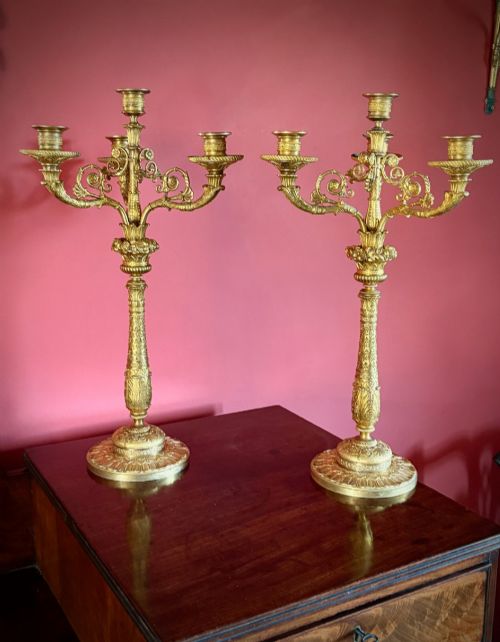
Antique gilt bronze holders bring heavy French and English lighting and deskware into a room, forged in ormolu and patinated metal.
Antique Gilt Bronze Holders
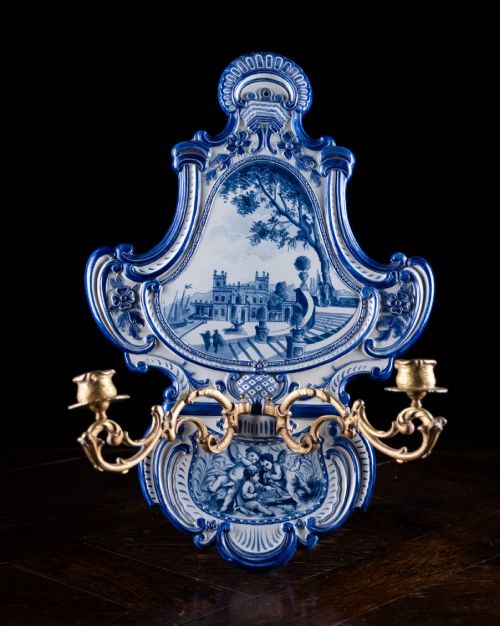
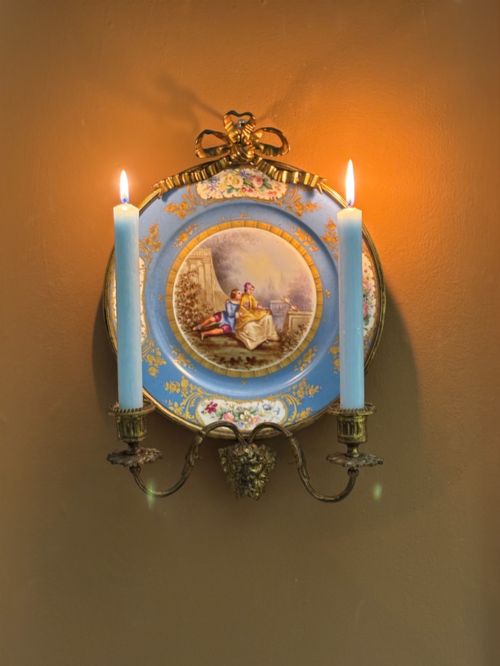
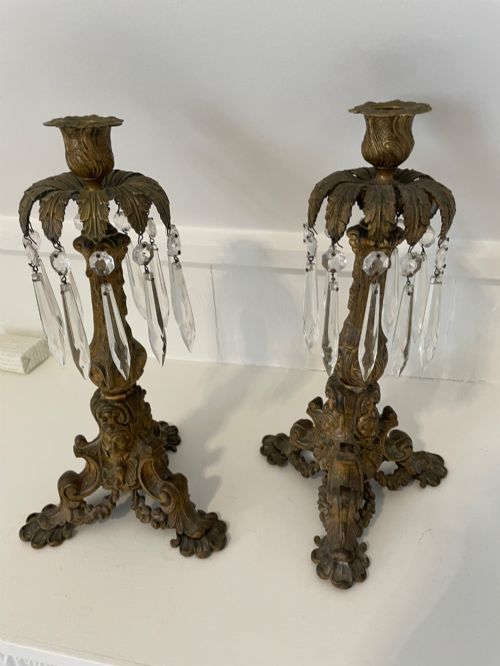
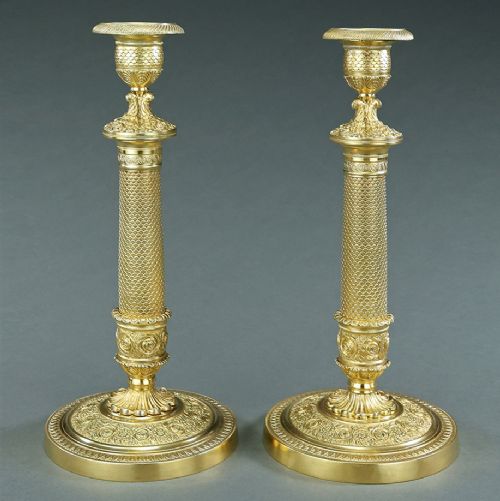
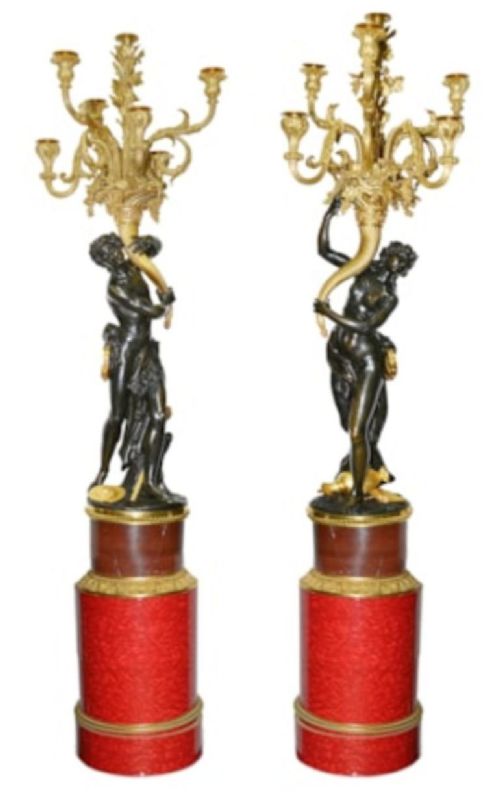
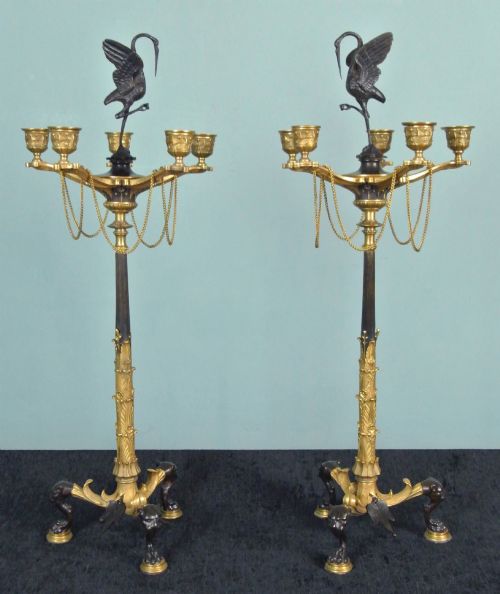
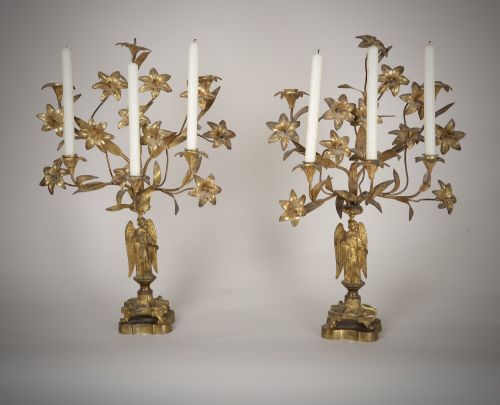
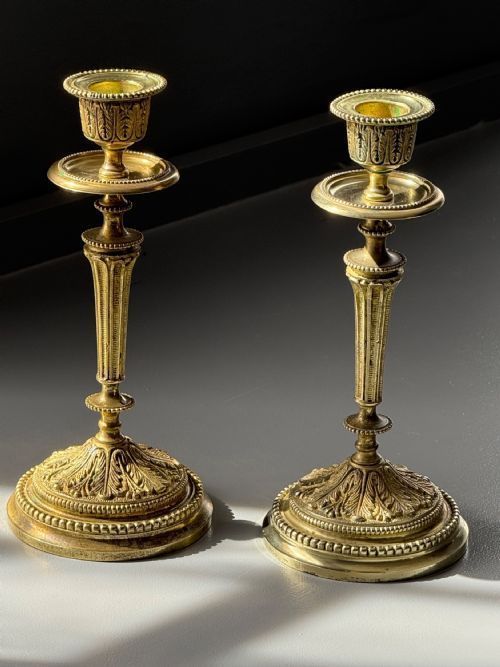
When searching for antique gilt bronze holders, buyers encounter lighting and desk accessories spanning the eighteenth, nineteenth, and early twentieth centuries. These objects include candlesticks, multi-arm candelabra, wall sconces, and inkstands originating predominantly from French workshops alongside English makers.
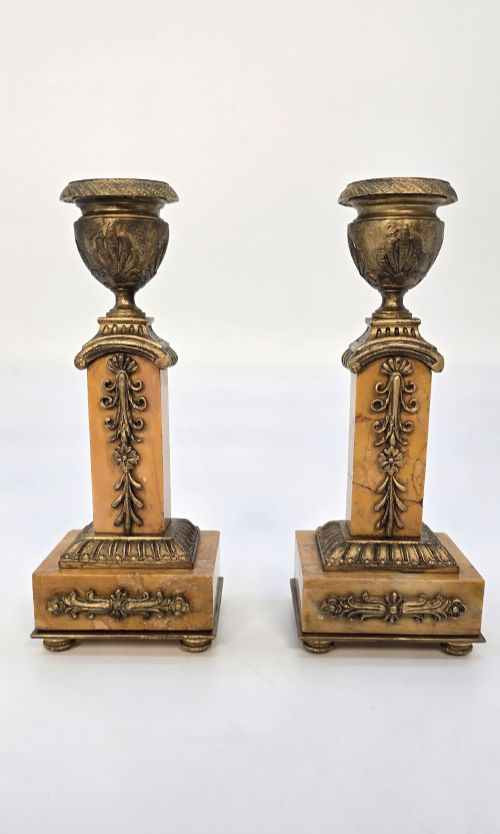
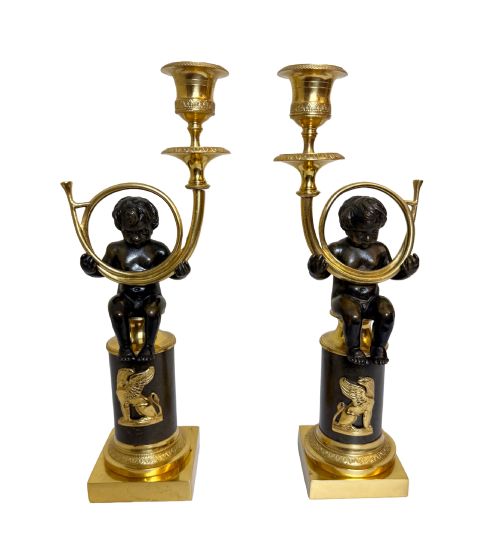
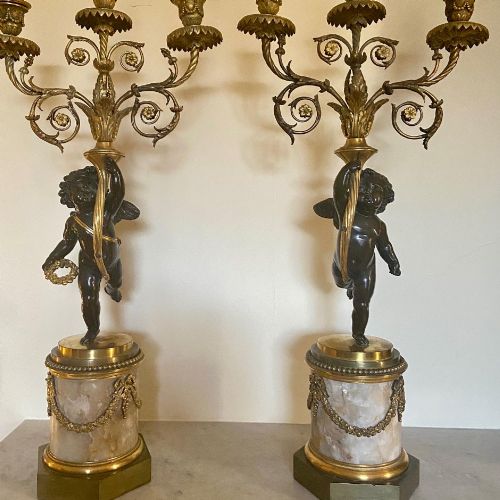
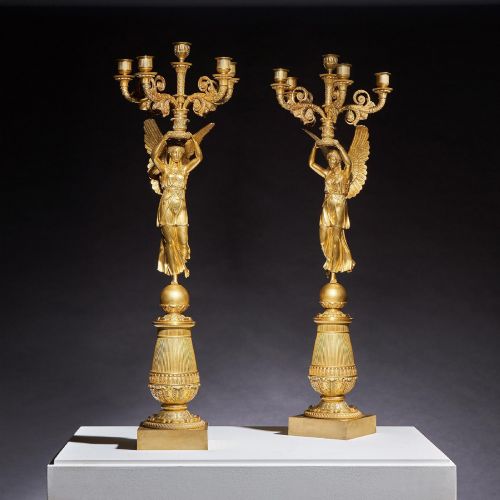
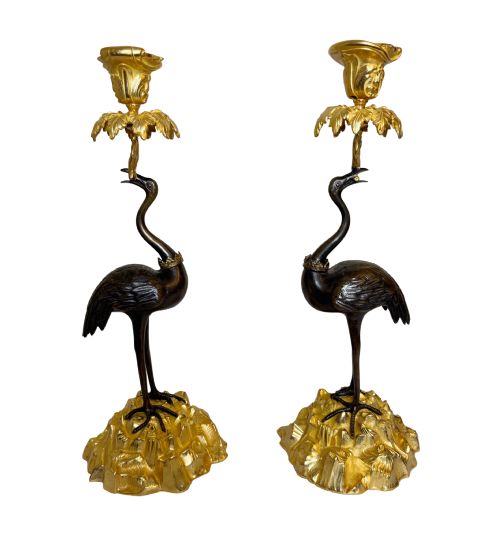
Pairs dominate the selection, heavily influenced by French Empire, Louis XVI, and Rococo revival styles. Pieces frequently incorporate figures, putti, or natural motifs cast in metal and mounted on marble, onyx, or cut glass bases.
Materials and construction
The objects are produced from bronze, brass, and patinated metal treated with mercury gilding or modern electroplating to create the characteristic golden ormolu surface. Founders combined cast metal elements with carved stone bases, including Carrara marble, white marble, and onyx.
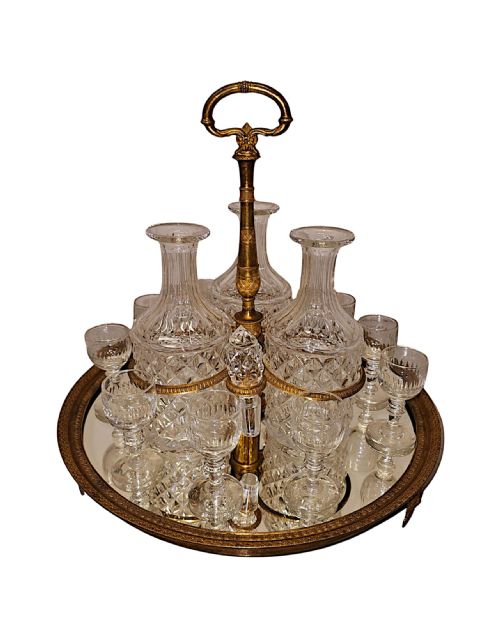
Makers integrated contrasting materials such as cut glass, porcelain, champleve enamel, and mother-of-pearl into functional containers like tantalus sets, inkstands, and wall lights.
Antique Gilt Bronze Holders Retail Price Guide 2026
Typical asking prices for gilt bronze holders among the pieces listed under this phrase on Sellingantiques today, from the lower quarter to the upper quarter. They describe what is for sale here now, not the wider market.
Squirrels scamper among bronze tree branches on Regency candlesticks, sharing space with campana sconces and square bases.
Factors that define quality
Substantial weight, skilful integration of secondary materials like fluorspar or marble, and the harmonious preservation of the original mercury gilt or patinated surfaces distinguish high-grade workshop output from standard commercial items.
Pierre Philippe Thomire·Francois Redmond·Dugourc·Rabiat·Thomas Hope
The Antique Gilt Bronze Holders Glossary
- Ormolu
- Gilded bronze produced by applying a mercury and gold amalgam to a bronze base and heating it until the mercury vaporised. This technique creates a durable, luminous golden finish characteristic of eighteenth and nineteenth-century French metalwork.
- Candelabra
- A branched candlestick designed to hold multiple candles simultaneously. These pieces often feature central shafts surrounded by removable arms and decorative bobeches.
- Champleve
- An enamelling technique where troughs or cells are hollowed out of the metal surface and filled with vitreous enamel powder before firing. The resulting coloured patterns sit flush with the surrounding metal borders.
- Caryatid
- A sculpted female figure serving as an architectural support or as the central shaft of a candlestick. They appear frequently in neoclassical and Empire designs.
- Cave a liqueur
- A fitted wooden or metal tantalus set designed to hold decanters and liqueur glasses securely. They often feature elaborate ormolu mounts and compartments.
Antique Gilt Bronze Holders: Frequently Asked Questions
What is the difference between ormolu and gilt bronze?
Ormolu specifically describes objects treated with historical mercury gilding during the eighteenth and nineteenth centuries. Gilt bronze is a broader descriptive term encompassing any bronze object coated in gold, including electroplated pieces from later decades.
Collectors often use the terms interchangeably, but mercury-gilded ormolu exhibits a deeper, softer golden lustre compared to later electrochemical applications.
Were these holders originally wired for electricity?
Almost all antique gilt bronze holders were originally manufactured to burn wax candles or hold liquid fuel for lighting. Conversion to electricity usually occurred during the twentieth century, frequently involving drilled channels through the base or stem.
Inspect the wiring points carefully to determine if original structural elements were altered during electrification. Many buyers prefer unconv.rted examples for display or subtle illumination.
How can I distinguish French Empire style from Rococo revival?
French Empire pieces rely on strict symmetry, classical motifs derived from antiquity, military emblems, and architectural columns. They project a heavy, monumental dignity associated with the early nineteenth century.
Rococo revival designs feature asymmetrical curves, scrolling foliage, naturalistic flowers, and playful putti or animals. The forms feel lighter and more organic, reflecting eighteenth-century French aesthetics revived during the Victorian era.