

Antique Gilded Urn
An antique gilded urn brings classical presence to a room, combining metallic lustre with porcelain or carved wood.
Antique Gilded Urn
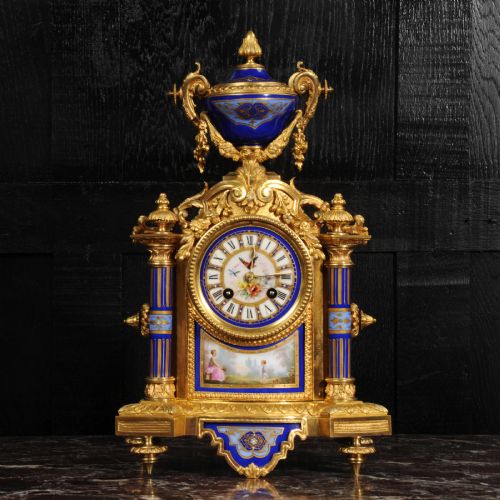
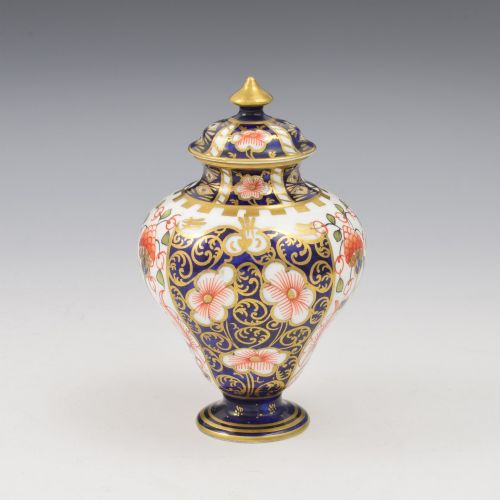
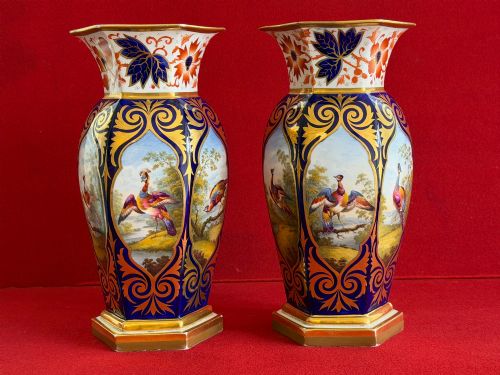
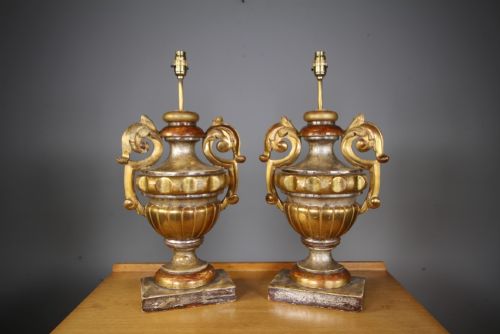
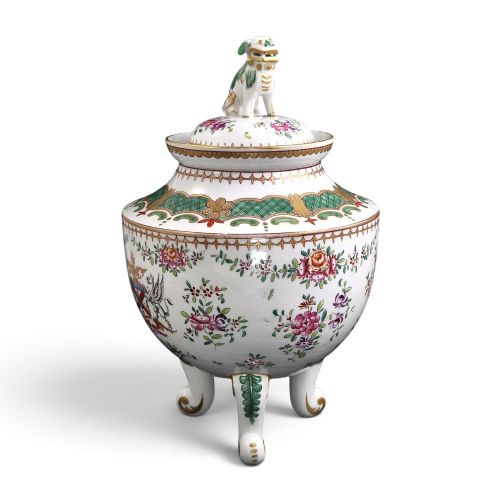
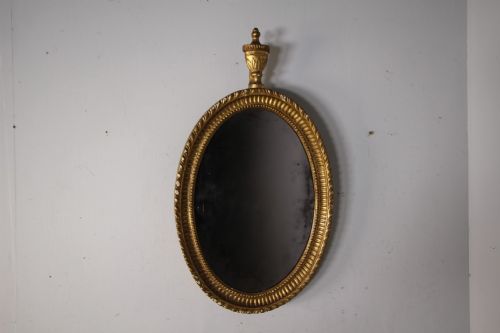
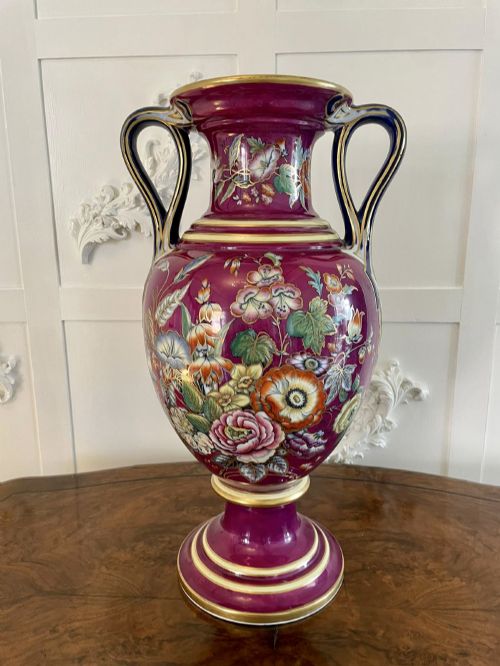
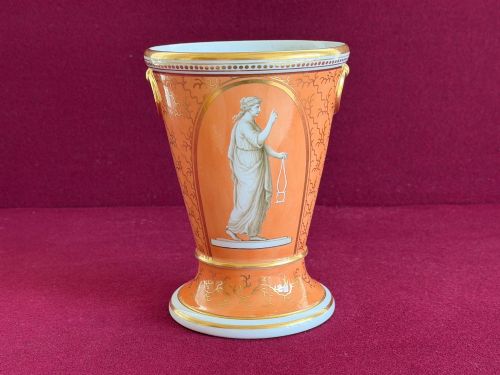
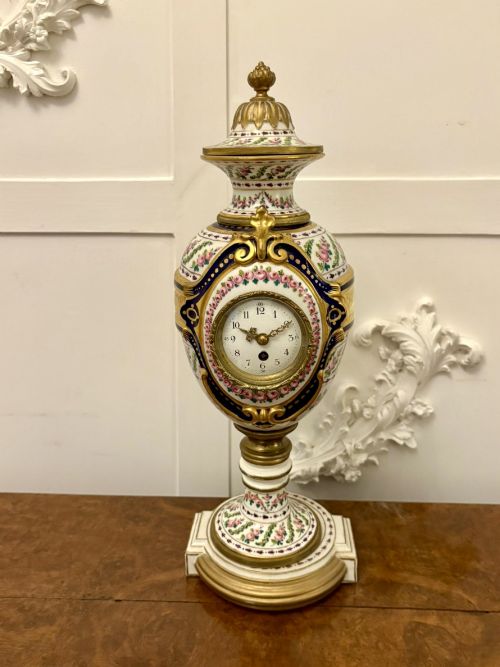
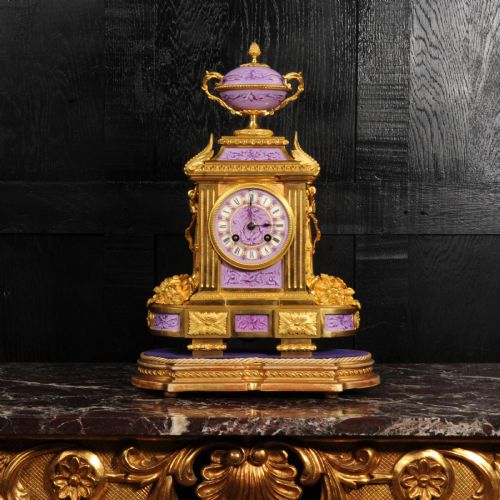
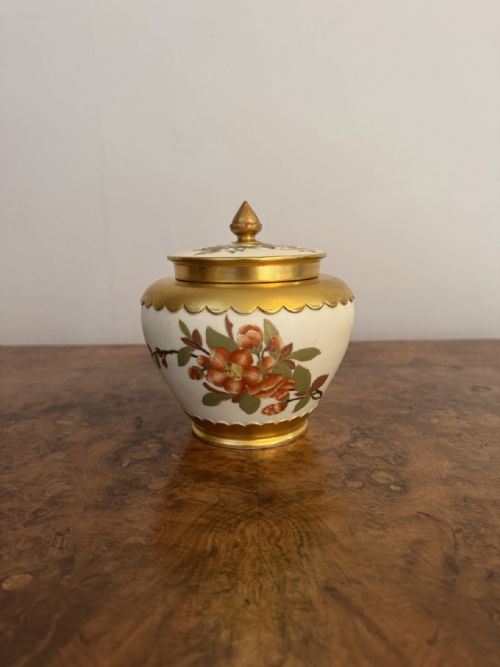
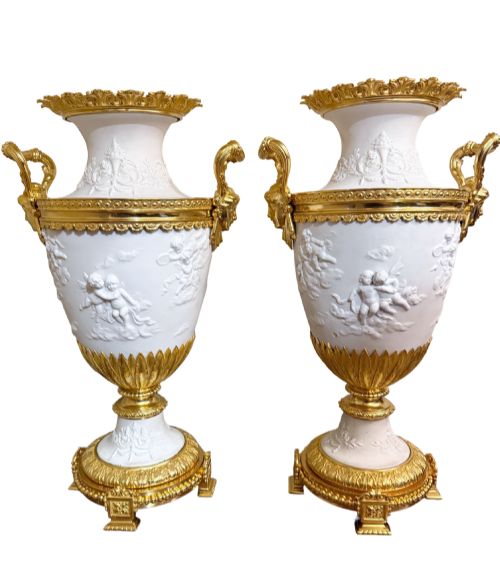
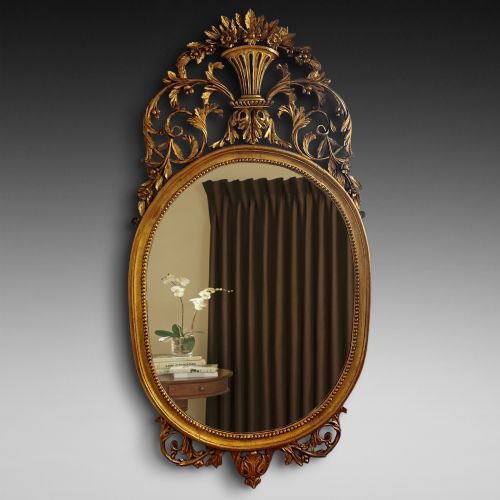
An antique gilded urn encompasses decorative vessels, mantel clocks, and table lamps from periods such as the Georgian, Regency, and Victorian eras. These objects take the form of porcelain vases, carved pine wall mirrors, and giltwood garnitures designed to draw the eye in formal reception rooms.
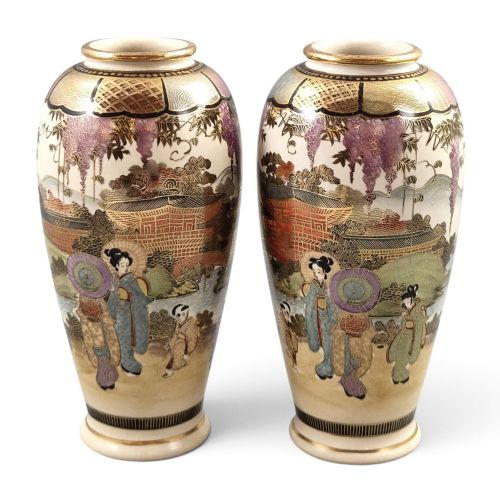
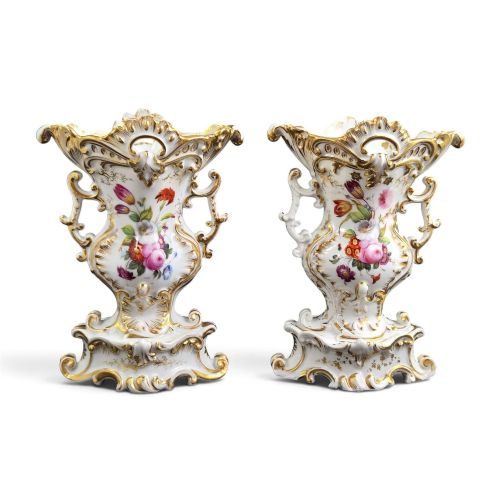
The versions most commonly met on this page span the nineteenth century, including English porcelain, French Sèvres-style ceramics, and Japanese Satsuma pieces. They frequently appear in matched pairs or larger garnitures, utilising applied gold leaf, ormolu, and hand-painted floral or figural decoration.
How they were made
Makers shaped porcelain, earthenware, and ironstone on the wheel or cast them in moulds before applying hand-painted enamels and gilding. Artisans used gold leaf or liquid ormolu on bronze mounts, wood, and gesso to achieve metallic highlights on surfaces.
Carvers worked with pine and wood to form intricate frames and bases, applying gesso as a smooth ground for subsequent gilding. Ceramic pieces often underwent multiple firings to fix cobalt blues, imari palettes, and delicate gilding onto the glaze.
Materials span porcelain, gilt bronze, carved pine, gesso, glass, and enamel.
What varies in quality
Proportion and the handling of classical motifs dictate the standing of an urn, where balanced handles and harmonious enamel palettes separate workshop output from major factory exhibitions. Condition of the underlying glaze and the integrity of the original gilding further distinguish the upper tier.
Royal Crown Derby·Flight Barr And Barr·Samson Paris·Achille Brocot·Jacob Petit·Royal Worcester·Sitzendorf·Gillows Of Lancaster·Spode·Vienna Porcelain
The Antique Gilded Urn Glossary
- Giltwood
- Wood that has been treated with gesso and covered in fine gold leaf. This technique was widely utilised on frames and decorative urn bases during the Georgian and Regency periods.
- Ormolu
- Finely ground high-carat gold applied to a bronze base, often used for mounts and decorative handles on French and English porcelain urns.
- Imari
- A style of ceramic decoration featuring deep underglaze blue and iron red, frequently highlighted with gilt. It originated in Japan and was later copied by European porcelain factories.
- Gesso
- A plaster mixture applied to carved wood to create a smooth surface for gilding. It allows craftsmen to achieve sharp relief details on mirrors and lamp bases.
Antique Gilded Urn: Frequently Asked Questions
How were antique gilded urns used?
These vessels originally served as decorative mantel ornaments, garden garnitures, or centrepieces for formal dining tables in grand houses. Over time, many were later converted into table lamps or paired with matching wall mirrors.
They functioned primarily to display wealth and taste, often incorporating porcelain bodies painted with botanical studies, classical scenes, or armorial crests.
How can I tell the period?
Dating relies on identifying the underlying material, factory marks, and stylistic traits such as Regency neoclassical restraint or Victorian exuberance. Porcelain bodies, glaze colours, and mounting techniques change noticeably between the eighteenth century and the late nineteenth century.
Signatures, pattern numbers, and registration marks stamped or painted on the base offer direct clues to the decade of manufacture.
What is the difference between porcelain and ironstone?
Porcelain is a vitrified ceramic material that is hard, fine, and often slightly translucent when held to the light. It forms the body of most decorative French and English urns.
Ironstone is a heavier, sturdier type of earthenware developed for durability while still accepting rich cobalt and gilt decoration.