


Antique Gilded Table
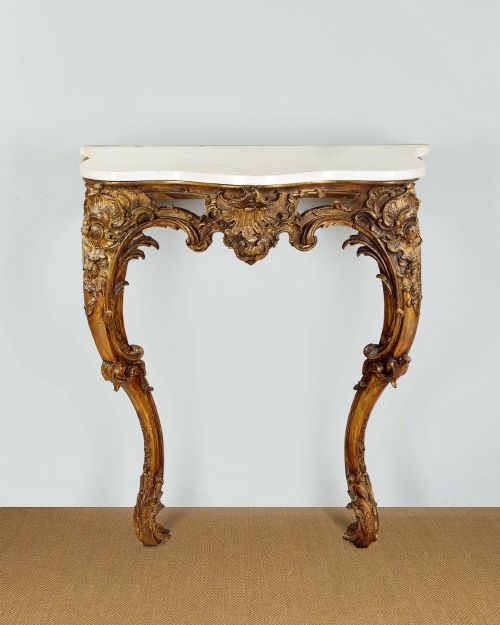
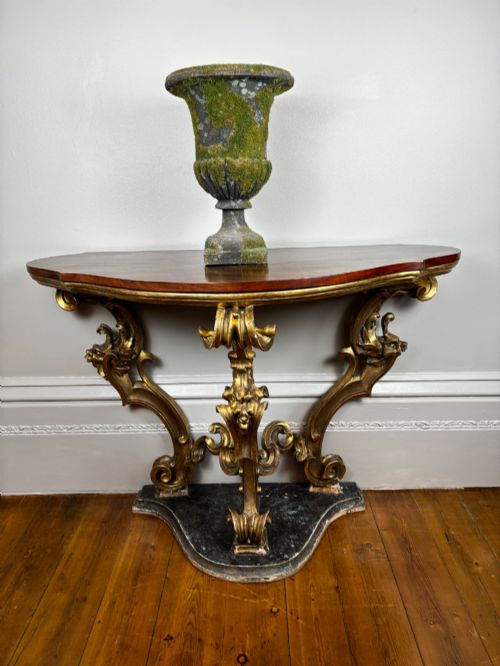
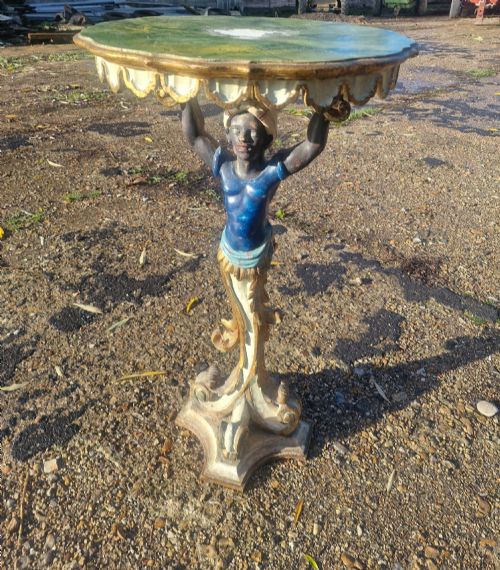
An antique gilded table brings reflective light and carved detail into a room, spanning grand Italian console tables to French Louis XV revival pieces.
Antique Gilded Table
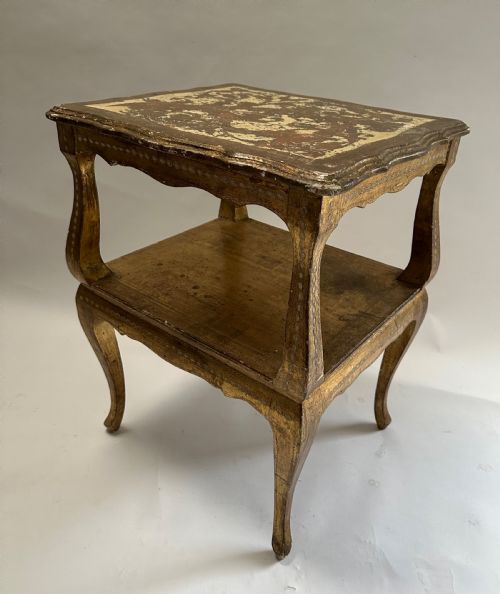
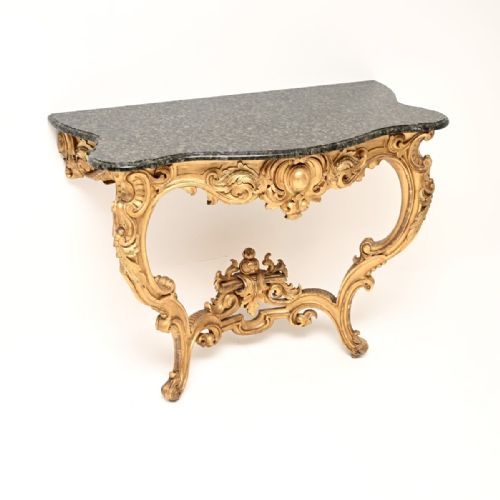
An antique gilded table encompasses console tables, side tables, coffee tables, and occasional tables originating from the eighteenth, nineteenth, and early twentieth centuries. The listings feature prominent console tables often paired with matching mirrors, alongside smaller occasional and lamp tables.
Makers and designers from French, Italian, and English traditions produced these forms within distinct periods including the Regency, Victorian, Edwardian, and Art Deco eras. Many examples incorporate heavy stone or marble tops supported by carved wooden bases.
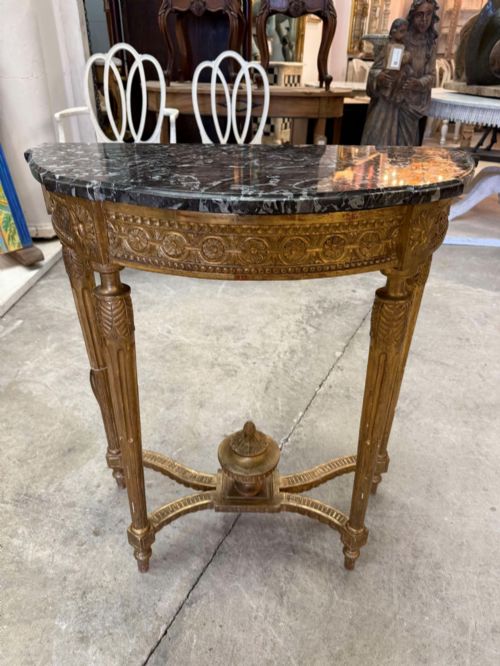
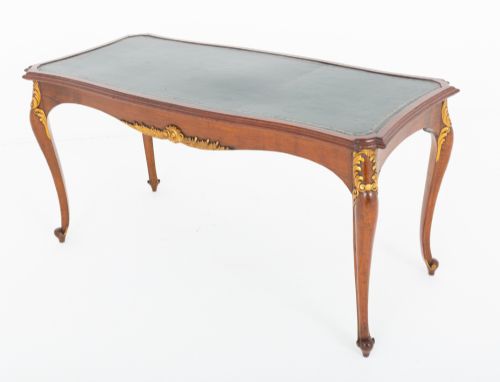
Buyers encounter French console or hall tables featuring serpentine fronts, alongside low coffee tables adapted from earlier forms. The selection demonstrates how gilding was applied to diverse supports ranging from carved pine to kingwood.
How they were made
Craftsmen applied thin sheets of gold leaf or liquid ormolu over carved wooden frames of giltwood, pine, or kingwood. These gilded surfaces were frequently paired with heavy inset tops of rouge marble, white marble, slate, or specimen marble.
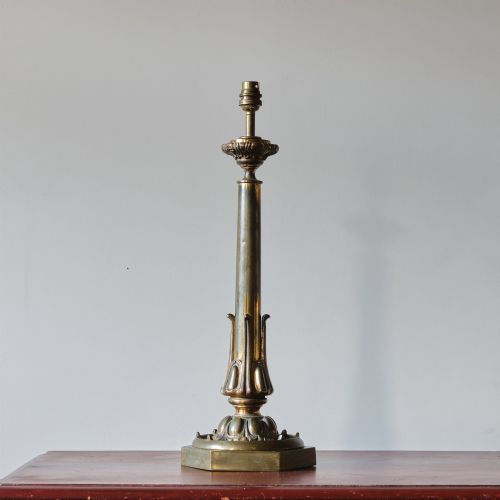
Metal mounts in brass and gilt bronze provided structural accents and decorative detail on French and English tables. Joinery techniques combined traditional hand-carving in wood with precision casting for metal ormolu components.
Antique Gilded Table Retail Price Guide 2026
Typical asking prices for gilded table among the pieces listed under this phrase on Sellingantiques today, from the lower quarter to the upper quarter. They describe what is for sale here now, not the wider market.
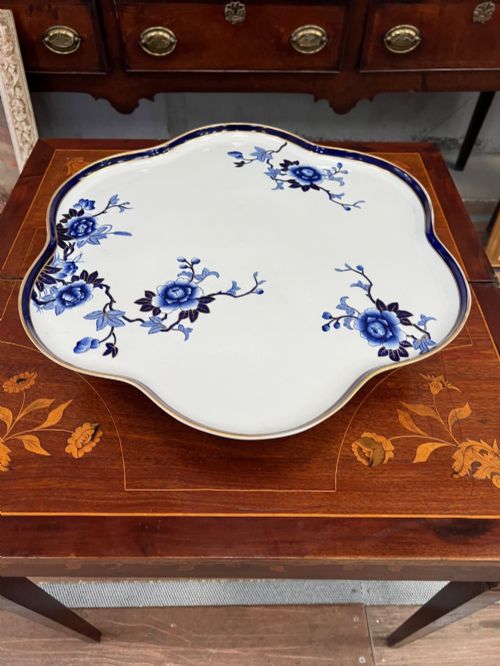
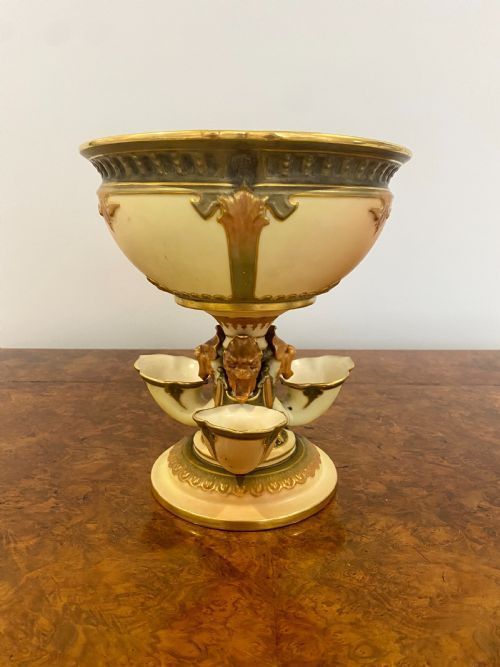
Materials span giltwood, ormolu, marble, and porcelain across nineteenth and twentieth-century French, Italian, and English workshops.
What varies in quality
The crispness of the hand-carved wood beneath the gilding dictates the depth and definition of foliage, scrolls, and lion paw details. Higher quality pieces display sharply articulated carving that retains its edge through layers of gold leaf.
The integrity of the stone top and the purity of the gilt application separate standard production from superior examples. Original marble tops fitted precisely to serpentine wooden rails indicate superior workshop execution.
Felix-Alfred Ternisien·Japy Freres·Achille Brocot·Thuret
The Antique Gilded Table Glossary
- Giltwood
- Wood that has been coated with gold leaf or gold paint. This technique was widely utilised on frames and console tables during the eighteenth and nineteenth centuries.
- Ormolu
- Finely detailed gilded bronze or brass used as mounts on furniture and clocks. The term derives from the French for ground gold.
- Console table
- A table designed to stand against a wall, frequently secured to it with brackets. These pieces often feature matching wall mirrors in French and Italian interiors.
- Specimen marble
- A composite surface made from various coloured marbles arranged in geometric or pictorial patterns. Such tops appeared on nineteenth century tables and chess boards.
Antique Gilded Table: Frequently Asked Questions
Where do antique gilded tables fit best?
These tables anchor entrance halls, living rooms, and dining spaces as console or side pieces. Their reflective surfaces brighten darker corners when paired with wall mirrors.
Smaller occasional and coffee tables integrate easily beside seating areas. They function as display surfaces for porcelain lamps and decorative objects.
How do I identify a console table?
Console tables feature flat backs designed to stand directly against a wall. They frequently rely on wall brackets for stability due to their heavy stone tops.
Most examples display elaborate carving along the front apron and legs while leaving the rear plain. They often appear alongside matching pier mirrors.
What is the difference between giltwood and ormolu?
Giltwood refers to wooden frames and bases covered with a layer of gold leaf. The underlying material is carved timber such as pine or beech.
Ormolu is gilded metal, specifically brass or bronze, cast into decorative mounts. It appears on French tables and clocks rather than as the primary structure.
How should I care for a gilded surface?
Dust gilded wood gently with a soft dry cloth without applying commercial cleaning sprays. Moisture and abrasive cleaners can damage the delicate gold leaf layer.
Marble tops require neutral stone cleaners to prevent staining. Protecting the surface from direct liquid spills preserves both the stone and the adjacent gilding.