
Antique Gilded Statue
An antique gilded statue brings warmth through gold leaf and bronze, spanning classical figures, Asian deities, and European porcelain.
Antique Gilded Statue
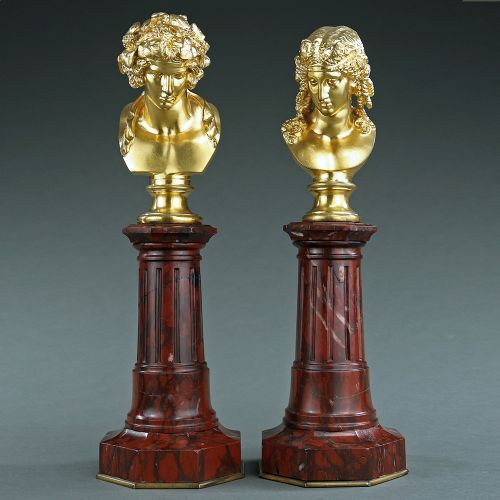
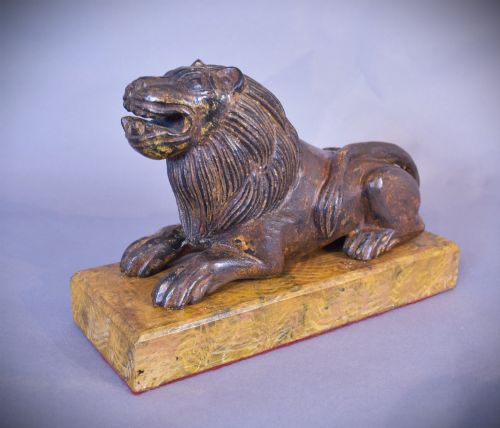
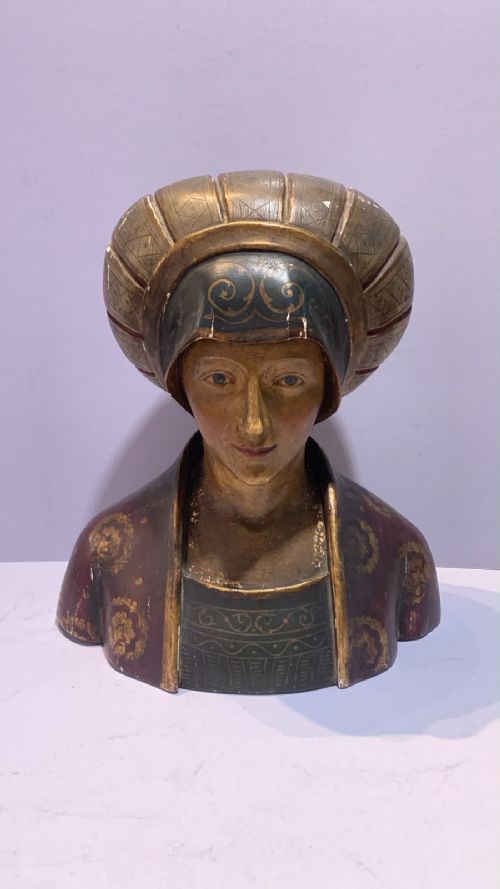
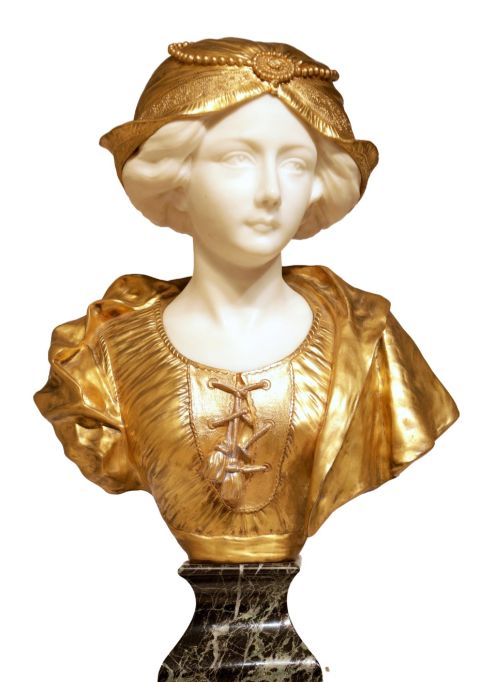
An antique gilded statue encompasses three-dimensional representations of human, divine, and animal subjects finished with gold leaf, gilt bronze, or painted metallic pigments. These works cross multiple continents and centuries, including European porcelain figures, Grand Tour busts, and Asian Buddhist sculptures.
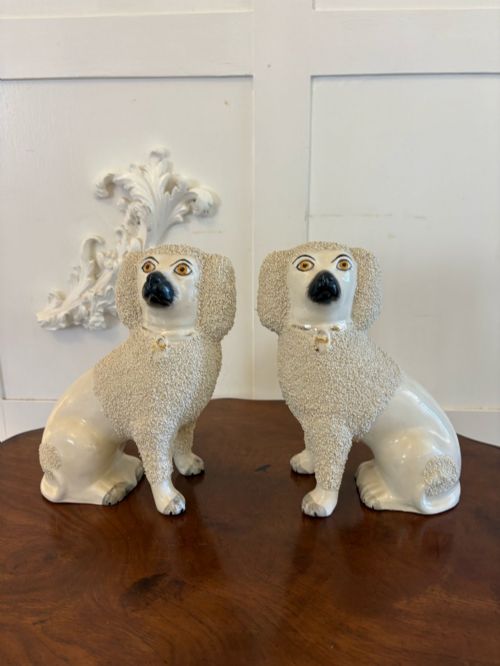
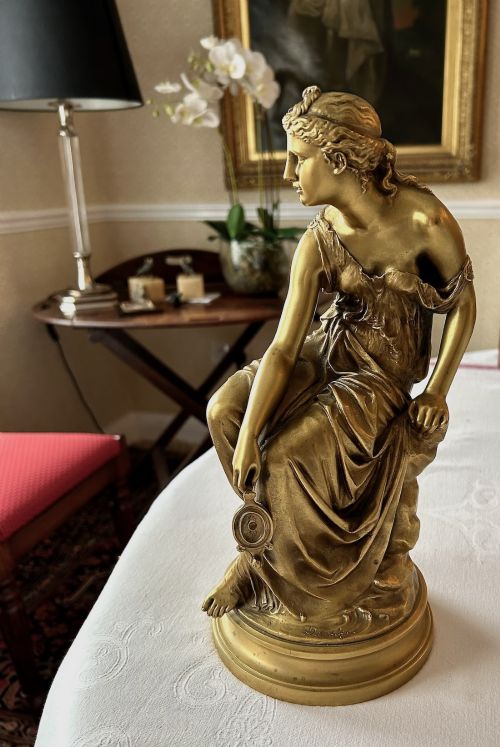
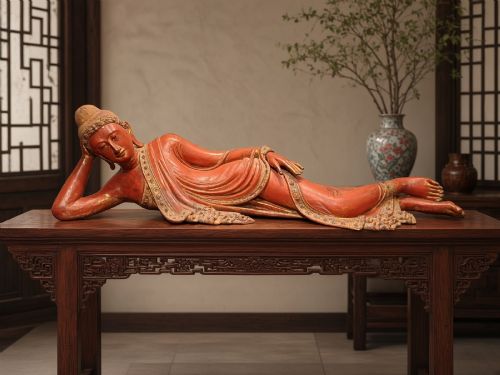
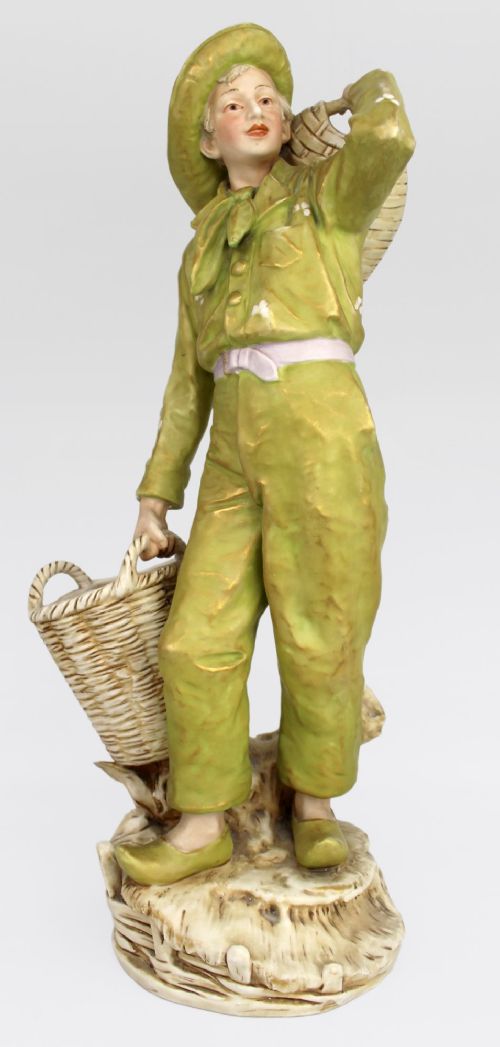
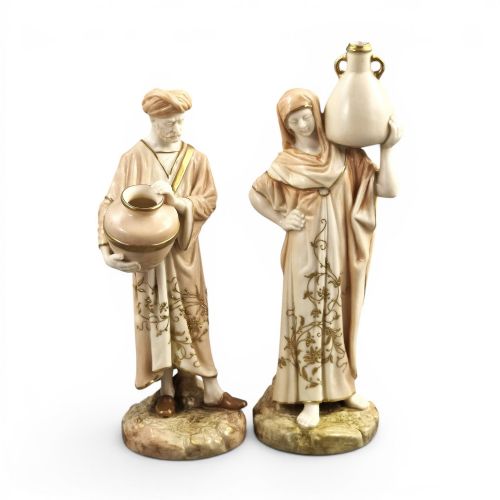
The variations on this page lean heavily towards nineteenth-century French and British decorative pieces, alongside eighteenth-century works and Asian deities. Buyers encounter everything from small Meissen porcelain groups to substantial cast bronze figures and carved wooden religious subjects.
Forms extend beyond standalone table sculptures to incorporate decorative lamp bases, furniture mounts, and architectural fragments. Each object serves primarily as an ornamental focal point, whether cast in metal, modelled in clay, or carved from timber.
How they were made
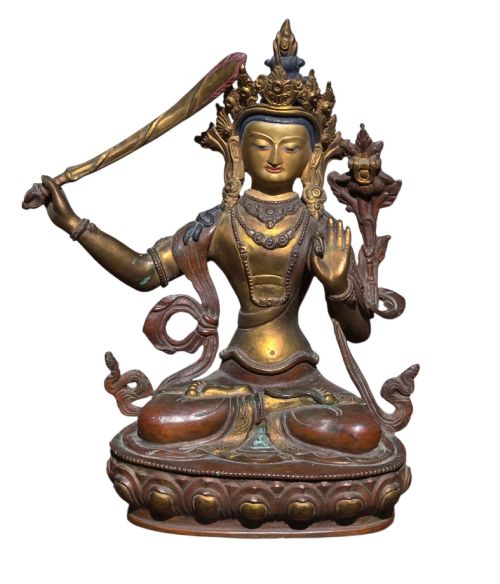
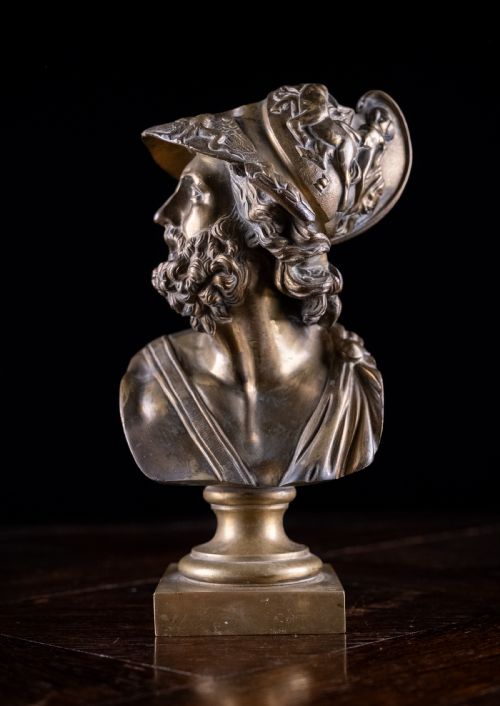
Makers utilised casting, carving, and modelling methods suited to their medium, working with bronze, porcelain, carved wood, and marble. Metal figures typically underwent lost-wax casting before receiving surface treatments of mercury gilding or gold leaf.
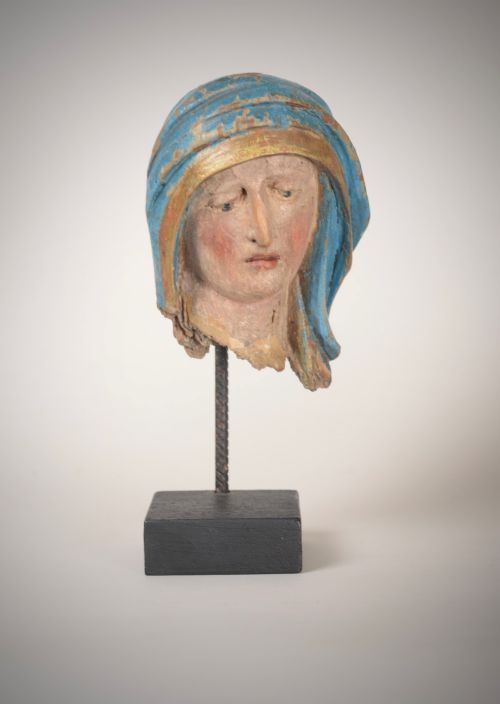
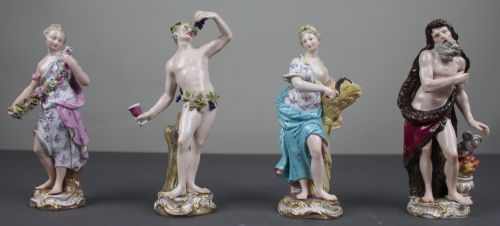
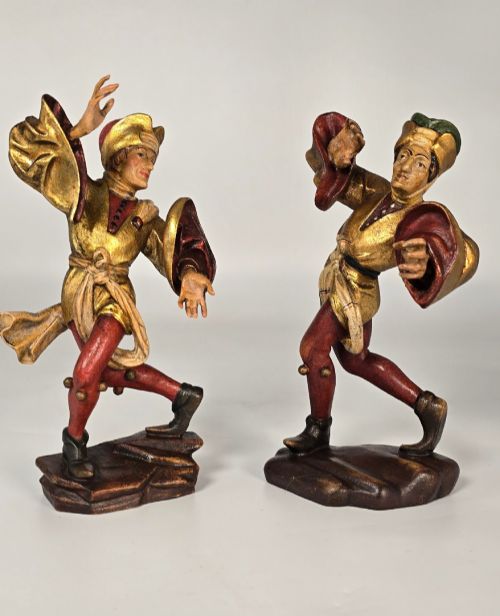
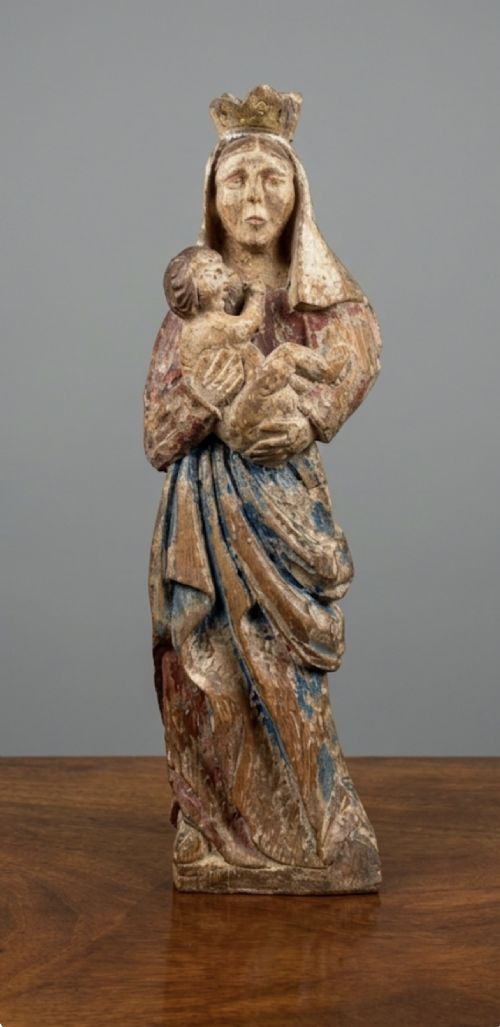
Wooden sculptures relied on lime or other timbers, often finished with a layer of gesso before applying paint or gilding. Porcelain pieces required skilled modelling, firing in kilns, and hand-painting with enamels and gilt accents.
Listings feature pieces from the seventeenth, eighteenth, and nineteenth centuries, alongside Edwardian examples.
What varies in quality
Quality rests in the crispness of the original modelling and the finesse of the finishing work, such as hand-chased details on bronze or delicate brushwork on porcelain. Superior examples retain their original gilding and surface patination without heavy rubbing or crude modern touch-ups.
The reputation of the workshop or foundry dictates part of the standing, with established names producing cleaner casts and more balanced compositions. Inferior items often show softened details, flat painted decoration, or clumsy repairs to fragile extremities.
Etienne-Henri Dumaige·Affortunato Gory·James Hadley·Makuzu Kozan II
The Antique Gilded Statue Glossary
- Gilt bronze
- An alloy of copper and zinc finished with a layer of gold, often created through mercury amalgamation in earlier periods. This technique produces a durable and luminous metallic surface.
- Gesso
- A plaster-like mixture applied to wood or canvas surfaces to prepare them for painting and gilding. It provides a smooth base that holds crisp carved details.
- Grand Tour
- A cultural journey undertaken by wealthy young Europeans through France and Italy to study classical antiquities. Figures purchased as souvenirs often replicated famous classical sculptures.
- Okimono
- A Japanese ornamental carving designed for display on a tabletop or in a domestic alcove. These objects frequently depict deities, animals, or figures from daily life.
- Polychrome
- Painted in several colours, typically applied to wood, terracotta, or porcelain figures. This finish adds realistic skin tones and patterned garments to sculptural works.
Antique Gilded Statue: Frequently Asked Questions
What is an antique gilded statue?
An antique gilded statue is a sculptural object finished with gold leaf, gilt bronze, or metallic paint, produced across various centuries and regions. These pieces include metal casts, carved wooden figures, and porcelain models.
They function primarily as decorative art, drawing the eye through reflective surfaces and detailed craftsmanship. Collectors value them for their historical context and artistic execution.
How do I care for a gilded surface?
Gilded surfaces require gentle maintenance using a soft brush or dry microfibre cloth to remove dust. Moisture and chemical cleaners can strip or damage fragile gold leaf and painted details.
Keep these statues away from direct sunlight and areas of high humidity to prevent the underlying wood, bronze, or porcelain from degrading over time.
How do I identify the period of a statue?
Dating relies on examining the material composition, casting technique, style, and any maker's marks or stamps. Nineteenth-century pieces often reflect revival styles or Grand Tour influences, while eighteenth-century items show distinct hand-finished traits.
Comparing the base, patination, and wear patterns against documented examples from known factories helps narrow down the production era.
Where were these statues displayed?
Historically, these figures occupied prominent positions in drawing rooms, studies, and antechambers as symbols of taste and education. Grand Tour busts and porcelain groups decorated mantelpieces and display cabinets.
Religious figures often held devotional spaces in homes or institutional settings, while larger bronze and marble pieces stood on pedestals or tables.