
Antique Gilded Bronze
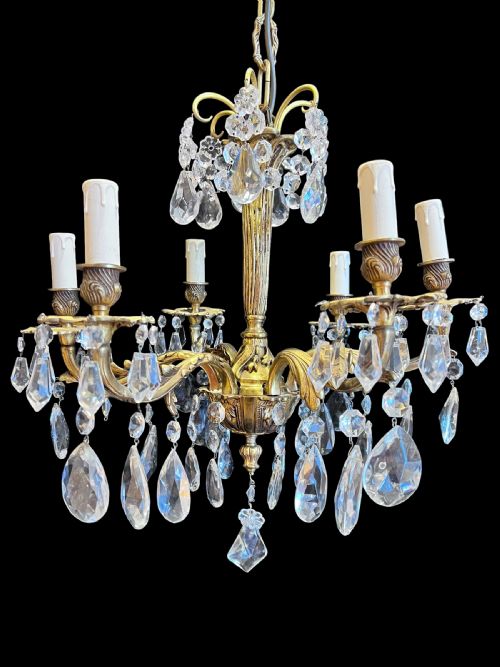
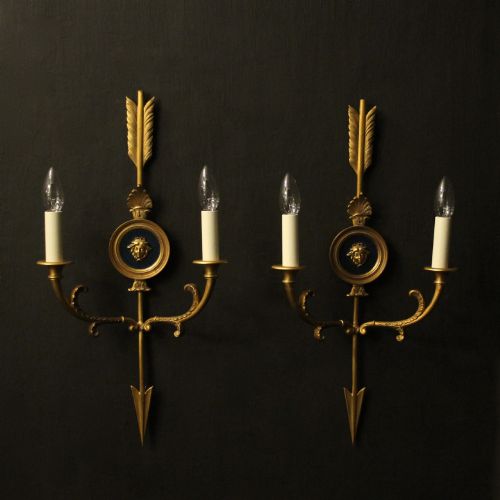
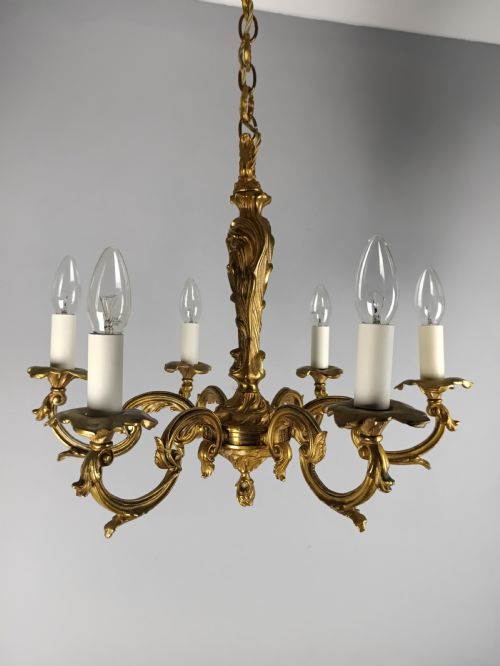
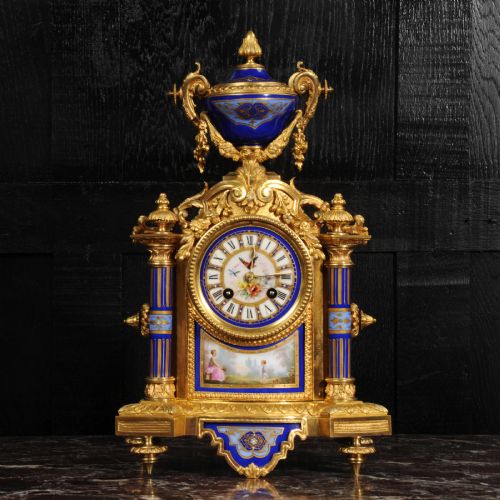
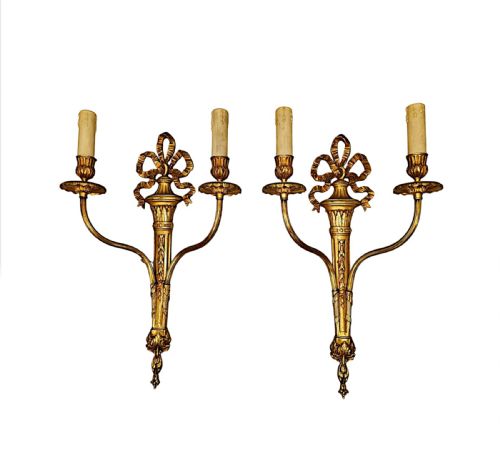
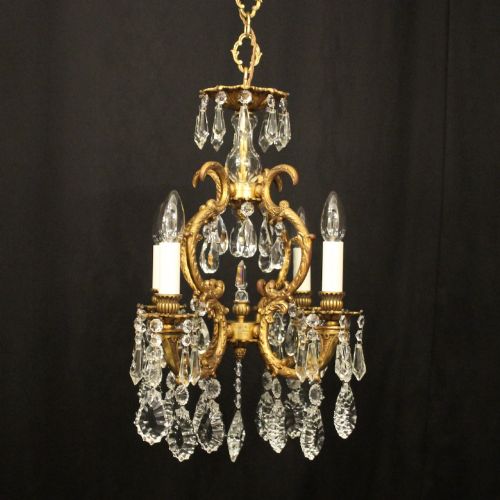
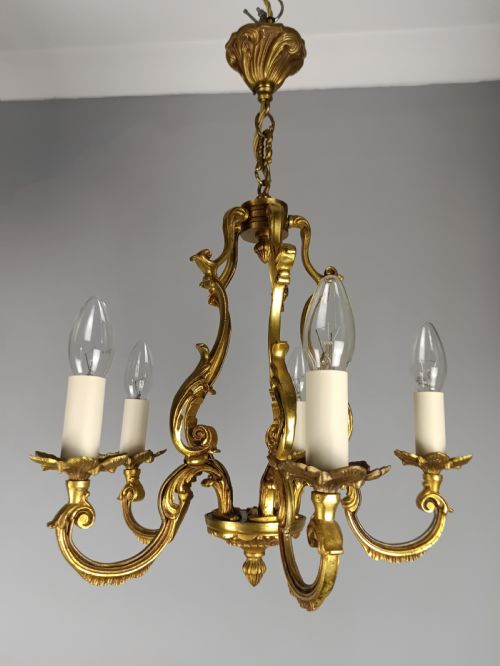
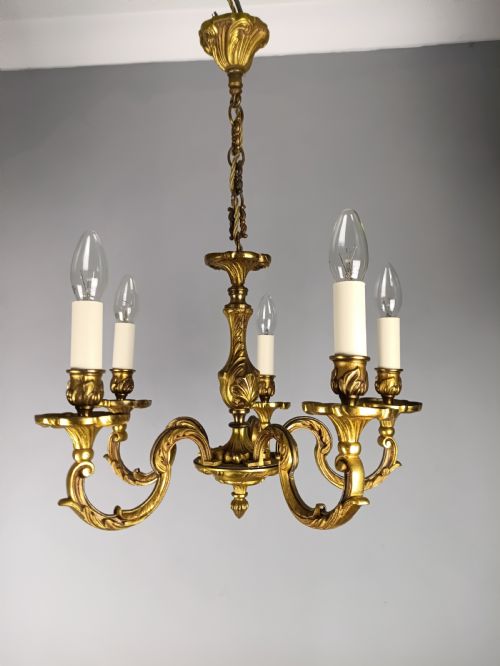
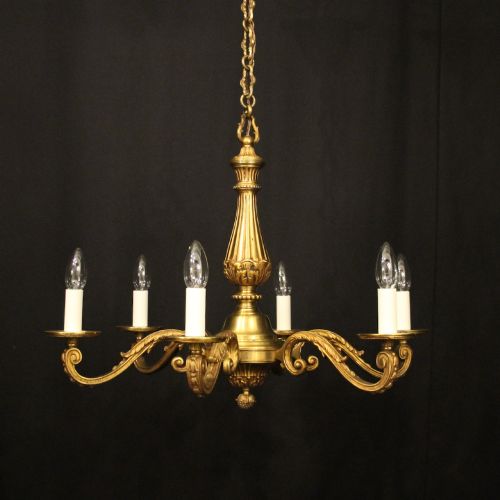
Antique gilded bronze brings warmth and reflective brilliance to a room through French chandeliers, candelabra, and mantel clocks shaped in neoclassical and rococo styles.
Antique Gilded Bronze
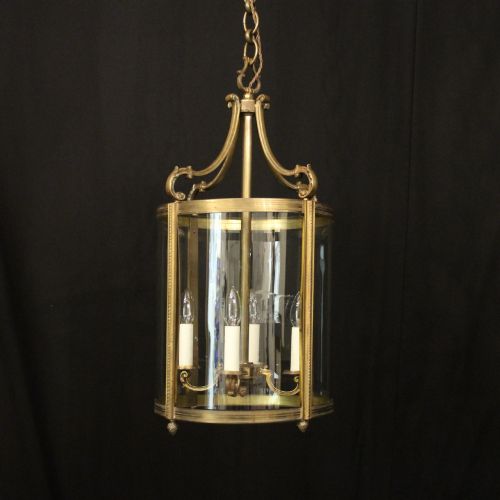
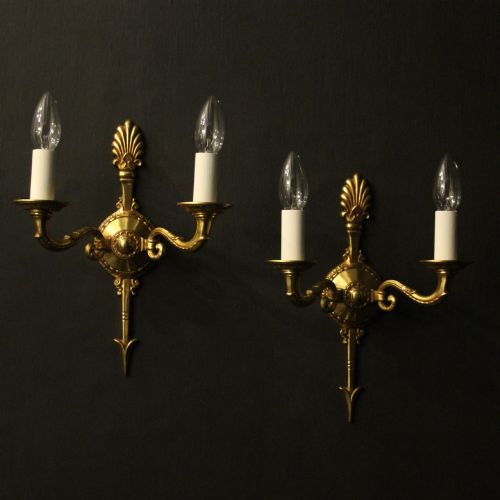
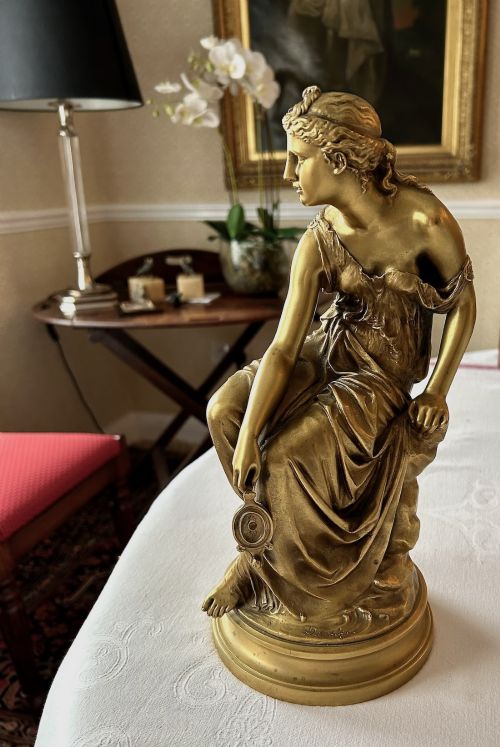
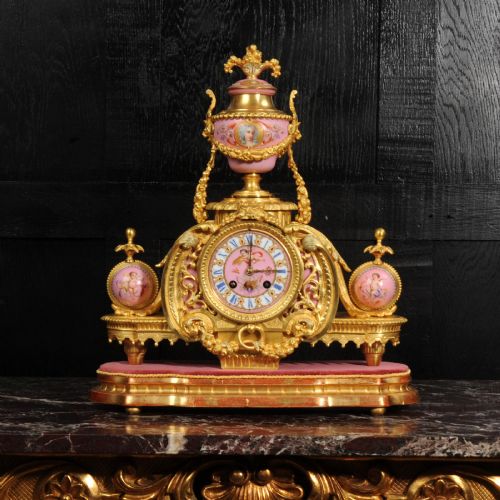
When you search for antique gilded bronze, you encounter objects shaped primarily in France during the nineteenth and early twentieth centuries, alongside select eighteenth-century examples. The selection spans domestic lighting such as multi-light chandeliers, wall sconces, and hall lanterns, alongside decorative works including mantel clocks, desk items, and figurative sculptures.
Lighting fixtures frequently combine the metal framework with crystal drops and glass elements, while decorative pieces incorporate porcelain or marble bases. French ateliers dominate the record, producing items that adhere to historical design vocabularies like French Rococo, Empire, and Neoclassical styles.
Craftsmanship and Proportion
Quality rests in the crispness of the chased surface detail and the precision with which cast bronze components fit together. Superior pieces display deep, sharp relief in floral and figurative motifs rather than soft, rounded edges resulting from worn moulds.
Proportion and structural balance dictate the standing of a piece, particularly in complex chandeliers and multi-branch wall lights where symmetry and weight distribution matter. The integration of secondary materials, such as finely painted porcelain dials or hand-cut crystal prisms, elevates the standard of the completed object.
A reclining boy paperweight from the Ming Dynasty proves that scholars enjoyed charming company on their desks.
Etienne-Henri Dumaige·Achille Brocot·Japy Freres·Thuret Paris
The Antique Gilded Bronze Glossary
- Ormolu
- A form of gilding that applies finely ground high-carat gold to a bronze object using a mercury amalgam. It produces a warm, deep yellow lustre characteristic of fine French decorative arts.
- Champlevé
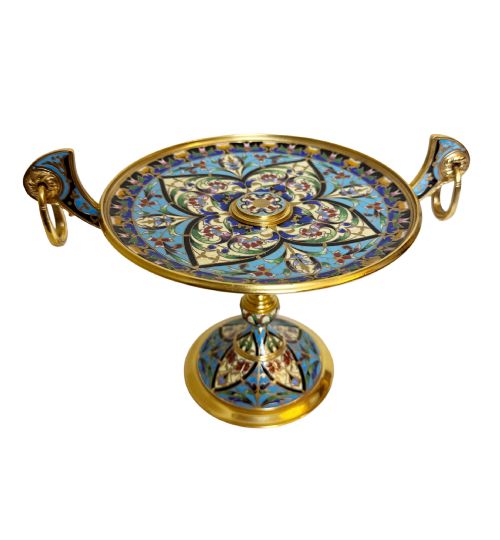
- An enamelling technique where troughs or cells are hollowed out of the metal surface and filled with vitreous enamel paste before firing. It creates decorative geometric or floral patterns flush with the surrounding metal.
- Candelabra
- A branched multi-light standing fixture designed to hold several candles or bulbs. They are frequently cast in elaborate figurative or neoclassical architectural forms.
- Tazza
- A shallow saucer-like ornamental cup or vessel elevated on a stem and foot. They often feature decorative enamel or chased borders in nineteenth-century metalwork.
- Pendule d'Officier
- A portable French mantel clock housed in a architectural case with a carrying handle on top. These travel clocks date primarily to the nineteenth century.
Antique Gilded Bronze: Frequently Asked Questions
How do I clean antique gilded bronze?
Dust surfaces gently with a soft, dry brush to prevent accumulation in recessed chased details. Avoid commercial metal polishes, abrasive cloths, and liquid cleaners that strip the thin gold surface layer.
Water and harsh chemical solvents cause permanent damage to mercury gilt finishes and exposed bronze bases. Professional conservation is recommended for pieces requiring deeper cleaning.
Were these chandeliers originally wired for electricity?
Lighting fixtures from the eighteenth and nineteenth centuries were manufactured exclusively to hold wax candles or oil lamps. Electrification occurred during later twentieth-century restorations to adapt them for modern domestic use.
Wiring methods vary, so buyers should examine internal channels and consult professional electricians to ensure safe installation in contemporary ceilings.
How can I tell the difference between periods?
Stylistic cues provide the primary guide to dating, with rococo forms featuring asymmetrical scrollwork and naturalistic foliage, while neoclassical designs rely on strict symmetry, urns, and fluted columns. Nineteenth-century interpretations often combine these historical vocabularies with heavier casting techniques.
Material analysis also assists, as nineteenth-century electroplating produces a uniform, pale finish distinct from the rich warmth of earlier fire-gilded or ormolu surfaces.
Can antique clocks be kept running accurately?
Mechanical movements require professional servicing and regular oiling to maintain reliable timekeeping. Many antique clocks function well after proper restoration by a specialist horologist.
Placement matters for pendulum clocks, which need level surfaces and stable environmental conditions free from excessive vibration and temperature shifts.