

Antique Geometric Drawers
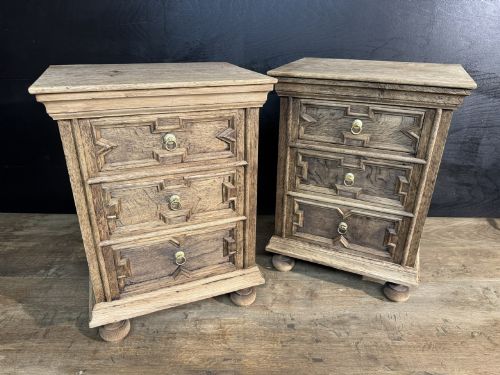
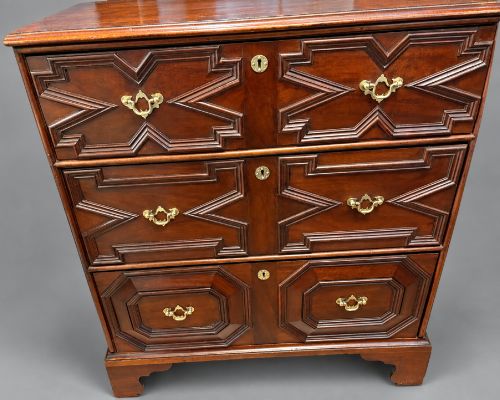
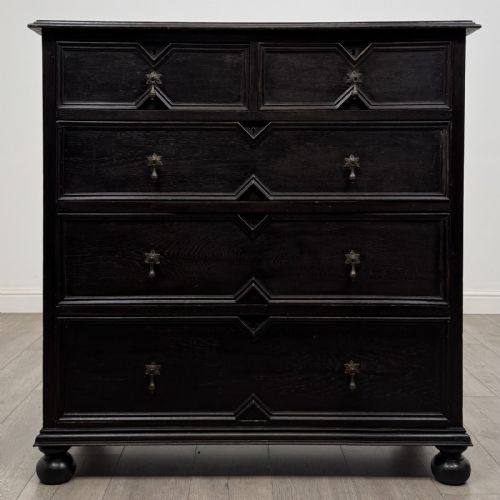
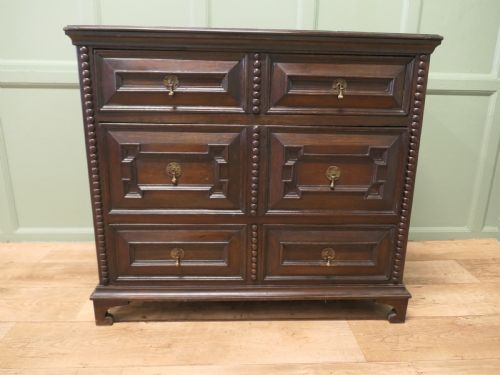
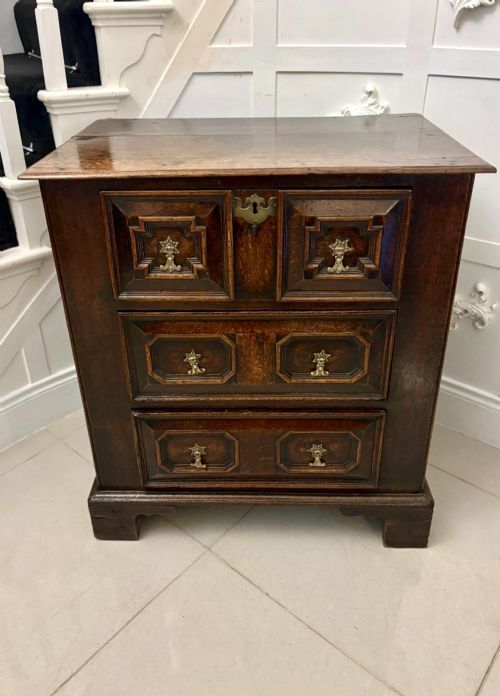
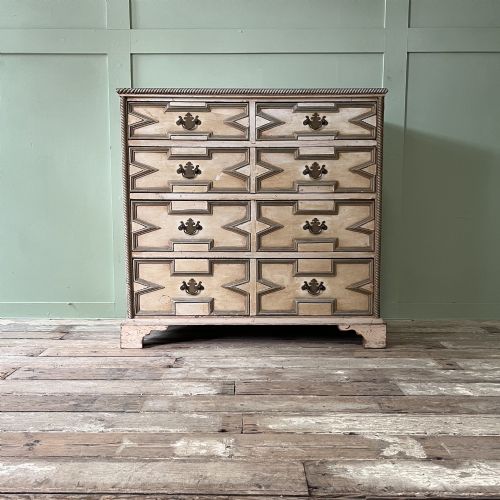
These antique geometric drawers bring tactile depth to a room through crisp mitred mouldings applied directly to timber faces.
Antique Geometric Drawers
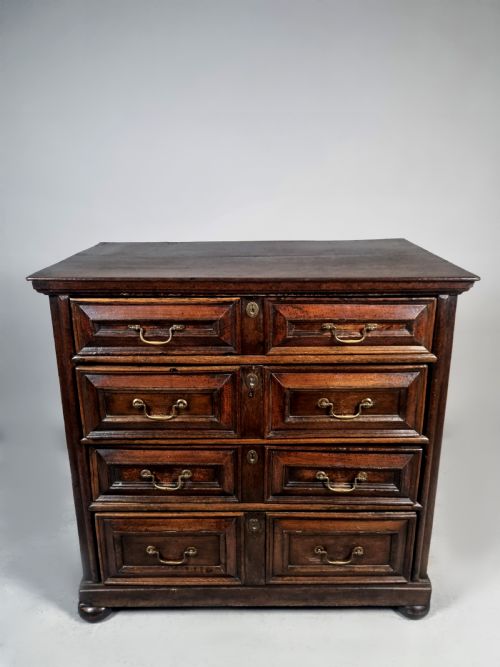
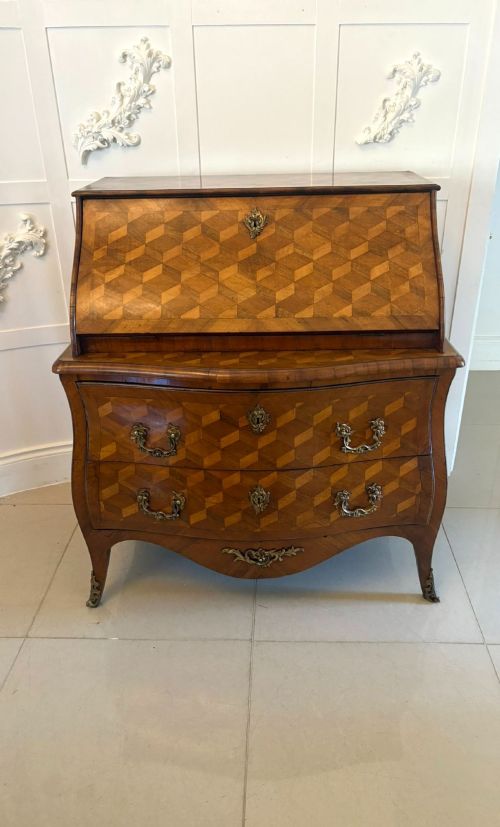
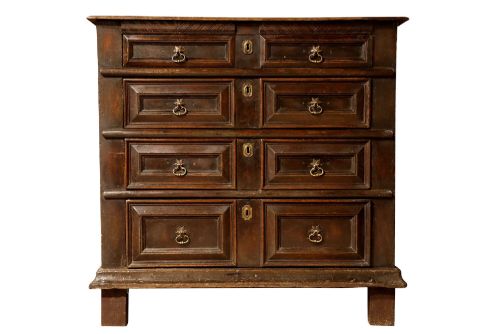
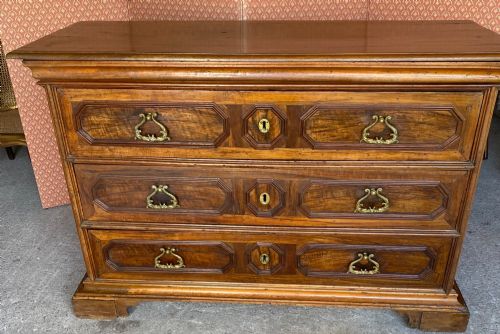
When searching for antique geometric drawers, collectors encounter case furniture built primarily in the seventeenth and eighteenth centuries, with later revivals also appearing. The form most commonly met on this page is the oak chest of drawers, often featuring sharply projecting panel fronts arranged in symmetrical, repeating patterns.
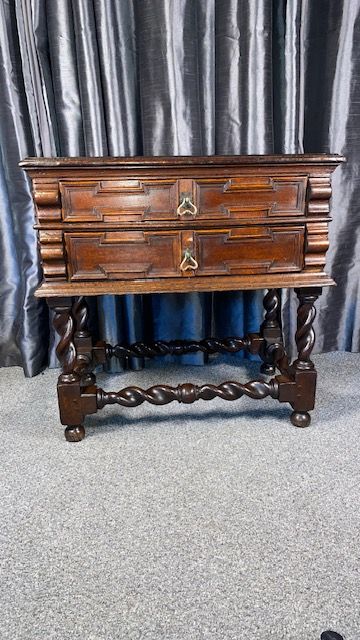
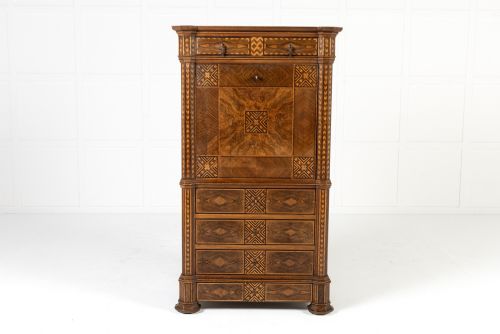
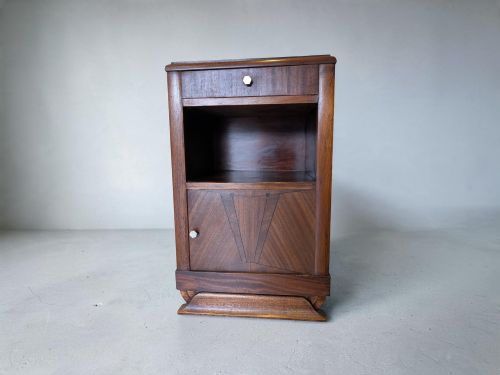
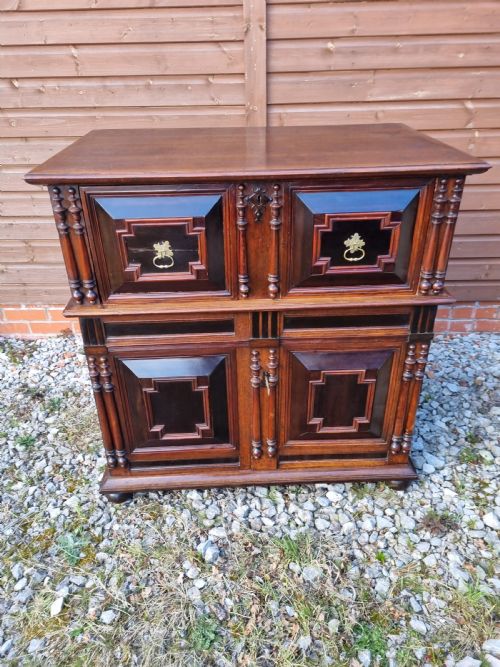
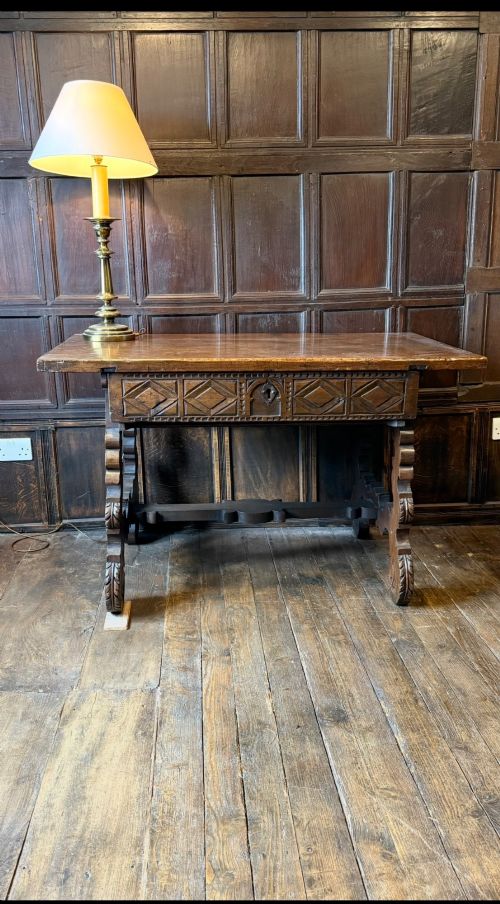
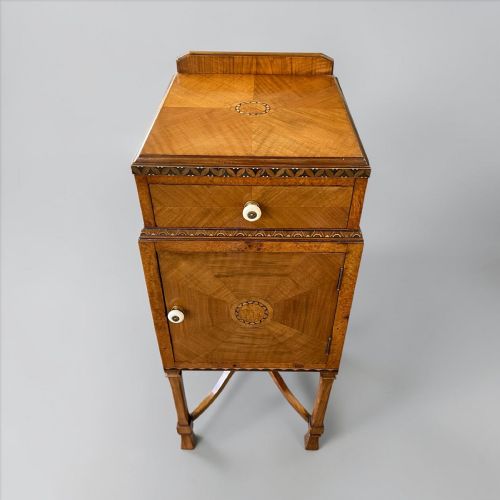
Beyond standard chests, the grouping extends to dresser bases, side tables, bureaux, and chests on stands. These pieces range from small proportions designed for intimate chambers to larger serving dressers intended for principal rooms.
Origins span English, French, and Italian workshops, reflecting diverse regional interpretations of timber construction. Seventeenth-century examples dominate the selection, heavily tied to the Jacobean and Charles II periods.
Factors determining quality
The sophistication of the timber figure and the crispness of the mitred mouldings separate standard examples from finer works. Walnut and oak with rich grain patterns elevate the visual impact of the repeat patterns.
Originality of surface finish and hardware dictates much of the standing of an individual piece. Retained patination on the timber and intact period brasses contribute to the integrity of the antique.
Antique Geometric Drawers Retail Price Guide 2026
Typical asking prices for geometric drawers among the pieces listed under this phrase on Sellingantiques today, from the lower quarter to the upper quarter. They describe what is for sale here now, not the wider market.
Listings span four centuries of cabinetmaking, featuring oak, walnut, fruitwood, and painted finishes across chests, dressers, and bureaux.
Sir Clough Williams-Ellis
The Antique Geometric Drawers Glossary
- Geometric moulding
- Raised wooden strips applied to drawer fronts or panels in angular, repeating patterns. This technique defines the visual language of late seventeenth-century case furniture.
- Parquetry
- Geometric mosaic woodwork arranged in flat patterns across a surface, often seen on eighteenth-century walnut bureau surfaces. It requires exact slicing and fitting of different timber veneers.
- Dresser base
- A low sideboard or serving table fitted with drawers, originating in the seventeenth century. These pieces served utilitarian functions in domestic spaces before transitioning to display furniture.
- Patina
- The surface sheen and colour acquired by wood through age, use and polishing over centuries. A desirable, faded patina indicates natural ageing rather than modern chemical stripping.
- Chest on stand
- A two-part form consisting of a primary drawer section elevated on a separate framework of legs. This elevation lightens the visual weight of heavy oak case pieces.
Antique Geometric Drawers: Frequently Asked Questions
What periods do these pieces date from?
The selection spans from the late seventeenth century through the Georgian era, with occasional pieces from Edwardian revivals and the nineteen-thirties.
Seventeenth-century examples from the Charles II and Jacobean periods form the core of the available items.
How were these drawers used originally?
These chests and dresser bases provided primary storage for textiles, garments, and household provisions in domestic chambers and halls.
Smaller side tables and bureaux served administrative or display functions in private studies.
What woods were used for construction?
Oak is the predominant timber seen across English pieces, frequently accented with walnut applied mouldings.
Fruitwood and painted finishes also appear on select regional and later pieces.
How do I identify a geometric front?
Geometric fronts feature panels decorated with small, mitred lengths of wood arranged in repeating squares, octagons, or intersecting lines.
This technique creates a strong sense of texture and relief across the drawer faces.