


Antique Gentlemans Vanity Table
An antique gentlemans vanity table organises daily grooming with clever mirrors and compartments, bringing period craftsmanship into a modern room.
Antique Gentlemans Vanity Table
When you search for an antique gentlemans vanity table, you encounter a specialised form of furniture designed for male grooming, encompassing shaving stands, dressing chests, and adjustable mirrors. These pieces originate from the Georgian, Regency, Victorian, and Edwardian periods.
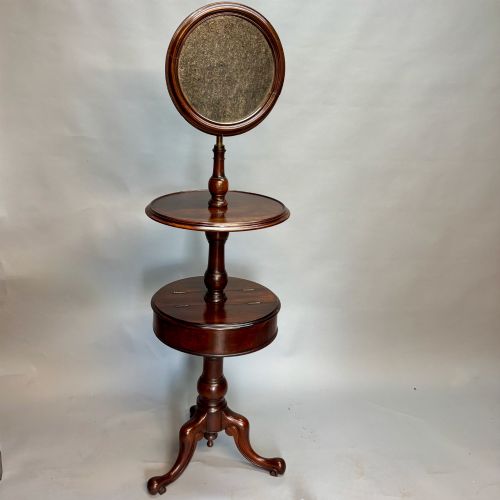
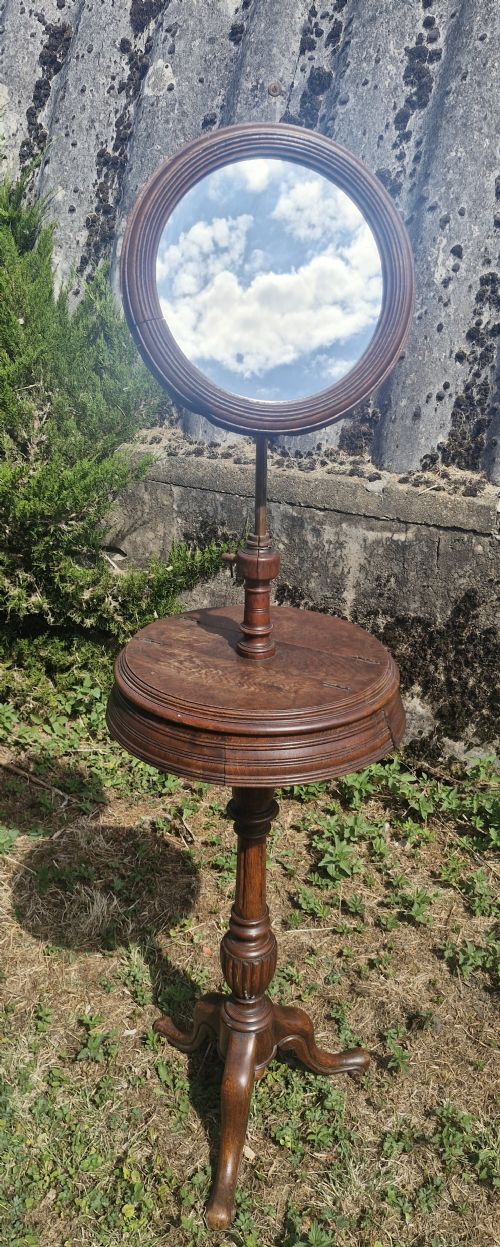
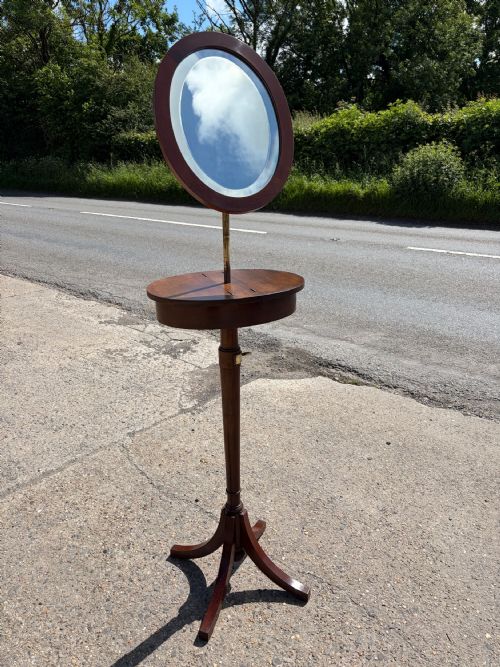
The most common versions on this page are mahogany shaving stands and dressing tables featuring adjustable mirrors, often equipped with tripods, cabinets, or clever telescopic mechanisms. Walnut, oak, ash, and satinwood also appear regularly among these functional forms.
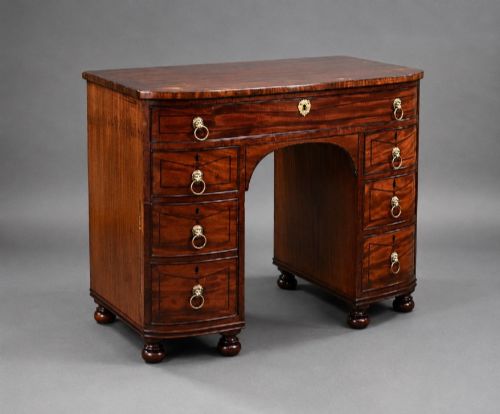
Originating to serve the daily routines of gentlemen before the era of fitted bathrooms, these pieces combine utilitarian function with refined cabinetmaking. They range from compact travelling vanity cases to substantial washstands and dressing chests.
How they were made
Cabinetmakers constructed these pieces primarily in solid and veneered timbers, selecting rich mahogany, warm walnut, and durable oak, occasionally embellished with satinwood inlay or brass fittings. Timber selection dictated both the visual weight and the structural integrity of each stand or chest.
Mechanisms form a crucial part of the construction, particularly in adjustable mirrors and telescopic shaving stands that allow the glass to shift height and angle. Glass and mirror plates are integrated securely into frames, while portable travelling cases incorporate fitted leather, metal, and silver compartments.
Listings feature mahogany predominantly, alongside walnut, oak, ash, and satinwood across Victorian, Georgian, and Edwardian periods.
What varies in quality
The distinction between ordinary and superior examples lies in the crispness of the timber joinery, the subtlety of the inlay work, and the integrity of the brass or metal fittings. Better pieces maintain smooth operation in their adjustable mirrors and telescopic shafts without undue looseness.
Proportion and the cleverness of internal arrangement separate standard production from high workshops. Fine pieces display thoughtful timber selection, balanced grain patterns, and well-executed hardware that survives centuries of use intact.
James Shoolbred·Asprey & Co
The Antique Gentlemans Vanity Table Glossary
- Telescopic shaving mirror
- A mirror mounted on an adjustable central shaft that raises or lowers to suit the user. This mechanism allows precise height adjustment.
- Campaign dressing chest
- A portable case or chest designed for travel, featuring recessed brass handles and robust corners. These pieces break down or fold for easy transport.
- Washstand
- A piece of furniture designed to hold a basin and grooming utensils, often fitted with surfaces for a mirror and small drawers. They reflect domestic hygiene habits of the Georgian and Victorian eras.
- Inlay
- A decorative technique where contrasting woods or metals are inserted into carved recesses on the surface. Satinwood frequently provides pale contrast against darker mahogany.
- Tripod base
- A support structure featuring three legs radiating from a central pillar, commonly found on portable shaving mirrors. This design ensures stability on uneven floors.
Antique Gentlemans Vanity Table: Frequently Asked Questions
How do I use a shaving stand today?
An antique gentlemans vanity table serves well as a distinctive focal point in a modern bathroom or bedroom. You can utilise the adjustable mirrors and surfaces for daily accessories and toiletries.
The compact footprint allows these stands to fit easily into corners or smaller spaces while offering surface area for display. Their historic character brings texture and utility to contemporary interiors.
What is the difference between a vanity table and a shaving stand?
Shaving stands focus specifically on facial grooming, featuring built-in mirrors, small platforms for cups, and slender telescopic or tripod supports. Vanity tables and dressing chests offer broader surfaces and drawer space for general attire.
Both forms belong to the same family of gentleman's grooming furniture from the Georgian through to the Edwardian eras. The choice depends on whether you prefer a tall mirror stand or a low chest with surface storage.
How do I date a mahogany shaving stand?
Dating relies on observing the timber species, construction methods, and hardware styles across different eras. Georgian pieces often display restrained lines and fine mahogany solids, while Victorian examples introduce heavier proportions and more complex mechanical adjustments.
Later Edwardian pieces frequently combine traditional mahogany construction with lighter inlaid borders. Examining the mirror frame and the brass fittings helps confirm the period of manufacture.
Are travelling vanity cases portable?
Travelling vanity cases and campaign chests were originally built for transport, featuring sturdy leather exteriors, fitted compartments, and secure brass locks. They pack grooming essentials and mirror glass into self-contained boxes.
Today, these cases function effectively on dressing tables or sideboards as storage for small items. Their internal layouts remain intact to organise modern accessories.