





Antique Genre Print
An antique genre print brings everyday domestic or rural life onto your wall, capturing narrative moments from past centuries.
Antique Genre Print
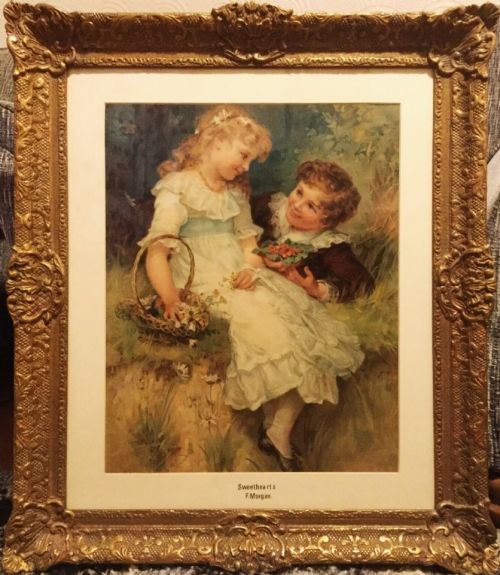
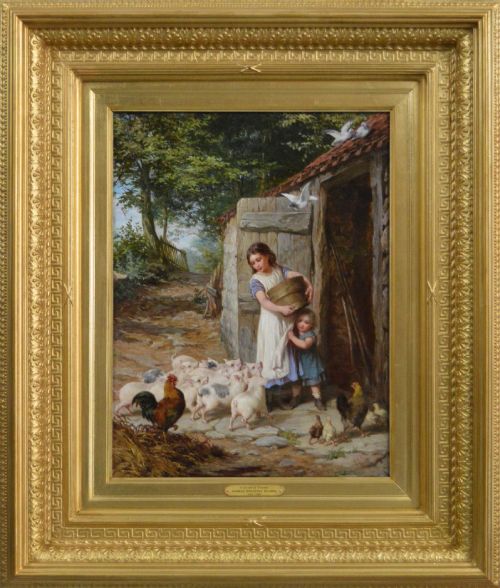
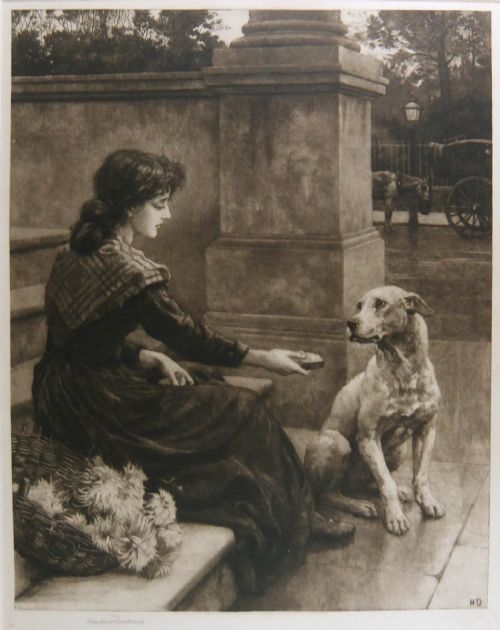
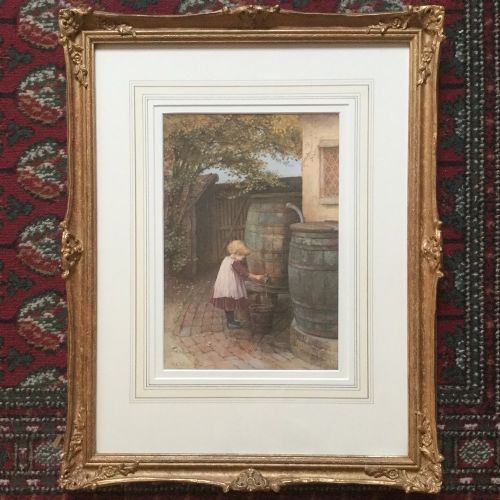
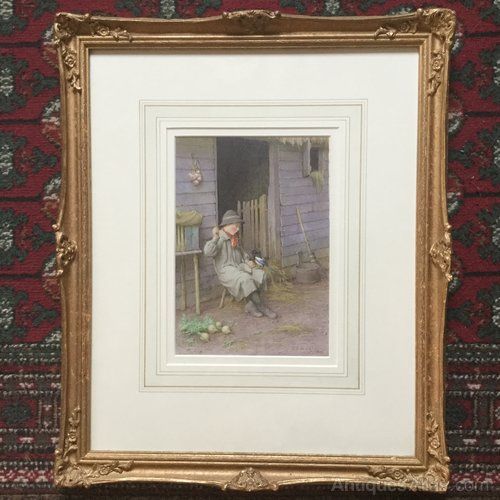
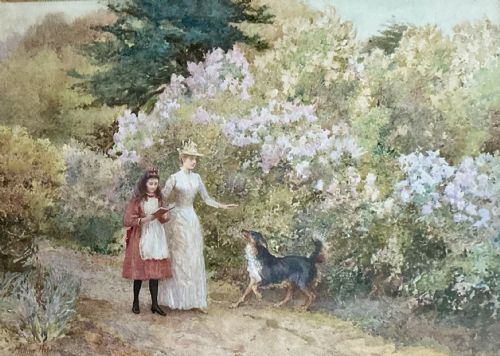
An antique genre print depicts scenes of everyday life, ordinary people, and domestic narratives rather than grand historical or mythological events. These works often show children, animals, country cottages, or social gatherings captured in quiet moments.
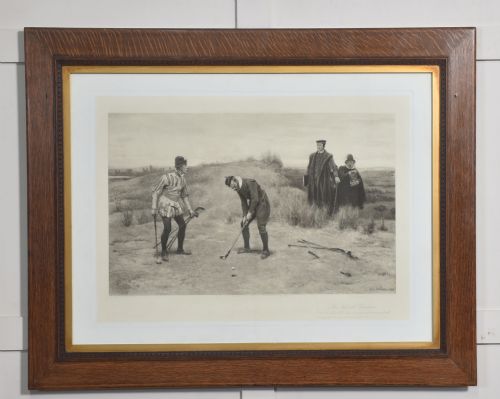
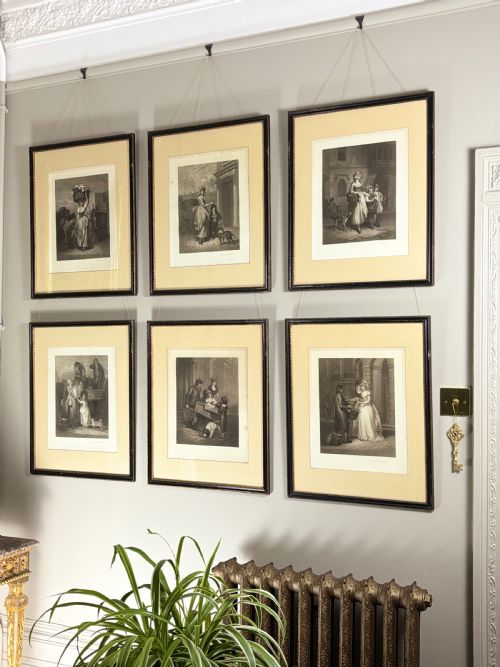
The selections available range from 18th-century mezzotints and Georgian engravings to Victorian chromolithographs, Pears prints, and Edwardian etchings. Hand-coloured plates and stipple engravings sit alongside oil paintings on canvas and glass.
Buyers frequently encounter framed prints and published reproductions alongside original oils, watercolours, and chrystoleums. These pieces span periods from the Georgian era through the Victorian decades and into the early 20th century.
Materials and production
Makers utilised paper, card, and canvas as the primary surfaces for these works, applying oil paint, watercolour, lithographic ink, or engraving pigments. Mezzotints and etchings required metal plates worked by hand, while chromolithographs built up multicoloured layers through successive printing stones.
Frames formed an integral part of the presentation, constructed from wood, gesso, and giltwood, often finished with gold leaf. Specialised techniques like chrystoleums involved mounting a hand-coloured print onto convex glass and refining it with oil paints from behind.
Several Victorian households clearly loved cats, as evidenced by fine painted groups of Persian kittens hosting tea parties.
Assessing the pieces
The fineness of the original engraving work or the handling of paint dictates the visual clarity of the scene. Crisp plate marks on etchings and mezzotints indicate early impressions pulled from the metal plate before wear set in.
The preservation of the paper or canvas surface, the vibrancy of hand-colouring, and the integrity of the period gesso or giltwood frame influence the overall character of the piece. Well-matched contemporary frames complement the artwork without obscuring its period origin.
Frederick Morgans·George Augustus Holmes·Herbert Dicksee·Charles Edward Wilson·Robert Sayer·Henry William Banbury·Thomas G Appleton·Charles Burton Barber·Hendricus Joseph Dillens·E Jackson Stodart·Paul Jones·Agnes Augusta Tallboys·George Morland·Carlo Ferranti·F Petitjean·Jules Le Roy·Frank Moss Bennett
The Antique Genre Print Glossary
- Mezzotint
- A printmaking process where the copper plate is roughened to produce rich dark tones and subtle graduations of light. This method creates velvety shadows well-suited to reproducing painted portraits and narrative scenes.
- Chrystoleum
- A Victorian technique where a paper print is pasted face down to glass, made transparent with oil, and hand-painted behind. The curved glass gives the finished picture a dimensional, luminous quality.
- Chromolithography
- A multicolour printmaking method that uses a separate limestone block for each colour applied. This process allowed Victorian publishers to produce vivid, affordable reproductions of popular genre paintings.
- Stipple engraving
- A method of dotting the printing plate rather than cutting continuous lines to create soft tonal effects. It gained popularity for rendering flesh and textile textures in 18th and 19th-century prints.
- Oleograph
- A textured reproduction on canvas designed to imitate an oil painting using lithographic printing. Varnish is often applied over the surface to simulate brushstrokes and age.
Antique Genre Print: Frequently Asked Questions
What is a genre print?
A genre print depicts scenes from everyday life, such as children playing, domestic interiors, or rural animals. These images focus on narrative moments and human character rather than formal portraits.
Publishers reproduced popular paintings using techniques like mezzotint, engraving, and lithography to make these domestic scenes accessible for home decoration.
How do I date an old print?
Dating relies on the printing technique, paper quality, publisher details, and framing style. Mezzotints and hand-coloured engravings often point to the Georgian or early Victorian eras.
Later Victorian and Edwardian examples frequently utilise chromolithography or commercial advertising formats like Pears prints, which carry specific production markers.
What is a chrystoleum painting?
A chrystoleum is a coloured photograph or print mounted to convex glass, rendered transparent with oils or varnishes, and painted from behind. This creates a glossy, three-dimensional illusion.
Victorian makers favoured this delicate process for intimate interior scenes and romantic subjects, housing them in heavy gilt frames.
How should I display antique wall art?
These works require protection from direct sunlight to prevent the fading of paper, watercolours, and hand-coloured inks. Stable indoor humidity keeps paper from warping and protects wood and gesso frames.
Original frames benefit from gentle dusting with a dry cloth rather than liquid cleaners that might damage antique gilding.