


Antique Gateleg Accent Table
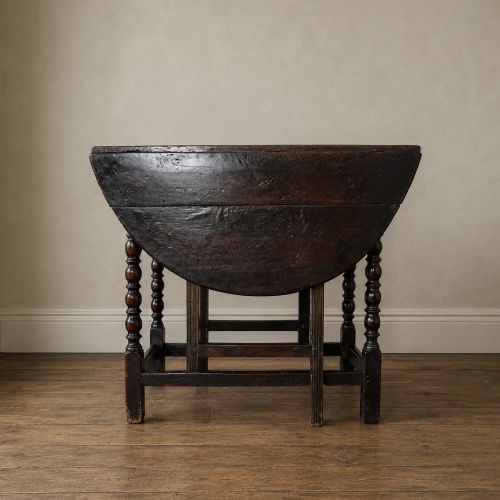
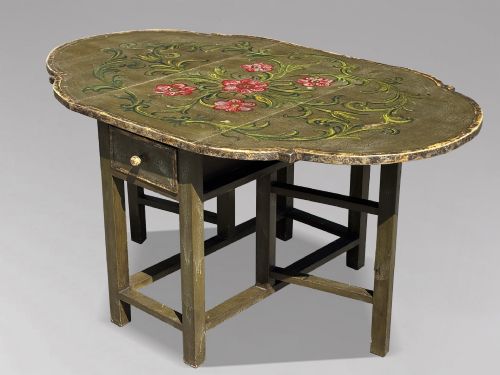
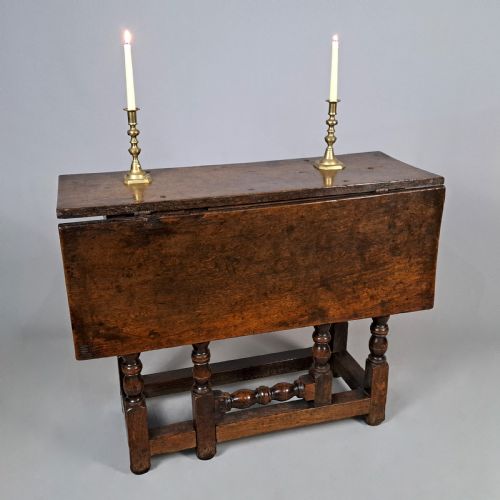
An antique gateleg accent table is a space-saving folding table that brings practical surface area and period charm to a room.
Antique Gateleg Accent Table
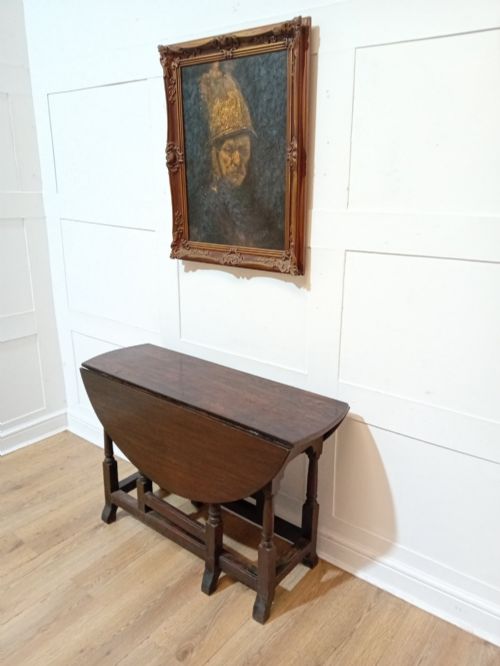
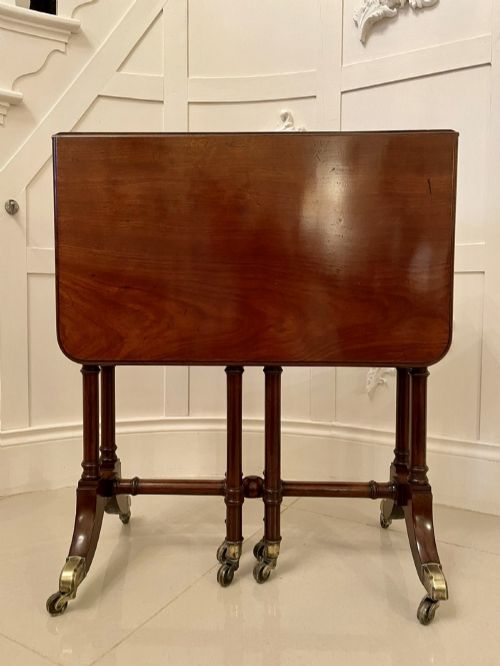
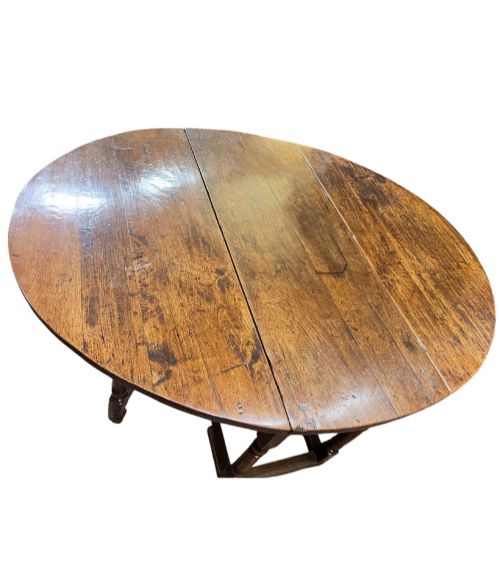
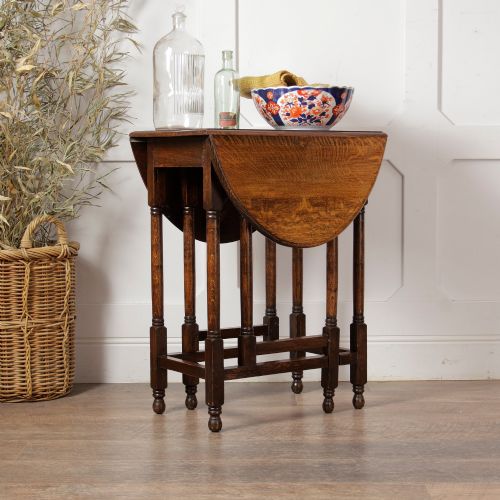
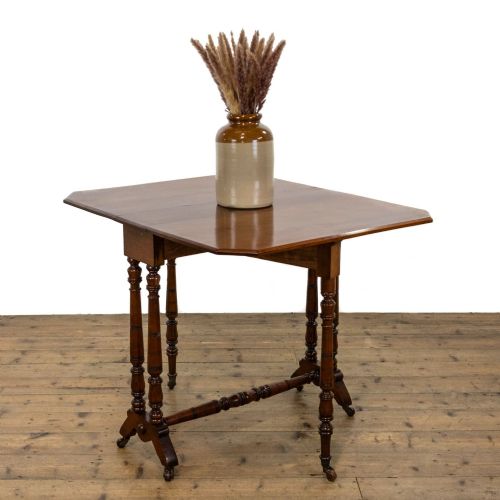
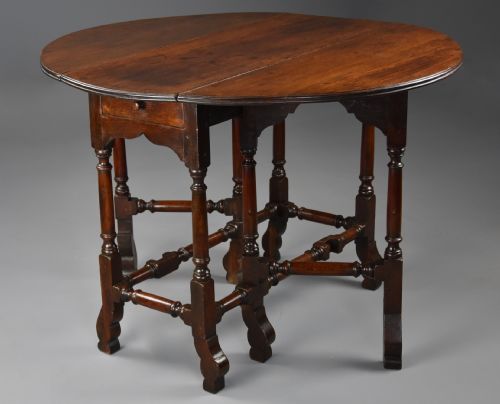
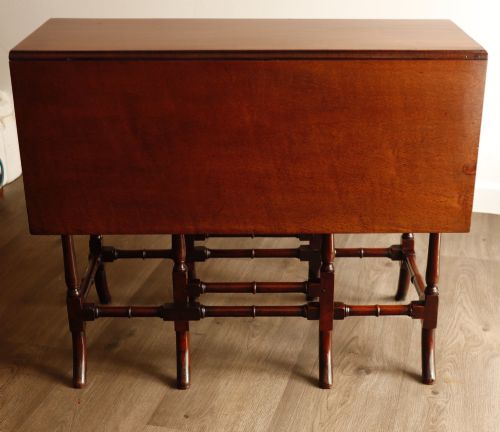
When you search for an antique gateleg accent table, you encounter folding drop-leaf tables designed to expand when needed and fold flat against a wall or tuck away quietly when floor space is at a premium. The pieces listed span centuries of domestic use, from sturdy seventeenth-century oak examples to refined eighteenth-century mahogany spider-leg designs and nineteenth-century burr walnut Sutherland tables.
You meet a variety of forms on this page, including compact tea tables, occasional tables, and side tables constructed with pivoting gate legs that swing out to support hinged drop leaves. Oak and mahogany dominate the earlier and mid-period offerings, while Victorian interpretations frequently utilise burr walnut veneers and slender turnings to create lighter occasional furniture for the parlour.
Materials and construction
Cabinet makers utilised dense native timbers such as oak and ash for seventeenth-century pieces, relying on pegged mortise and tenon joints to build robust gate frames that could endure heavy daily use. By the eighteenth and nineteenth centuries, imported mahogany and walnut became prevalent, allowing craftsmen to turn exceptionally slender spider legs while maintaining structural integrity.
Surface finishing involved careful polishing, oiling, and sometimes painting to protect the timber while accentuating natural grain patterns and rich colour. Drop leaves required precise hinge placement and pivoting wooden or brass gate supports to ensure the flaps remained level when fully extended.
Listings feature oak, mahogany, walnut, burr walnut, ash, brass, ceramic, iron, and paint across periods spanning the seventeenth to the twentieth centuries.
Distinctions in quality
Quality rests upon the selection of timber and the restraint shown in the turning of the legs, where finer pieces display crisp mouldings and well-proportioned supports rather than clumsy, heavy turnings. The alignment of the drop leaves when open and the smooth operation of the pivoting gate action reveal the precision of the original joinery.
The Antique Gateleg Accent Table Glossary
- Gateleg table
- A table featuring hinged flaps supported by swing-out legs that operate like a gate. This design allows the surface area to double within seconds.
- Sutherland table
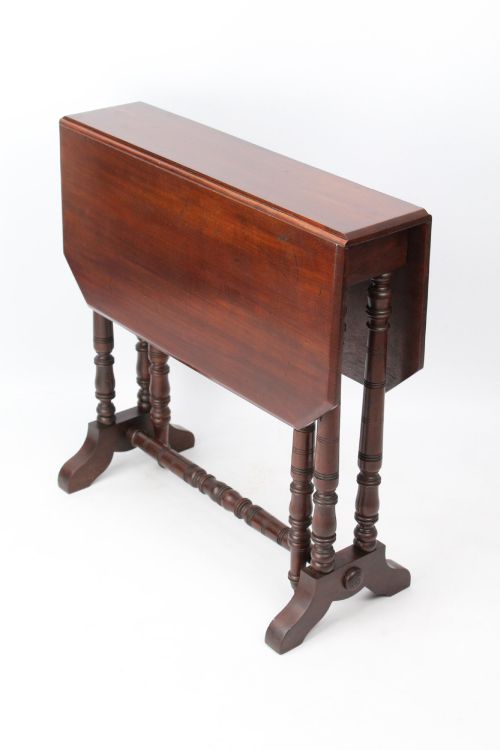
- A particularly slender variety of drop-leaf table featuring very narrow drop leaves and a gateleg action designed to fold into a remarkably thin profile. They emerged during the Victorian period and often served in parlours.
- Spider leg
- A style characterised by exceptionally thin, delicate turned legs joined by stretchers. This configuration appears frequently on eighteenth-century occasional and tea tables.
- Drop leaf
- A hinged section of a table top that can be raised and supported or dropped down when not in use. It defines the primary function of these space-saving tables.
- Burr walnut
- A highly figured wood veneer sliced from walnut tree growths, prized for its swirling grain patterns. Cabinet makers applied it to tabletops to create decorative visual impact.
Antique Gateleg Accent Table: Frequently Asked Questions
How do you operate the gate leaves?
You lift the hinged leaf and swing the pivoting leg outward from the central frame until it rests directly underneath the extended wood. This action transfers the weight evenly to the floor.
To fold the table down again, you simply swing the leg back inward toward the centre base and lower the leaf smoothly into its hanging position.
Where should I place an accent table?
These tables work exceptionally well beside a sofa or armchair where you need a surface for a lamp or a cup of tea but want the flexibility to fold the leaves down. Their compact proportions also suit narrow hallways and landings.
Because the drop leaves adjust easily, you can position the piece flat against a wall in smaller rooms and pull it out into the space when guests arrive.
How do I tell an 18th-century table from a Victorian one?
Seventeenth and eighteenth-century examples typically rely on solid oak, walnut, or mahogany with sturdy turnings and pegged construction. They often have a heavier, more utilitarian presence suited to dining or supper use.
Victorian and Edwardian pieces tend to feature lighter woods like burr walnut veneer, slender Sutherland frames, and mass-produced brass hinges that reflect a shift toward decorative occasional furniture.
Are these tables sturdy enough for daily use?
Solidly built antique gateleg tables proved durable enough to survive centuries of domestic life because their folding mechanisms distribute weight across multiple structural legs. The swinging gate supports bear downward pressure effectively when properly aligned.
Care should be taken not to lean heavily on the outer edges of extended drop leaves, as excessive downward force can strain the pivoting joints and hinges.