



Georgian Walnut Drop Leaf
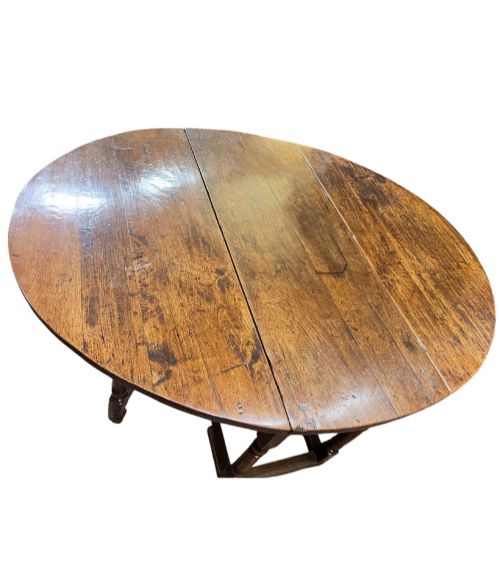
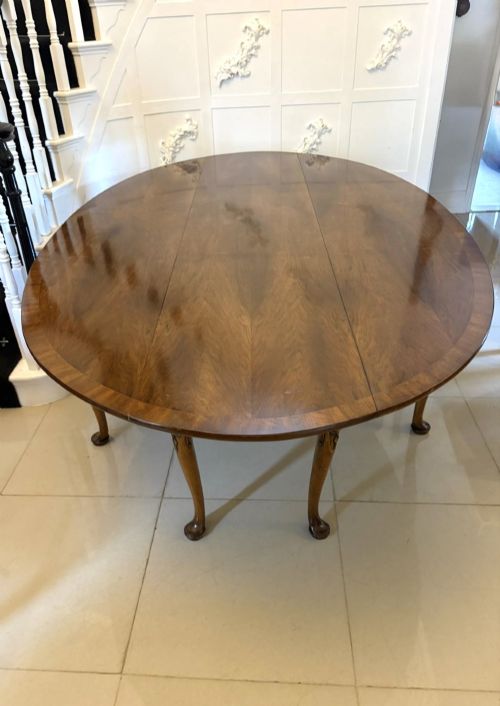
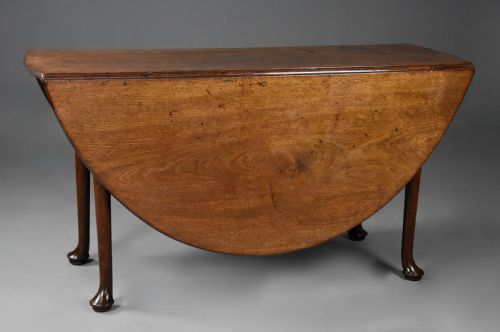
A georgian walnut drop leaf table brings warmth and rich grain to a room while offering clever, space-saving fold-down sides.
Georgian Walnut Drop Leaf
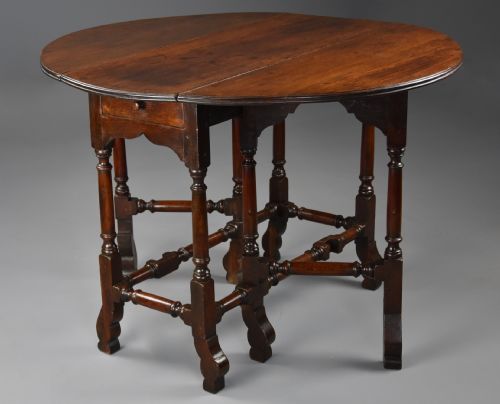
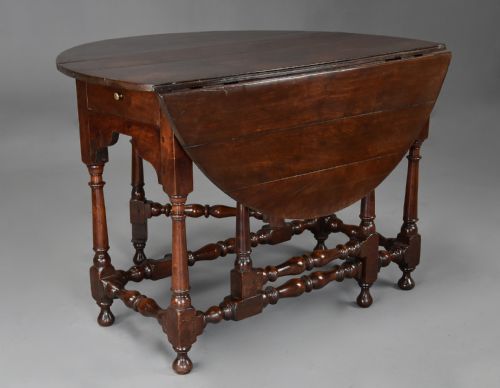
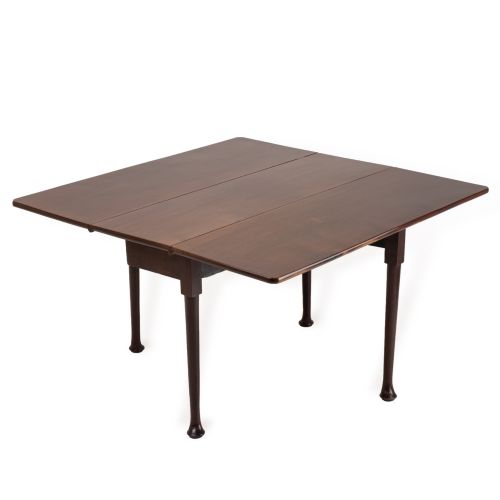
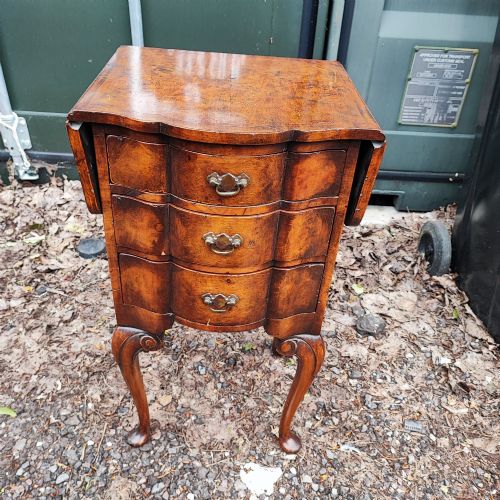
A georgian walnut drop leaf table spans forms from compact bedside lamp tables and sofa tables to large dining tables and gateleg tables.
The pieces appearing on this page stretch from the seventeenth century and eighteenth century through to revival periods in the early twentieth century.
Buyers encounter solid walnut, red walnut, and burr walnut constructions, often paired with oak and fruitwood timber elements.
How they were made
Cabinet makers utilised walnut timber, frequently applied as veneer over secondary woods like oak, alongside solid red walnut and figured burr walnut.
Structural joints and swinging flap supports relied on sturdy gateleg mechanisms and brass fittings to handle the daily movement of the leaves.
The listings span the seventeenth century to the 1930s, featuring walnut, red walnut, burr walnut, oak, and fruitwood.
What varies in quality
The distinction between ordinary and exceptional pieces lies in the depth of the patina and the quality of the figured walnut grain.
Proportions also dictate the standing of a table, where smaller proportions and finely shaped timber surfaces command greater attention.
The Georgian Walnut Drop Leaf Glossary
- Drop leaf
- A table with a fixed centre section and hinged flaps that fold down when not in use. These flaps are supported by swinging legs or brackets.
- Gateleg table
- A table featuring hinged legs that swing out like a gate to support the drop leaves. This design allows a compact table to expand significantly.
- Red walnut
- An American or European walnut variety known for its warmer, reddish hue. It appears frequently in eighteenth-century cabinet making.
- Burr walnut
- Timber taken from a tree growth showing intricate, swirling grain patterns. It is typically sliced into veneer for decorative surfaces.
- Patina
- The surface sheen and mellowing developed over centuries of handling and polishing. A good patina reflects the age and history of the wood.
Georgian Walnut Drop Leaf: Frequently Asked Questions
How do I use a drop leaf table in a small room?
Drop leaf tables function brilliantly in compact spaces because the hinged sides fold flat against the wall or tuck away when extra surface area is unnecessary. You can lift one or both leaves only when dining or working.
Positioning the table against a wall with the leaves dropped creates a slim console, leaving the centre of the room open for movement.
What is the difference between walnut and red walnut?
Standard walnut typically displays deep brown tones with dark grain markings, whereas red walnut exhibits a distinct warm, reddish coloration in the timber. Both varieties were favoured during the eighteenth century for high-end cabinet work.
Inspect the grain under natural light to discern the subtle tonal shifts between these walnut types.
How do I care for antique walnut furniture?
Protect antique walnut surfaces by keeping them away from direct sunlight and maintaining steady room humidity. Natural oils and traditional waxes help nourish the timber without sealing the pores.
Avoid placing hot cups or damp items directly on the polished wood to preserve the original finish and patina.
How can I tell an eighteenth-century table from a revival piece?
Eighteenth-century tables show construction methods, tool marks, and timber shrinkage consistent with early hand-working techniques. Revival pieces from the early twentieth century often present machine-cut elements and different secondary woods.
Examining the underside, drawer linings, and hinge fixings usually reveals the true age of the piece.