
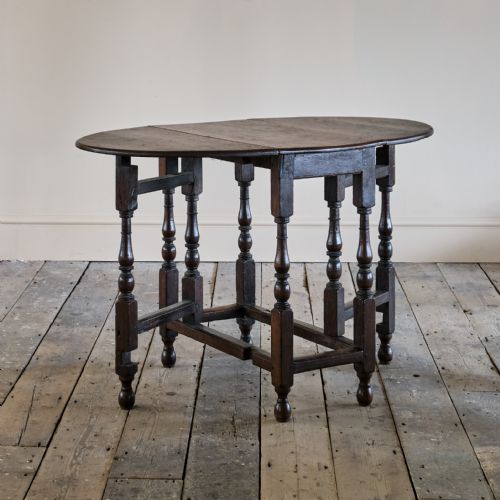
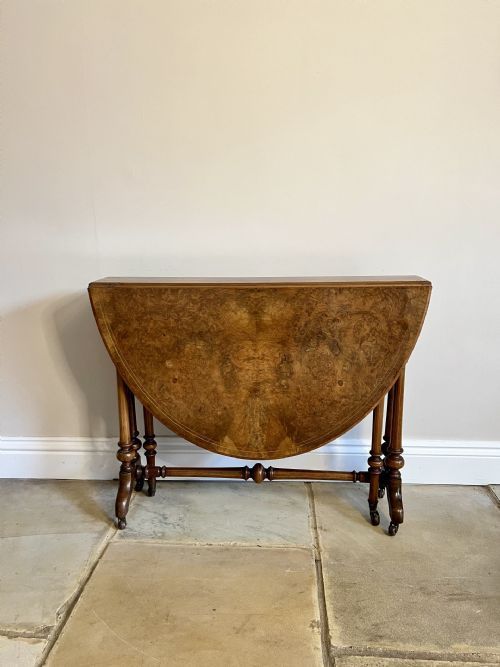


Small Gateleg Dining Table
A small gateleg dining table offers an ingenious space-saving folding design built for compact rooms.
Small Gateleg Dining Table
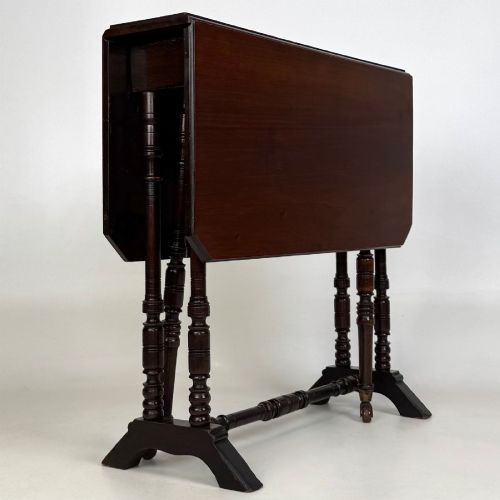
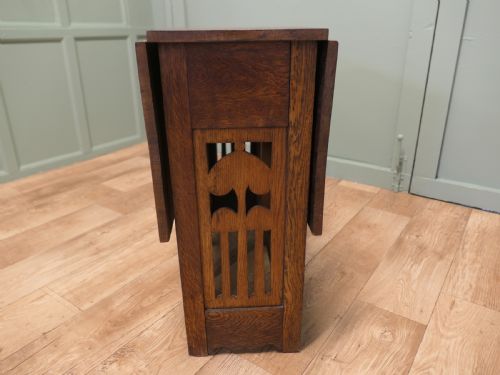
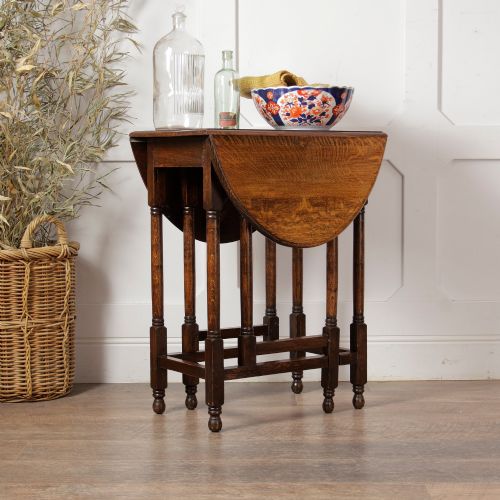
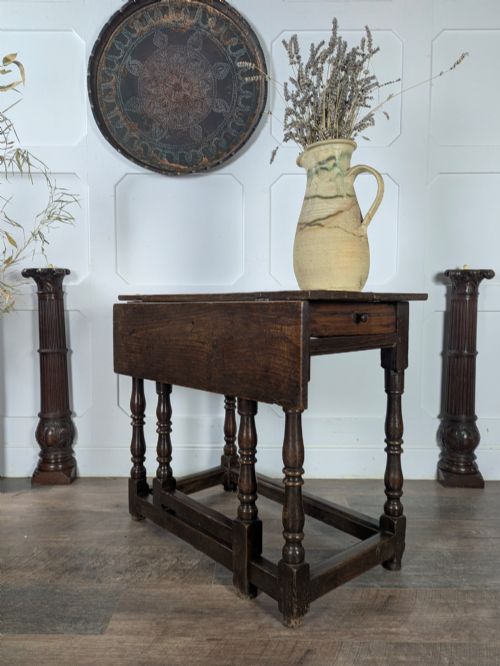
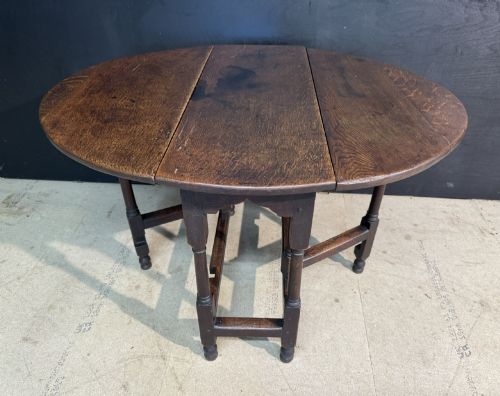
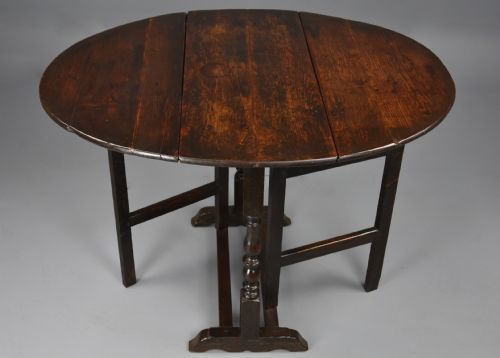
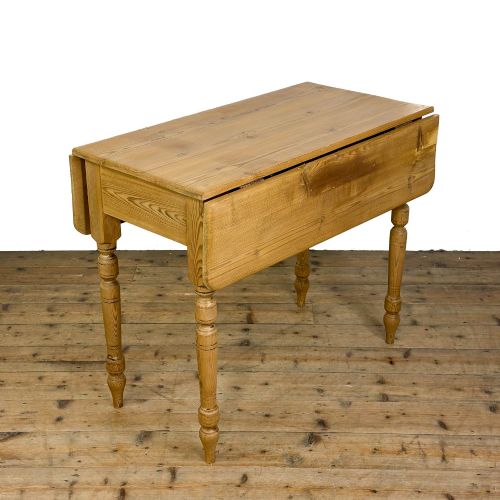
A small gateleg dining table serves as a flexible surface with hinged leaves that drop down when not in use and swing-out legs to support them when open. These versatile pieces appear across multiple eras, functioning as compact dining options or occasional tables.
Oak dominates the selection, appearing alongside walnut, mahogany, elm, and pine in forms ranging from seventeenth-century country tables to Edwardian and vintage twentieth-century revivals. Buyers encounter solid oak and burr walnut versions most frequently on this page.
How they were made
Cabinet makers constructed these tables primarily from solid timber such as oak, walnut, and mahogany, utilising hinged drop leaves supported by pivoting gate legs. Joinery methods included pegged mortise and tenon frames designed to bear weight on the extending legs.
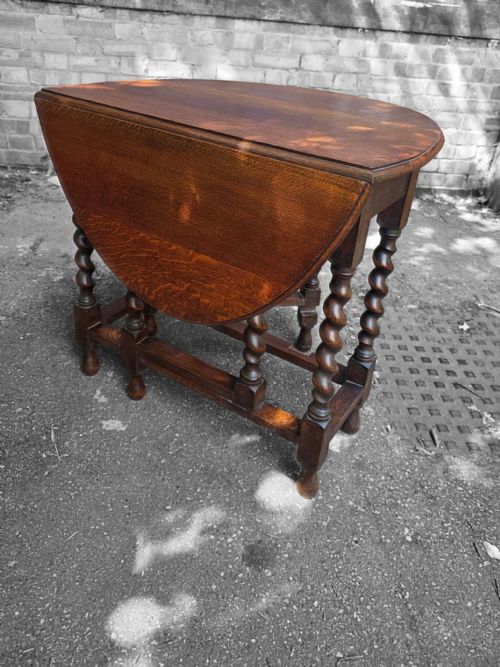
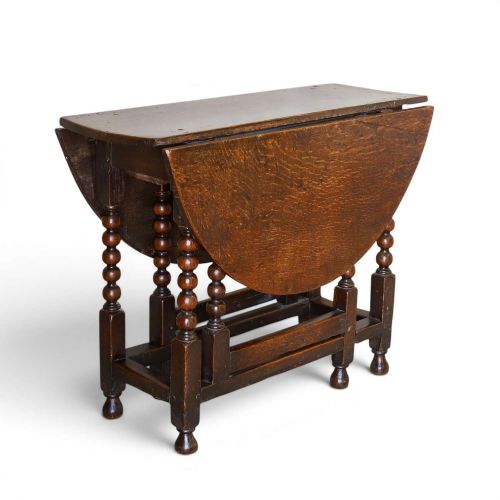
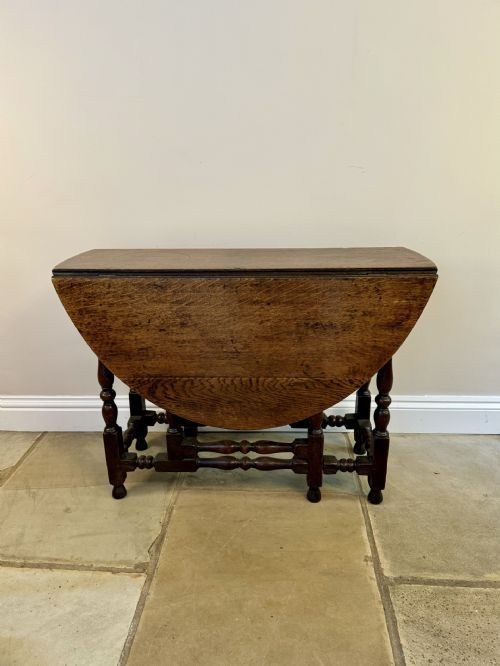
Turned wooden components define the structural supports, featuring characteristic barley twist, bobbin, and baluster post designs. Brass fixtures occasionally appear on hinges and castors, while ceramic elements feature in the broader material record.
Listings feature oak as the primary timber, complemented by walnut, mahogany, elm, and pine across periods spanning the seventeenth century to the twentieth.
What varies in quality
Quality rests upon timber selection and the integrity of the pivoting gate action. Dense grains, well-figured burr walnut, and robust solid oak denote superior construction compared to lighter secondary timbers.
The precision of the hinge placement and the tightness of the leg joints dictate durability. Examples possessing original patination and intact structural turnings command greater regard among collectors than heavily restored pieces.
The Small Gateleg Dining Table Glossary
- Gateleg table
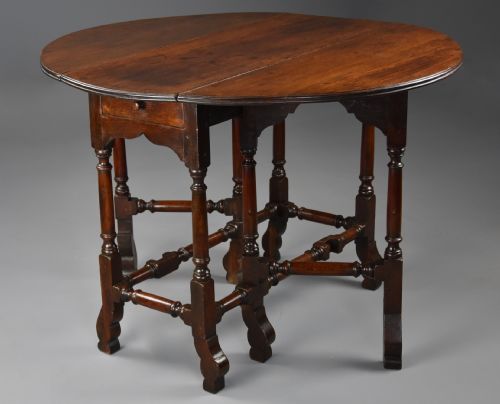
- A table with hinged leaves supported by one or more legs that swing outward like a gate. This mechanism allows the surface area to expand or contract easily.
- Barley twist
- A carved wooden leg shaped in a helical spiral resembling twisted barley sugar. This decorative turning appears frequently on seventeenth-century and revival pieces.
- Bobbin turning
- A series of rounded, spherical wooden shapes turned on a lathe to resemble spools or bobbins threaded together. It provides a tactile, decorative support on legs and stretchers.
- Sutherland table
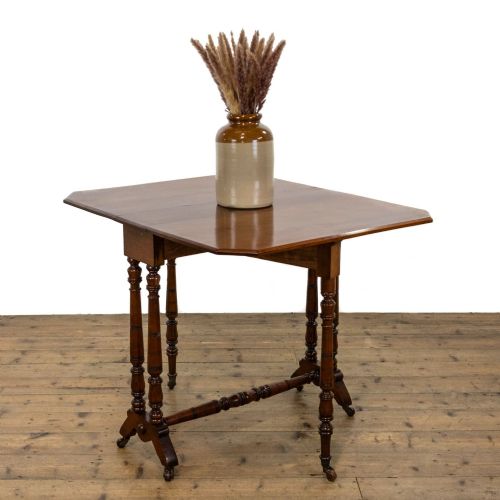
- A narrow drop-leaf table with exceptionally slim drop leaves and a very narrow fixed centre. They often feature intersecting gate legs designed to fold completely flat.
- Patina
- The surface sheen and mellow colour developed by aged wood through decades of handling, polishing, and exposure to light. Original patination indicates untouched historical surfaces.
Small Gateleg Dining Table: Frequently Asked Questions
How do you seat people around a small gateleg table?
Drop leaves lift upward to create a usable oval or rectangular surface, while the hinged gate legs swing outward from the frame to lock underneath and bear the weight.
Diners sit comfortably once the leaves are fully extended, and the table folds down flat against a wall when the meal finishes.
What rooms suit a vintage oak gateleg table?
Compact dining areas, kitchens, and studies benefit most from these tables because their folding leaves adapt the footprint to the available floor space.
Placing one against a wall as a side table provides a surface for lamps or books until guests arrive for dinner.
How do I date an antique gateleg table?
Examining the timber species, turning style, and construction marks helps narrow down the period, such as identifying seventeenth-century baluster posts or early twentieth-century barley twists.
Hand-cut joints and heavy oak construction generally point to earlier centuries, while lighter mahogany and walnut often indicate Georgian or Victorian craftsmanship.