
Antique Garden Pots
These antique garden pots bring weight, texture and history directly into modern planting schemes.
Antique Garden Pots
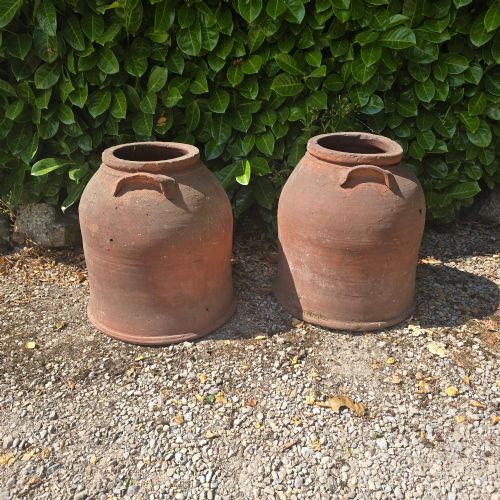
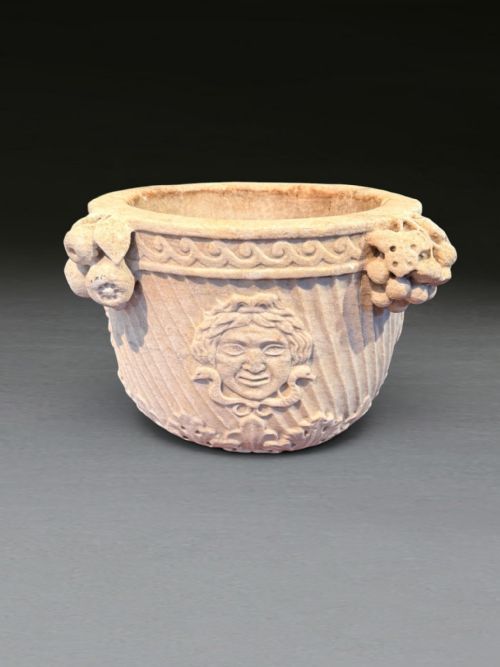
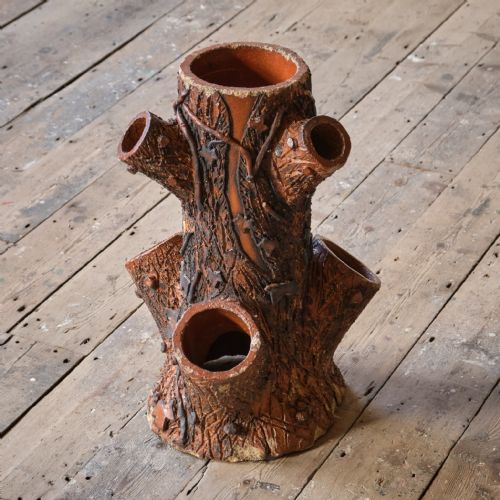
Antique garden pots encompass a diverse array of vessels designed for outdoor display, ranging from classic campana urns to utilitarian vessels repurposed for the garden. When searching for antique garden pots, collectors encounter everything from heavy cast iron urns to weathered terracotta jars originating from various regional traditions.
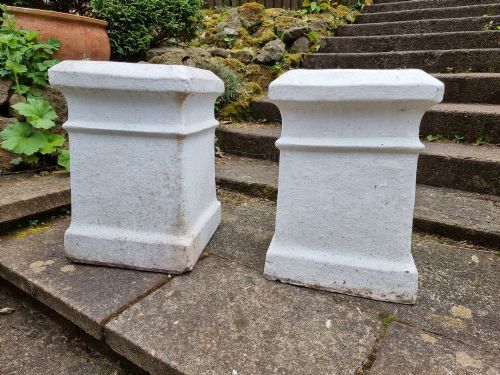
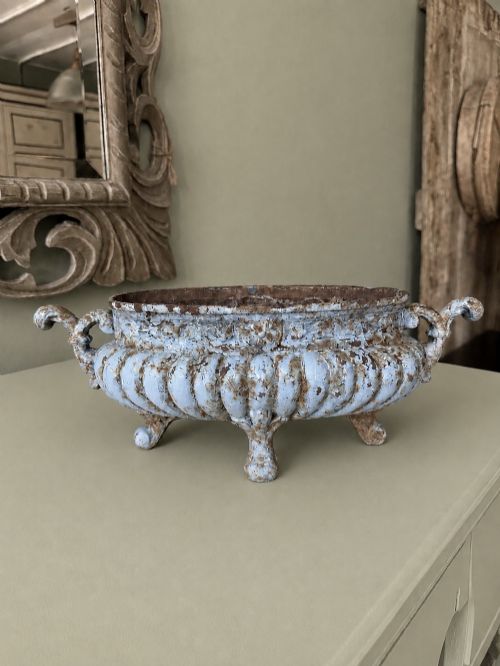
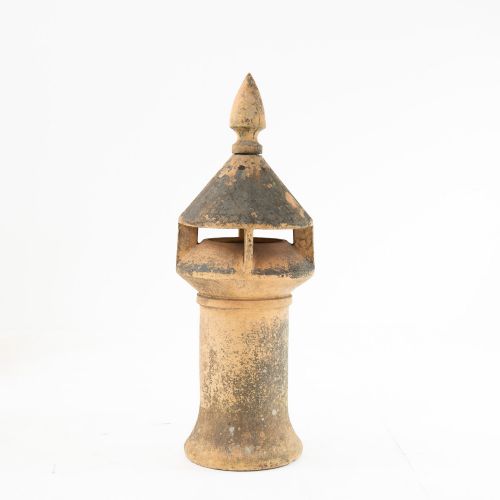
The pieces appearing frequently include nineteenth-century terracotta and cast iron designs, alongside repurposed architectural elements like chimney pots and dairy salting crocks. Buyers also find French and English planters, often displaying distinct regional characteristics and patinas built up over decades of exposure to the elements.
Forms vary from monumental garden urns intended for focal points to smaller troughs and jars suited for patio cultivation. These vessels connect contemporary outdoor spaces directly to nineteenth-century and early twentieth-century gardening traditions.
How they were made
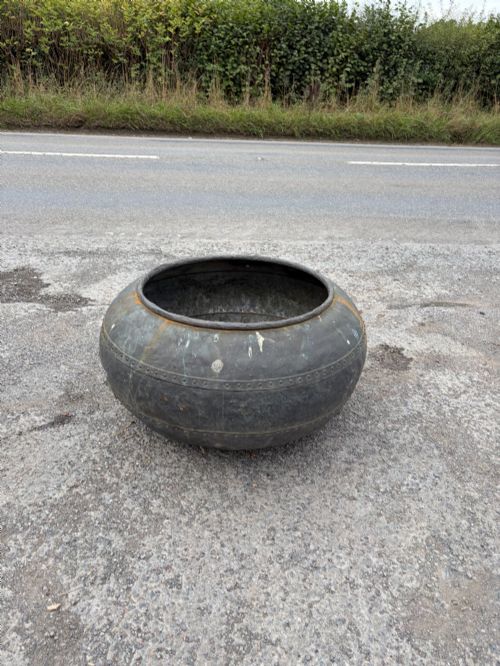
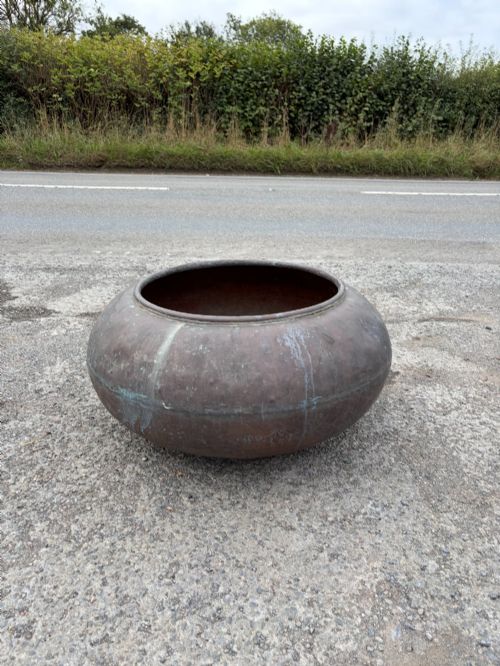
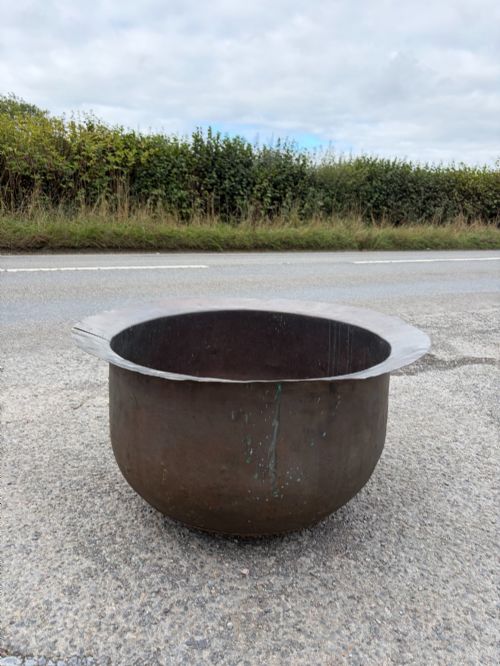
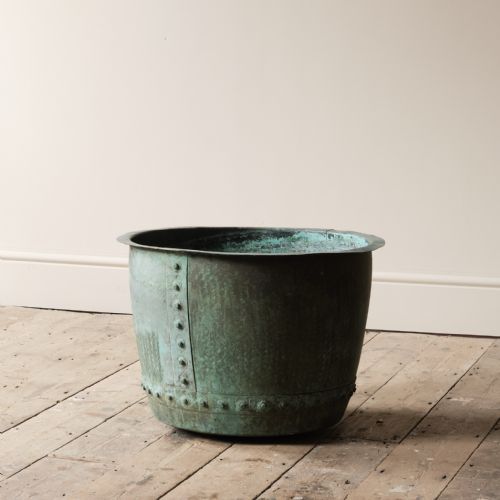
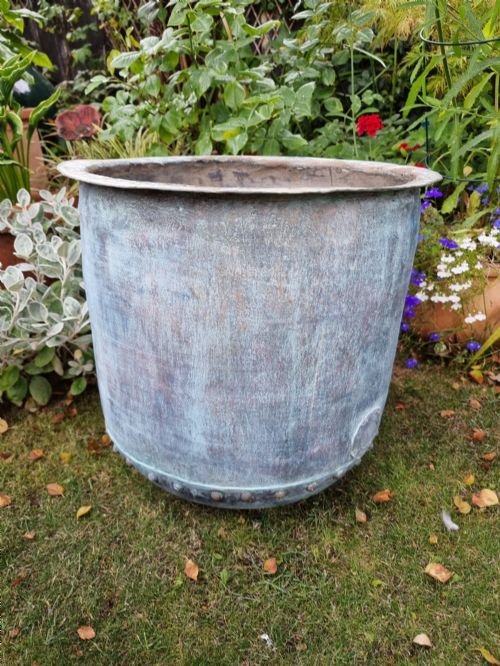
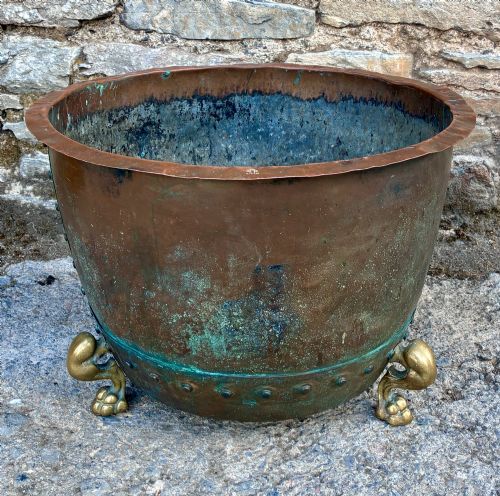
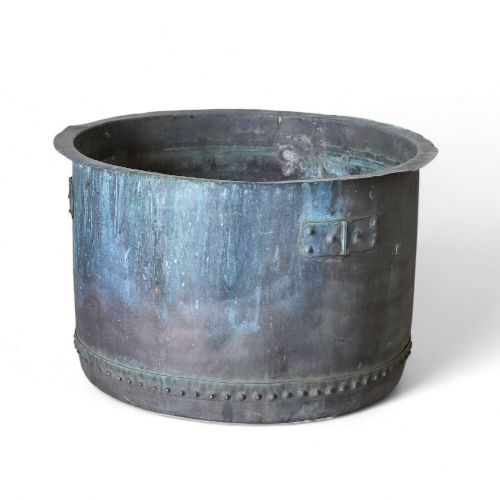
Makers utilised durable materials designed to withstand outdoor conditions, predominantly terracotta, cast iron, copper and stone. Terracotta pieces were thrown or moulded from regional clay before firing, whilst metal vessels relied on casting or hand-riveting thick copper sheets together.
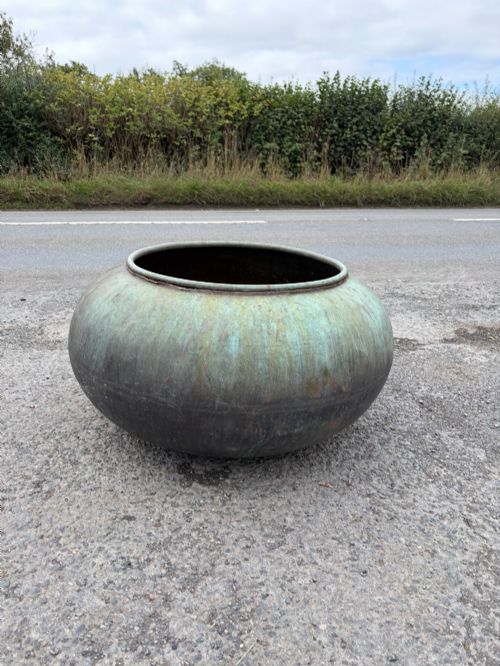
Cast iron items required skilled foundry work, often utilising classical moulds to produce campana urns and decorative planters with crisp relief details. Many metal vessels received protective paint finishes or developed natural verdigris and patinas over decades of use.
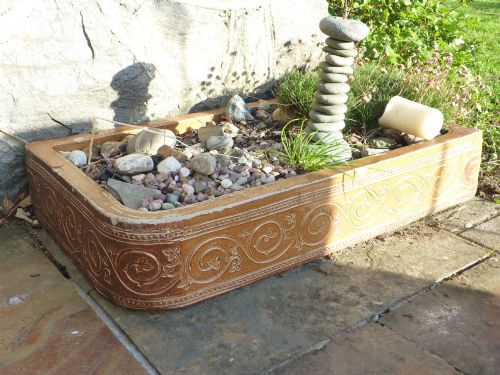
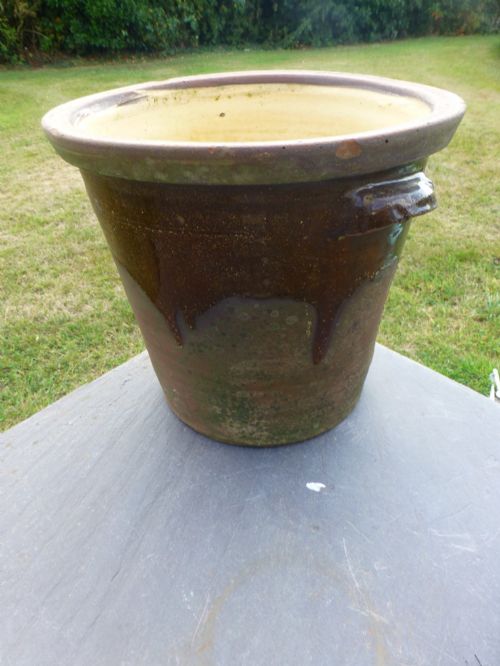
Ceramic variations often feature salt glazes or dribble glazes applied before firing to create impermeable surfaces suitable for holding moist soil. Stoneware and reconstituted stone pieces were carved or moulded to mimic traditional quarried masonry.
Materials span terracotta, cast iron, copper, ceramic, earthenware, reconstituted stone, brass and soft stone.
What varies in quality
Quality in these vessels depends heavily on the crispness of the casting in metal pieces and the purity of the clay and firing temperature in terracotta. Superior iron urns retain sharp botanical or classical motifs without the softening seen in worn secondary casts.
The integrity of construction separates standard utilitarian vessels from finer decorative pieces, particularly in hand-riveted copper work and heavy stoneware. Structural thickness and the natural development of surface patinas also distinguish exceptional examples from later reproductions.
Provenance and originality of surface finish play significant roles in determining the merit of a piece. Original paint layers, uncompromised drainage holes and authentic weathering carry more weight than overly restored or cleaned surfaces.
Andrew Handyside·C. R. Stevens·Guichard Carriès
The Antique Garden Pots Glossary
- Campana urn
- A bell-shaped garden vessel with an everted rim, commonly cast in iron or moulded in terracotta during the nineteenth century.
- Jardiniere
- An ornamental pot or stand designed to hold growing plants, frequently manufactured in glazed ceramic or cast iron.
- Terracotta
- Fired unglazed clay ranging in colour from pale buff to deep orange-red, widely utilised for traditional garden planters.
- Verdigris
- The green patina that forms naturally on copper, brass or bronze through prolonged exposure to atmospheric moisture.
- Rhubarb forcer
- A tall ceramic or terracotta vessel traditionally placed over rhubarb crowns in darkness to encourage early, tender shoots.
Antique Garden Pots: Frequently Asked Questions
Can antique cast iron pots stay outside all winter?
Most heavy cast iron urns tolerate winter weather well, provided they have adequate drainage to prevent trapped water from freezing and cracking the metal.
Positioning them on bricks or feet ensures water escapes freely during heavy downpours.
How do I protect terracotta pots from frost damage?
Fired clay vessels absorb moisture, which expands during freezing temperatures and causes the earthenware to flake or crack.
Lifting pots off the ground using pot feet and emptying soil during severe frosts helps preserve the material.
What is the best way to clean copper planters?
Harsh chemical cleaning agents strip away the stable protective layer that centuries of weathering have created on copper surfaces.
Gentle washing with warm water and a soft brush removes dirt without disturbing the natural verdigris.
How can I tell a nineteenth-century urn from a modern copy?
Early pieces typically exhibit casting seams, hand-finished details and surface wear consistent with decades of outdoor exposure.
Inspect the interior for lime scale accumulation and organic patination that modern manufacturing processes cannot easily replicate.