

Antique Garden Ornaments
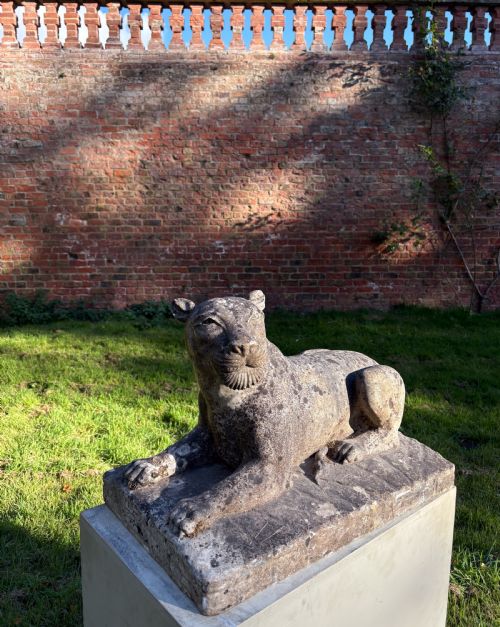
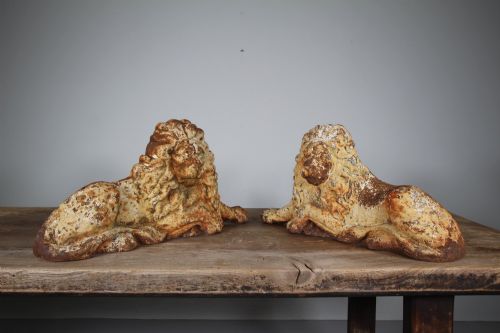
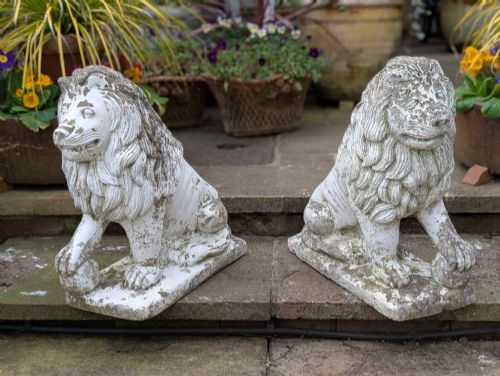
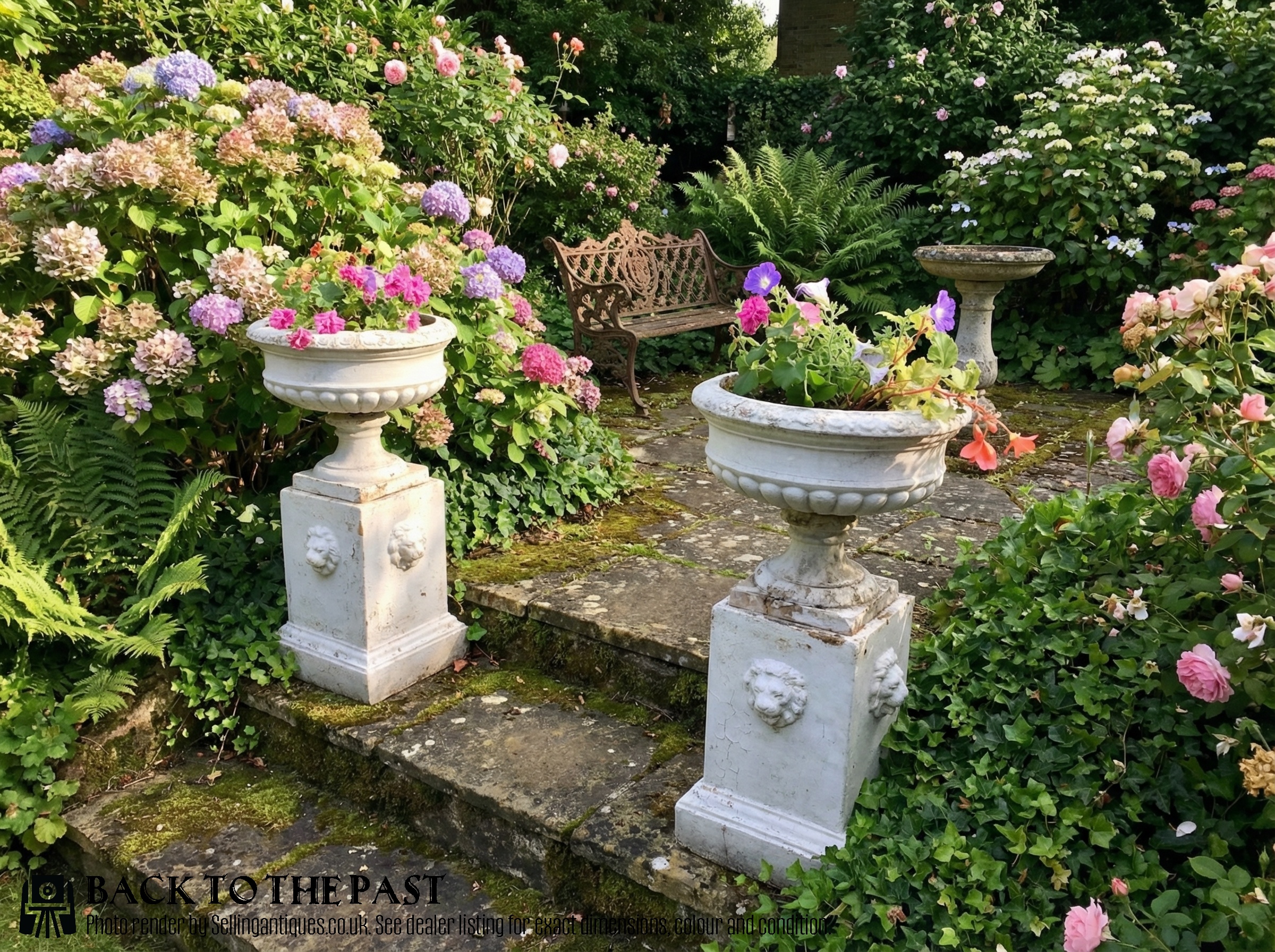
Antique garden ornaments bring sculptural presence to the outdoors, taking the form of weathered stone lions, cast iron urns, and lead figures.
Antique Garden Ornaments
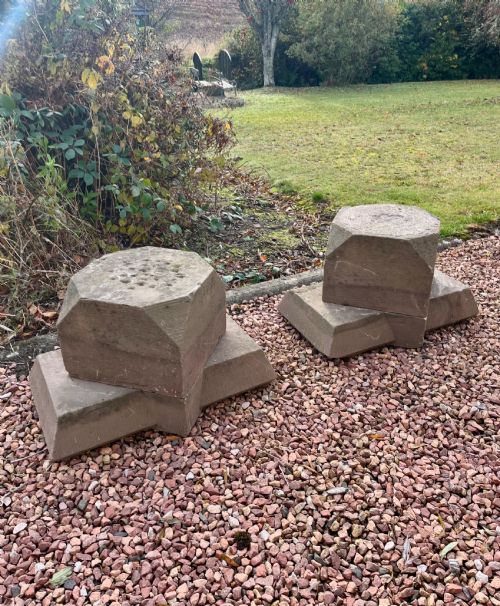
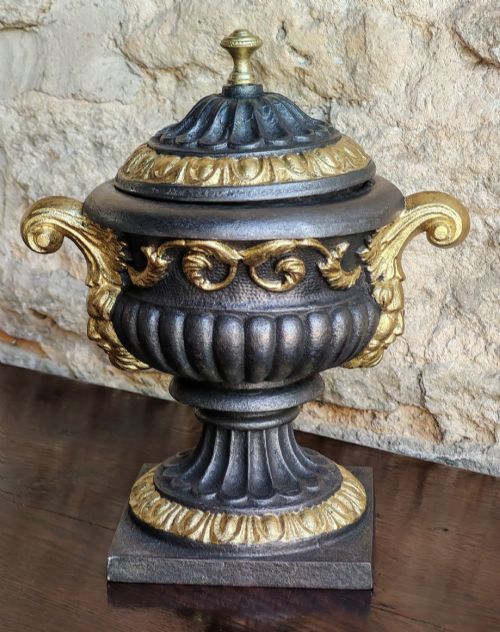
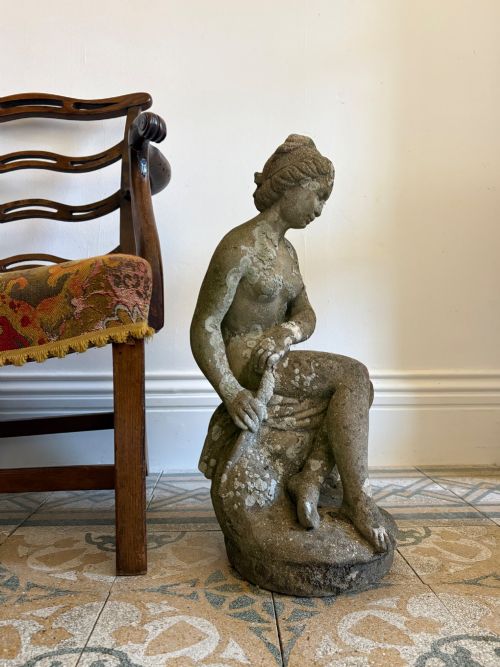
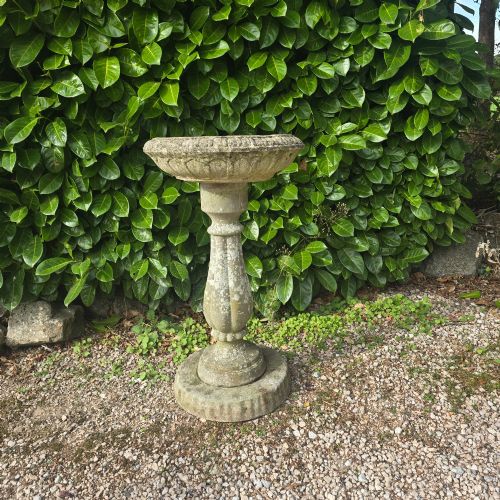
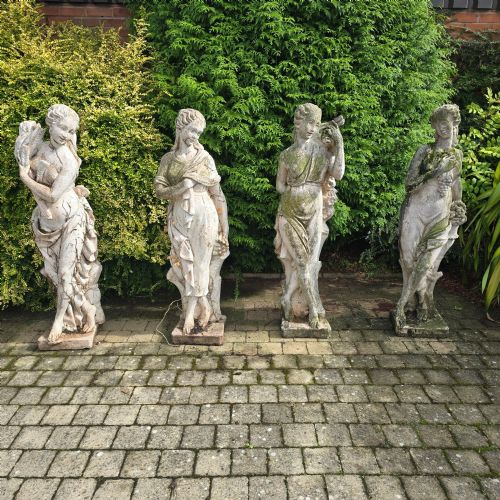
Antique garden ornaments encompass a diverse range of objects designed to animate lawns, terraces, and courtyards, spanning functional items like bird baths and staddlestones to purely decorative sculptures. When searching for antique garden ornaments, buyers regularly encounter classical urns, campana planters, and animal figures originating from nineteenth-century foundries or earlier stone masonry.
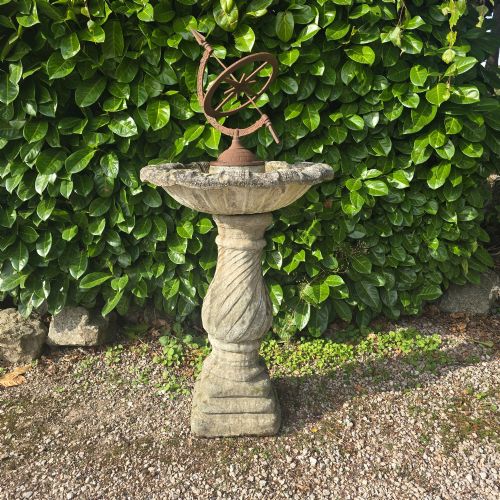
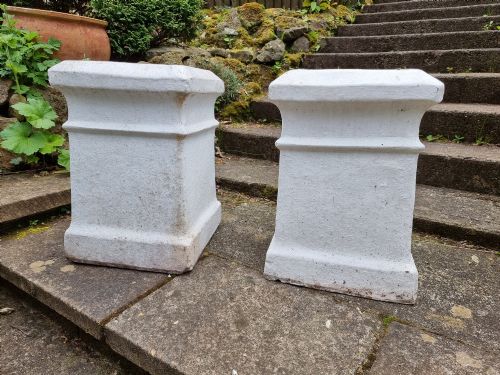
The selection on this page leans heavily toward nineteenth-century and early twentieth-century pieces, featuring Victorian cast iron work, reconstituted stone, and lead statuary. Forms vary from monumental Medici lions and armillary sphere sundials to utilitarian rhubarb forcers and chimney pot pedestals repurposed for display.
Materials and Foundry Techniques
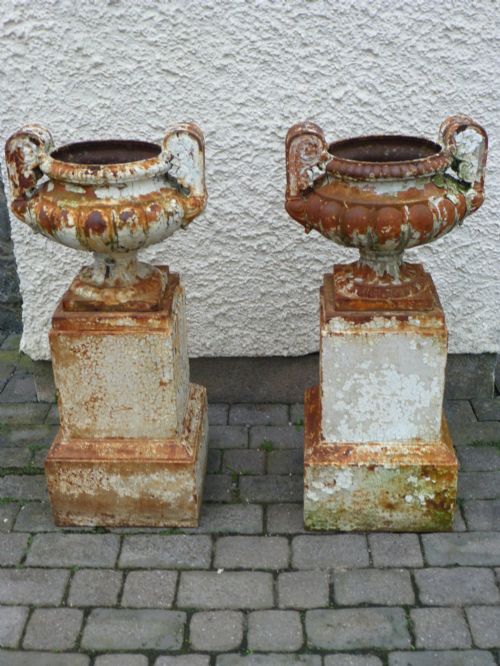
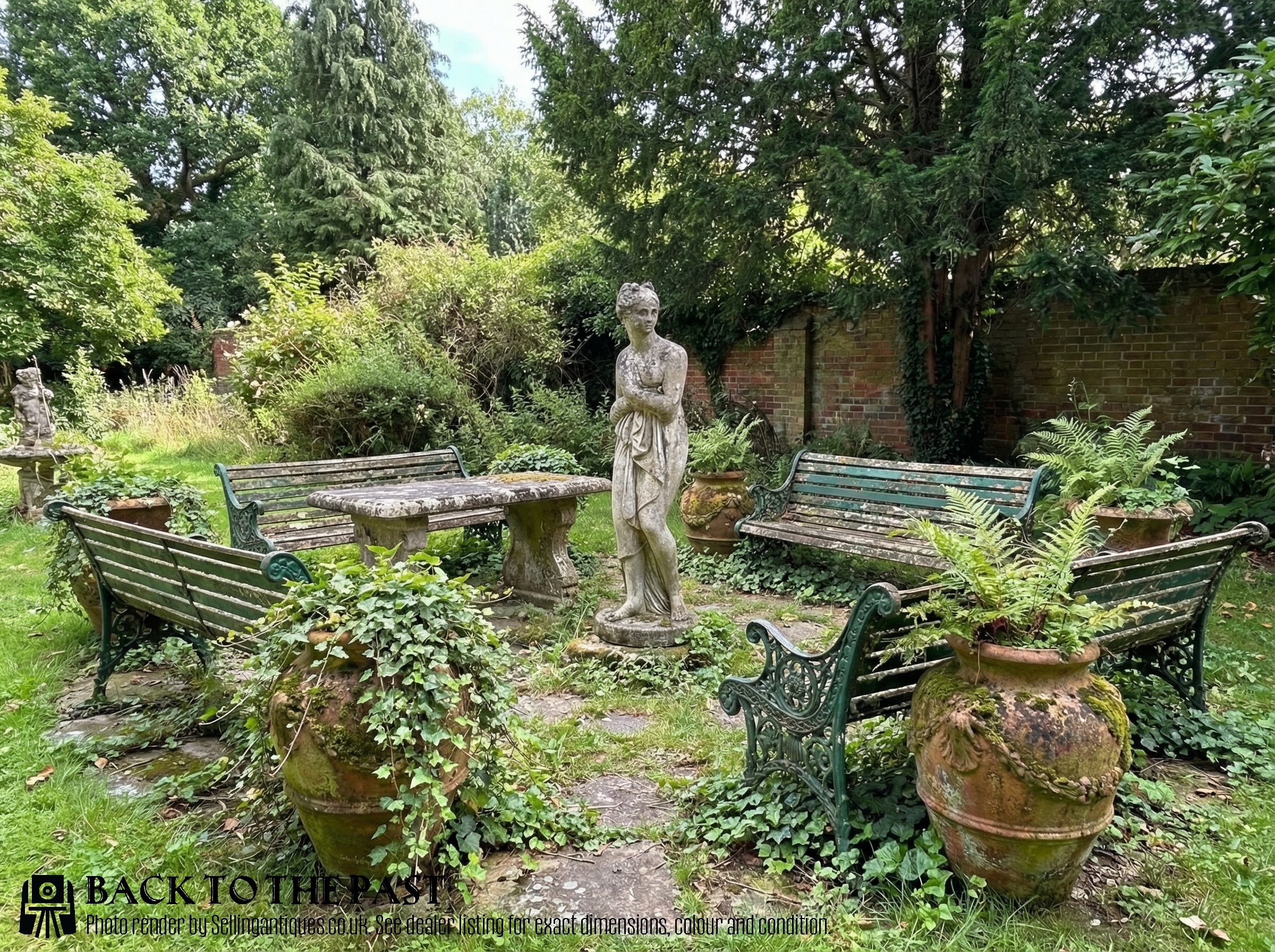
Foundries such as Coalbrookdale, Carron, and Andrew Handyside shaped much of the metalwork seen here, utilising durable cast iron to produce intricate planters, urns, and hitching posts with sharp relief. Lead and bronze provided alternative casting mediums for statues, fountains, and animal figures, allowing artisans to capture fine anatomical details.
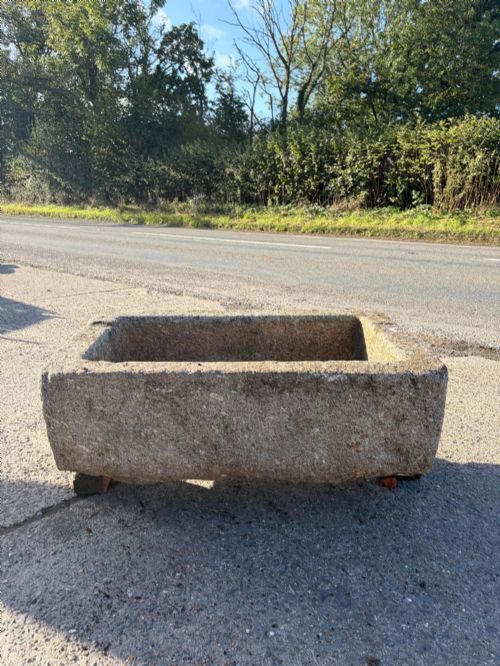
Stonework relies on both hand-sculpted natural materials, such as Cornish granite, limestone, and terracotta, and later cast or reconstituted stone mixtures. These media weathered organically over decades outdoors, acquiring natural patinas of moss and lichen that distinguish older pieces from modern reproductions.
Antique Garden Ornaments Retail Price Guide 2026
Typical asking prices for garden ornaments among the pieces listed under this phrase on Sellingantiques today, from the lower quarter to the upper quarter. They describe what is for sale here now, not the wider market.
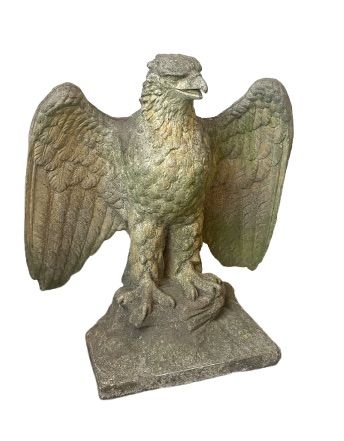
A cast iron pig and a stone pigeon sit among the lions and eagles, proving that agricultural livestock found a permanent home in sculpture.
Casting Definition and Patina
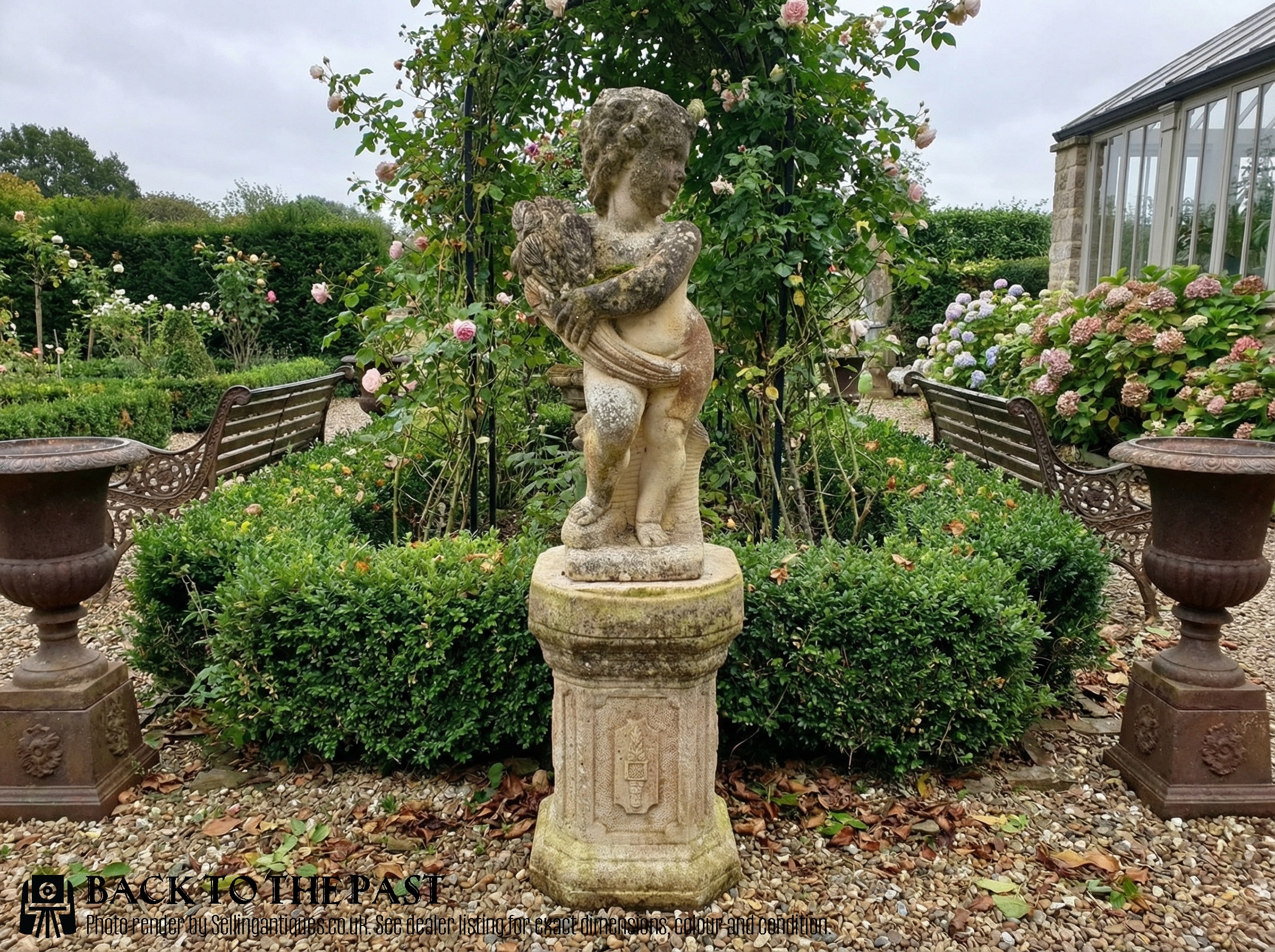
Quality rests upon the crispness of the initial cast and the integrity of the material, where superior ironwork exhibits sharp botanical or figurative relief without surface pitting or distortion. Makers like Val d’Osne and Coalbrookdale achieved exceptional depth in their foundry output, separating mass-produced items from master-patterned works.
The natural weathering process dictates visual success, with harmonious accumulations of moss and old paint layers enhancing the form rather than obscuring it. Proportion, balance, and the retention of original matching plinths or pedestals further separate exceptional sculptural survivals from standard garden furniture.
Falkirk Carron foundry·Coalbrookdale·Andrew Handyside·Val d’Osne foundry
The Antique Garden Ornaments Glossary
- Campana urn
- A bell-shaped garden vessel with a flared rim and pedestal foot. Originating in classical antiquity, these forms became staples of nineteenth-century iron and stone manufacturing.
- Staddlestone
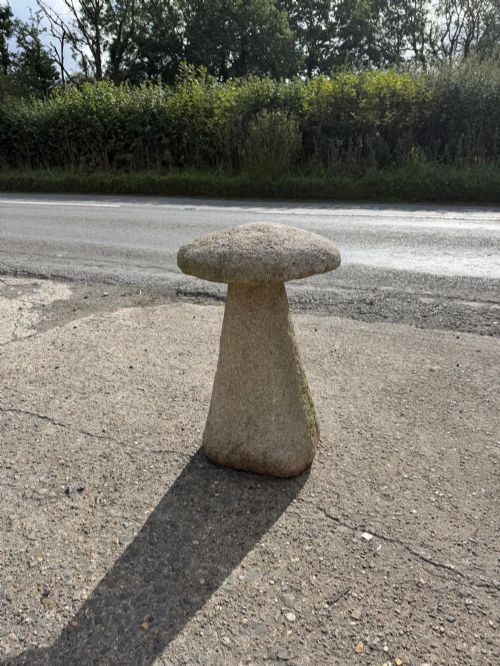
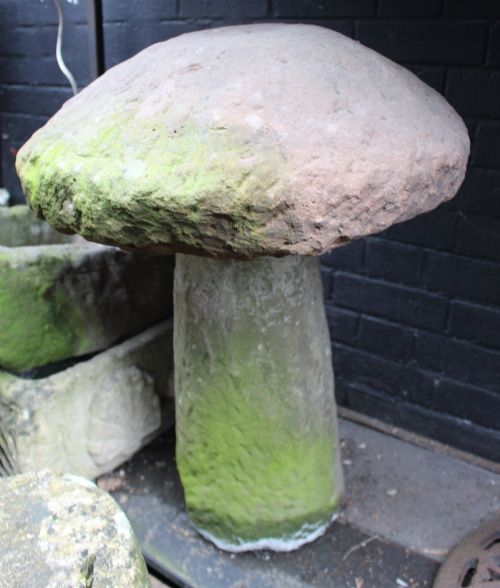
- A mushroom-shaped stone support formerly used to elevate granaries above ground level to deter vermin. They now serve widely as decorative boundary markers and garden ornaments.
- Armillary sphere
- An astronomical model featuring interlocking metal rings centred on a globe representing the earth. These function outdoors as decorative sundials.
- Rhubarb forcer
- A heavy ceramic or terracotta vessel placed over crowns to exclude light and accelerate growth. Garden collectors prize them today for their architectural form.
- Okimono
- A Japanese decorative carving or sculpture intended for display. Large bronze examples occasionally appear in Western garden settings.
Antique Garden Ornaments: Frequently Asked Questions
How do I care for antique metal ornaments?
Cast iron and lead pieces require minimal intervention beyond gentle washing to remove damaging debris. Preserving the existing surface oxidation protects the metal underneath.
Avoid abrasive cleaners or modern sealants that disrupt the natural patina built up over decades of outdoor exposure.
Can stone ornaments stay outside in winter?
Granite, limestone, and reconstituted stone generally withstand cold weather if the material remains sound and free of deep structural cracks. Raising pieces slightly off the soil prevents moisture absorption from the ground.
Severe frost can damage porous terracotta or saturated composite stone, making winter storage under cover a sensible precaution for delicate items.
How do I identify a Victorian cast iron urn?
Victorian foundry pieces often feature deep relief decoration, classical motifs such as acanthus leaves or egg-and-dart borders, and occasionally registry marks or foundry stamps. The weight and thickness of the metal point toward nineteenth-century production methods.
Examination of the interior surface reveals casting seams and sand textures consistent with historical manufacturing techniques rather than modern smoothing.
What is a staddlestone used for originally?
Farmers historically used staddlestones as structural supports for timber granaries and barns. The mushroom cap design prevented rats and mice from climbing up into stored grain.
Today, these stone pillars are repurposed as sculptural garden ornaments, often arranged in formal lines along pathways or lawns.