
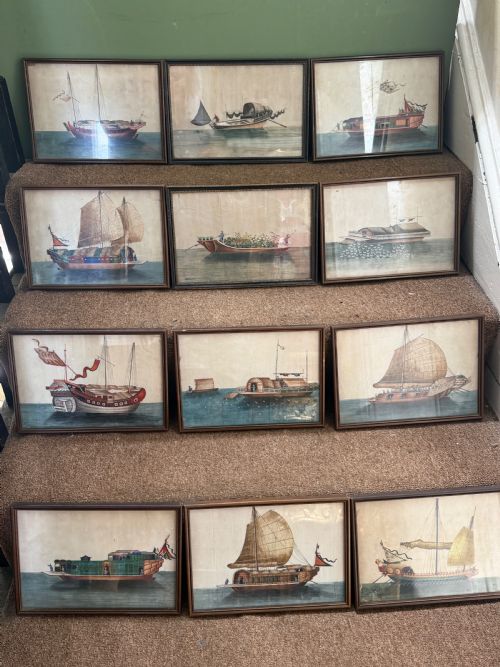
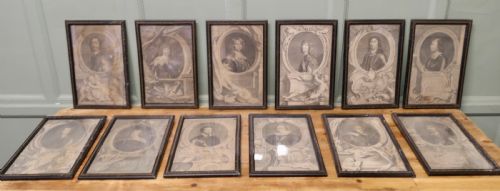
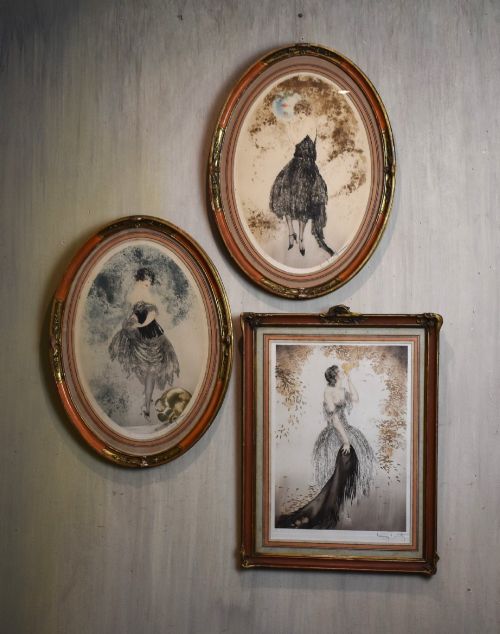
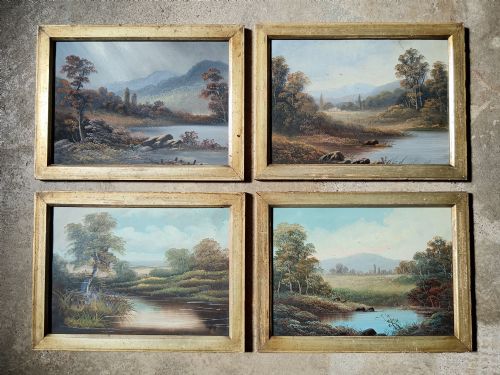


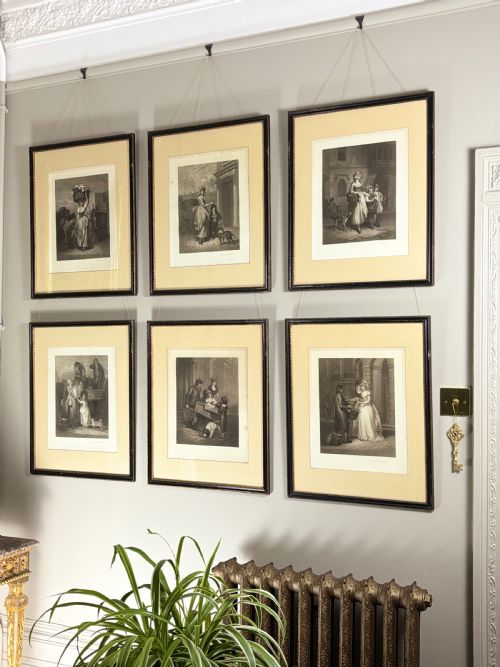


Antique Gallery Wall Set
An antique gallery wall set brings together framed prints and paintings designed to hang as a cohesive group.
Antique Gallery Wall Set
An antique gallery wall set comprises grouped collections of framed artworks, prints, or botanical studies designed to be hung together as a cohesive display. These assemblies often feature uniform framing or thematic consistency across multiple pieces.
Buyers encountering this phrase most frequently find sets of botanical engravings, traditional landscape paintings, or historical portrait prints originating from the eighteenth and nineteenth centuries. Alongside framed art, the selection includes related wooden wall furnishings from the Regency and Victorian periods.
Materials and construction
Artworks within these sets utilise traditional paper substrates combined with watercolour, gouache, pencil, and various engraving techniques. Many pieces incorporate hand tinting or gold leaf detailing applied directly to the surface.
Frames employ wood construction, frequently enhanced with gilt finishes or glass glazing to protect the delicate paper works within. Rosewood and other traditional timbers feature in structural wall fixtures.
Ducks, Junks, and famous racehorses share wall space here.
Quality and execution
The standard of execution rests on the fineness of the original hand-colouring, the clarity of the underlying engraving lines, and the preservation of the paper support. Superior examples maintain crisp detail in botanical and figurative studies without fading or excessive toning.
Cohesion within the set dictates overall desirability, as matched groupings with original frames demonstrate superior historical integrity compared to assembled later pairings. The quality of the framing materials and the distinctness of the artist signatures further elevate the standing of individual pieces.
Jacobus Howbraken·Louis Icart·Thomas G Appleton·Simon François Ravenet·Pancrace Bessa·John Curtis·Edward Lear
The Antique Gallery Wall Set Glossary
- Gouache
- An opaque watercolour paint consisting of pigment, water, and a binding agent such as gum arabic. It provides solid areas of matte colour in botanical and landscape works.
- Mezzotint
- A printmaking process of the intaglio family where the surface is roughened to produce tones and dark fields. It allows for subtle gradations of light and shade in portraits.
- Engraving
- A printmaking technique where an artist carves lines into a metal plate to hold ink. This method produces precise and enduring images on paper.
- Hand tinted
- The manual application of watercolour or dye to a monochrome printed image. This adds realistic colour to botanical studies and portrait prints.
Antique Gallery Wall Set: Frequently Asked Questions
How do I hang a set?
Arrange the pieces on a flat surface first to test the spacing before transferring them to the wall. Maintain consistent gaps between frames to create a balanced composition.
Secure each frame using appropriate fixings suited to the weight of the wood and glass. Ensure the arrangement aligns with the natural eye level of the room.
Are these sets matching?
These sets typically share a common theme, period, or creator, ensuring visual harmony when displayed together. Many were produced as unified series from the outset.
Some groupings represent curated collections assembled for their complementary subjects and framing styles. Check individual piece counts to understand the scope of the set.
How should I clean the glass?
Apply a mild glass cleaner to a soft cloth rather than spraying directly onto the frame. This prevents moisture from seeping beneath the glass and damaging the antique paper.
Wipe the surface gently while supporting the frame from behind. Avoid letting moisture contact wooden mouldings or gilt surfaces.
Can I separate the set?
Separating a historical set diminishes its collective narrative and visual impact. Keeping the pieces together preserves their intended context and historical value.
Displaying them as a single group maintains the balance designed by the original publisher or collector. Individual items lose their relational context if dispersed.