

Antique Furniture Washstand
An antique furniture washstand brings domestic history into a room, offering functional surfaces and clever compartments designed for personal ablutions before plumbed bathrooms.
Antique Furniture Washstand
When you search for an antique furniture washstand, you encounter practical wooden pieces built to hold basins, ewers and toiletries in bedrooms and dressing rooms.
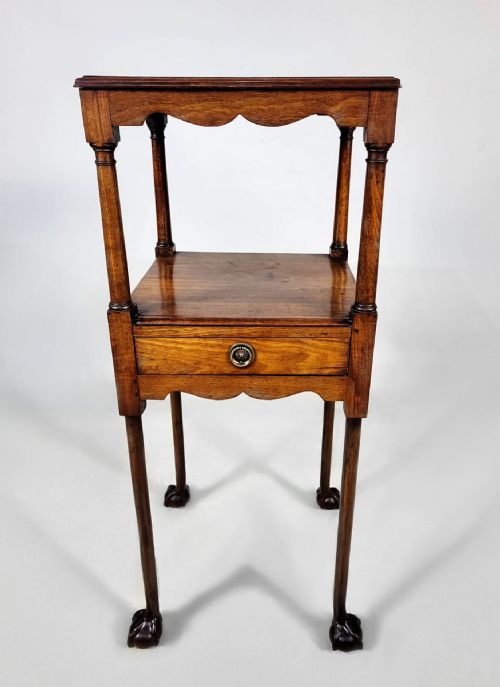
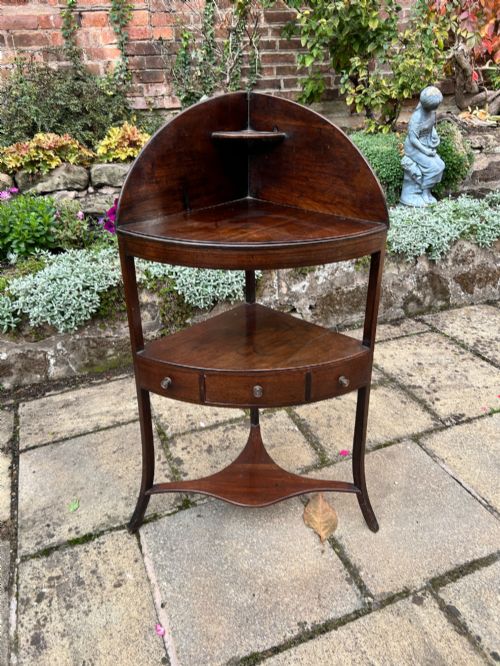
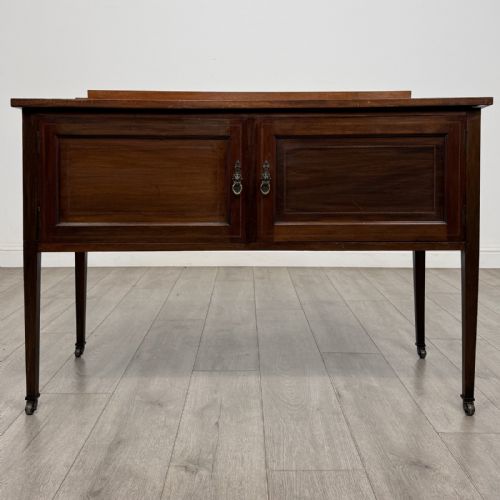
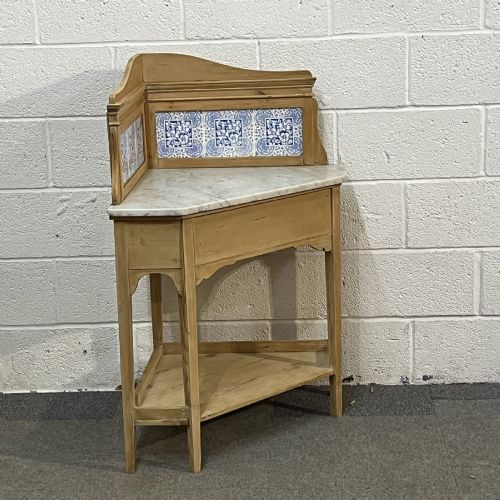
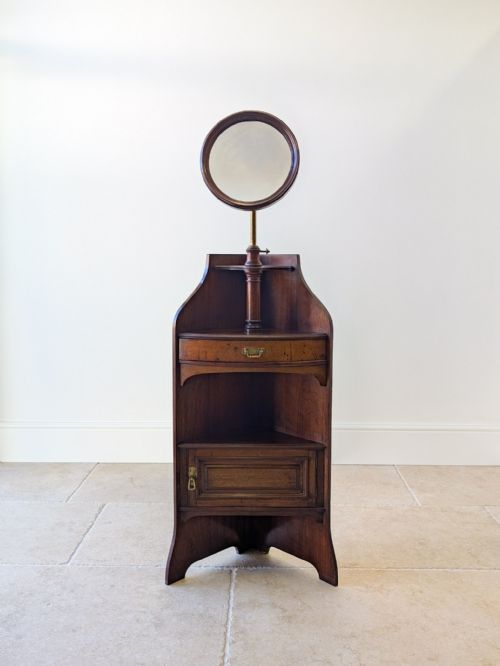
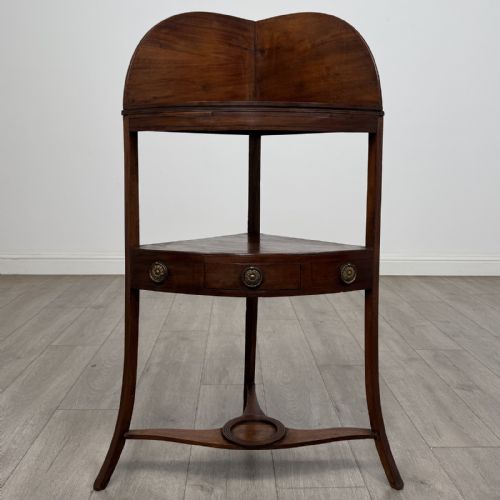
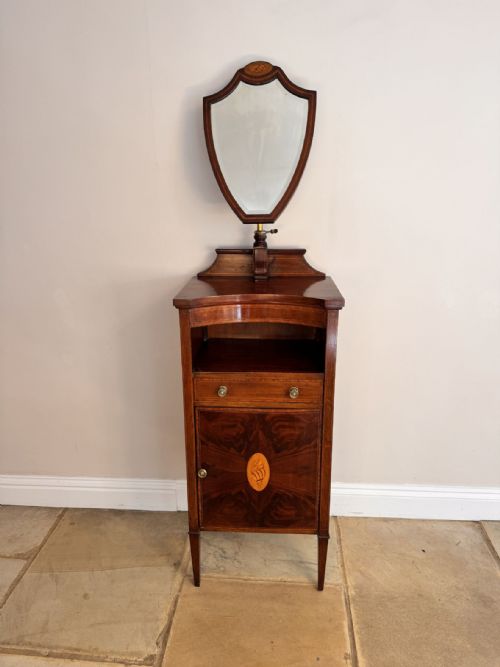
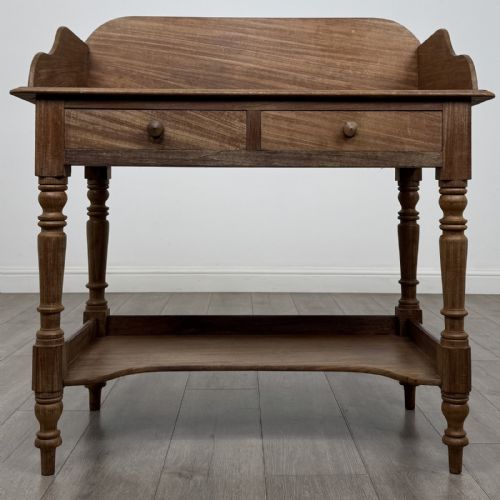
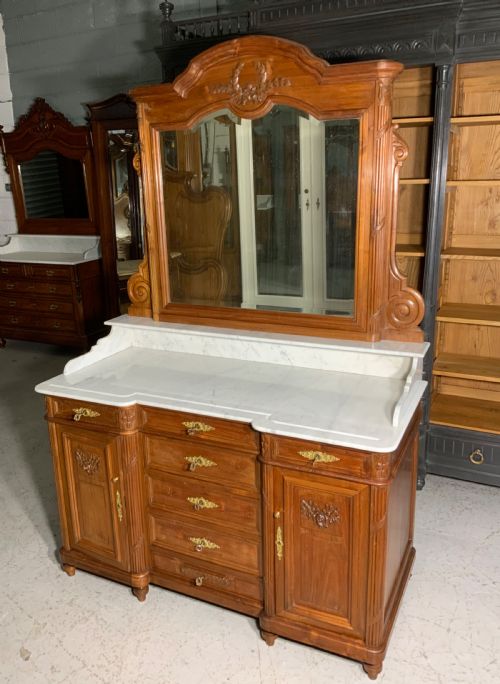
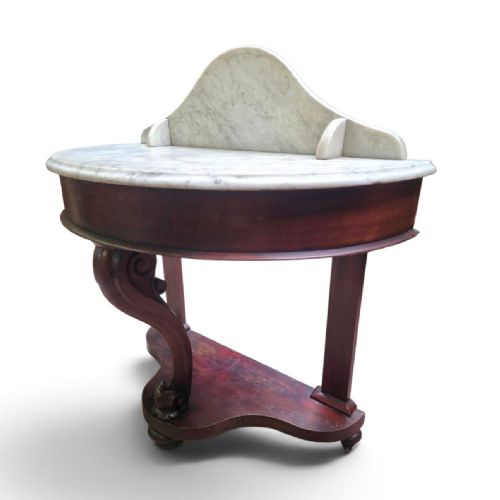
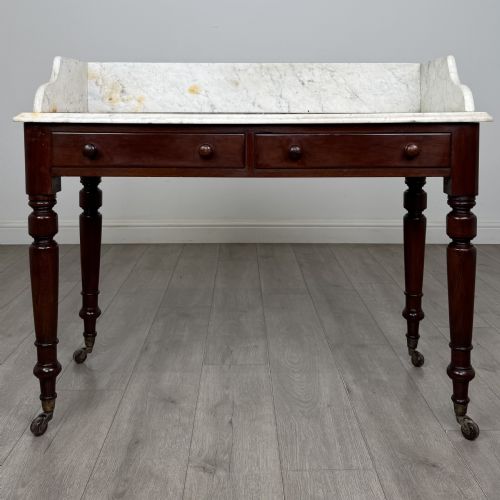
The versions most common on this page date from the Georgian, Victorian and Edwardian eras, spanning simple pine corner stands to substantial mahogany cabinetry with marble tops.
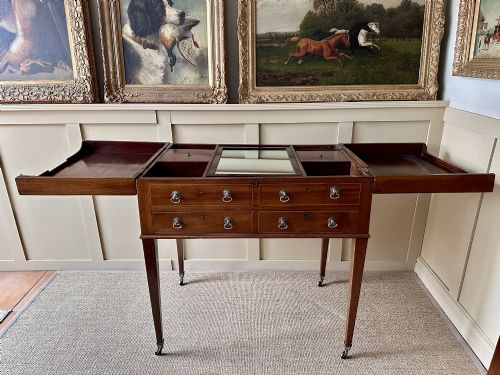
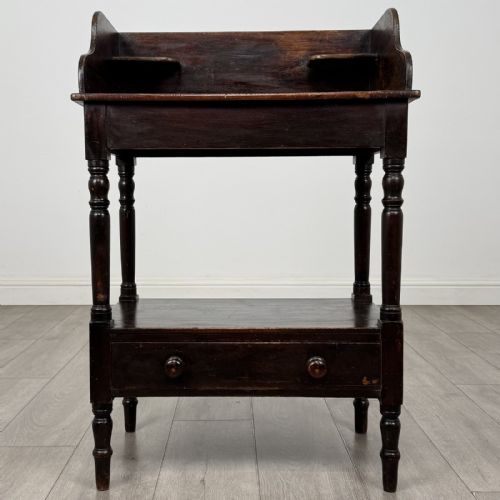
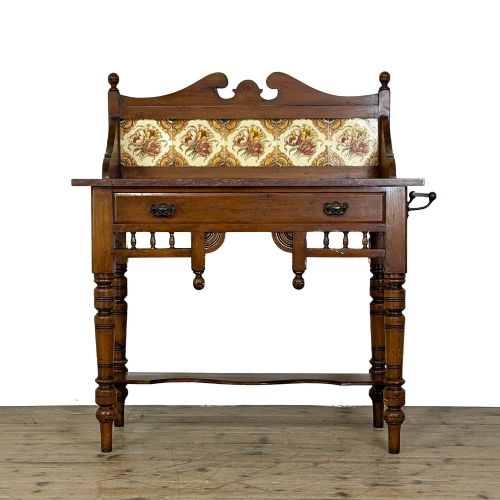
Many examples incorporate raised galleries, tiered shelves or folding tops designed to conceal basins and protect walls from splashing during morning routines.
How these pieces were made
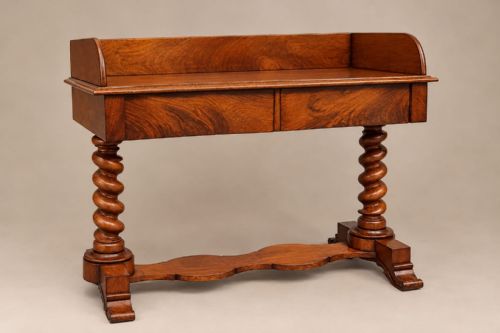
Cabinetmakers utilised dense timbers like mahogany, walnut and oak alongside softer woods such as pine to construct sturdy frames capable of supporting heavy stone surfaces.
Insets of white or coloured marble provided durable, water-resistant tops that withstood daily washing, often paired with ceramic tiles or brass fittings.
Detailing relied on boxwood stringing, fine turning, and specialised folding mechanisms that allowed compact corner units to transform for discreet storage.
Antique Furniture Washstand Retail Price Guide 2026
Typical asking prices for furniture washstand among the pieces listed under this phrase on Sellingantiques today, from the lower quarter to the upper quarter. They describe what is for sale here now, not the wider market.
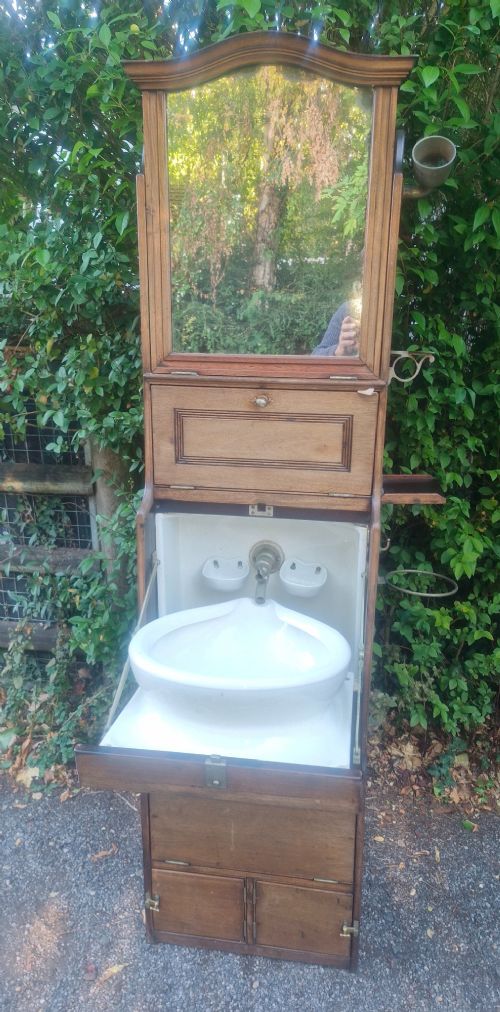
One exceptional marine vanity cabinet was built specifically with a built-in sink for use aboard a yacht or boat.
What varies in quality
The standard of timber selection and the precision of joinery determine the refinement of a washstand, separating utilitarian pine pieces from finely figured mahogany or satinwood examples.
The presence of original hardware, intact marble slabs without replacement repairs, and sophisticated folding mechanisms elevate the architectural integrity of the piece.
Flashman & Co·Walker & Sons
The Antique Furniture Washstand Glossary
- Gallery
- A raised wooden edge running along the back and sides of a washstand top to prevent water from splashing onto wallpaper.
- Ewer
- A large jug designed to hold water for washing, traditionally paired with a matching basin housed within the stand.
- Campaign washstand
- A collapsible or compact wash unit designed for travel, often featuring clever folding compartments and lightweight framing.
- Aesthetic Movement
- A late nineteenth-century design style focusing on visual beauty over strict historical revival, visible in inlaid details and ebonised finishes.
- Tiered corner stand
- A triangular piece of furniture featuring multiple stacked shelves designed to fit snugly into a room angle.
Antique Furniture Washstand: Frequently Asked Questions
What is an antique furniture washstand?
An antique furniture washstand is a dedicated wooden piece created to hold a basin and washing apparatus before modern indoor plumbing became standard in homes.
These items range from triangular corner units to marble-topped cabinets with lower storage cupboards for chamber pots and linens.
How were washstands used originally?
They served as the centrepiece for morning hygiene routines in bedrooms and dressing rooms, holding pitchers of water, soap dishes and towels.
Folding versions allowed users to close the top over the basin when not in use, converting the washstand into a standard table or cabinet.
How do I live with a washstand today?
Many people repurpose these sturdy stands as hallway side tables, bathroom vanity bases or plant stands in living areas.
Their stone or wooden surfaces easily accommodate modern decorative objects while providing enclosed storage in lower cupboards.
How do I identify different periods?
Georgian examples often feature lighter proportions with tapered legs or folding top leaves, while Victorian pieces tend to be heavier with marble tops and raised galleries.
Edwardian stands frequently incorporate simpler lines, lighter woods, and subtle inlay work reflecting turn-of-the-century tastes.