
Antique Furniture Chest
An antique furniture chest provides timeless storage, ranging from sturdy oak blanket boxes to elegant mahogany tallboys.
Antique Furniture Chest
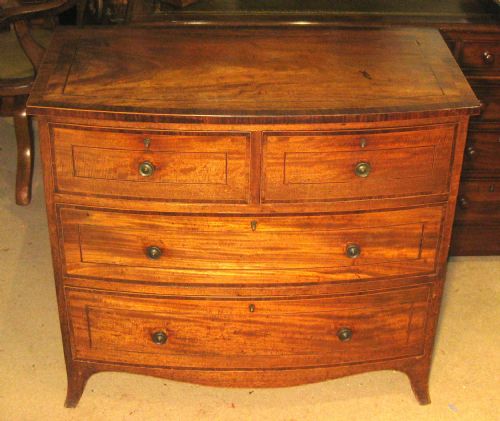
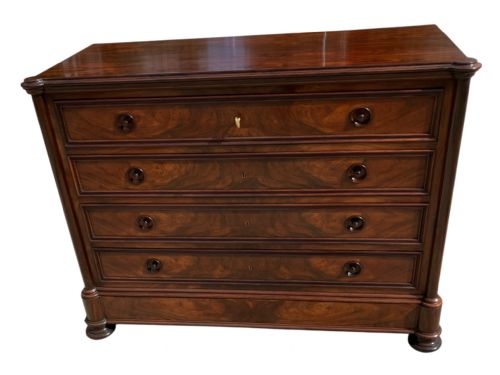
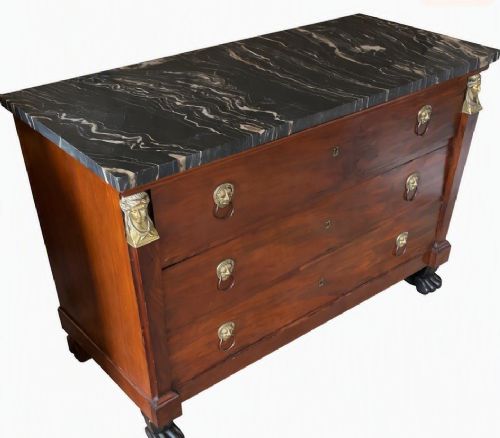
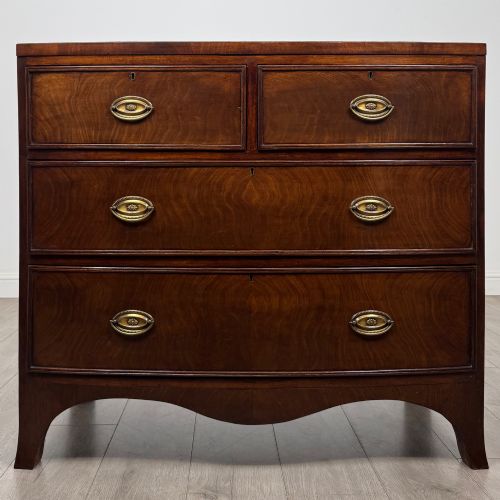
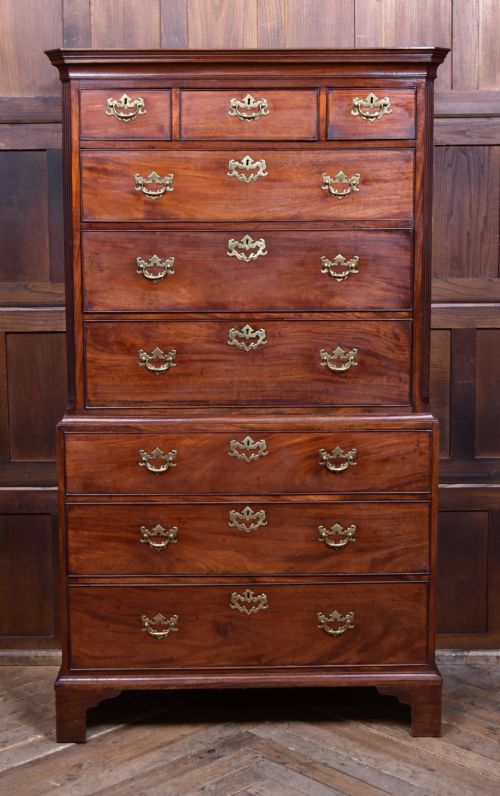
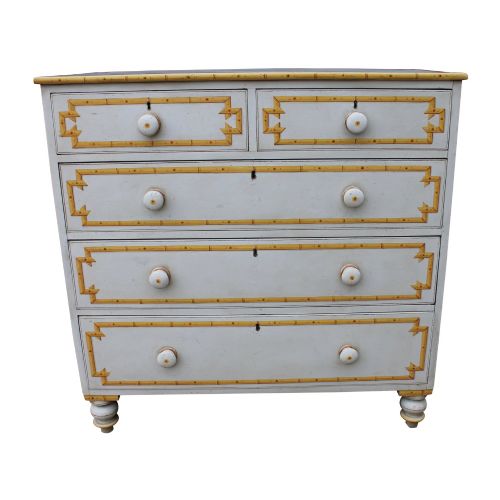
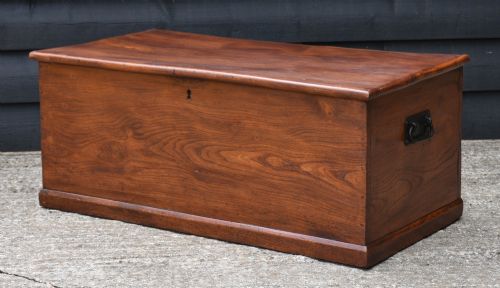
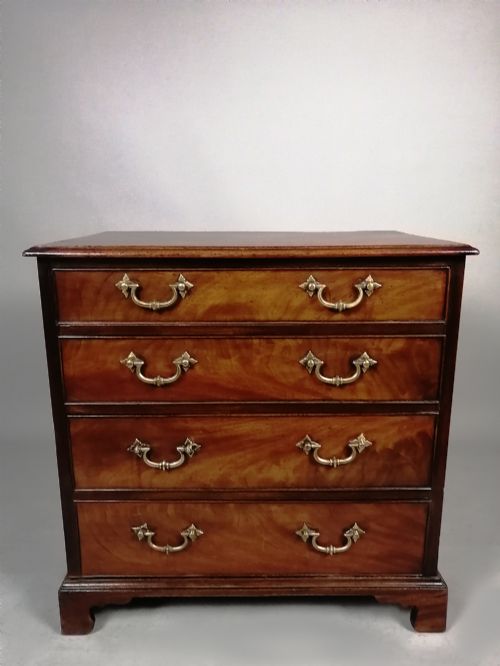
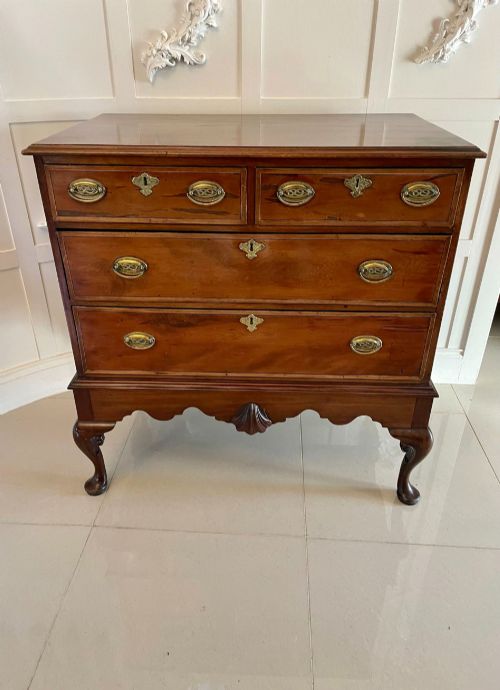
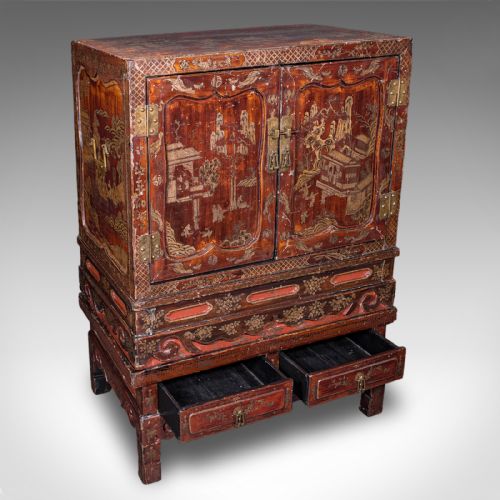
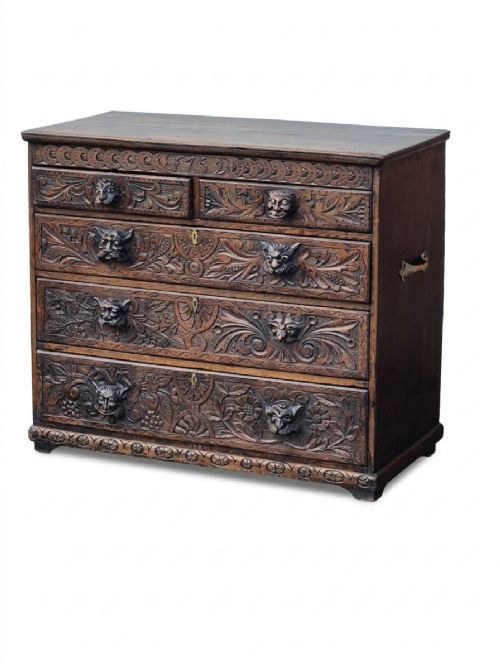
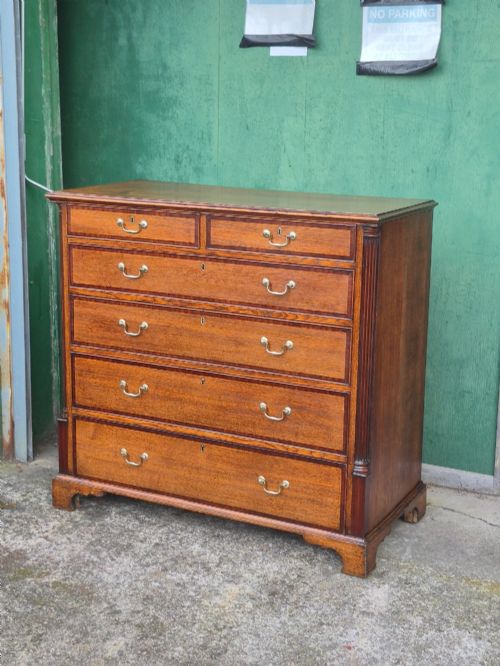
The term antique furniture chest encompasses a diverse range of storage forms, including standard chests of drawers, linen presses, blanket boxes, and towering chests on chest. Buyers searching for an antique furniture chest most commonly encounter mahogany or oak pieces from the eighteenth and nineteenth centuries.
Many examples showcase regional variations and specific stylistic periods such as Georgian, Regency, and Victorian. Form follows function closely, yielding utilitarian filing cabinets alongside highly decorative serpentine commodes and Dutch marquetry pieces.
The category extends from simple country house oak designs to sophisticated urban case furniture featuring brushing slides and secretaire drawers. Each iteration reflects the domestic requirements of its original era while offering enduring utility for modern interiors.
How they were made
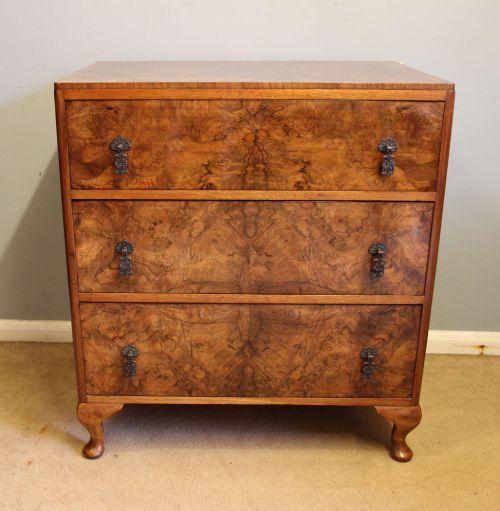
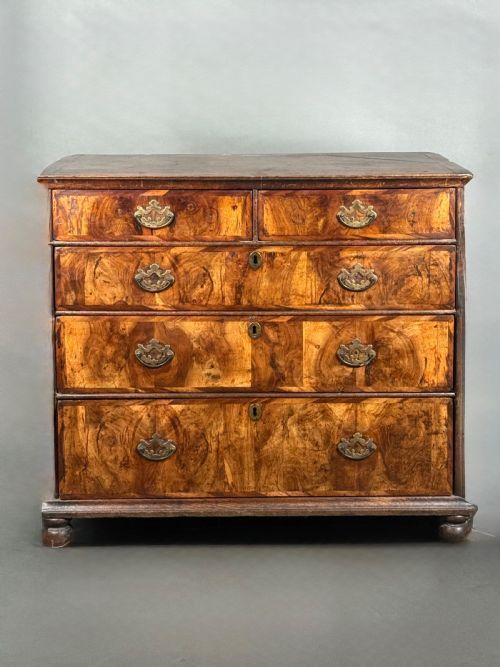
Cabinet makers utilised dense native and imported timbers, notably solid mahogany, figured walnut, and quarter-sawn oak, often enhanced by decorative veneers such as flame mahogany and burr walnut. Construction relied on tight dovetail joints for drawer frames and panel-and-frame techniques for larger carcases to accommodate seasonal wood movement.
Surfaces were finished with hand-rubbed polishes that highlighted the natural grain patterns of the timber. Drawer linings typically consist of secondary woods like pine or oak, fitted with hand-forged brass handles, escutcheons, and original pierced brasses.
Listings span seventeenth-century country oak to twentieth-century Edwardian pieces, showcasing materials like brass, mahogany, oak, walnut, and pine.
What varies in quality
Quality rests upon the selection of timber, the crispness of the cabinet work, and the preservation of original surfaces. Pieces featuring symmetrical grain matching, such as figured walnut or crossbanded burr veneers, demonstrate superior craftsmanship.
The integrity of the construction, including untouched brass hardware, smooth drawer action, and minimal timber replacement, distinguishes high-status urban furniture from utilitarian country pieces.
Whytock & Reid·T & G Seddon
The Antique Furniture Chest Glossary
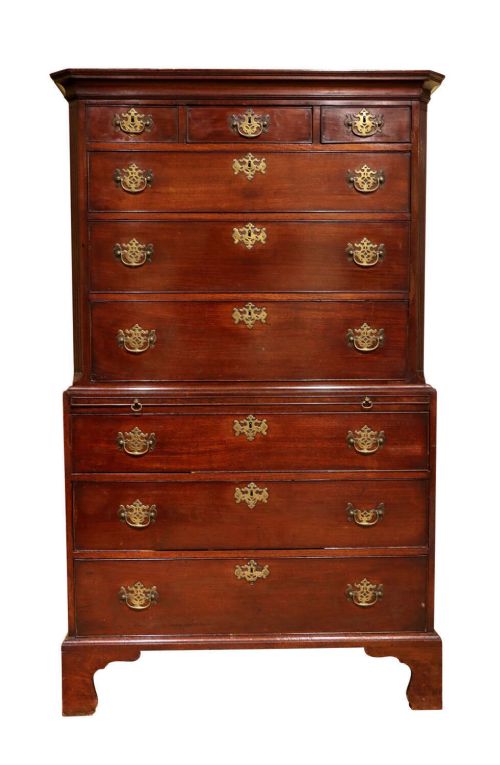
- Chest on chest
- A tall storage unit comprising one chest stacked directly on top of another, often featuring a smaller upper section.
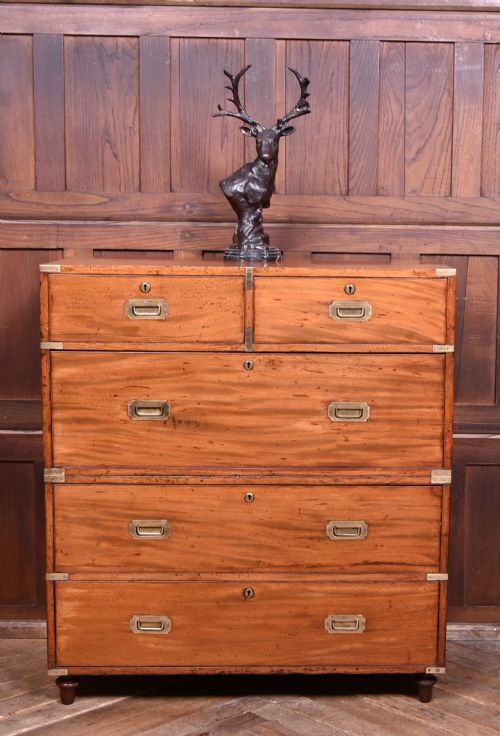
- Campaign chest
- A modular set of drawers designed to be easily dismantled and transported by military officers during the nineteenth century.
- Brushing slide
- A pull-out shelf integrated into the carcase above the drawers, traditionally used for folding clothes or writing.
- Marquetry
- Decorative veneer work forming intricate pictorial patterns using various coloured woods and organic materials.
- Commode
- A low standing cabinet or chest of drawers, frequently associated with eighteenth-century French and English design.
Antique Furniture Chest: Frequently Asked Questions
What is a chest on chest?
A chest on chest is a tall furniture piece made of two separate drawer sections placed one above the other. This form maximises vertical storage while taking up less floor space.
Such pieces often date from the Georgian period and combine functional capacity with impressive architectural proportions.
How do I identify a campaign chest?
Campaign chests feature recessed brass handles and corner brackets designed to prevent damage during military transport. They are frequently built in two sections for easy carriage.
These pieces often utilise durable timbers like mahogany and incorporate clever locking mechanisms.
Where were blanket boxes used?
Blanket boxes served as essential bedroom storage for textiles, linens, and garments before fitted wardrobes became common. Their deep interiors accommodated bulky woollen items securely.
Early examples were constructed from solid oak or elm with robust lidded tops.
How do I care for antique wood?
Antique wood benefits from stable indoor humidity and protection from direct sunlight to prevent timber shrinkage and fading. Regular dusting with a soft cloth maintains the polished surface.
Application of traditional beeswax helps nourish older finishes without building up heavy chemical residues.