


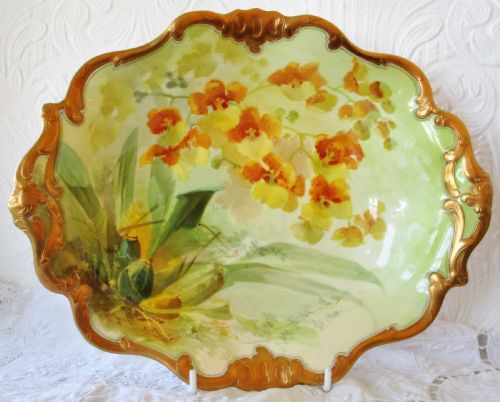


Antique Fruit Display Plate
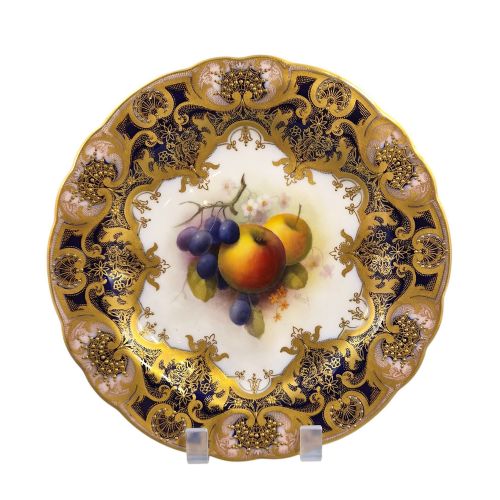
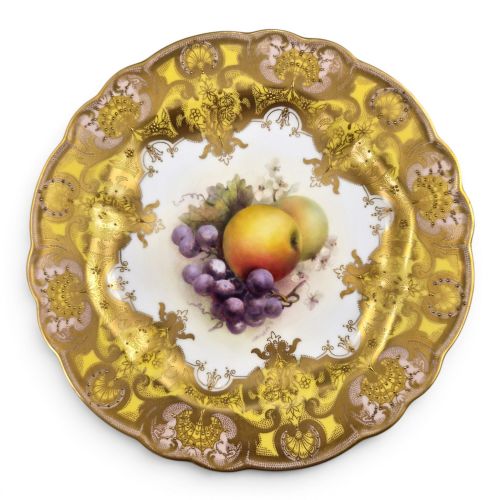
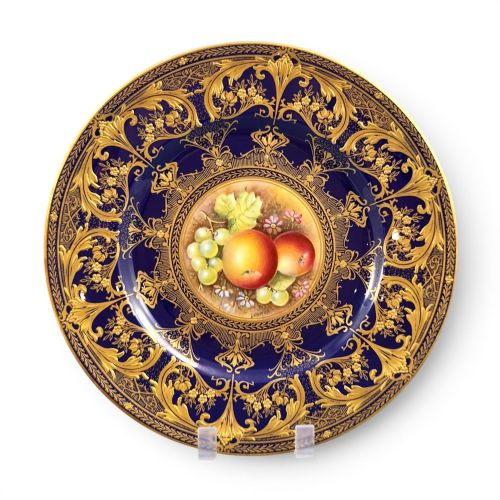
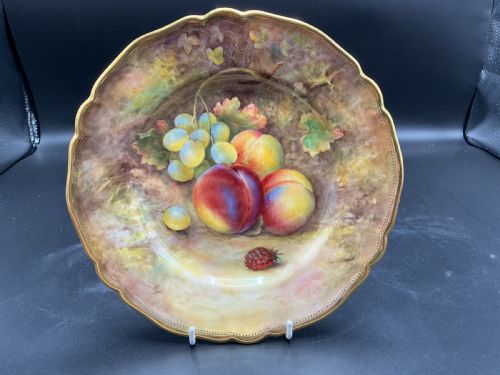
An antique fruit display plate brings rich hand-painted botanical studies and gilt ceramic forms directly to the table or cabinet.
Antique Fruit Display Plate
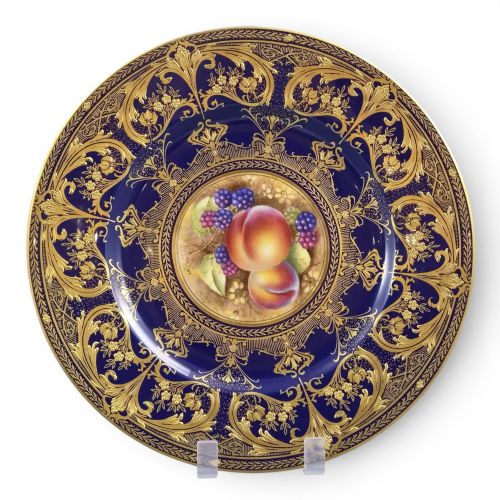
When you search for an antique fruit display plate, you are looking at fine porcelain, bone china, ironstone and ceramic dishes designed specifically for serving or exhibiting dessert and fruit. The selection ranges from individual cabinet plates to large dessert services, comports and centrepieces spanning the Georgian, Victorian, Edwardian and mid-twentieth-century periods.
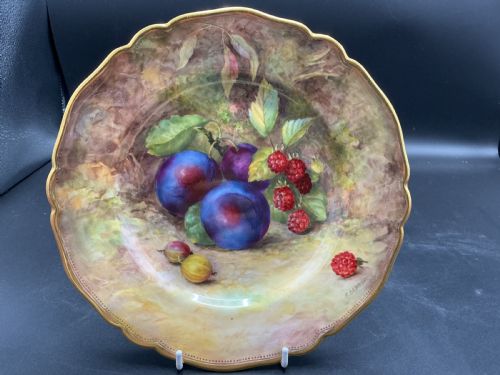
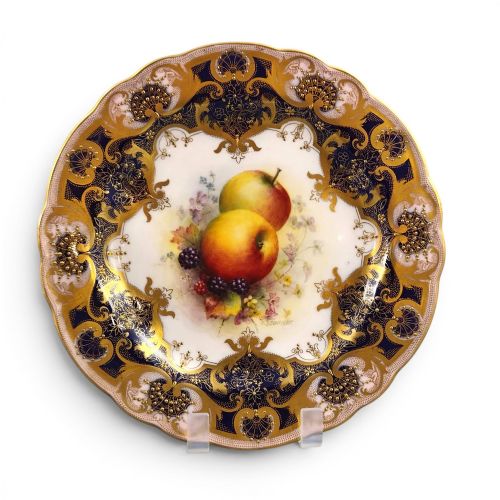
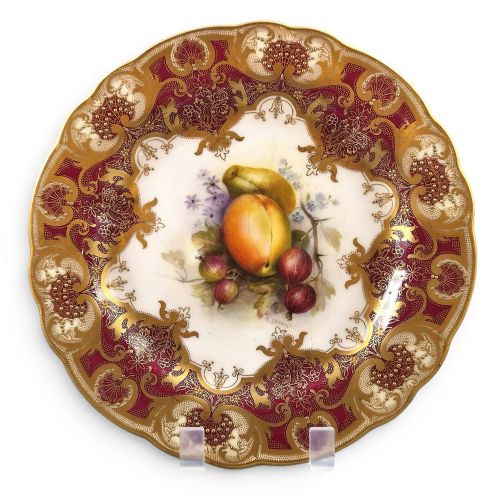
The most common forms you will meet on this page are hand-painted porcelain cabinet plates from makers like Royal Worcester, alongside Japanese Imari platters and English earthenware services. These pieces often feature detailed botanical, floral or fruit motifs executed by notable artists, making them distinct from standard dinnerware.
Materials and methods
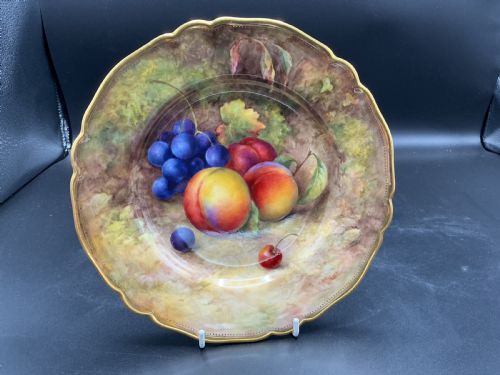
These pieces rely on high-grade porcelain, bone china, earthenware and ceramic bodies shaped into plates, dishes, tazzas and epergnes. Makers applied meticulous hand-painting techniques using fine mineral pigments to render realistic fruit and botanical studies directly onto the glazed surface.
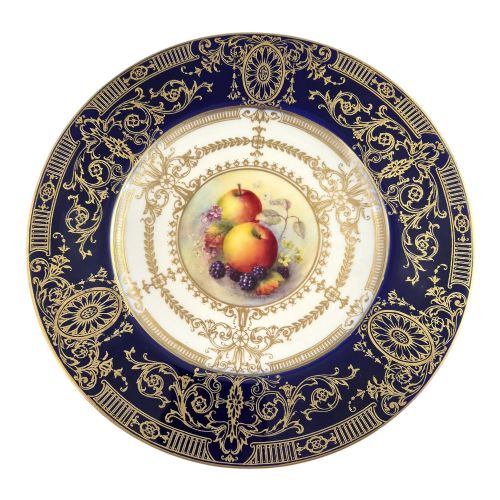
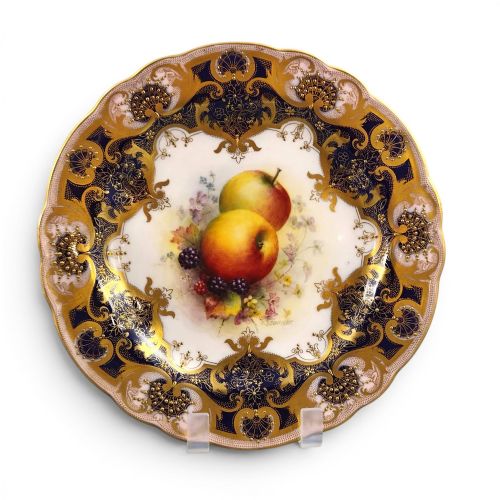
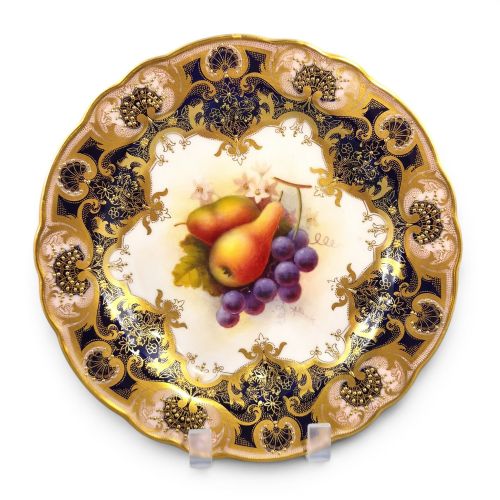
Many examples incorporate elaborate surface enrichment through gold leaf, gilding, gilt enamel and heavy silver plating over bronze or Sheffield plate. These metallic accents frame the central painted reserves, adding rich contrast to the ceramic or glass bodies.
Antique Fruit Display Plate Retail Price Guide 2026
Typical asking prices for fruit display plate among the pieces listed under this phrase on Sellingantiques today, from the lower quarter to the upper quarter. They describe what is for sale here now, not the wider market.
Listings feature pieces spanning from the Georgian era through the Victorian and Edwardian periods up to the mid-twentieth century.
Judging the work
Quality rests primarily on the skill of the painting and the reputation of the decorator or pottery. Pieces featuring signed work by recognised artists display superior brushwork, depth of colour and botanical accuracy compared to standard factory output.
The sophistication of the framing elements, such as intricate gilding, raised gold tooling, rope edge mouldings and heavy porcelain bodies, distinguishes standard utility wares from exhibition-grade cabinet pieces created for display.
Royal Crown Derby·Royal Worcester·Royal Doulton·Derby Porcelain·Kornilov Brothers·Masons Ironstone
The Antique Fruit Display Plate Glossary
- Cabinet plate
- A decorative ceramic plate intended purely for display in a cabinet or on a wall rather than for practical dining use. These often feature elaborate hand-painted scenes and rich gilding.
- Comport
- A raised dish or bowl on a short stem or foot, used historically for serving fruit or dessert as part of a grand table service. It forms the centrepiece of matching dessert sets.
- Tazza
- An ornamental shallow cup or plate mounted on a pedestal stem, frequently fashioned from silver-plated metal, glass or ceramic. It functions as a dramatic centrepiece for fruit display.
- Imari
- A traditional Japanese stylistic influence featuring distinctive blue, iron red and gilt decoration on a white ceramic ground. Victorian makers frequently adopted this palette for decorative plates.
- Epergne
- A large table centrepiece featuring a central basket or dish surrounded by multiple branching arms holding smaller dishes for fruit or sweetmeats.
Antique Fruit Display Plate: Frequently Asked Questions
What is a fruit display plate used for?
Historically, these plates formed part of a dessert service used at the conclusion of a formal meal to serve fresh fruit, nuts or sweetmeats. Today, collectors primarily display them in cabinets or mount them on walls to showcase their artistic painting.
Because they were made for elite dining or decorative display, they bypass everyday functional wear and remain preserved as standalone works of ceramic art.
How do I identify the maker of a plate?
Makers marked their pieces using impressed, printed or hand-painted backstamps on the underside of the ceramic body. These marks often include specific date ciphers, registration numbers or factory names that reveal the exact period of manufacture.
In addition to factory marks, high-end cabinet plates frequently bear the signature or initials of the specialist artist who hand-painted the fruit or botanical study.
Are these plates safe for serving food?
While these pieces were originally functional tableware, antique ceramic surfaces and older metallic gilding can be sensitive to modern culinary use and acidic foods. Hand-washing in lukewarm water is essential to protect the fragile enamels and gold leaf from deterioration.
Most collectors treat antique cabinet plates and epergnes as decorative display objects rather than putting them back into active dining rotation.
What is the difference between a cabinet plate and a dinner plate?
Cabinet plates are created strictly for visual appreciation, featuring intricate, unshielded hand-painted artwork and delicate gilding that would quickly wear away during daily meals. Standard dinner plates are engineered for heavier practical use with tougher glazes.
You will notice that fruit display plates often include decorative rims, rope edges or irregular shapes unsuited for stacking on a standard dinner table.
How do I date a Victorian fruit plate?
Dating relies on examining the factory backstamps, ceramic paste characteristics, and stylistic clues such as the specific floral palette or heavy gilding typical of the nineteenth century. Many British potteries stamped their wares with specific year codes or registry diamond marks.
Comparing the painting style and artist signatures against known factory records provides a reliable window into the decade of production.