

Antique Fruit Dishes
These antique fruit dishes span centuries of fine porcelain, sterling silver, and carved oak craftsmanship.
Antique Fruit Dishes
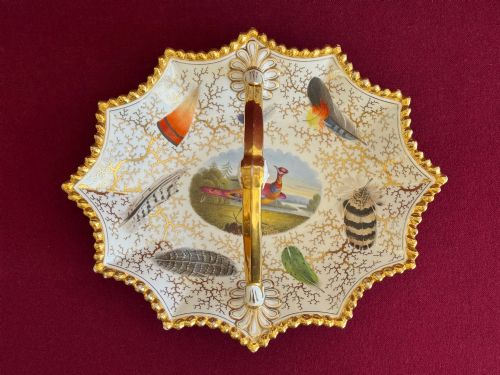
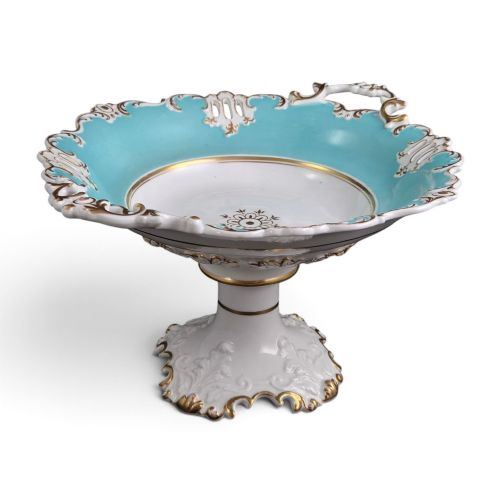
When searching for antique fruit dishes, buyers encounter a diverse selection of decorative bowls, cabinet plates, tazzas, and pierced baskets designed to hold fruit. The forms range from nineteenth-century porcelain plates painted with fruit to solid sterling silver tazzas and heavy bronze centrepieces.
Victorian and Edwardian examples predominate on this page, alongside earlier eighteenth-century Chinese porcelain and later twentieth-century earthenware pieces. Makers utilised various traditional vessel types, including pedestal bowls, footed comports, and handled baskets.
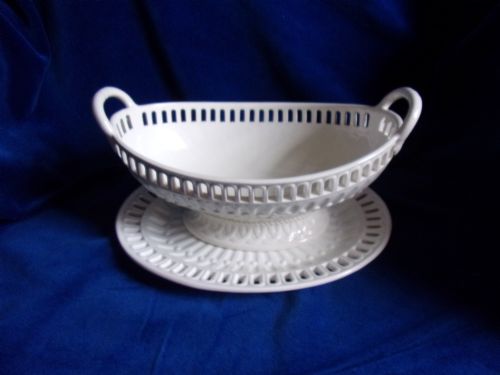
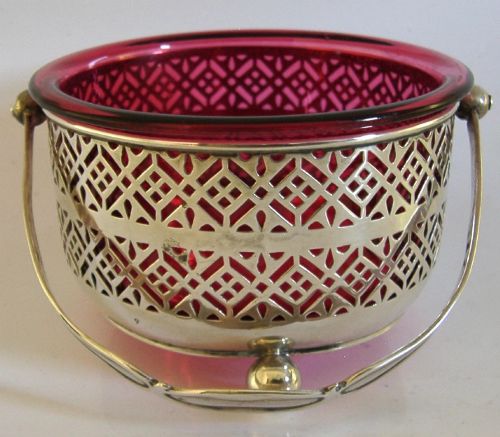
The objects serve primarily as table ornamentation or centrepieces, often shaped as shell edges, reticulated chestnut baskets, or swing-handled containers. Each piece reflects the dining customs and decorative styles of periods from the Georgian era through to the mid-twentieth century.
How they were made
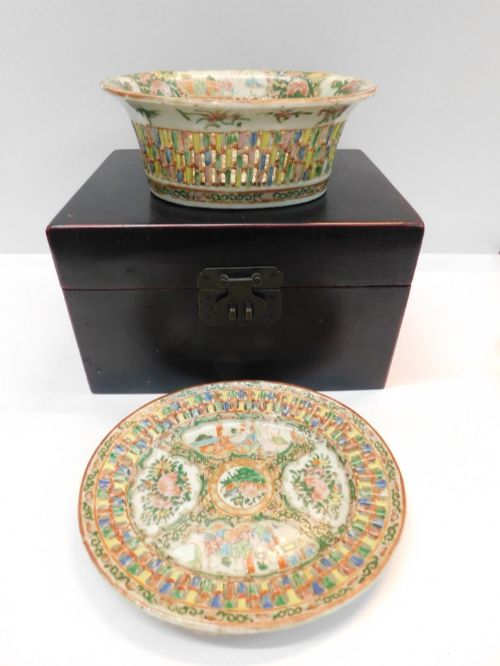
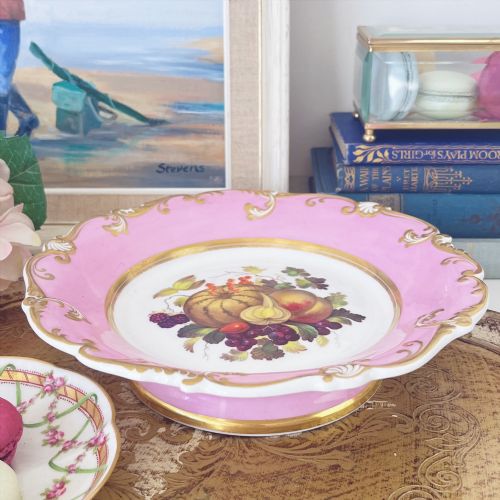
Potters and porcelain makers shaped fine bone china, creamware, and earthenware into bowls and cabinet plates, frequently applying hand-painted fruit motifs, enamels, and gold gilding. Many porcelain works feature reticulated or pierced lattice patterns formed in the wet clay before firing.
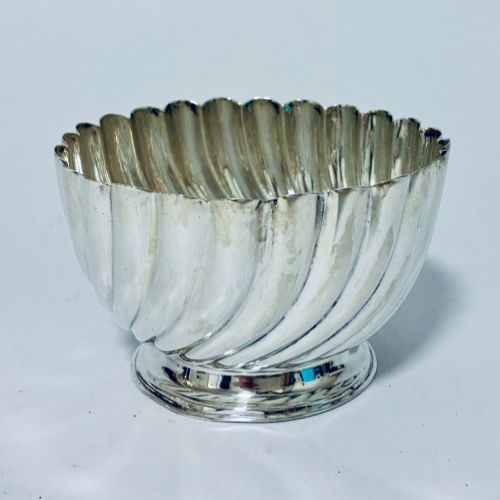
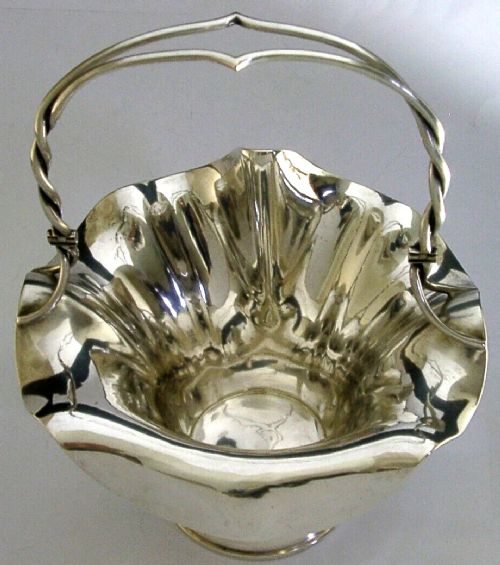
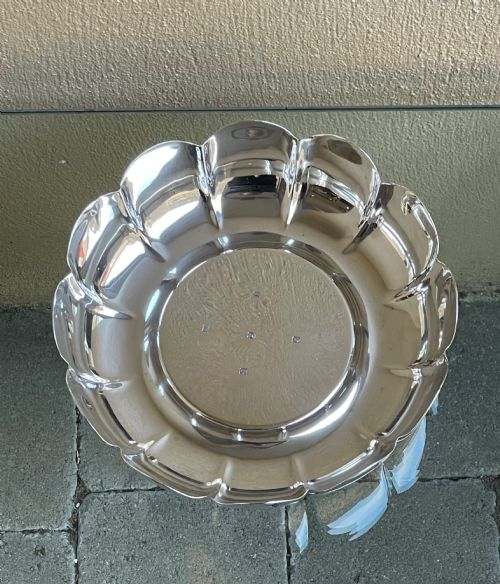
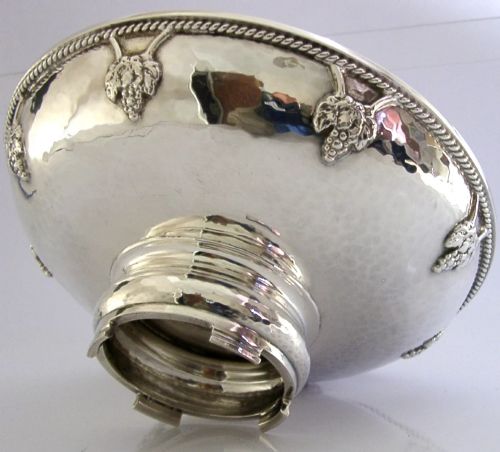
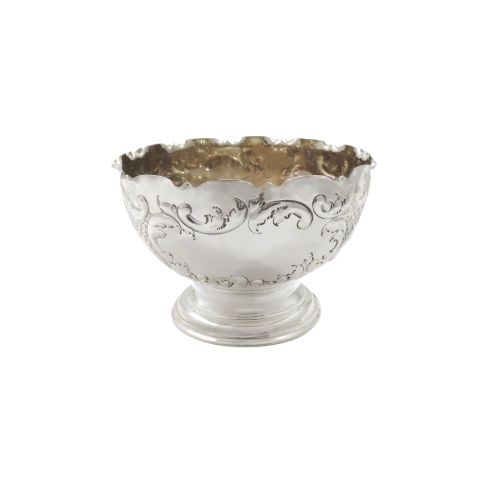
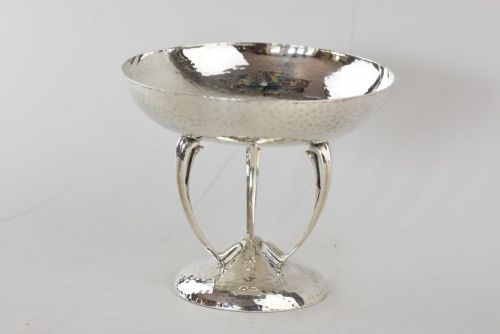
Silversmiths and metalworkers hammered, cast, and pierced sterling silver, silver plate, and pewter to create solid bowls, pedestals, and swung handles. Pieces such as Arts and Crafts tazzas show distinct planished hammer marks across their metal surfaces.
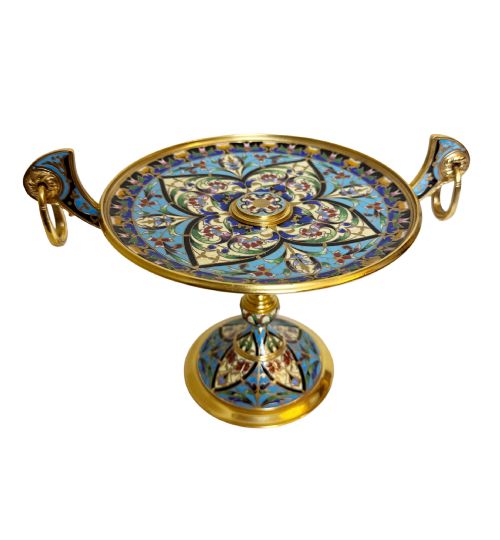
Other workshop techniques combine cut crystal glass with cast gilt bronze, ormolu mounts, and champlevé enamel work. Cabinet plates often display meticulous hand-painted artistry signed by individual porcelain painters.
Listings feature porcelain, sterling silver, silver plate, and crystal across the Victorian, Edwardian, and Art Deco periods.
What varies in quality
The standard of painting on porcelain cabinet plates creates a clear distinction between ordinary production and top-tier artistic execution. Plates bearing signed work by known porcelain artists display far greater nuance in colour and detail than standard factory decoration.
Metal vessels vary according to the weight of the silver, the complexity of the pierced or hammered work, and the integrity of the cast mounts. Solid sterling silver and heavy gilt bronze centrepieces represent superior manufacturing compared to lighter silver-plated wares.
The crispness of moulded details, such as carved vine decoration on oak bowls or reticulated patterns in porcelain baskets, separates fine craftsmanship from simpler utilitarian objects.
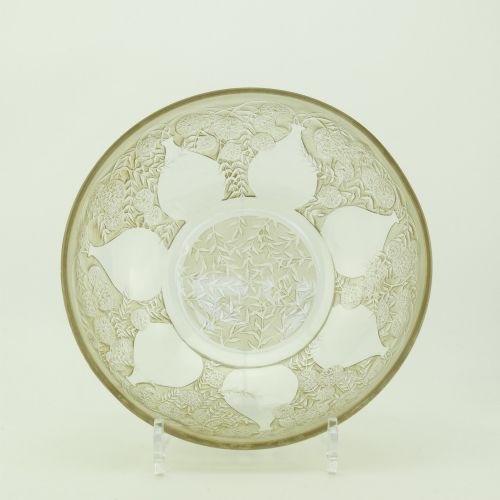
Coalport·H and R Daniel·Rene Lalique·Flight Barr and Barr·Royal Worcester·Davenport·Goldsmiths and Silversmiths Company·George W Scott and Sons Ltd·Liberty and Co·Oliver Baker
The Antique Fruit Dishes Glossary
- Tazza
- A shallow ornamental bowl or plate set upon a footed pedestal. These pieces function well as elevated centrepieces on a dining table.
- Comport
- A footed dish or bowl used for serving fruit or sweetmeats. The form lifts the food above the surface of the main table.
- Reticulated
- Decorated with an openwork net or lattice pattern. Makers achieved this effect by cutting or piercing the ceramic clay before firing.
- Planished
- Hammered with a rounded tool to create a smooth, textured surface on metalwork. This technique leaves a distinctive finish characteristic of Arts and Crafts silver.
- Imari
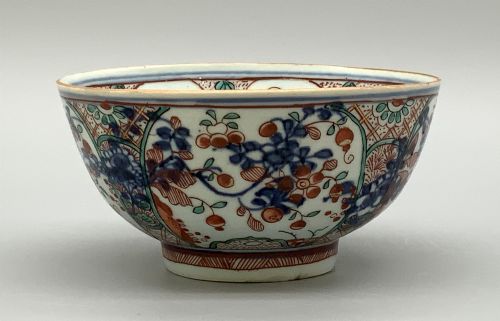
- A style of Japanese porcelain decorated in underglaze blue and contrasting overglaze red, green, and gold. The tradition influenced numerous European ceramic factories.
Antique Fruit Dishes: Frequently Asked Questions
What is a tazza used for?
A tazza is an elevated shallow vessel historically used to serve fruit, nuts, or confectionery at formal meals. Its raised pedestal format allows the dish to serve as a decorative centrepiece on a dining table.
In modern settings, these pieces function effectively to display arrangements of fruit or as standalone decorative objects on sideboards.
How do I care for silver fruit dishes?
Sterling silver and silver-plated dishes require gentle cleaning with appropriate silver polish to remove tarnish without abrading the metal surface. Acidic fruits should not be left in silver vessels for extended periods to avoid surface pitting.
When handling antique silver or plated items, soft cloths prevent scratching and help preserve the original finish.
Are cabinet plates meant for eating?
Cabinet plates are decorative items intended for display rather than everyday dining use. Many feature delicate hand-painted enamel or gilded surfaces that can wear away with regular food contact and washing.
These pieces are typically showcased on plate stands or hung securely on walls as works of art.
How can I date an antique porcelain bowl?
Dating porcelain involves examining the maker marks, backstamps, and painted signatures stamped or written on the underside of the ceramic base. Stylistic details, such as the palette used in hand-painted fruit motifs or specific Victorian and Edwardian registry marks, provide further chronological clues.
Comparing the potting technique and glaze characteristics with documented factory production periods helps narrow down the year of manufacture.