

Antique Frosted Glass
Antique frosted glass pieces bring a soft, diffused light and tactile depth to a room through centuries of decorative lighting and glassware.
Antique Frosted Glass
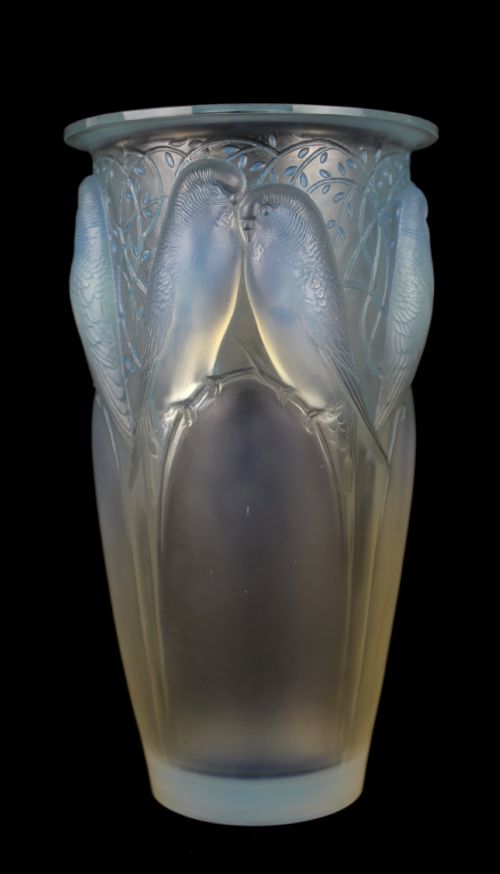
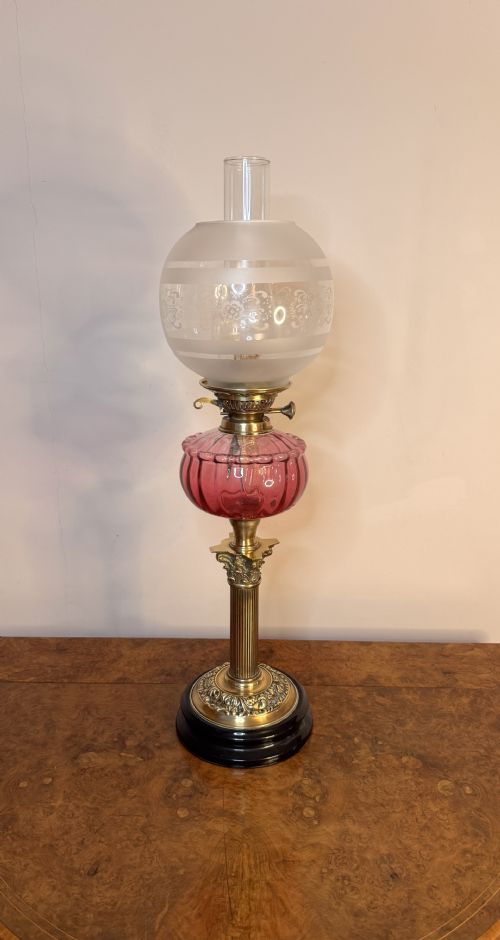
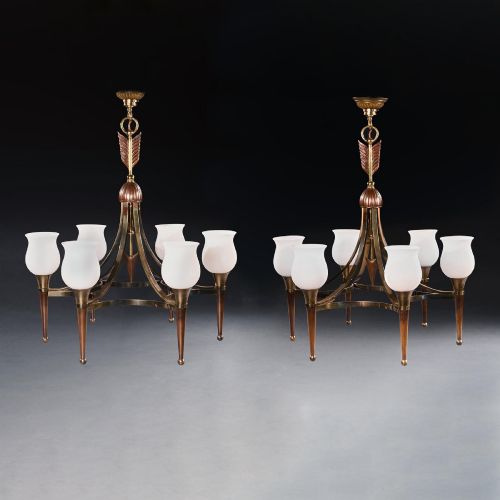
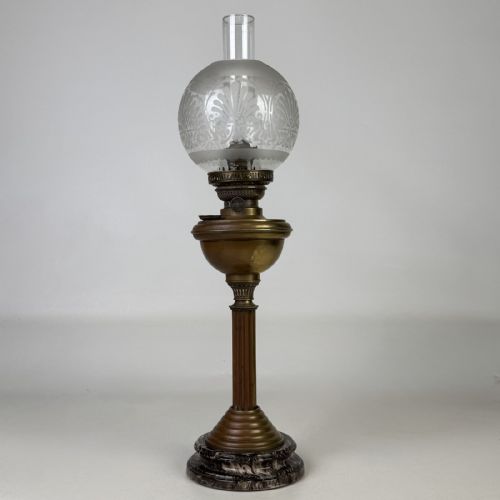
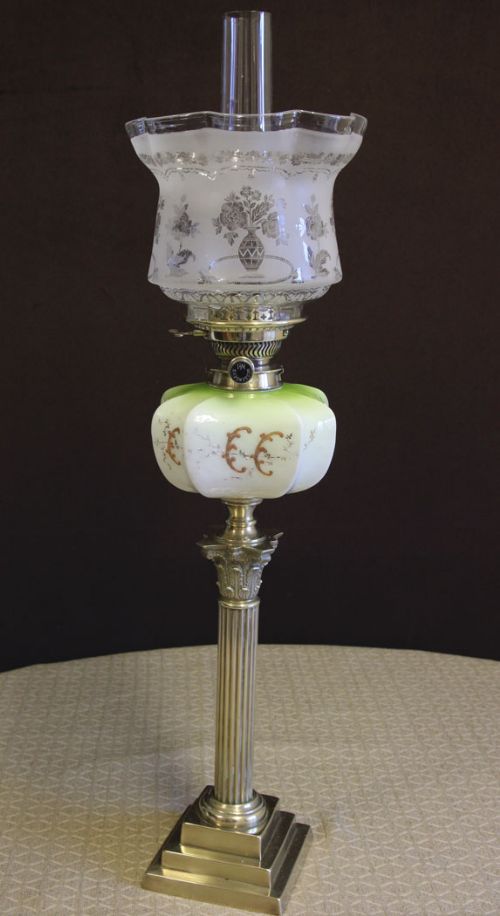
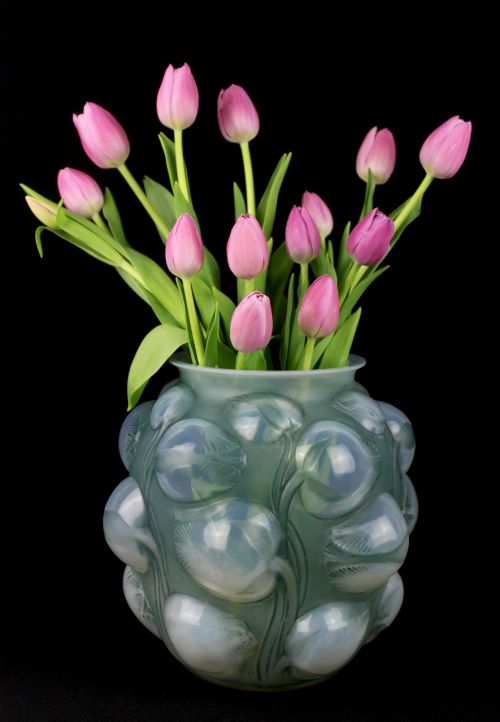
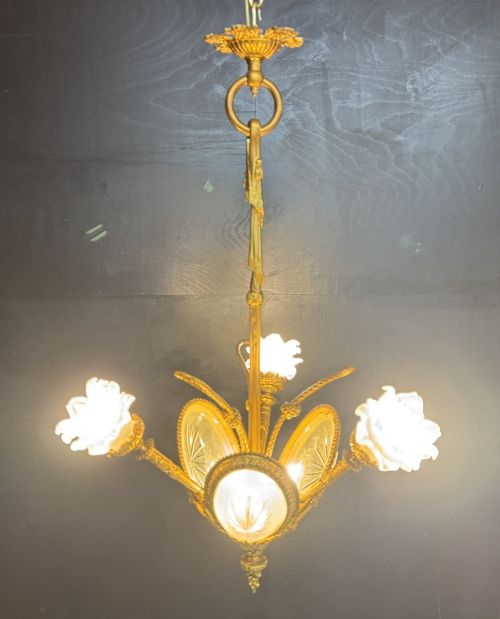
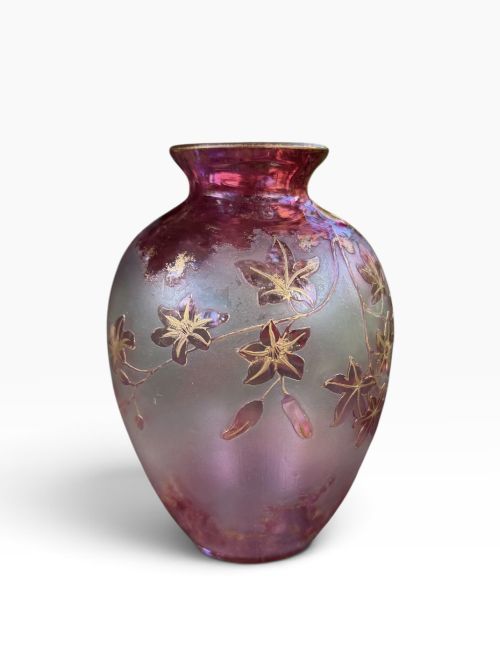
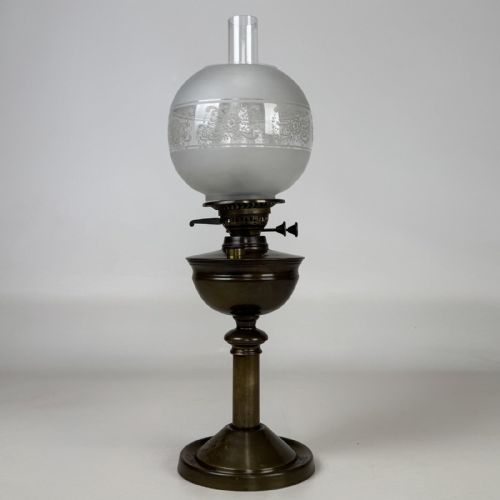
Antique frosted glass spans functional lighting, decorative vessels, and dressing table accessories from the nineteenth century through the Art Deco period. Pieces take the form of vases, oil lamps, ceiling lights, chandeliers, and decorative bowls.
How they were made
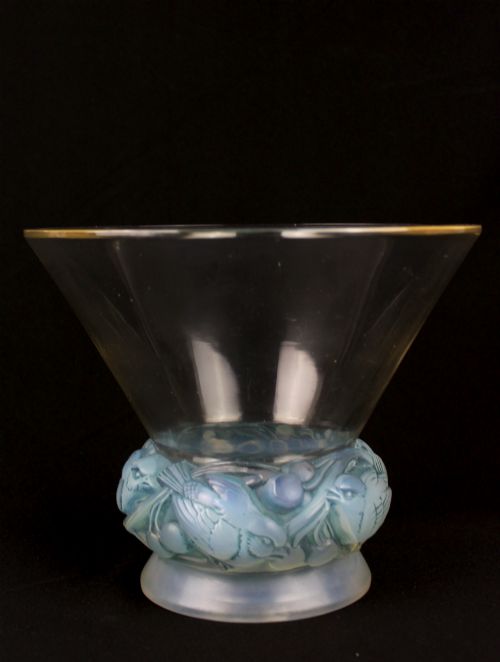
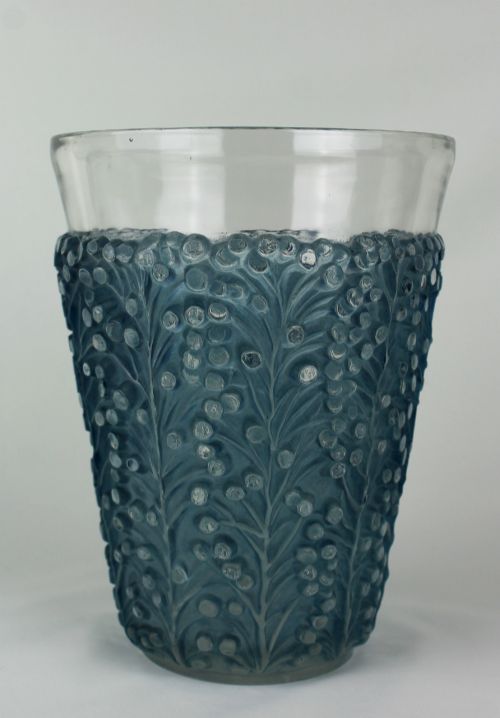
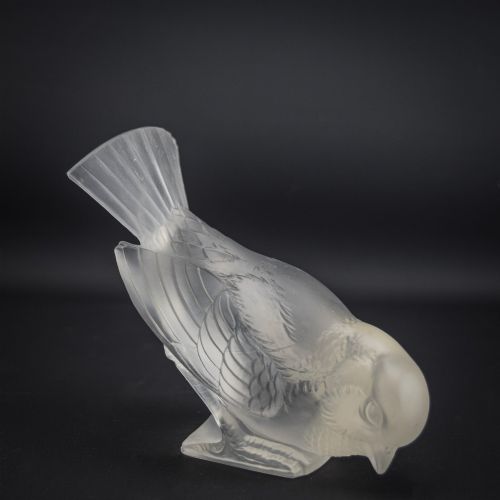
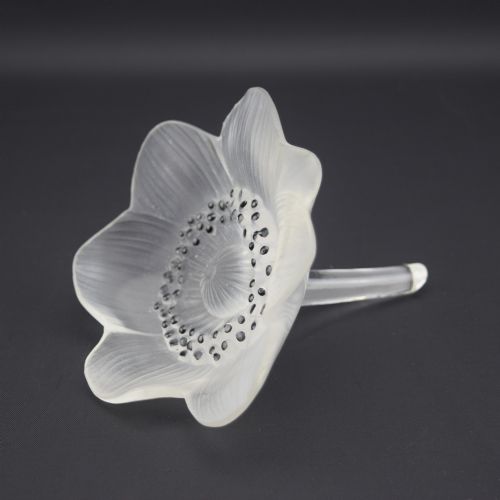
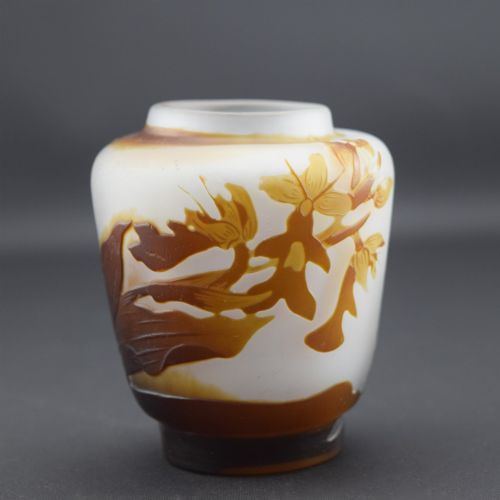
Makers utilised techniques such as acid-etching, wheel-carving, and cameo layering to achieve the characteristic opaque surface texture on glass. These glass bodies are frequently mounted in brass, gilt bronze, chrome, or silver frames.
Designers combined frosted or opaque glass with metalwork fixtures ranging from simple brackets to elaborate ormolu mounts and chandeliers.
Antique Frosted Glass Retail Price Guide 2026
Typical asking prices for frosted glass among the pieces listed under this phrase on Sellingantiques today, from the lower quarter to the upper quarter. They describe what is for sale here now, not the wider market.
Listings feature items produced across the Victorian, Edwardian, Art Nouveau, and Art Deco periods, utilising brass, bronze, and silver mounts.
What varies in quality
Quality rests on the crispness of the glass treatment and the integration between the glass component and its metal mount. Superior pieces display finely detailed acid-etching or cameo relief work that holds distinct contours.
The weight of the glass and the execution of associated metalwork, whether cast brass or chased bronze, separate standard production items from masterworks.
Georg Adam Scheid·Daum·D’Argental·Degué·Rene Lalique·Émile-Jacques Ruhlmann·Osler·Maison Jansen·Andre Arbus
The Antique Frosted Glass Glossary
- Cameo glass
- Glass formed with multiple layers of different coloured glass fused together, then carved or etched to create a raised design. This technique allows for high contrast between the background and the foreground motif.
- Acid-etched glass
- Glass treated with acid to eat away the surface, producing a frosted or textured finish. Makers used this method to create intricate patterns without manual carving.
- Duplex oil lamp
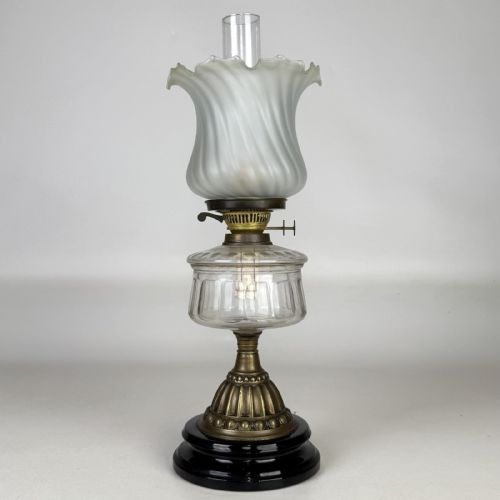
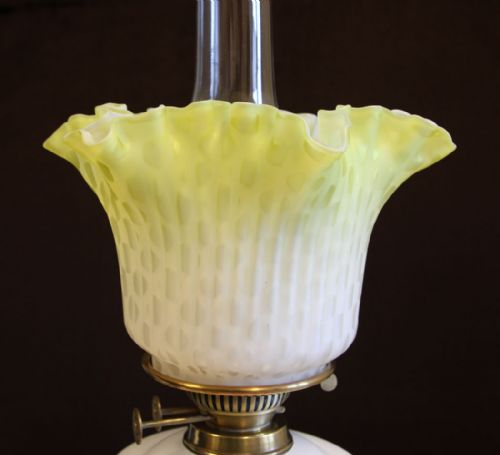
- A nineteenth-century lamp type utilising a double-wick burner to produce a brighter flame. These lamps commonly support frosted or etched glass shades.
- Ormolu
- Gilt bronze mounted on decorative objects and lighting fixtures. The finish provides a rich gold appearance that complements frosted glass elements.
- Epergne
- A centrepiece stand featuring multiple detachable branches and baskets for fruit or flowers. Antique examples often incorporate frosted or opaque glass components.
Antique Frosted Glass: Frequently Asked Questions
How do I clean antique frosted glass?
Wash the glass gently in lukewarm water using a mild, non-abrasive soap and a soft cloth. Avoid harsh chemical cleaners that might damage the textured surface.
Dry the piece thoroughly with a lint-free towel to prevent water spots from forming on the delicate frosted finish.
Can I convert an old oil lamp for electricity?
Many Victorian oil lamps are adapted for modern electrical wiring to serve as table lamps while retaining their original frosted shades.
Consult a professional restorer to ensure any conversion preserves the structural integrity of the brass column and glass components.
How do I date Art Deco glass?
Examine the piece for stylistic indicators such as geometric motifs, stepped forms, and specific signatures associated with interwar designers. The integration of chrome or coloured glass often points towards the nineteen-twenties and thirties.
Compare the manufacturing technique and signature style against documented works from prominent interwar glassworks.
What is cameo glass?
Cameo glass is created by fusing layers of contrasting glass colours together and carving away the outer layer to leave a raised design. This method requires precise handwork by skilled artisans.
Signed pieces from this tradition display distinct depth and tonal variation across the frosted or polished surfaces.