



Antique Frieze Drawer Desk
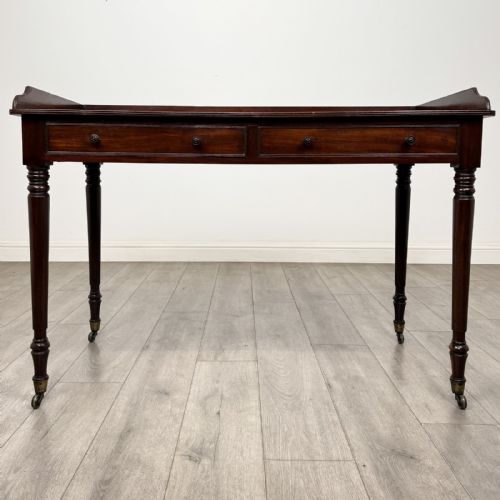
An antique frieze drawer desk offers practical writing space paired with period timber construction.
Antique Frieze Drawer Desk
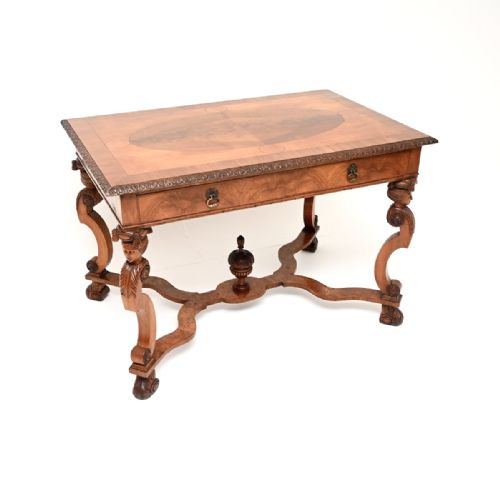
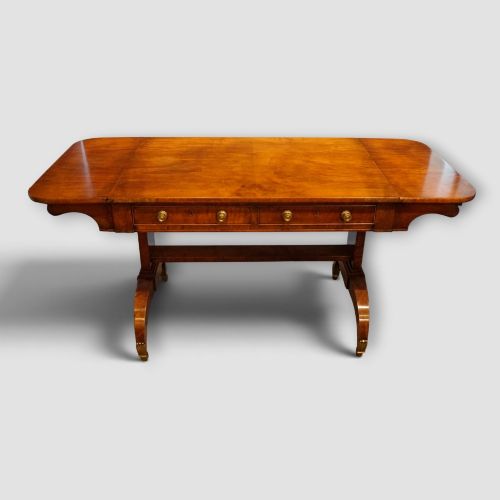
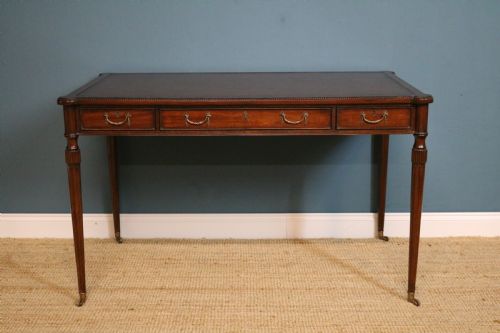
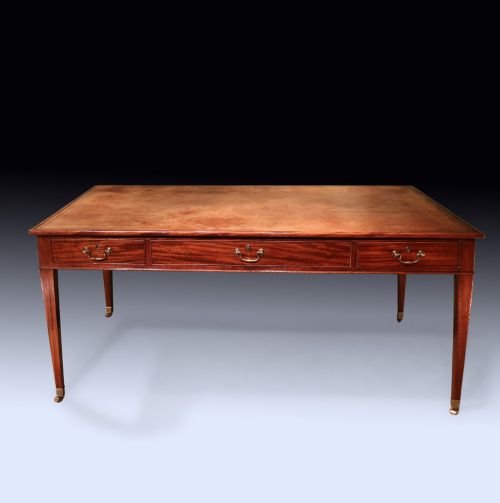
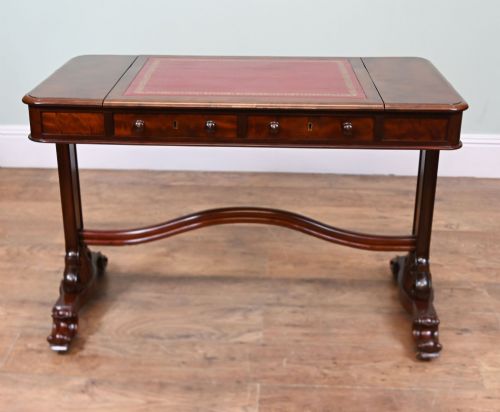
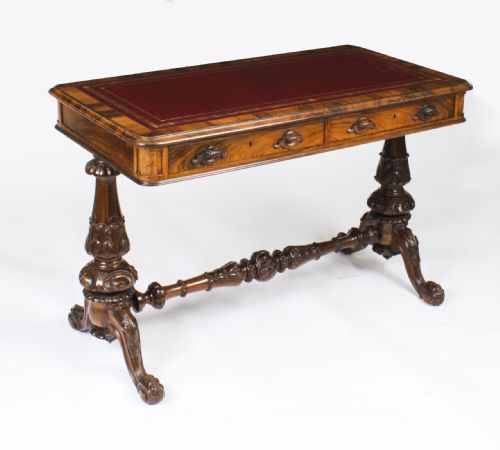
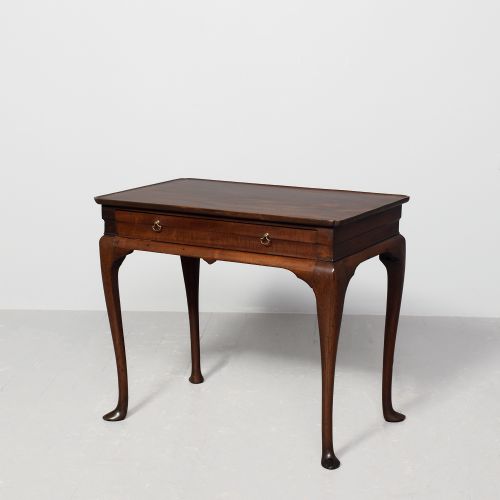
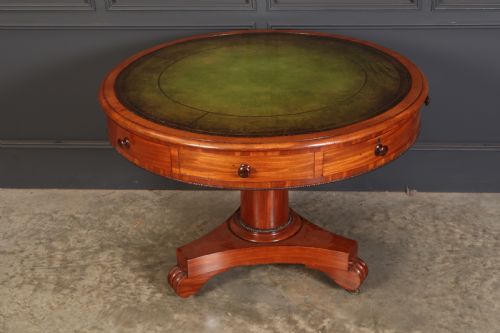
An antique frieze drawer desk provides a stable surface for correspondence and study while incorporating storage directly beneath the top. Pieces span centuries of design, with particular representation from the 19th Century, Regency, and Victorian periods.
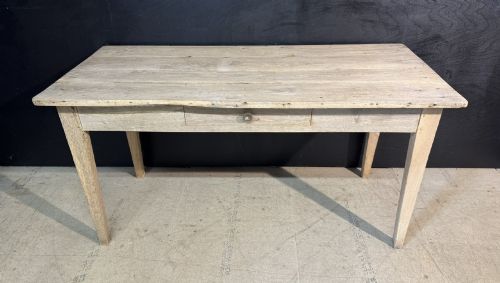
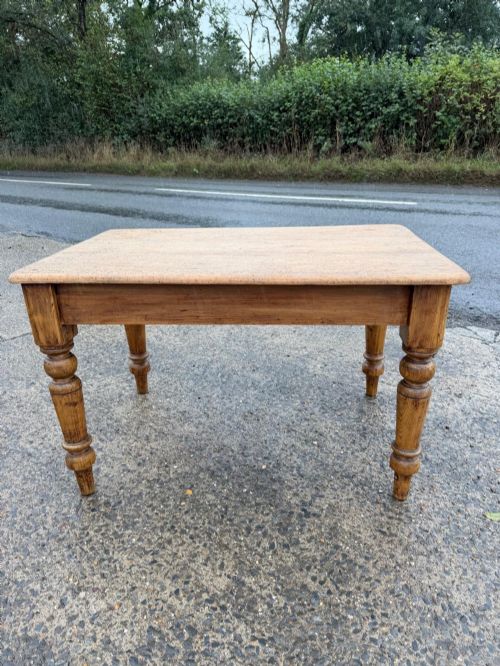
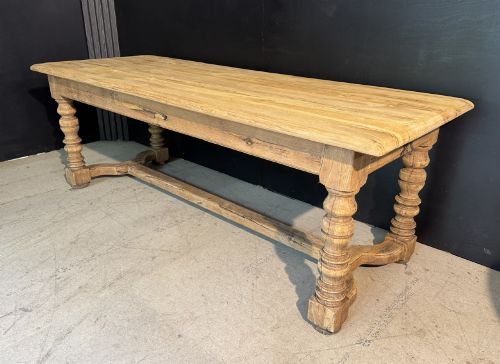
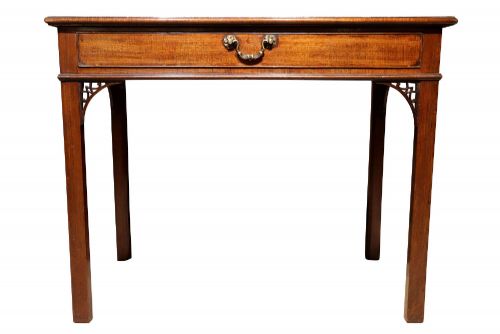
Makers and makers' workshops utilise forms such as writing tables, library tables, and side tables fitted with single or multiple drawers. Timber choices range from rich mahogany and rosewood to oak, walnut, pine, and padouk.
Buyers encounter regional variations including French and English country pieces alongside formal Regency and William IV iterations. The integration of leather inserts and brass hardware defines many of the surviving examples on the market.
How they were made
Cabinet makers constructed these desks using dense hardwoods like mahogany, rosewood, and oak for primary structures, often supplemented by pine for secondary framing. Surfaces frequently featured inset leather writing pads.
Joinery techniques relied on traditional hand-cut joints, while decorative elements incorporated brass fittings, crossbanding, parquetry, and carved detailing.
Antique Frieze Drawer Desk Retail Price Guide 2026
Typical asking prices for frieze drawer desk among the pieces listed under this phrase on Sellingantiques today, from the lower quarter to the upper quarter. They describe what is for sale here now, not the wider market.
The inventory spans styles from Georgian and Regency to Victorian and Art Deco.
What varies in quality
The distinction between standard examples and finer items rests in the selection of timber figures, such as well-figured rosewood or crossbanded mahogany. Superior execution shows in crisp carving and balanced proportions.
Attribution to documented makers or workshops elevates an example significantly, reflecting skilled craftsmanship in hardware placement and drawer construction.
Edwards & Roberts·Donald Ross·Whytock & Reid·W. Priest·Gillows of Lancaster
The Antique Frieze Drawer Desk Glossary
- Frieze
- The horizontal band situated immediately beneath the top of a table or desk, which houses the drawer or drawers.
- Crossbanding
- A decorative border of veneer laid so that the grain runs at right angles to the surrounding wood.
- Parquetry
- Geometric mosaic woodwork used for decorative surface patterns on tables and desks.
- Padouk
- A heavy tropical hardwood with a reddish hue utilised in certain cabinet-making traditions.
Antique Frieze Drawer Desk: Frequently Asked Questions
What periods do these desks date from?
Surviving examples originate primarily across the 18th, 19th, and early 20th centuries, covering George III, Regency, William IV, and Victorian eras.
Craftsmen during these periods utilised native and exotic timbers to construct practical writing furniture.
How were these desks used originally?
They served as functional surfaces for correspondence, reading, and administrative tasks in libraries, studies, and drawing rooms.
Drawers provided convenient storage for inkwells, paper, and writing instruments.
Are writing tables different from desks?
The terms often overlap in period terminology, though writing tables typically emphasise a freestanding library or centre table format.
Frieze drawers remain a common feature across both designations.
What woods should I look for?
Mahogany and rosewood appear frequently in formal Regency and Victorian pieces, offering deep grain patterns and rich colour.
Oak and pine predominate in country farmhouse examples and earlier utilitarian pieces.